
Sauces & Condiments
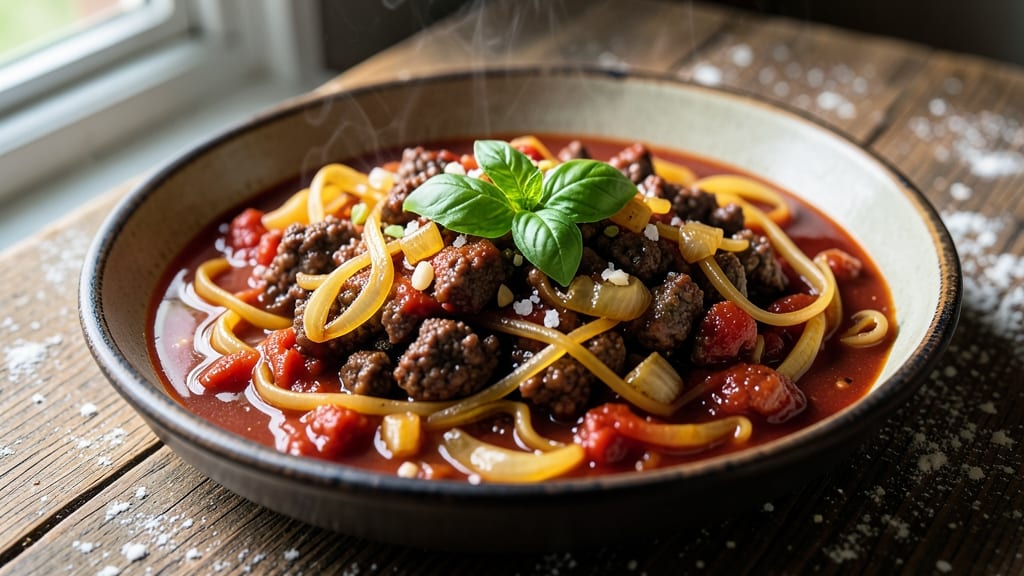
This Bolognese sauce recipe without wine delivers restaurant-quality depth using a clever umami-building technique that transforms simple ingredients into something extraordinary. The secret lies in a combination of tomato paste, soy sauce, and caramelized onions that create layers of savory complexity without alcohol.
I've perfected this version after years of experimenting—it's rich, velvety, and packed with meaty flavor that pairs beautifully with pasta, lasagna, or even as a filling for stuffed vegetables.
The foundation of this sauce begins with browning ground beef and pork separately to develop deep, caramelized flavors before combining them. A slow simmer allows the sauce to thicken naturally while the aromatics—garlic, onions, and herbs—infuse every spoonful.
Unlike traditional recipes, we replace wine with a blend of tomato paste, soy sauce, and beef broth, which mimics wine's depth without the alcohol content. This approach makes it equally suitable for dietary restrictions while maintaining authentic Italian richness.
What you'll achieve is a sauce so rich and flavorful it rivals any wine-based version, with a perfect balance of sweetness from the tomatoes and savory notes from the meat. The texture is velvety yet still clings to pasta beautifully, ensuring every bite is packed with umami satisfaction.
Best of all, it tastes even better the next day as the flavors continue to meld together.
This sauce keeps well in the refrigerator for up to 5 days or can be frozen for months, making it ideal for meal prep.
Whether you're serving it over spaghetti, using it as a lasagna filling, or pairing it with polenta, this wine-free Bolognese delivers professional-quality results with simple pantry staples. Let's create something truly special for your next Italian feast.
Ingredients for bolognese sauce recipe no wine
Restaurant-quality depth from simple pantry staples—no wine needed for this umami-packed masterpiece.
| Ingredient | Amount | Notes |
|---|---|---|
| Ground Beef 🥩 | 1 ½ lb | 80% lean for meaty richness |
| Ground Pork 🐖 | ½ lb | Finely ground for texture |
| Yellow Onions 🧅 | 2 whole | Finely diced for caramelization |
| Garlic Cloves 🧄 | 6 cloves | Minced for aromatic depth |
| Tomato Paste 🍅 | ½ cup | San Marzano preferred |
| Beef Broth 💧 | 2 cups | Low-sodium preferred |
| Soy Sauce 🥢 | 2 tbsp | Light or regular |
| Olive Oil 🫒 | ¼ cup | Extra-virgin for richness |
| Fresh Rosemary 🌿 | ¼ cup | Chopped, fresh preferred |
| Fresh Thyme 🌿 | ¼ cup | Leaves only, chopped |
| Bay Leaves 🌿 | 2 whole | Dried, removed before serving |
| Salt 🧂 | 1 ½ tsp | Diamond Crystal preferred |
| Black Pepper 🌶️ | ½ tsp | Freshly ground |
The meat selection is key here. Ground beef at 80% lean gives that deep, meaty flavor while the pork adds tenderness. I grab both from Costco when I'm making a big batch—it's cheaper per pound and stays fresh longer. For the onions, yellow onions with a bit of sweetness caramelize best, but red onions work in a pinch if that's what you've got. The San Marzano tomato paste is worth the splurge—it's sweeter and smoother than regular brands, and a little goes a long way in building that rich base flavor. If you can't find it, any quality paste will do, but don't use the watery canned tomato stuff.
No beef broth? Vegetable broth with a splash of soy sauce works in a bind, though the flavor will be slightly lighter. Running short on fresh herbs? Dried rosemary and thyme at one-third the amount will get you close, but fresh is ideal if you've got it. The soy sauce is non-negotiable for that umami punch—it's what replaces the wine's depth. For the olive oil, extra-virgin is a must—it adds fruity notes that balance the richness. Want to make this even more robust? Add 1 tbsp of balsamic vinegar to the tomato paste before cooking—it adds complexity without alcohol.
This sauce tastes even better the next day as the flavors meld, so make a big batch if you're feeding a crowd. Keeps in the fridge for 5 days and freezes beautifully for 3 months. I portion mine into ziplock bags with a splash of broth to prevent freezer burn. For serving, heat gently on the stove—never microwave, or you'll break the emulsification that gives it that velvety texture. Pairs perfectly with freshly cooked pasta or as a lasagna filling.
Why You'll Love This Recipe
- No Wine, No Problem: The deep, rich flavor comes from caramelizing onions and garlic until they’re practically melting—no alcohol needed. That slow cook-down with tomato paste builds layers of umami that’ll make you forget you skipped the wine entirely.
- One-Pot Magic: Brown the beef and pork right in the same pot, then deglaze with a splash of water. The sauce thickens as it simmers, so you’re left with one pot, one spatula, and zero dishes to scrub. (Yes, even on a Tuesday night.)
- Meal Prep MVP: This sauce keeps for days in the fridge and freezes like a dream—perfect for batch cooking. Toss it with pasta, freeze half, and thank your future self when you’re too tired to cook later.
- Budget-Friendly Powerhouse: Ground pork stretches the beef, onions add bulk, and tomato paste delivers serious flavor without breaking the bank. A big pot means leftovers for lunches, and you’ll use every last drop before it’s gone.
Step-by-step instructions for crafting rich Bolognese without wine
Here's how to build deep, umami-packed Bolognese using only the ingredients you have.
Develop the Meat Foundation
Heat the 0.25 cup olive oil in a heavy Dutch oven over medium heat until shimmering. Add the 1.5 lb ground beef and 0.5 lb ground pork, breaking it apart with a wooden spoon. Cook until the meat loses its raw color and begins to brown—this should take about 8-10 minutes. Real talk: don't rush this step. Proper browning creates the Maillard reaction that builds flavor.
Once the meat is browned, add the 2 whole yellow onions and 6 cloves garlic cloves (minced). Cook for another 5 minutes until the onions are translucent and the garlic is fragrant. The onions should be soft but not caramelized—we'll save that for later. Here's the thing—if you smell burning, reduce the heat slightly and let it cook gently.
Build Umami Layers with Herbs and Tomato
Stir in the 0.25 cup fresh rosemary, 0.25 cup fresh thyme, and 2 whole bay leaves. Cook for 1 minute to toast the herbs slightly—this releases their essential oils and deepens their flavor. Then add the 0.5 cup tomato paste and cook for another 2 minutes, stirring constantly. The paste will darken and thicken slightly, creating a rich base.
Pour in the 2 cups beef broth and scrape up any browned bits from the bottom of the pot. This is where all the flavor lives. Add the 2 tbsp soy sauce and bring the mixture to a gentle simmer. The sauce should be thick enough to coat the back of a spoon but still pourable. If it's too thick, add a splash of water to loosen it slightly.
Simmer for Deep Flavor Development
Reduce the heat to low and cover the pot partially with a lid. Let the Bolognese simmer uncovered for 45-60 minutes, stirring occasionally. Here's what you're waiting for: the sauce should reduce and thicken noticeably, with the meat breaking down into tender pieces. You'll see the edges of the pot develop a dark, glossy sheen—that's your signal that the sauce is developing properly.
After 45 minutes, taste the sauce and adjust seasoning with the 1.5 tsp salt and 0.5 tsp black pepper. The sauce should be rich, slightly sweet from the caramelized onions, and deeply savory from the meat and herbs. If it's too acidic, add a pinch more salt or a small spoonful of sugar to balance it. Don't walk away—this is the moment that matters.
Finish with Perfect Texture
Once the sauce has thickened to your desired consistency (it should coat the back of a spoon but still be spoonable), remove the 2 whole bay leaves and discard them. For a smoother texture, use an immersion blender to gently blend about half of the sauce, leaving some meaty chunks for texture. If you prefer it rustic, skip blending entirely.
Let the sauce rest for 10 minutes before serving. This resting period allows the flavors to meld completely and the sauce to reach its ideal consistency. The final result should be rich, velvety, and deeply flavorful—everything you'd expect from a classic Bolognese, but without any wine. Serve over your favorite pasta or with crusty bread to soak up every last bit of that umami goodness.
Pro Tips For Making Bolognese Sauce Recipe No Wine
- CRUSH THE ONIONS: Dice them small—think 1/8-inch pieces, not thick slices. I used to leave them chunky, and the sauce would taste unevenly cooked. Fine diced onions melt into the meat faster and caramelize without burning, so they actually deepen the flavor instead of just sitting there like sad, undercooked bits.
- SWEAT THE MEAT LOW AND SLOW: Start over medium-low heat after breaking up the meat—no rushing. I learned this the hard way: high heat makes the pork and beef release grease too fast, and before you know it, you’re fighting smoke instead of building flavor. Let it simmer gently for 8-10 minutes until the meat loses its raw color and the onions turn translucent.
- TOAST THE TOMATO PASTE: Cook the tomato paste in the meat’s rendered fat for at least 3 minutes before adding liquid. This step isn’t optional—it removes the raw, metallic taste and lets the paste develop a nutty depth. Stir constantly, or it’ll stick like glue and turn your sauce into a science experiment.
- SALT THE MEAT FIRST: Sprinkle all the salt (about 1 tsp for 1 lb of meat) before browning, not after. I was skeptical until I tried it: the salt breaks down the meat fibers early, so the sauce absorbs moisture better and doesn’t turn pasty later. Yes, even if you’re impatient like me—just mix it in and move on.
Serving suggestions for leftovers
Pasta Pairings
This rich, wine-free Bolognese shines brightest with tagliatelle or fettuccine—their wide, flat surfaces cradle the sauce beautifully. I always cook 8 oz of pasta per serving (about 1 lb total for 4 servings) in well-salted boiling water until al dente.
For extra indulgence, toss with 1 tbsp of pasta water before mixing with the sauce—this helps emulsify everything for a silky finish. 🍝
Crusty Bread
Serve with garlic bread or a rustic Italian loaf on the side for soaking up every last drop of sauce. My go-to is crusty sourdough toasted with 2 tbsp of olive oil, 2 minced garlic cloves, and a sprinkle of flaky sea salt.
For a quicker option, warm baguette slices in the oven at 350°F for 5 minutes with a brush of olive oil. The contrast of crispy bread against the velvety sauce is pure magic.
Polenta or Risotto
For a heartier meal, serve over creamy polenta or mushroom risotto. I love using instant polenta (like Motta) cooked with 4 cups of broth and a splash of heavy cream for extra richness.
For risotto, a mushroom and thyme version adds earthy depth that complements the Bolognese perfectly. Both options soak up the sauce differently, adding texture contrast to each bite.
Stuffed Vegetables
Transform this sauce into a stuffed vegetable dish by filling hollowed-out bell peppers, zucchini boats, or portobello mushrooms. Pre-cook the vegetables in a 375°F oven for 15 minutes, then stuff with the Bolognese and bake for another 20 minutes until tender.
Top with grated Parmesan and fresh basil for a showstopping vegetarian-friendly option. 🌶️
Grilled Meats
Use the sauce as a grilling marinade for chicken thighs, pork chops, or even steak. Simmer 1 cup of the Bolognese with 2 tbsp of balsamic vinegar and 1 tbsp of honey, then brush onto meats before grilling.
The umami richness caramelizes beautifully on the grill, creating a sticky, flavorful crust. I love this technique for summer BBQs—it adds depth without overpowering the meat.
Breakfast Twist
Yes, you read that right! This sauce makes an amazing breakfast when served over shredded hash browns or fried eggs. The savory depth pairs surprisingly well with crispy bacon and avocado slices.
For a heartier meal, top with cheddar cheese and broil until melted. It’s a game-changer for lazy weekend brunches—trust me, your taste buds will thank you. 🍳
Nutrition facts
Frequently asked questions
Can I substitute beef broth with vegetable broth?
Yes, but the flavor will be slightly lighter. Use vegetable broth plus an extra 1 tbsp of soy sauce to maintain umami depth. For a more balanced result, blend ½ cup of the sauce with ¼ cup of tomato paste after cooking to enhance richness. The texture remains the same, but the meaty flavor will be subtly different.
Why does my sauce turn out too acidic?
This usually happens when the tomatoes or broth are too tart. Balance it by adding 1 tsp of sugar or ½ tsp of salt while simmering. For extra richness, stir in 1 tbsp of tomato paste or a pinch of nutmeg—both neutralize acidity beautifully. Always taste as you go to adjust gradually.
How do I make this sauce thicker?
Simmer uncovered for 15-20 extra minutes to reduce naturally. If it's still too thin, mix 1 tbsp of cornstarch with 2 tbsp of cold water, stir into the sauce, and simmer for 3-5 minutes until thickened. Avoid over-stirring—this can break the sauce's velvety texture. For a smoother finish, blend ½ the sauce after cooking.
Can I use ground turkey instead of beef and pork?
Ground turkey works well, but choose 93% lean or higher to prevent dryness. Brown the meat thoroughly and add 1 tbsp of olive oil to compensate for lower fat content. For extra moisture, reduce the beef broth by ½ cup and simmer slightly longer. The flavor will be lighter but still delicious.
How long can I store this sauce?
Store in an airtight container in the fridge for up to 5 days. For longer storage, freeze in ziplock bags (remove excess air) for up to 3 months. Thaw overnight in the fridge—never microwave directly. Reheat gently on the stove with a splash of broth to restore texture. The sauce actually improves after 24 hours as flavors meld!