
Sauces & Condiments
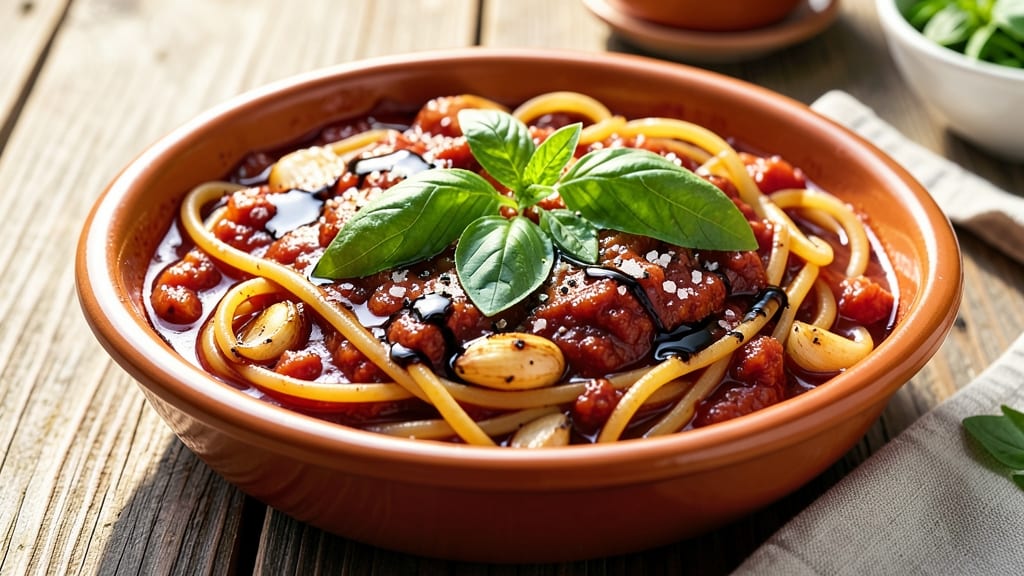
This authentic Italian pasta sauce recipe from scratch transforms simple ingredients into a rich, slow-simmered masterpiece that captures the soul of Nonna’s kitchen. The secret lies in caramelizing onions and garlic until golden, then building layers of tomato flavor through hours of gentle reduction—no shortcuts, just deep, concentrated umami.
Fresh basil added at the end ensures brightness that store-bought sauces can’t replicate, while a splash of red wine adds complexity that elevates every forkful.
The process requires patience: onions and garlic cook until deeply sweet, canned tomatoes break down into a velvety consistency, and herbs infuse without overpowering. Unlike quick sauces, this one develops flavor through time, creating a sauce that clings to pasta perfectly while standing up to hearty proteins.
The result is a restaurant-quality base that turns any meal into an Italian feast.
What makes this sauce truly authentic is the technique—no blenders, no sugar substitutes, just raw ingredients transformed through heat and time. The texture is silky yet substantial, with just enough body to coat pasta without weighing it down.
Store it in the fridge for up to 5 days or freeze for months, ensuring you always have a taste of Italy at your fingertips.
This isn’t just a sauce; it’s a foundation for culinary creativity. Toss with al dente pasta, drizzle over grilled meats, or use as a marinade—its versatility makes it a foolproof addition to any kitchen. Ready to master the art of slow-simmered tomato sauce? Let’s begin.
Ingredients for authentic italian pasta sauce recipe from scratch
Nine essential ingredients transform into restaurant-quality Italian pasta sauce through slow-simmered technique.
| Ingredient | Amount | Notes |
|---|---|---|
| Extra-Virgin Olive Oil 🫒 | ½ cup | High-quality, fruity variety preferred |
| Yellow Onions 🧅 | 2 whole | Yellow or red, finely chopped |
| Garlic Cloves 🧄 | 6 cloves | Fresh, peeled, thinly sliced |
| Canned San Marzano Tomatoes 🍅 | 28 oz | Whole, crushed by hand |
| Dry Red Wine 🍷 | ½ cup | Bold variety like Chianti or Cabernet |
| Fresh Basil Leaves 🌿 | ½ cup | Packed, stems removed |
| Tomato Paste 🍅 | 2 tbsp | High-quality, no additives |
| Sea Salt 🧂 | 1 ½ tsp | Diamond Crystal preferred |
| Black Peppercorns 🌶️ | ½ tsp | Freshly cracked |
| Sugar 🍚 | 1 tsp | Optional, balances acidity |
The foundation begins with San Marzano tomatoes—their natural sweetness and low acidity create the ideal base. Whole, crushed by hand, they release juices that build depth over time. For onions, yellow or red work equally well, but avoid sweet varieties like Vidalia. Garlic should be freshly sliced, not minced, to prevent bitterness. Penzeys Spices or high-quality grocery store brands ensure your dried ingredients deliver authentic flavor. The red wine adds complexity, so choose a bold, dry variety like Chianti or Cabernet—avoid sweet dessert wines.
No San Marzano tomatoes? Crushed Roma tomatoes are the next best choice, but avoid sauce blends with added salt or sugar. Fresh basil is non-negotiable for that signature brightness, but if you're short, dried basil at one-third the amount works in a pinch. The tomato paste can be substituted with extra tomato sauce at double the quantity, though it won't develop the same concentrated depth. For wine, beef broth with a splash of balsamic mimics the acidity and umami. The sugar is truly optional—only add if your tomatoes taste particularly tart, but traditional recipes often omit it entirely.
This sauce develops best over time, so simmer uncovered for at least 2 hours to achieve proper consistency. Store in an airtight container with a thin layer of olive oil on top to preserve freshness and prevent browning. Keeps in the fridge for 5-7 days or frozen for up to 3 months. For best results, reheat gently on the stove, stirring occasionally to prevent scorching. The flavor actually improves after the first day as ingredients meld together.
Why You'll Love This Recipe
- Same sauce, endless uses: toss with spaghetti for a quick weeknight meal, or let it reduce longer for a Sunday supper with crusty bread and grilled chicken. Even my picky teenagers ask for seconds—no questions.
- No-Fuss Technique: I swear by the slow simmer—just onions, garlic, and olive oil until they’re golden and sweet. The wine deglazes in seconds, pulling all the caramelized bits right off the pan, and suddenly you’ve got depth without extra effort.
- San Marzano Magic: That first taste of the crushed tomatoes? Rich, juicy, and actually sweet—not the watery cans you’ve dealt with before. The acidity balances the wine’s bite, and the olive oil ties it all together like a hug from Nonna.
- Weeknight to Dinner Party: Same sauce, endless uses: toss with spaghetti for a quick weeknight meal, or let it reduce longer for a Sunday supper with crusty bread and grilled chicken. Even my picky teenagers ask for seconds—no questions.
Step-by-step instructions for authentic Italian pasta sauce
This method delivers restaurant-quality sauce with deep tomato flavor and aromatic complexity.
Sauté Onions Until Translucent and Sweet
Heat the 0.5 cup extra-virgin olive oil in a heavy-bottomed saucepan over medium heat. Add the 2 whole yellow onions, chopped into fine dice, and cook for 10-12 minutes until completely softened and golden. You'll notice the onions release moisture at first, but keep stirring occasionally to prevent sticking.
The key here is patience. When the onions turn translucent and develop a sweet, caramelized aroma, they're ready for the next step. If they brown too quickly, reduce the heat slightly. These onions form the flavor base for your entire sauce, so don't rush this process.
Add Garlic and Tomato Paste for Depth
Push the onions to one side of the pan and add the 6 cloves garlic, sliced thinly. Cook for 30 seconds until fragrant but not browned. Stir everything together, then add the 2 tablespoons tomato paste. Cook for 2-3 minutes, stirring constantly, until the paste darkens slightly and becomes fragrant.
This step develops the sauce's rich, umami foundation. The tomato paste will dissolve completely, creating a thick, flavorful base. If you notice any bits sticking to the bottom, use a wooden spoon to scrape them up—they're packed with concentrated flavor.
Deglaze with Wine and Add Tomatoes
Pour in the 0.5 cup dry red wine and scrape up any browned bits from the bottom of the pan. Let it simmer for 3-4 minutes until the wine reduces by half. Add the 28 oz canned San Marzano tomatoes, crushed by hand, and the 1.5 teaspoons sea salt. Stir well to combine.
Here's where the sauce begins to transform. The wine's acidity cuts through the richness of the onions and garlic, while the tomatoes add natural sweetness. You'll see the sauce thicken slightly as it simmers. This is the moment when all the flavors start melding together.
Simmer Slowly for Rich Flavor Development
Reduce the heat to low and let the sauce simmer uncovered for 30-40 minutes. Stir occasionally, especially near the end, to prevent sticking. The sauce should reduce by about one-third, becoming thick and concentrated. Taste and adjust seasoning with additional salt if needed.
This slow simmering process is crucial for authentic flavor. It allows the acidity in the tomatoes to mellow while concentrating the flavors. You'll notice the sauce darken slightly as it reduces, developing that characteristic Italian depth. The longer it simmers, the more complex the flavor becomes.
Finish with Fresh Basil and Pepper
Remove the pan from heat and stir in the 0.5 cup fresh basil leaves, packed and stems removed. Add the 0.5 teaspoon freshly cracked black peppercorns and the 1 teaspoon sugar (if using). Taste and adjust seasoning one final time.
The basil adds a bright, aromatic finish that's essential for authentic Italian flavor. The sugar balances the acidity of the tomatoes, while the pepper adds a subtle heat. This is the moment when your sauce comes together as a cohesive, flavorful whole. Serve immediately over al dente pasta for the best results.
Pro Tips For Making Authentic Italian Pasta Sauce Recipe From Scratch
- SWEEAT THE ONIONS FIRST: I learned this the hard way—sautéing onions in olive oil on medium heat until they’re translucent and just starting to soften (about 8-10 minutes) builds flavor without burning. Skip this, and your sauce will taste raw and bitter, no matter how long you simmer later.
- PEEL GARLIC IN THE PAN: After the onions soften, add whole garlic cloves (peeled right in the pot with a knife) and cook them until golden—not browned, just fragrant and just turning color. This infuses the oil with depth; crushed garlic burns faster and ruins the whole dish.
- DEGLLAZE WITH WINE, THEN WAIT: Pour in the red wine and let it fully evaporate before adding tomatoes—don’t rush this. The alcohol needs time to cook off completely, or your sauce will taste sharp and underdeveloped. Stir occasionally and give it 3-4 minutes.
- CRUSH TOMATOES BY HAND: Drain the San Marzano tomatoes but don’t skip crushing them roughly with your fingers (or a wooden spoon) before adding to the pot. This breaks down the skins and releases juices faster, giving you a smoother, richer sauce in half the time. Canned tomatoes are convenient, but this step makes them taste homemade.
Essential equipment for perfect results
Heavy-Bottomed Saucepan
Your saucepan is the workhorse of this recipe, so invest in a high-quality stainless steel or enameled cast iron pan with a 3-4 quart capacity. I recommend the All-Clad D5 for its even heating and durability, or Le Creuset’s enameled Dutch oven for that classic French-Italian aesthetic.
Avoid nonstick pans—they can’t handle the prolonged simmering and may release toxic fumes when heated too long. The pan should have two sturdy handles for easy maneuvering while stirring and deglazing. 🔥
Wooden Spoon
A heat-resistant wooden spoon (like Oxo Good Grips or Maplewood) is essential for stirring without scratching your pan. Wood distributes heat evenly and prevents hot spots that can burn your sauce.
I keep mine in the pot during the entire simmering process—it’s my go-to tool for any sauce-making. Avoid metal utensils that can react with the acidity of tomatoes and wine.
Chef’s Knife
For this recipe, you’ll need a sharp 8-inch chef’s knife to finely chop 2 yellow onions and thinly slice 6 garlic cloves. I swear by the Wüsthof Classic or Mac Knife—both hold their edge beautifully.
A dull knife makes prep frustrating and unsafe, so invest in a good honing steel or Shun whetstone to keep your blade razor-sharp. The goal is even, fine dice for onions and thin slices for garlic to maximize surface area and flavor infusion.
Fine-Mesh Strainer
A fine-mesh strainer (like OXO Good Grips) is perfect for crushing San Marzano tomatoes by hand—simply crush them over the strainer to catch any seeds or skins. This method ensures a smoother sauce without the need for a blender.
If you prefer a smoother texture, you can also strain the finished sauce through this same strainer to remove any basil stems or herb bits. It’s a small but game-changing tool for authentic Italian texture.
Measuring Spoons
Precision matters with spices and liquids, so grab a set of stainless steel measuring spoons (I love OXO’s magnetic set). You’ll need to measure 2 tbsp tomato paste, 1.5 tsp sea salt, 0.5 tsp black peppercorns, and 1 tsp sugar accurately.
A good set ensures you don’t over- or under-season your sauce. Pro tip: Use the spoon’s flat side to level off dry ingredients like salt and pepper for consistency. ✨
Kitchen Timer
Timing is everything in this recipe, so a reliable kitchen timer (like OXO’s digital model or even your phone) keeps you on track. Set it for 10-12 minutes when sautéing onions, 3-4 minutes for deglazing with wine, and 30-40 minutes for the slow simmer.
I place mine within arm’s reach on the counter so I never miss a critical step. The sauce’s depth comes from patience—don’t rush this process! 💡
Nutrition facts
Frequently asked questions
Why does authentic Italian pasta sauce need such a long simmering time?
The slow simmering (2+ hours) is essential for developing deep, complex flavors. It allows the natural sugars in onions and tomatoes to caramelize, while the acidity from wine and tomatoes mellows into a balanced, rich profile. This process creates that signature umami depth you find in Nonna's kitchen—something quick recipes can't replicate.
Can I make this sauce without wine? What's the best substitute?
Yes! Use 0.5 cup beef broth plus 1 tablespoon balsamic vinegar to mimic the acidity and depth. For umami, add 1 teaspoon soy sauce (reduced first). The wine adds complexity, but this combo works beautifully. Always taste and adjust seasoning afterward—you may need extra salt since broth contains sodium.
How do I know when the sauce is ready?
Your sauce is perfect when it's reduced by about one-third (thick enough to coat the back of a spoon) and has a glossy sheen. The onions should be completely tender with no raw bits, and the aroma should be rich with tomato and basil notes. For texture, it should cling to pasta without being gluey—this takes 30-40 minutes of simmering.
What's the best way to store and reheat this sauce?
Store in an airtight container with a thin layer of olive oil on top to preserve freshness. Keeps in the fridge for 5-7 days or frozen for up to 3 months. To reheat, warm gently on low heat, stirring occasionally to prevent scorching. Never microwave—it destroys the sauce's delicate texture. The flavor actually improves after the first day as ingredients meld together!
Can I add meat to this sauce?
For a ragù-style sauce, brown 1 pound ground beef or Italian sausage first, then proceed with the recipe. Add meat after the wine deglazing step and simmer with the tomatoes. For extra richness, use pancetta or guanciale instead of beef. Just remember: meat requires longer cooking times to develop safe temperatures (165°F for beef).