
Sauces & Condiments
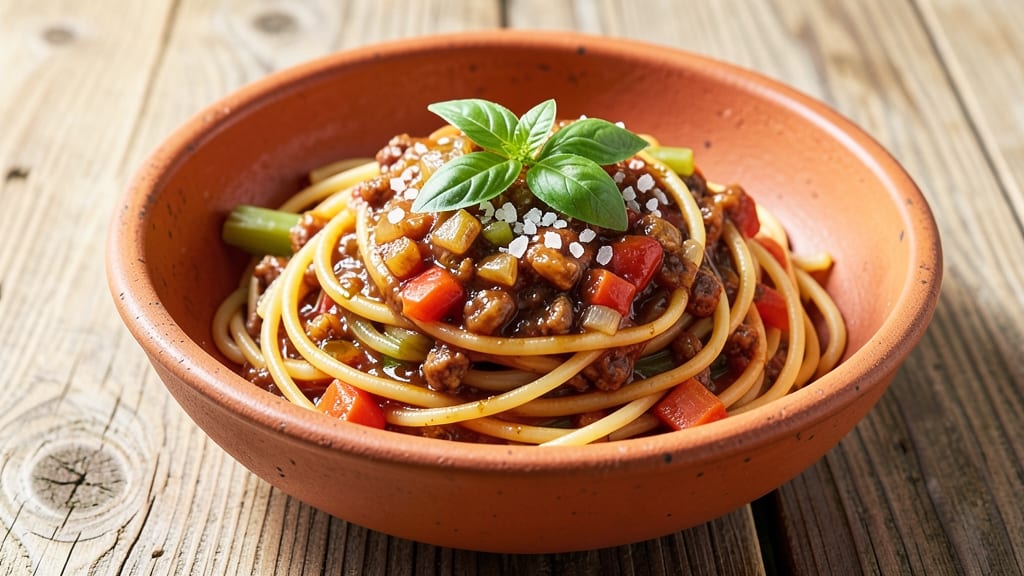
This spaghetti meat sauce recipe from scratch delivers the deep, rich flavor of a traditional Italian Sunday dinner—where tender meat chunks melt into a velvety tomato sauce that clings perfectly to al dente pasta.
The secret lies in slow-simmering the sauce for hours, allowing the meat to break down and the flavors to develop into something truly extraordinary. No shortcuts here, just the kind of homemade depth you’ll crave long after the last bite.
What sets this recipe apart is the balance of technique and simplicity. You’ll start by browning your ground meat to build a rich, meaty foundation, then layer in aromatic vegetables and herbs that infuse the sauce with layers of flavor.
A long, gentle simmer transforms simple ingredients into something restaurant-quality, while a few key tricks—like deglazing the pan and reducing the sauce properly—ensure every spoonful is packed with depth. It’s the kind of sauce that tastes even better the next day, making it perfect for meal prep.
The result is a dish that feels both comforting and impressive—a deep-simmered meat sauce with tender chunks of beef or pork, rich tomato flavor, and just the right balance of herbs. Each forkful delivers that perfect harmony of textures: tender pasta, juicy meat, and a sauce that’s velvety yet bright.
This isn’t just spaghetti and meat sauce; it’s a meal that feels like a celebration, no matter the occasion.
Whether you’re feeding a family or treating yourself to a weeknight indulgence, this recipe delivers on every promise. The slow-cooked method ensures maximum flavor, while the adaptable technique lets you adjust the ingredients to your taste. Ready to make the best spaghetti meat sauce you’ve ever had? Let’s get started.
Ingredients for best spaghetti meat sauce recipe from scratch
These 17 ingredients transform into the most restaurant-worthy spaghetti sauce you’ll ever make.
| Ingredient | Amount | Notes |
|---|---|---|
| Ground Beef 🥩 | 1 ½ lb | 80/20 fat ratio preferred |
| Onion 🧅 | 1 whole | Yellow or red, diced |
| Garlic Cloves 🧄 | 4 cloves | Fresh, minced |
| Carrots 🥕 | 2 whole | Peeled, diced small |
| Celery Stalks 🌿 | 2 whole | Diced, classic mirepoix |
| Canned San Marzano Tomatoes 🍅 | 28 oz | Crushed, high-quality |
| Tomato Paste 🍅 | ½ cup | Smooth, not chunky |
| Dry Red Wine 🍷 | ½ cup | Bold, like Chianti |
| Beef Broth 💧 | 1 cup | Low-sodium preferred |
| Fresh Basil Leaves 🌿 | ½ cup | Chopped, for brightness |
| Fresh Parsley 🌿 | ¼ cup | Chopped, for freshness |
| Dried Oregano 🍃 | 1 tsp | Italian preferred |
| Bay Leaves 🌿 | 2 whole | For deep flavor |
| Olive Oil 🫒 | 2 tbsp | Extra-virgin, for browning |
| Salt 🧂 | 1 ½ tsp | Kosher or sea salt |
| Black Pepper 🌶️ | ½ tsp | Freshly ground |
| Spaghetti 🍝 | 12 oz | Al dente preferred |
The beef is non-negotiable here—80/20 fat ratio is key for that rich, meaty depth. Costco or Trader Joe's usually carry the best ground beef for this, but check the label for that fat percentage. The San Marzano tomatoes? Worth the splurge. Muir Glen is my go-to—they’re sweeter and less acidic than regular canned tomatoes. Fresh herbs are a game-changer too, but dried oregano works in a pinch (use half the amount). For the mirepoix, don’t skip the celery—it’s the secret to balancing the flavors.
No red wine? Beef broth with a splash of balsamic vinegar works beautifully. Fresh basil and parsley can be swapped for dried (one-third the amount), but trust me, the fresh stuff makes all the difference. The tomato paste is non-negotiable for that concentrated flavor—Bertolli or Barilla are solid choices. If you’re short on time, you can use pre-diced onions and carrots, but chopping them yourself gives you more control. And if you’re making a big batch, double the wine and broth—it’ll keep the sauce from getting too thick.
This sauce tastes even better the next day, so make extra. Store it in the fridge for up to 5 days or freeze for 3 months. I like to portion it into glass jars—perfect for meal prep. The pasta? Cook it al dente, then toss it with the sauce right before serving. That’s the secret to the perfect bite—slightly firm pasta with velvety sauce clinging to every strand. Leftovers? Even better—just reheat with a splash of water or broth to loosen it up.
Why You'll Love This Recipe
- One-Pot Magic: I swear by this sauce because it’s literally one pan, one spatula. Brown the beef right in the pot, then toss in the onions, carrots, and celery—no extra bowls, no extra mess. Even my husband (who burns toast) can handle it.
- Deep Umami Bomb: That combo of ground beef browning until it’s almost crispy, then simmered with garlic and carrots? It’s the kind of flavor that makes you pause mid-bite. The celery adds this subtle earthiness that elevates it from "meat sauce" to "I’d drive 20 minutes for this."
- Weeknight Workhorse: Serve it over spaghetti for dinner, stuff it in lasagna for Sunday, or freeze half for when you’re too tired to cook. Honestly, I’ve had it three times this week already—breakfast burritos, meatball subs, you name it.
- Budget That Feeds: A pound of beef, a few cheap veggies, and pantry staples stretch to feed four (or five if you’re generous). My grocery bill stays sane, and I still get that restaurant-quality richness. Leftovers? They’re the best kind—better the next day.
Step-by-step instructions for deep-simmered spaghetti meat sauce
This is where the magic happens—building layers of flavor through slow cooking and careful technique.
Build the Flavor Base with Sautéed Vegetables
Heat the 2 tablespoons olive oil in a large Dutch oven over medium heat. Add the diced onion, peeled and diced carrots, and diced celery stalks, stirring occasionally for 8-10 minutes until the vegetables soften and begin to caramelize. This creates the foundational mirepoix that will infuse the sauce with sweet, earthy depth.
Here's the thing—don't rush this step. You'll know it's ready when the vegetables release their juices and smell deeply aromatic. Add the minced garlic cloves and cook for another 30 seconds until fragrant, but be careful not to let it burn. The garlic should just barely color—this prevents bitterness that can overpower the delicate flavors.
Brown the Ground Beef for Richness
Push the vegetables to one side of the pot and add the 1.5 pounds ground beef, breaking it up with a wooden spoon. Cook over medium-high heat for 6-8 minutes, stirring occasionally, until the beef is deep brown and mostly cooked through. This browning step is crucial—it develops the meaty, umami-rich crust that forms the backbone of your sauce.
I press down gently on the beef with a spatula during the first minute to ensure even contact with the pan. This prevents it from curling and ensures maximum surface area for that gorgeous sear. Once the beef is browned, stir it back together with the vegetables and cook for another 2 minutes to distribute the flavors.
Deglaze and Simmer the Tomato Base
Pour in the 0.5 cup dry red wine, scraping up any browned bits from the bottom of the pot with a wooden spoon. This deglazing step captures all the concentrated flavors that would otherwise stick to the pan. Let it simmer for 3-4 minutes until the wine reduces by about half, intensifying its flavor.
Add the 0.5 cup tomato paste, stirring constantly for 1 minute to cook it through and deepen its color. Then pour in the 28 ounces crushed San Marzano tomatoes, 1 cup beef broth, 1 teaspoon dried oregano, 2 whole bay leaves, 1.5 teaspoons salt, and 0.5 teaspoon black pepper. Stir well to combine, then bring the mixture to a gentle simmer.
Slow-Simmer for Deep Flavor Development
Reduce the heat to low and let the sauce simmer uncovered for 45-60 minutes, stirring occasionally. This long, slow cook time allows the flavors to meld and develop complexity. You'll notice the sauce gradually darken and thicken—this is where the magic happens.
Real talk: Don't walk away. Stir every 10-15 minutes to prevent the sauce from sticking to the bottom. If it gets too thick, add a splash of water or broth. The sauce should coat the back of a spoon but still be loose enough to cling to the spaghetti. When you taste it, you should detect layers of sweetness from the carrots, depth from the wine, and rich umami from the beef.
Finish with Fresh Herbs and Serve
Remove the bay leaves and stir in the 0.5 cup chopped fresh basil leaves and 0.25 cup chopped fresh parsley. These herbs add brightness and freshness that balance the deep, savory flavors of the sauce. Let the sauce simmer for another 2-3 minutes to heat through.
While the sauce finishes, cook the 12 ounces spaghetti in salted boiling water until al dente (about 1 minute less than package instructions). Reserve 1 cup pasta water, then drain the pasta. Toss the spaghetti with the meat sauce, adding reserved pasta water as needed to create a silky, clinging sauce. Serve immediately with extra fresh basil and black pepper if desired.
Pro Tips For Making Best Spaghetti Meat Sauce Recipe From Scratch
- Brown the Beef Properly: Don’t just toss the ground beef in—break it up into small chunks first, then spread it evenly in the pan. High heat, seriously, crank it up until the edges are crispy and the meat loses its raw color. I used to rush this, and the sauce always tasted dull afterward.
- Sweat the Veggies Low and Slow: Onion, celery, and carrots should soften, not caramelize. Cover the pan with a lid and let them cook on medium-low for 10-12 minutes, stirring occasionally. If you skip this, you’ll end up with a mushy base instead of a flavorful foundation.
- Deglaze with Wine (or Broth): After browning the meat, don’t just add tomato sauce—pour in a splash of red wine (or beef broth) first. Let it bubble for 2-3 minutes to scrape up all those browned bits stuck to the pan. That’s where half the flavor hides, and skipping it means missing out.
- Simmer, Don’t Boil: Once everything’s combined, keep the heat at a gentle simmer—not a rolling boil. Too much heat turns the sauce watery and dulls the flavors. Cover it loosely and let it cook for at least 30 minutes, stirring occasionally. Patience here makes the difference.
Make-ahead tips for best spaghetti meat sauce recipe from scratch
Prep Ahead Like a Pro
Start by chopping all your vegetables—onion, carrots, and celery—the night before and store them in an airtight container in the fridge. This saves 15-20 minutes of prep time the next day. I like to use a food processor for quick dicing, but a sharp knife works too. 🥕
Sauce Assembly Shortcuts
Measure out all your ingredients—tomatoes, wine, broth, and spices—into separate bowls or jars. This streamlines the cooking process and prevents mid-recipe scrambling. I even pre-mix the dried herbs and salt in a small container for easy access.
This method keeps your workspace organized and reduces stress during the simmering phase.
Slow Cooker Adaptation
For a hands-off approach, transfer the browned beef and sautéed vegetables to a 6-quart slow cooker. Add the remaining ingredients and cook on low for 6-8 hours or high for 3-4 hours.
This method is perfect for busy days—just stir occasionally and let the slow cooker do the work. The flavors develop beautifully this way, too.
Freezing for Future Meals
Divide the finished sauce into quart-sized freezer bags or glass jars, leaving 1 inch of headspace for expansion. Label with the date and freeze for up to 3 months.
When ready to use, thaw overnight in the fridge, then reheat on the stovetop with a splash of water or broth to restore its silky texture. This makes weeknight dinners a breeze! ❄️
Pasta Prep Timing
Cook your spaghetti 1 minute less than package instructions and keep it warm in a bowl of pasta water. This prevents overcooking while you reheat the sauce. I like to toss the pasta with a little olive oil and reserved pasta water to keep it from sticking.
The sauce will cling perfectly when combined, giving you that restaurant-quality finish.
Make-Ahead Meal Plan
Double the recipe and store half in the fridge for up to 5 days or freeze for later. On busy nights, simply reheat the sauce and cook fresh pasta.
This strategy ensures you always have a delicious, homemade meal ready—no last-minute grocery runs needed. It’s the ultimate time-saver for families or anyone with a packed schedule. 💡
Nutrition facts
Frequently asked questions
Can I use ground turkey or chicken instead of beef?
Ground turkey (especially dark meat) or chicken works beautifully—just reduce cooking time to 4-5 minutes for turkey or 3-4 minutes for chicken to prevent overcooking. The flavor will be lighter, so add 1 teaspoon Italian seasoning or a pinch of smoked paprika to deepen the taste. For chicken, use 1 pound instead of 1.5 pounds to avoid drying out the sauce.
How do I fix a sauce that's too thick or too thin?
For a thick sauce that needs loosening, stir in 2-3 tablespoons reserved pasta water or beef broth while reheating. If it's too thin, simmer uncovered for 5-10 minutes to reduce it naturally. Never add flour or cornstarch—it can make the sauce taste artificial. Pro tip: Skim excess fat from the surface before reducing to prevent greasiness.
Can I make this sauce in an Instant Pot?
Yes! Brown the meat and sauté veggies as directed, then add all remaining ingredients (except herbs) to the Instant Pot. Seal and cook on high pressure for 15 minutes, then quick-release. Stir in fresh herbs and adjust seasoning. The Instant Pot cuts cooking time to about 30 minutes total while still developing rich flavors. Just be sure to stir occasionally to prevent sticking.
What's the best way to store leftovers?
Let the sauce cool completely, then transfer to an airtight container or glass jar. It keeps in the fridge for 5 days—the flavor actually improves as it sits! For freezing, portion into quart-sized containers with 1-inch headspace. Thaw overnight in the fridge, then reheat on low heat with a splash of water or broth to restore its silky texture.
Why does my sauce taste bland after simmering?
Bland sauce usually means insufficient seasoning or rushed cooking. Always taste and adjust salt, pepper, and acidity (a splash of red wine or lemon juice brightens flavors). For deeper flavor, simmer longer (2+ hours) or add 1/2 teaspoon balsamic vinegar at the end. Don't skip the bay leaves—they add subtle earthiness that disappears when removed. Also, ensure your tomatoes are high-quality (San Marzano is ideal).