
Sauces & Condiments
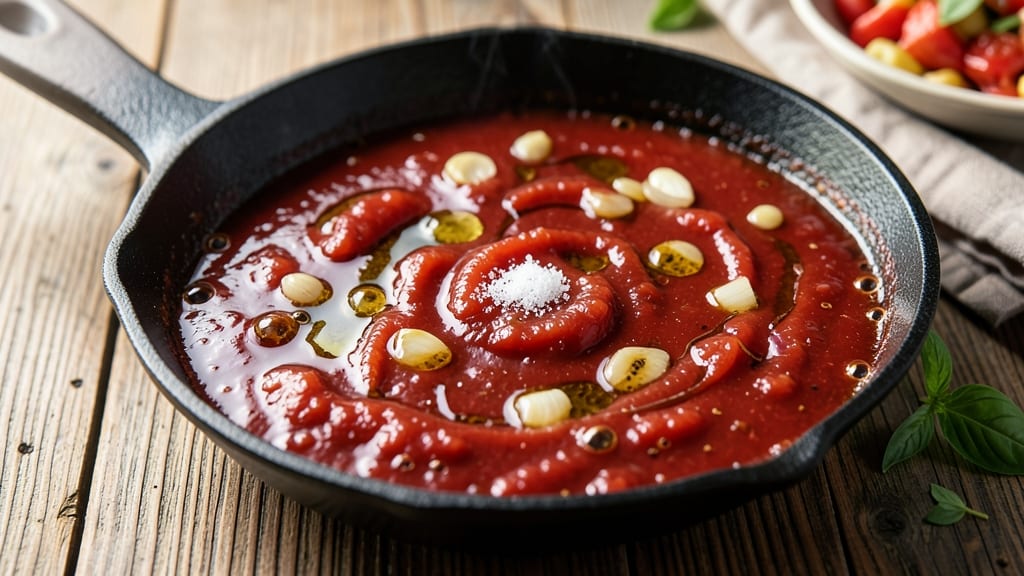
This authentic Italian tomato sauce recipe from scratch transforms simple ingredients into a slow-simmered masterpiece that deepens in flavor with every passing hour. The secret lies in patience—letting fresh tomatoes, garlic, and olive oil meld together over low heat until the sauce develops a rich, velvety texture and concentrated umami.
Unlike quick versions, this sauce builds complexity as it cooks, creating layers of flavor that elevate any dish.
What sets this recipe apart is the balance of acidity and sweetness, achieved through ripe tomatoes and a touch of sugar. Fresh basil and red pepper flakes add brightness, while a splash of white wine brightens the depth.
The result is a sauce that's restaurant-quality—perfect for pasta, pizza, or drizzled over grilled meats—but requires no shortcuts.
The process is straightforward but demands attention: chopping tomatoes by hand, simmering gently, and stirring occasionally to prevent sticking. The reward? A sauce that tastes even better the next day, with flavors that harmonize perfectly. This is the kind of sauce that makes homemade Italian cooking feel truly special.
Store it in the fridge for up to a week or freeze for months—its versatility makes it a pantry staple. Let’s create a sauce worthy of Nonna’s kitchen.
Ingredients for authentic italian tomato sauce recipe from scratch
Ten essential ingredients transform into a velvety tomato sauce with restaurant-quality depth.
| Ingredient | Amount | Notes |
|---|---|---|
| Fresh Roma Tomatoes 🍅 | 2 lbs | Ripe, firm, cored and quartered |
| Extra-Virgin Olive Oil 🫒 | ½ cup | High-quality, fruity variety |
| Yellow Onion 🧅 | 1 whole | Medium size, finely chopped |
| Garlic Cloves 🧄 | 6 cloves | Peeled, thinly sliced |
| Dry White Wine 🍷 | ¼ cup | Sauvignon Blanc preferred |
| Granulated Sugar 🍚 | 1 tbsp | Balances acidity |
| Canned San Marzano Tomatoes 🍅 | 1 can | 28 oz, crushed by hand |
| Fresh Basil Leaves 🌿 | ½ cup | Packed, finely chopped |
| Red Pepper Flakes 🌶️ | ½ tsp | Adjust for heat preference |
| Diamond Crystal Kosher Salt 🧂 | 1 tsp | Adjust to taste |
The tomatoes form the sauce's heart—Roma tomatoes are ideal for their meaty texture and low seeds, but any ripe, flavorful variety works. San Marzano canned tomatoes add concentrated sweetness when combined with fresh. For the olive oil, invest in a high-quality extra-virgin—look for bottles labeled 'fruity' or 'peppery' on the label. Fresh basil should be bright green with no wilting; garden-fresh or farmers' market leaves deliver the most aroma. The red pepper flakes should be finely crushed—Calabrian chili is authentic, but any dried red pepper works. Store all herbs and spices in airtight containers away from light to preserve their potency.
No white wine? Substitute with additional tomato juice or broth—just reduce the sugar slightly to balance. Fresh basil unavailable? Dried basil at one-third the amount works in a pinch, though it lacks the bright aroma. For a deeper flavor, add 1 tbsp tomato paste to the canned tomatoes before crushing. The sugar can be swapped for honey or maple syrup, though granulated sugar dissolves more smoothly. If you prefer less heat, omit the red pepper flakes entirely. For a meatier texture, add 1 tbsp tomato paste to the fresh tomatoes before cooking.
This sauce develops richest when made a day ahead—flavors meld beautifully after 24 hours in the fridge. Store in an airtight container with a thin layer of olive oil on top to preserve freshness for up to 7 days. For longer storage, freeze in ice cube trays—perfect for portion control. When reheating, do so gently to prevent skin formation. The sauce thickens as it cools, so add a splash of water or broth if needed before serving. Always taste before serving and adjust salt accordingly.
Why You'll Love This Recipe
- Here’s what sold me: that splash of dry white wine isn’t just flavor—it’s the secret. It cuts through the acidity of the tomatoes, leaving behind a bright, almost fresh depth that store-bought sauces can’t touch. (Yes, even on a Tuesday night.)
- No Chopping Chaos: I swear by this—just dice one onion and crush a few garlic cloves. That’s it. The Roma tomatoes? Toss them whole into the pot, simmer, and they break down into silky perfection without a single knife scrape.
- Wine Infusion Magic: Here’s what sold me: that splash of dry white wine isn’t just flavor—it’s the secret. It cuts through the acidity of the tomatoes, leaving behind a bright, almost fresh depth that store-bought sauces can’t touch. (Yes, even on a Tuesday night.)
- Pasta’s Best Friend: This sauce isn’t just for spaghetti—it’s my go-to for lasagna, bruschetta, or even a quick marinara for chicken. Freeze half for next month, and you’ve got a ready-to-go base for whatever strikes your fancy.
Step-by-step instructions for authentic Italian tomato sauce
This method delivers restaurant-quality depth through slow simmering and layered flavors.
Sweat the Onion and Garlic in Olive Oil
Heat the 0.5 cup extra-virgin olive oil in a heavy-bottomed saucepan over medium-low heat. Add the finely chopped yellow onion and cook for 8-10 minutes until completely softened and translucent. The onion should release its moisture but not brown—this creates the flavor base without bitterness.
Add the 6 cloves thinly sliced garlic and cook for another 2 minutes until fragrant. Here's the thing—garlic burns quickly, so watch it closely. When you catch that sweet, nutty aroma, it's ready. Remove the pan from heat briefly if needed to prevent color change.
Deglaze with Wine and Add Tomatoes
Return the pan to medium heat and pour in the 0.25 cup dry white wine. Stir vigorously to scrape up all the browned bits from the bottom—this releases concentrated flavor. Let it simmer for 3-4 minutes until the wine reduces by half and the alcohol cooks off completely.
Add the 2 lbs quartered fresh Roma tomatoes and 1 tbsp granulated sugar. The sugar helps balance the natural acidity of the tomatoes. Stir well to combine, then bring to a gentle boil. This initial boil helps break down the tomato skins and release their juices.
Simmer the Sauce Until Thickened
Reduce heat to low and let the sauce simmer uncovered for 45-60 minutes. Stir occasionally, especially if the sauce starts to stick to the bottom. You're looking for a reduction where the sauce coats the back of a spoon with a velvety texture. The sauce should reduce by about one-third of its original volume.
During this time, the tomatoes will break down completely, releasing their sweet, tangy essence. The sauce should develop a rich, deep red color and a slightly thickened consistency. If it reduces too quickly, add 2-3 tablespoons of water to maintain the proper texture.
Incorporate Canned Tomatoes and Season
Add the 1 can crushed San Marzano tomatoes and 1 tsp diamond crystal kosher salt. Stir well to combine, then return to a simmer for another 20-30 minutes. The canned tomatoes add body and depth, while the salt enhances all the flavors. Taste the sauce and adjust the salt if needed—Italian sauces should be seasoned but not overwhelmingly salty.
Add the 0.5 tsp red pepper flakes and stir. This adds subtle heat that complements the sweetness of the tomatoes. The sauce is now ready for the final touch of freshness.
Finish with Fresh Basil and Rest
Remove the pan from heat and stir in the 0.5 cup finely chopped fresh basil leaves. The basil should wilt slightly into the sauce, releasing its bright, aromatic flavor. Let the sauce sit off heat for 10-15 minutes—this resting period allows the flavors to meld and the sauce to thicken slightly.
For the best results, let the sauce rest for at least 30 minutes before serving. This resting time is crucial—it allows the flavors to develop fully and the sauce to reach its ideal consistency. The sauce should be thick enough to coat the back of a spoon but still have a silky, flowing texture.
Pro Tips For Making Authentic Italian Tomato Sauce Recipe From Scratch
- Char the Onion Slowly: I used to rush this step and end up with a bitter, overcooked onion mess—don’t. Slice the yellow onion thinly and cook it in olive oil over low heat for 10-12 minutes until deep golden and caramelized. The longer it sweats, the more flavor it releases, and that’s the base of your sauce.
- Blanch Tomatoes First: Skip peeling them raw—blanch the Roma tomatoes in boiling water for 30 seconds, then ice bath. The skins slip off effortlessly, and the shock preserves their bright acidity. No more struggling with stubborn skins or watery, seedy pulp.
- Deglaze with Wine: After toasting garlic in the same oil as the onion, pour in the white wine and let it bubble hard for 2-3 minutes. The alcohol burns off, leaving behind a rich, almost buttery depth that cuts through the acidity of the tomatoes. Don’t just splash it in and stir—let it work.
- Simmer Uncovered, Long: Resist the urge to cover the sauce once the tomatoes are added. A steady simmer uncovered for 45-60 minutes concentrates the flavors and thickens it naturally—no thickeners needed. The edges will darken slightly, but that’s how you know it’s done right.
Make-ahead tips for this recipe
Prep Ahead Basics
Start by prepping all ingredients the night before—chop the yellow onion and garlic cloves into fine pieces and store in airtight containers. Measure out the 2 lbs Roma tomatoes and quarter them, removing cores. This saves 20 minutes of active prep time on cooking day. 🍅
Slow Cooker Option
For hands-off cooking, transfer the sautéed onion and garlic to a 6-quart slow cooker with the 0.25 cup white wine. Add all remaining ingredients except basil, then cook on LOW for 6-8 hours.
Stir in basil at the end—this method develops deep flavor while you're away. The sauce thickens naturally in the slow cooker.
Freezer-Friendly Packaging
Portion cooled sauce into quart-sized freezer bags, squeezing out excess air to prevent freezer burn. Label with dates—this sauce stays excellent for up to 3 months. For single servings, freeze in 1-tablespoon portions in ice cube trays. Thaw overnight in the fridge before reheating.
Fridge Storage Secrets
Always store sauce in glass containers with a tight lid. Press a small piece of plastic wrap directly onto the sauce surface before sealing to prevent a skin from forming.
The sauce actually improves overnight—its flavors meld beautifully after 24 hours. Stir well before reheating to restore its silky texture.
Reheating Like a Pro
For stovetop reheating, warm sauce over low heat with a splash of water or broth to loosen its thickness. Never boil—this breaks down the delicate tomato flavors. Microwave reheating works too: heat in 30-second intervals, stirring between each, until warmed through. Always taste and adjust salt before serving.
Sauce Boosters
Want extra depth? Add 1 tbsp tomato paste when reheating or 1 crushed anchovy fillet (optional) for umami. For a smoky twist, stir in ½ tsp smoked paprika. These additions work best when added fresh—never to the original sauce before freezing. ✨
Nutrition facts
Frequently asked questions
Why does authentic Italian tomato sauce need to simmer so long?
The slow simmering (45-60 minutes) is crucial for developing deep, complex flavors. This method allows the natural sugars in tomatoes to caramelize while reducing the sauce by about one-third, creating a concentrated, velvety texture. The longer it cooks, the more the acidity mellows and the umami intensifies—just like in traditional Italian ragù.
Can I substitute canned tomatoes for all fresh tomatoes?
For the best results, use both: fresh tomatoes for the initial simmer (they add brightness) and canned San Marzano for body. If you must use only canned, crush them by hand and add 1 tbsp tomato paste to deepen the flavor. Never use pre-crushed canned tomatoes—they lack texture and depth.
What's the secret to preventing a skin from forming when refrigerated?
Press plastic wrap directly onto the sauce surface before sealing the container—this blocks air exposure. For extra insurance, add a thin layer of olive oil on top. The sauce actually improves overnight as flavors meld, but always stir well before reheating to restore its silky texture.
How do I adjust the thickness for different uses?
For pizza: keep the sauce slightly thinner (add 2 tbsp water before baking). For pasta: let it reduce until it coats the back of a spoon. To thicken after refrigeration, simmer uncovered for 5-10 minutes—never add flour or cornstarch, which ruins authentic texture.
Is it okay if my sauce tastes too acidic?
Yes! Add ½ tsp more sugar or a pinch of salt to balance acidity. For extra depth, stir in 1 tsp tomato paste or a splash of white wine. If the sauce is still too tart, simmer uncovered for 10 more minutes—the acidity will mellow as moisture evaporates.