
Sauces & Condiments
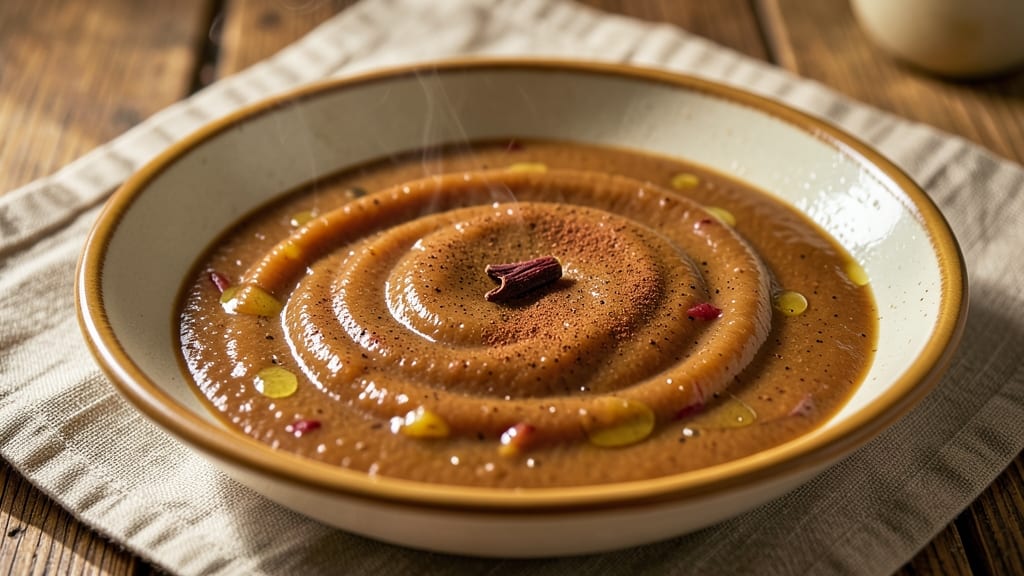
This basic apple sauce recipe transforms simple apples into a versatile, spiced condiment that’s perfect for pairing with everything from pork chops to pancakes. The secret lies in balancing sweetness, texture, and warmth—no fancy techniques required, just a pot, a peeler, and 15 minutes of hands-off cooking.
What starts as firm, tart apples becomes a smooth, velvety sauce with just the right hint of cinnamon and a touch of lemon to brighten the flavor.
The beauty of this recipe is its flexibility—use it immediately as a side dish, or store it in the fridge for up to a week. The apples release their natural sugars as they cook, creating a sauce that’s naturally sweetened without needing excessive sugar.
A splash of water keeps it light and spreadable, while a pinch of salt and a sprinkle of cinnamon add depth that elevates it beyond basic applesauce.
By the end, you’ll have a sauce that’s smooth yet slightly textured, with a fragrance that fills your kitchen and a taste that’s comforting yet bright. It’s the kind of simple recipe that feels like a hug—reliable, familiar, and endlessly useful.
Whether you’re serving it with roasted meats, spreading it on toast, or using it in baking, this applesauce delivers.
For those who love customization, you can adjust the spice level or add a dash of vanilla for extra warmth. The recipe scales effortlessly, so you can make a small batch for immediate use or double it for meal prep. Let’s get started—your kitchen (and taste buds) will thank you.
Ingredients for basic apple sauce
Six simple ingredients transform tart apples into velvety, spiced applesauce in just 15 minutes.
| Ingredient | Amount | Notes |
|---|---|---|
| Apples (Mixed Varieties) 🍎 | 4 medium | Peeled, cored, sliced |
| Water 💧 | ½ cup | Or apple juice for extra flavor |
| Granulated Sugar 🍚 | ¼ cup | Adjust to taste |
| Ground Cinnamon 🌿 | 1 tsp | For warmth |
| Lemon Juice 🍋 | 1 tbsp | Freshly squeezed |
| Salt 🧂 | ¼ tsp | Enhances all flavors |
| Vanilla Extract 🌸 | ½ tsp | Optional, for depth |
| Unsalted Butter 🧈 | 1 tbsp | For richness (optional) |
The apples are the star—mix Honeycrisp and Granny Smith for the perfect balance of sweet and tart. Local farmers markets often have the freshest varieties, but any firm, unblemished apples work. Skip the pre-sliced bags—they brown fast and lose flavor. If you're short on time, canned applesauce (unsweetened) works in a pinch, but fresh is always better. For extra ease, grab organic apples from Whole Foods or Trader Joe's—their quality shows in every bite.
No cinnamon? Pumpkin pie spice at half the amount adds warmth without overpowering. Short on sugar? Date syrup or maple syrup work beautifully—just reduce the water slightly since they're thicker. The lemon juice is key for brightness, but bottled lemon juice works fine if you don't have fresh. Want it smoother? Blend after cooking for a silky texture, or leave it slightly chunky for rustic appeal. The butter is optional but adds a lovely richness—Earth Balance vegan butter works if you're avoiding dairy.
Applesauce keeps beautifully in the fridge for up to 1 week in an airtight container. For longer storage, freeze in ice cube trays or small jars—perfect for smoothies or baking later. The sauce thickens as it cools, so add a splash of water if it gets too stiff. I always make a double batch—one for immediate use and one to freeze. It reheats perfectly in the microwave or on the stovetop, making it ideal for quick breakfasts or last-minute sides.
Why You'll Love This Recipe
- No-Peel Hassle: I’ll be real—peeling apples is a chore I skip. This recipe works just as well with skins on, and honestly? The texture gets that perfect rustic bite without extra work.
- Sweet-Spiced Magic: That first whiff of cinnamon and lemon hitting the warm apples? It’s like autumn in a jar. The sugar caramelizes just enough to balance the tartness—no cloying sweetness, just ridiculously good.
- Pantry Staple Power: Three ingredients (plus apples) and you’ve got a side, topping, or snack. Spread it on toast, mix it into oatmeal, or serve it with pork chops—it’s my go-to when I’m low on ideas but high on hunger.
- Fridge Goldmine: Make a big batch—it keeps for weeks in the fridge. I freeze half in ice cube trays for smoothies later, and the rest becomes my lazy Sunday brunch staple. Zero waste, all flavor.
Step-by-step instructions for perfect homemade apple sauce
This simple method transforms fresh apples into velvety, spiced apple sauce in minutes.
🍳 Step 1: Cook Apples Until Soft
Place the 4 medium sliced apples in a medium saucepan with the 0.5 cup water. Bring to a boil over medium-high heat, then immediately reduce to medium-low heat. Let the apples simmer uncovered, stirring occasionally, for 8-10 minutes until they're fork-tender and easily pierced with a knife.
Here's the thing—don't rush this step. The apples need to break down completely so they blend smoothly. You'll know they're ready when the edges just begin to soften and the mixture starts looking more like a thick stew than whole slices. If you see any liquid evaporating too quickly, add a splash of water to maintain moisture.
👨🍳 Step 2: Add Sweetener and Spices
Once the apples are tender, stir in the 0.25 cup granulated sugar, 1 tsp ground cinnamon, and 0.25 tsp salt. Let the mixture simmer for another 3-4 minutes until the sugar dissolves completely and the spices infuse the apples. You'll notice the sauce start to thicken slightly as the starches release from the apples.
This is where the magic happens—properly balanced sweetness and spice create that classic apple sauce flavor. Taste the mixture now and adjust the sugar if needed, adding up to 1 more tablespoon if you prefer it sweeter. The cinnamon should be aromatic but not overpowering at this stage.
🍳 Step 3: Finish with Acid and Vanilla
Remove the pan from heat and stir in the 1 tbsp lemon juice and 0.5 tsp vanilla extract. Let the sauce sit off the heat for 2-3 minutes to allow the flavors to meld. The lemon juice brightens the apples while preventing the sugar from crystallizing, and the vanilla adds that subtle depth that makes homemade sauce stand out.
I always let it cool slightly before blending because hot apple sauce can be messy to process. If you're using the optional 1 tbsp unsalted butter, now's the time to add it—stir until completely melted and incorporated. The butter adds incredible richness that pairs perfectly with the spiced apples.
🥘 Step 4: Blend Until Smooth (Optional)
For classic smooth apple sauce, transfer the mixture to a blender or food processor. Pulse until completely smooth, scraping down the sides as needed. If you prefer some texture, simply mash the apples with a potato masher instead of blending. The choice is yours—both versions are delicious!
Here's a pro tip: If your sauce is too thick after blending, simply add a splash of hot water or apple juice to reach your desired consistency. For a glossy finish, press the sauce through a fine-mesh sieve to remove any remaining skin bits. The final texture should be velvety with just enough body to coat the back of a spoon.
Pro Tips For Making Basic Apple Sauce
- PEEL THE CORES FIRST: I learned this the hard way—peeling and slicing whole apples is a nightmare. Toss them in a bowl of water with a splash of lemon juice while you peel, core, and chop. The acid keeps them from browning, and you won’t waste time scrubbing off skin later.
- START HOT, END LOW: Crank the heat to medium-high until the apples release their juices, then drop it to a simmer. I used to let it boil gently, and the sauce always ended up watery. High heat gets the breakdown started fast, while low heat finishes it smooth.
- WEIGH THE SUGAR: Measuring sugar by volume leads to guesswork. Use a kitchen scale for ¼ to ½ cup—adjust based on how tart your apples are. A spoonful of lemon juice can replace some sugar if you prefer less sweetness, but taste as you go.
- STRAIN FOR SMOOTHNESS: Skip the food mill if you hate cleanup, but a fine-mesh sieve removes skins and seeds for a silky texture. Press the apples with a wooden spoon—it’s messy, but worth it for that restaurant-quality finish. (Yes, even if you’re impatient like me.)
Storing and reheating this dish
Fridge Storage Tips
Let your applesauce cool completely before transferring it to an airtight glass container—I love using Pyrex with snap-on lids for easy storage.
Store it in the fridge at 40°F or below for up to 1 week, though I find the flavor actually improves after 2-3 days as the spices meld. The sauce will thicken slightly as it chills, so add a splash of water if you prefer it more spreadable. 💫
Freezer-Friendly Methods
For longer storage, portion your applesauce into ice cube trays or small mason jars, leaving ½ inch headspace for expansion. Freeze for up to 3 months—these portions are perfect for smoothies or baking later.
When ready to use, thaw overnight in the fridge or reheat directly from frozen in the microwave. For a quick breakfast, I often freeze single-serving portions in silicone molds for easy grab-and-go servings.
Reheating Perfection
Stovetop reheating gives the best texture. Transfer your applesauce to a small saucepan and heat over low-medium heat, stirring occasionally, until warmed through (165°F internal temperature). Add 1-2 tablespoons of water or apple juice if it thickens too much.
For microwave reheating, cover with a damp paper towel and heat in 30-second intervals, stirring between each, until warmed. The butter (if used) will melt beautifully, adding richness back to the sauce. 🔥
Texture Recovery
If your refrigerated applesauce thickens too much, simply stir in 1-2 teaspoons of water or apple cider until you reach your preferred consistency. For freezer-thawed sauce that separates, blend again briefly to recombine.
I’ve found that adding a pinch of lemon juice while reheating helps restore brightness if the sauce tastes flat after storage. The key is gentle heat—never boil, or you’ll risk breaking down the delicate apple flavors.
Portion Control
Use small ramekins or silicone cupcake liners for single-serving portions—these freeze beautifully and reheat in just 1 minute in the microwave. For meal prep, divide your batch into 4-ounce portions (about ½ cup) in glass storage containers with tight seals.
Label with dates to track freshness. I keep one container in the fridge for immediate use and freeze the rest for later—this way, I always have applesauce on hand for quick meals or snacks. ✨
Nutrition facts
Frequently asked questions
Can I use any type of apples for this recipe?
For the best results, mix sweet and tart varieties like Honeycrisp and Granny Smith. Tart apples like Granny Smith add brightness, while sweeter varieties like Gala or Fuji balance the flavor. Avoid overly soft apples like Red Delicious—they break down too quickly and make the sauce mushy.
How do I fix applesauce that's too thick or too thin?
For thick sauce, stir in 1-2 teaspoons of water or apple juice until smooth. Too thin? Simmer uncovered for 2-3 extra minutes to evaporate excess liquid. If it's still too thin after cooking, blend in 1 tablespoon of cornstarch mixed with 1 tablespoon water and simmer for another minute.
Can I make applesauce without sugar?
Omit the sugar and rely on naturally sweet apples like Fuji or Gala. For tart varieties, add 1-2 teaspoons of maple syrup or date syrup instead. The sauce will be less sweet but still delicious—just adjust the lemon juice to 2 tablespoons to balance the tartness.
Why did my applesauce turn grayish after cooking?
This happens when apples oxidize due to exposure to air. To prevent it, add 1 tablespoon of lemon juice to the cooking water or cover the pan while simmering. If it already happened, stir in a bit more lemon juice or a pinch of salt—the acidity will brighten the color and flavor.
What are the best ways to use leftover applesauce?
Spread it on toast, mix into oatmeal, or use it as a glaze for roasted meats like pork chops. It also works as a pie filling substitute or in smoothies. For baking, reduce it by simmering to make a thick spread for muffins or cakes—just 1 cup of sauce replaces ½ cup of butter or oil in recipes.