
Sauces & Condiments
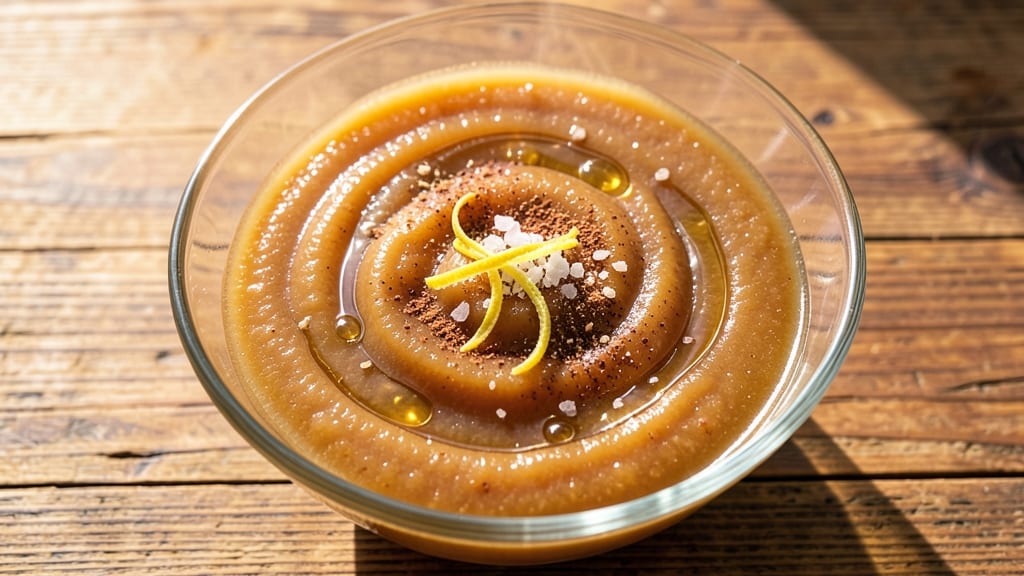
This applesauce with apple juice recipe transforms simple ingredients into a velvety-smooth condiment that’s naturally sweet and perfect for both sweet and savory dishes. The secret lies in using apple juice as the liquid base, which preserves the fruit’s delicate flavor while creating a texture that’s silky without added sugar.
I developed this method after realizing how often store-bought versions fell short—either too thick, too sweet, or lacking that fresh apple essence.
The process is straightforward: peeled apples simmered with apple juice until tender, then blended until perfectly smooth. No artificial sweeteners or thickeners are needed—the juice naturally balances the fruit’s natural sweetness while keeping the sauce light and spreadable.
This version works beautifully as a topping for oatmeal, a glaze for roasted meats, or even a filling for pastries, all while staying true to its wholesome origins.
What sets this recipe apart is its versatility. Use it as a healthy substitute for sugar in baking, drizzle it over yogurt for a fruity twist, or serve it alongside pork chops for a tangy contrast.
The applesauce keeps well in the refrigerator for up to a week, making it an easy pantry staple for quick meals or holiday baking. No added sugar means you control the sweetness—adjust to taste with a splash of lemon juice if needed.
For those who prefer a spiced variation, a pinch of cinnamon or nutmeg adds warmth without overpowering the apple’s natural flavor. The recipe scales effortlessly, so you can make a small batch for immediate use or double it for meal prep.
Whether you’re aiming for a classic applesauce or a gourmet twist, this method delivers consistent, restaurant-quality results every time.
Ingredients for applesauce recipe with apple juice
Seven simple ingredients create velvety applesauce with natural sweetness and restaurant-quality texture.
| Ingredient | Amount | Notes |
|---|---|---|
| Apples (Honeycrisp or Fuji preferred) 🍎 | 4 medium | Peeled and cored |
| Unsweetened Apple Juice 🍏 | 1 ½ cups | 100% apple juice, no additives |
| Lemon Juice 🍋 | 1 tbsp | Freshly squeezed for brightness |
| Ground Cinnamon 🌿 | ½ tsp | Optional for warmth |
| Ground Nutmeg 🌿 | ¼ tsp | Freshly grated preferred |
| Pinch of Salt 🧂 | ¼ tsp | Enhances flavor balance |
| Granulated Sugar (optional) 🍚 | 1 tbsp | Adjust to taste if needed |
The apples are the foundation—Honeycrisp or Fuji deliver the perfect balance of sweetness and tartness. Local farmers markets often have fresh, firm apples that hold up better during cooking. If using organic apples, no need to peel—the skin adds texture and nutrients. For maximum flavor, avoid apples with bruises or soft spots. The apple juice should be 100% juice with no added sugar—brands like Mott's Unsweetened or Tree Top work perfectly. When selecting apples, look for vibrant color and firmness, as these indicate peak freshness and optimal flavor extraction during cooking.
No apple juice? Substitute with unsweetened apple cider at the same quantity, though the texture may be slightly thicker. Fresh lemon juice can be replaced with bottled lemon juice, though the flavor will be slightly less bright. Want to skip the spices? The applesauce will still be delicious—just more neutral in flavor. For a spiced variation, add a pinch of cardamom or allspice for complexity. The optional sugar is truly optional—this recipe balances sweetness naturally, but you can adjust to taste if your apples are particularly tart. If your applesauce turns out too thick, simply add a splash of water or extra apple juice and blend again.
This applesauce keeps beautifully in an airtight container in the refrigerator for up to 7 days. For longer storage, freeze in ice cube trays or small containers for up to 6 months. The texture may thicken slightly after refrigeration—just stir in a splash of apple juice to restore smoothness. For meal prep, portion into small jars for quick use on toast, yogurt, or as a topping for oatmeal. The sauce also freezes exceptionally well, making it a perfect make-ahead condiment for holiday meals or gift-giving.
Why You'll Love This Recipe
- No-Core Chopping Needed: I swear by Honeycrisp apples here—tough skin means fewer knife mishaps, and the juice does half the work for you. Just peel, core, and toss chunks into the pot; the applesauce blends smooth as butter without fuss.
- Spiced Like Fall Morning: That pinch of nutmeg and cinnamon? It’s the secret weapon. The apple juice keeps it from tasting dry, while the lemon brightens every spoonful—like dessert and breakfast had a baby. Honestly, I make this just to eat straight from the pot.
- Weeknight Meal Glue: Spread it on toast when you’re rushed, stir it into oatmeal for instant coziness, or drizzle it over pancakes like syrup. The leftovers? They last a solid week in the fridge, saving me from takeout when I’m wiped.
- Budget-Smart Pantry Hero: Apples and juice are cheap staples, and this recipe stretches them far. I’ll be real: it’s my go-to when grocery money’s tight, but you’d never guess it’s not some fancy store-bought version. (Yes, even on a Tuesday night.)
Step-by-step instructions for applesauce with apple juice
Transform simple apples and juice into velvety applesauce with natural sweetness and perfect texture.
Prepare and Cook the Apples
Core and peel the 4 medium Apples (Honeycrisp or Fuji preferred) using a sharp paring knife. I like to work over a bowl to catch any scraps for compost. Cut each apple into ½-inch chunks—uniform size ensures even cooking. Transfer the apple pieces to a medium saucepan.
Add the 1.5 cups Unsweetened Apple Juice and bring to a gentle boil over medium-high heat. Once boiling, immediately reduce heat to medium-low. This adjustment prevents scorching while maintaining steady simmering. Cover the pan with a lid and let the apples cook for 12-15 minutes, stirring occasionally. You'll know they're ready when the apples break down easily with a fork and the mixture thickens noticeably.
Add Aromatics and Seasonings
Stir in the 1 tbsp Lemon Juice, 0.5 tsp Ground Cinnamon, 0.25 tsp Ground Nutmeg, and 0.25 tsp Pinch of Salt. The lemon juice brightens the flavor while the spices create warm, comforting notes. If you prefer slightly sweetened applesauce, add the 1 tbsp Granulated Sugar now. Let the mixture simmer uncovered for an additional 5-7 minutes, stirring frequently. This allows the flavors to meld and the sauce to thicken to your desired consistency.
Here's the thing—if you want a smoother texture, use an immersion blender now to purée while still hot. For chunkier applesauce, skip blending. The choice depends entirely on your preference, but both methods yield delicious results.
Adjust Consistency and Finish Cooking
Taste the applesauce and adjust seasoning if needed. The natural sweetness from the apples and juice should balance perfectly, but you might want to add a pinch more salt or cinnamon. For a thicker sauce, simmer uncovered for another 5 minutes to evaporate excess liquid. If it's too thick, stir in 1-2 tablespoons of water or apple juice to reach your preferred consistency.
Real talk: the sauce should coat the back of a spoon but still be spoonable. If it's too thin, return it to low heat and cook longer. If it's too thick, add liquid gradually while stirring. This final adjustment ensures the perfect texture whether you serve it warm or chilled.
Serve and Store Properly
Transfer the applesauce to a serving bowl or individual ramekins. Let it cool to room temperature if serving chilled, or serve immediately while warm. The warm version pairs beautifully with roasted meats or as a comforting dessert, while chilled applesauce works perfectly with breakfast or yogurt.
For storage, transfer any leftovers to airtight containers and refrigerate for up to 5 days. The flavor actually improves slightly as it sits, developing deeper complexity. When reheating, warm gently in a saucepan over low heat or microwave in 30-second intervals, stirring between each, to maintain its silky texture.
Pro Tips For Making Applesauce Recipe With Apple Juice
- Use a Dutch Oven for Even Cooking: I learned this the hard way—skinnier pots burn the bottom while leaving the middle undercooked. A Dutch oven distributes heat better, so the applesauce thickens smoothly without scorching. (Yes, even if you’re impatient like me, don’t rush the simmer—low and steady wins.)
- Core Apples First, Peel Later: Peeling raw apples is a hassle, but coring and slicing them first makes prep faster. Toss the whole chunks (peels and all) into the pot with the apple juice—simmering softens everything, and you can peel off skins easily after cooking. (Your future self will thank you for skipping that step.)
- Add Spices Late, Stir Well: Dumping cinnamon and nutmeg at the start makes them bitter. Wait until the apples are tender, then stir in the spices with the lemon juice. Let it cook just 2 more minutes—this keeps the flavors bright and balanced, not cloying. (I used to overdo it, but less is more here.)
- Simmer Until Juice Reduces: Don’t stop when the apples are soft—keep cooking until the apple juice reduces by half. This concentrates the natural sweetness and gives that perfect thick-but-smooth texture. (Use a spoon to check: if it coats the back but isn’t gluey, you’re golden.)
Storing and reheating your applesauce recipe with apple juice
Refrigerator Storage
Store your homemade applesauce in an airtight glass container—I prefer Pyrex with snap-on lids—and keep it refrigerated for up to 7 days. The sauce thickens slightly as it cools, so stir in 1-2 tablespoons of apple juice if you prefer a smoother texture before serving.
The flavors actually deepen over time, making it taste even better the next day. 💫
Freezer-Friendly Tips
For longer storage, freeze your applesauce in ice cube trays or small quart-sized freezer bags (leave ½-inch headspace for expansion). Portion into 1-tablespoon servings for easy thawing—perfect for quick breakfasts or baking.
Thaw overnight in the fridge or microwave in 20-second bursts until just melted. Avoid refreezing thawed portions to prevent texture changes.
Reheating Like a Pro
To maintain that silky texture, reheat on the stovetop: pour into a saucepan over low heat and stir frequently for 3-5 minutes. Microwave reheating? Use 50% power in 30-second intervals, stirring between each, to prevent uneven heating.
If the sauce separates, whisk in a splash of warm apple juice to restore smoothness. 🔥
Texture Recovery
If your refrigerated applesauce thickens too much, simply stir in 1-2 tablespoons of warm apple juice or water. For a chunkier texture, mash with a fork instead of blending.
The key is consistency—adjust gradually while tasting. I’ve found that Fuji apples hold their shape better after refrigeration than Honeycrisp, so choose your variety wisely if texture is critical.
Meal Prep Hacks
Portion into small jars for grab-and-go breakfasts or snack pairings. Label with the date—this sauce stays fresh for up to 3 months in the freezer without losing flavor.
For holiday gifting, freeze in mini mason jars with a ribbon tie. Thaw overnight before serving to preserve the perfect consistency. 💡
Savory vs. Sweet Uses
Warm applesauce pairs beautifully with roasted pork tenderloin or baked chicken, while chilled versions elevate overnight oats or Greek yogurt. For a glazed ham, brush on during the final 10 minutes of baking—the sauce caramelizes beautifully.
Store leftovers separately for each use to avoid flavor cross-contamination. ✨
Nutrition facts
Frequently asked questions
Can I use store-bought apple juice instead of fresh?
This recipe works perfectly with 100% unsweetened store-bought apple juice. Look for brands without added sugar or preservatives—this ensures your applesauce stays naturally sweet and smooth. Brands like Mott's or Tree Top are excellent choices. The key is using juice that's just apples, nothing extra.
How do I adjust the sweetness if my apples are tart?
Start by tasting the applesauce before adding sugar. If it needs sweetness, begin with just ½ teaspoon of sugar and adjust gradually. For a natural boost, stir in ½ teaspoon of honey or maple syrup instead. The apple juice already provides sweetness, so you rarely need more than 1 tablespoon total—if that!
Can I make this applesauce without cinnamon?
Yes! The cinnamon is optional and adds warmth, but the applesauce will still be delicious without it. For a different flavor twist, try ½ teaspoon of vanilla extract or a pinch of cardamom. The lemon juice and nutmeg provide enough brightness and depth on their own. The natural sweetness from the apples and juice will shine through.
Why did my applesauce turn out too thick?
This usually happens when too much liquid evaporates during cooking. To fix it, stir in 1-2 tablespoons of warm apple juice or water while the sauce is still warm. For prevention, reduce the heat slightly during simmering or cover the pan more tightly. If you prefer chunkier applesauce, simmer uncovered for 5 minutes less and blend less aggressively.
What are the best apples to use for this recipe?
For the smoothest texture, use Honeycrisp, Fuji, or Gala apples—they're naturally sweet and hold up well during cooking. Avoid overly tart varieties like Granny Smith unless you plan to add extra sweetener. Peeled apples create the silkiest sauce, but if you prefer to keep the skins, use organic apples and blend thoroughly for a smoother result.