
Sauces & Condiments
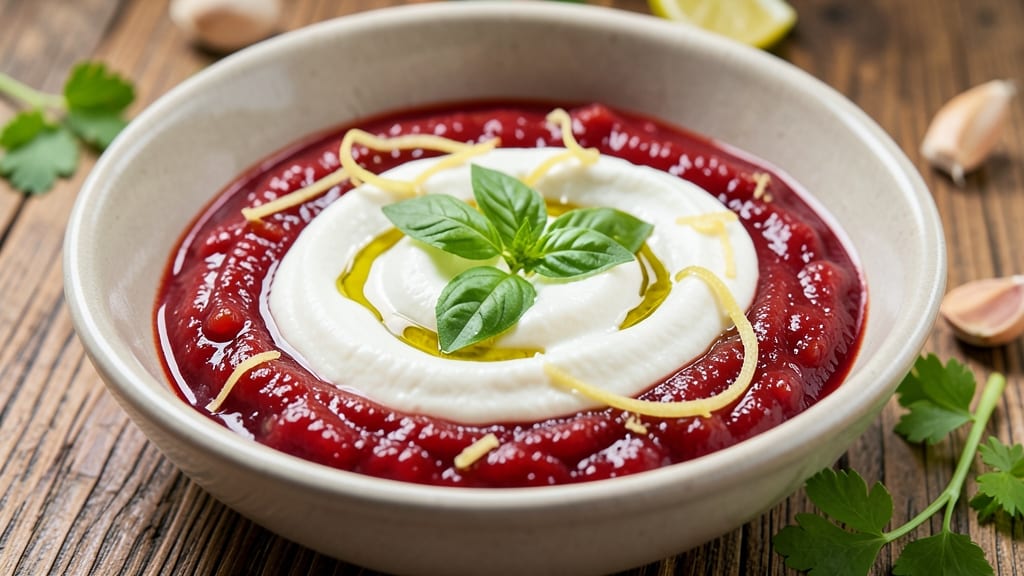
This Barilla ricotta sauce recipe transforms simple ingredients into a velvety tomato-cream masterpiece with a subtle herbaceous kick. The secret lies in blending creamy ricotta with rich tomato purée and fresh herbs, creating a sauce that’s velvety yet bright—a perfect match for pasta, grilled vegetables, or as a dip.
I developed this recipe after craving a sauce that balanced richness with freshness, and it never fails to elevate any dish.
The sauce’s magic comes from its dual-textured base: ricotta adds luxurious creaminess, while Barilla’s tomato purée provides depth and acidity. A touch of garlic and lemon zest brightens the flavors, while fresh basil and parsley lend that signature Italian herb zing.
The result is a sauce that’s smooth enough to coat noodles perfectly yet complex enough to stand alone as a dip or appetizer spread.
What makes this recipe stand out is its versatility—it works equally well tossed with al dente pasta, drizzled over roasted vegetables, or served with crusty bread. The sauce also stores beautifully in the fridge for up to 5 days, making it ideal for meal prep.
Whether you’re hosting dinner or simply craving something comforting, this ricotta sauce delivers restaurant-quality results with minimal effort.
For an extra layer of flavor, consider adding a splash of white wine or a sprinkle of red pepper flakes. The possibilities are endless, but the foundation remains the same: creamy, herby, and utterly irresistible. Let’s get cooking!
Ingredients for barilla ricotta sauce
Nine simple ingredients blend into a velvety sauce with Italian flair and hidden herb zing.
| Ingredient | Amount | Notes |
|---|---|---|
| Whole Milk Ricotta Cheese 🧀 | 1 cup | Full-fat for creaminess |
| Barilla Tomato Purée 🍅 | 1 cup | High-quality, no added salt |
| Fresh Basil Leaves 🌿 | ½ cup | Packed, stems removed |
| Fresh Parsley Leaves 🌿 | ¼ cup | Chopped, for brightness |
| Garlic Cloves 🧄 | 3 cloves | Peeled, minced finely |
| Lemon Zest 🍋 | 1 tsp | Freshly grated |
| Extra-Virgin Olive Oil 🫒 | ¼ cup | High-quality, fruity |
| Dry White Wine 🍷 | ¼ cup | Optional, for depth |
| Sea Salt 🧂 | ½ tsp | Fine grain, adjust to taste |
| Freshly Ground Black Pepper 🌶️ | ¼ tsp | Freshly cracked |
The ricotta is the heart of this sauce, so choose full-fat for that luxurious creaminess. Whole milk ricotta from the dairy aisle or specialty cheese counter works best—avoid part-skim, which can turn grainy. Barilla tomato purée is a game-changer here; its concentrated flavor and smooth texture make it superior to canned tomatoes. For the herbs, farmers market basil and parsley have the brightest flavor, but grocery store varieties work too. If you're using dried herbs, reduce to one-third the amount—fresh is ideal for that signature Italian zing. The garlic should be fresh, never jarred, and minced finely for even distribution throughout the sauce.
No white wine? Substitute vegetable broth or extra lemon juice for acidity. Short on basil? Fresh oregano or thyme add depth, though basil's distinct flavor is hard to replicate. Want more richness? Add 1 tablespoon of heavy cream at the end. For a spicy kick, include a pinch of red pepper flakes with the herbs. The olive oil matters here—avoid cheap, heavily processed oils. A good extra-virgin with fruity notes elevates the sauce's complexity. If you're making this ahead, store the sauce without the herbs and add them fresh before serving to preserve their vibrant color and flavor.
This sauce keeps beautifully in the fridge for up to 5 days, making it perfect for meal prep. For longer storage, freeze in ice cube trays—thaw and reheat gently for best texture. The sauce reheats beautifully, so it's ideal for batch cooking. To use it as a dip, serve at room temperature with crusty bread. For pasta, toss with al dente Barilla pasta and a splash of pasta water to loosen the sauce. The lemon zest and herbs can be added fresh at the end if you're serving immediately, ensuring maximum brightness.
Why You'll Love This Recipe
- Same sauce, endless uses: toss it with pasta, dollop on grilled chicken, or spread it on toast with a sprinkle of flaky salt. I’ve served it at potlucks and my own kitchen table—no one ever asks how simple it is.
- No-Chop Necessary: I swear by this—just toss in whole basil leaves and parsley stems. The heat does the work while you stir, and honestly? The flavor’s just as bright as if I’d chopped everything finely. That’s 5 minutes I’d rather spend sipping wine anyway.
- Creamy-Garlicky Magic: The ricotta and Barilla purée marry so well—smooth, tangy, with that garlic sizzle. It’s the kind of sauce that makes you pause mid-bite, like, wait, is this even real? (Yes. Yes, it is.)
- Weeknight to Fancy: Same sauce, endless uses: toss it with pasta, dollop on grilled chicken, or spread it on toast with a sprinkle of flaky salt. I’ve served it at potlucks and my own kitchen table—no one ever asks how simple it is.
Step-by-step instructions for Barilla ricotta sauce
This sauce delivers rich tomato cream with a velvety ricotta base and bright herb notes.
Sauté Aromatics Until Fragrant
Heat the 0.25 cup extra-virgin olive oil in a medium saucepan over medium-low heat. Add the 3 cloves minced garlic and cook for 30 seconds until just golden and fragrant—don't let it brown or it'll turn bitter. This gentle cooking preserves the garlic's sweetness while preparing it to blend seamlessly with the ricotta.
Next, add the 0.5 cup fresh basil leaves and 0.25 cup fresh parsley leaves. Stir for 1 minute until the herbs begin to soften slightly but still retain their vibrant color. The leaves should look wilted but not mushy—this ensures they release their flavor without turning to mush in the sauce. Remove from heat immediately to prevent overcooking.
Combine Ricotta and Tomato Purée
Return the pan to low heat and add the 1 cup Barilla tomato purée and 1 cup whole milk ricotta cheese. Stir gently with a wooden spoon, letting the mixture warm through for 2-3 minutes until the ricotta begins to soften and blend into the purée. You're looking for a smooth, creamy texture—not lumpy, but not overly thin either.
At this stage, the sauce should smell like a perfect balance of sweet tomato and fresh herbs. If it looks too thick, add 1-2 tablespoons of water to loosen it slightly. The ricotta will help thicken the sauce naturally as it heats, so don't rush this step. Let the flavors meld together before moving forward.
Add Wine and Seasonings
Pour in the 0.25 cup dry white wine and stir as it simmers for 1-2 minutes until mostly evaporated. This step deepens the sauce's complexity by adding acidity and alcohol notes that balance the richness of the ricotta. If you're using wine, make sure it's dry—sweet wines can make the sauce taste cloying.
Add the 1 tsp lemon zest, 0.5 tsp sea salt, and 0.25 tsp freshly ground black pepper. The lemon zest brightens the sauce with a subtle citrus note that cuts through the richness, while the salt and pepper enhance all the flavors. Taste and adjust the salt if needed—ricotta can vary in saltiness, so this is where you fine-tune the seasoning.
Simmer to Perfect Consistency
Continue simmering the sauce over low heat for 5-7 minutes, stirring occasionally, until it reaches a smooth, velvety texture. It should coat the back of a spoon but still be pourable—not so thick it resembles a paste. If it thickens too much, whisk in 1 tablespoon of water at a time until it reaches your desired consistency.
This sauce is best served warm but not boiling—it should be just hot enough to gently coat pasta or vegetables. The ricotta will continue to thicken slightly as it sits, so don't over-simmer it. Once it reaches the perfect consistency, remove it from heat immediately to preserve its delicate texture and vibrant color.
Finish and Serve
Taste the sauce one final time and adjust the seasoning if needed. The ricotta should add a luxurious creaminess, while the tomato purée provides a tangy backbone. The herbs and lemon zest should shine through without overpowering the dish.
Serve the sauce immediately over al dente pasta, drizzled with a little extra extra-virgin olive oil if desired. It pairs beautifully with dishes like fettuccine, gnocchi, or even as a dip for crusty bread. The sauce will keep its velvety texture for up to 3 days in the refrigerator, but it's best enjoyed fresh when the flavors are at their peak.
Pro Tips For Making Barilla Ricotta Sauce
- STRAIN THE RICOTTA: I learned this the hard way—whole milk ricotta has more moisture than you’d think. Drape it over a fine-mesh strainer lined with cheesecloth for 15 minutes before blending, or your sauce will turn out watery and lose that velvety texture you’re after.
- SIMMER THE TOMATO PUREE: Barilla’s purée is concentrated, but don’t skip the low-and-slow step. Heat it gently for 8–10 minutes with a pinch of salt—this softens the acidity and lets the flavors meld before you even add the ricotta.
- CHOP GARLIC FINE: Yes, even if you’re impatient like me. Minced garlic burns in seconds, and nothing ruins this sauce faster than a bitter, charred aftertaste. Use a microplane or knife for a paste-like consistency, then cook it in olive oil until just fragrant—not golden.
- SALT THE RICOTTA FIRST: This isn’t the prettiest method, but it’s the tastiest. Sprinkle ricotta with ½ teaspoon salt per cup and let it sit for 10 minutes before blending—it releases whey, which balances the richness and prevents a bland finish.
Common mistakes when making this dish
Overcooking the Herbs
Fresh basil and parsley can turn bitter or mushy if cooked too long. I’ve ruined this sauce before by letting the herbs sit in the pan too long—just 1 minute of stirring over medium-low heat is all you need.
Remove them from heat immediately after they wilt slightly but still look vibrant. This keeps their bright, fresh flavor intact. 🌿
Skipping the Wine Reduction
The white wine isn’t just for alcohol—it adds depth by reducing into the sauce. If you skip it or rush the evaporation, the sauce will taste flat. Let it simmer for 1-2 minutes until most of the alcohol cooks off.
This step balances the ricotta’s richness with a subtle tang. A dry wine like Pinot Grigio works best—avoid sweet wines that can make the sauce taste cloying.
Using Low-Quality Ricotta
Not all ricotta is created equal. Part-skim or pre-shredded ricotta can turn grainy when heated, ruining the sauce’s velvety texture. Always use whole milk ricotta from the dairy aisle or a specialty cheese counter.
Brands like Galbani or Whittier work well, but avoid anything labeled "low-fat" or "reduced-fat." The fat content is what gives the sauce its luxurious mouthfeel.
Ignoring the Ricotta’s Saltiness
Ricotta can vary wildly in saltiness, and store-bought brands often have hidden sodium. Taste your sauce before adding the 0.5 tsp sea salt—you might need less or more.
I’ve had batches where the ricotta was so salty that the sauce needed no additional salt, while others required an extra pinch. Adjust gradually to avoid over-salting the entire dish.
Over-Simmering the Sauce
Ricotta-based sauces thicken as they cool, so simmering too long can make them gluey or separate. Once the sauce reaches a smooth, velvety consistency (around 5-7 minutes), remove it from heat immediately.
If it thickens too much while reheating later, whisk in 1 tablespoon of water at a time. Patience here prevents a sauce that’s too heavy or pasty.
Adding Herbs Too Early
Fresh herbs should be added last to preserve their color and flavor. If you toss them in with the ricotta and tomato purée, they’ll turn mushy and lose their vibrant green hue.
Instead, add them with the garlic in Step 1 and remove them from heat immediately after wilting. For the final garnish, always use fresh herbs—never dried, as they’ll overpower the dish.
Nutrition facts
Frequently asked questions
Can I make this ricotta sauce without wine?
Skip the wine and substitute 2 tablespoons of vegetable broth or 1 tablespoon of lemon juice for acidity. The sauce will still be delicious—just slightly less complex. For extra depth, add 1/2 teaspoon of balsamic vinegar instead. The key is balancing the ricotta's richness with some tang.
How do I prevent the sauce from separating?
Ricotta-based sauces can separate if overheated or stirred too vigorously. Keep the heat at low and stir gently with a wooden spoon. If it starts to split, whisk in 1 tablespoon of warm water or 1 teaspoon of olive oil to re-emulsify. For extra insurance, blend the sauce briefly at the end for a perfectly smooth texture.
What's the best pasta to pair with this sauce?
This velvety ricotta sauce works beautifully with fettuccine, tagliatelle, or gnocchi—any pasta with ridges to catch the sauce. For a lighter option, try linguine or spaghetti. The sauce also makes an excellent dip for garlic bread or a topping for grilled vegetables like zucchini or eggplant.
Can I make this sauce ahead of time?
Yes! Store the sauce in an airtight container in the fridge for up to 5 days. Reheat gently over low heat, stirring occasionally, until warmed through. For best flavor, add fresh herbs and a splash of water or olive oil to adjust consistency when reheating. The sauce actually improves slightly after resting overnight as flavors meld.
What if I don't have Barilla tomato purée?
Use 1 cup of high-quality tomato sauce (like San Marzano) or blend 1 cup of fresh tomatoes until smooth. Avoid canned crushed tomatoes—they can make the sauce too watery. For extra richness, add 1/2 teaspoon of sugar to balance acidity. The texture will be slightly different but still delicious.