
Sauces & Condiments
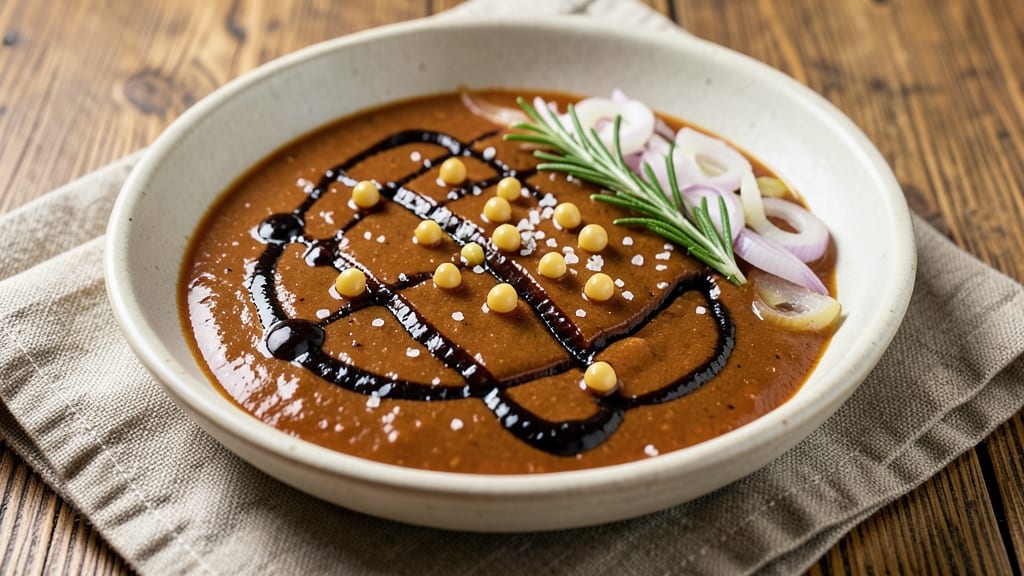
This balsamic vinegar barbecue sauce recipe transforms ordinary grilled meats into something extraordinary—deep umami richness with a perfect balance of sweetness and tang. 🔥 As a pitmaster who's spent years perfecting sauce techniques, I can tell you this isn't your typical BBQ glaze.
The balsamic vinegar adds complexity that cuts through fatty meats while caramelizing into a glossy finish that'll make your taste buds sing.
The secret lies in the slow reduction process where we combine tomato paste, vinegar, and spices until it reaches that ideal syrupy consistency—thick enough to cling but still glossy enough to glaze.
No artificial ingredients here, just real flavors built layer by layer. This sauce works wonders on ribs, chicken, or even vegetables, adding depth that store-bought versions simply can't match.
What makes this recipe truly special is how it elevates any dish without overpowering it. The balsamic vinegar brings that sophisticated tang, while brown sugar and molasses provide just enough sweetness to balance the acidity. The result? A sauce that's versatile enough for weeknight dinners but impressive enough for company.
Once you try this, you'll never go back to bottled sauces again. The best part? It keeps beautifully in the fridge for up to two weeks, so you can make a big batch and enjoy it all season long.
Let's get cooking—your grill is about to become the star of the show.
Ingredients for balsamic vinegar barbecue sauce
Nine simple ingredients, one extraordinary sauce—your grill just got an upgrade.
| Ingredient | Amount | Notes |
|---|---|---|
| Balsamic Vinegar 🍷 | ½ cup | Aged 10+ years for depth |
| Tomato Paste 🍅 | ½ cup | San Marzano preferred |
| Brown Sugar 🍚 | ½ cup | Light or dark preferred |
| Molasses 🍯 | 2 tbsp | Unsulphured for best flavor |
| Garlic Cloves 🧄 | 4 cloves | Minced for aromatic base |
| Onion Powder 🧅 | 1 tbsp | Freshly ground preferred |
| Smoked Paprika 🌶️ | 1 tbsp | For subtle smokiness |
| Ground Black Pepper 🌶️ | ½ tsp | Freshly cracked |
| Extra-Virgin Olive Oil 🫒 | ¼ cup | For richness and gloss |
| Water 💧 | ¼ cup | For thinning consistency |
The balsamic vinegar is non-negotiable here. Aged 10+ years from Trader Joe's or Whole Foods gives that deep, complex flavor—regular grocery store stuff just won't cut it. Look for bottles labeled 'extra aged' or 'barrel-aged'. The tomato paste? San Marzano is the gold standard, but any quality paste works. I always grab the 26 oz can from the Italian aisle—it's worth the extra few bucks. For the brown sugar, light or dark both work, but light gives a cleaner finish. The molasses? Unsulphured is key—it's sweeter and more flavorful.
No aged balsamic? Regular balsamic vinegar plus a splash of red wine gets you close, but it won't have that same depth. Short on tomato paste? Crushed tomatoes at half the amount works in a pinch, but you'll need to reduce longer. The garlic can be garlic powder at one-third the amount if fresh isn't available, but I'd rather eat the extra 30 seconds to mince it. For the olive oil, any extra-virgin will do—just avoid the cheap stuff that tastes like soap. The water is just for thinning if needed, but you might not even use all of it.
This sauce keeps beautifully—2 weeks in the fridge or 6 months in the freezer. I make double batches because it disappears fast. For freezing, portion into ice cube trays first, then transfer to a bag. Thaw overnight in the fridge before using. The sauce thickens as it cools, so if it's too thick when cold, just add a splash of water. Trust me, you'll want to make this again and again.
Why You'll Love This Recipe
- Five-Ingredient Magic: I swear, this sauce comes together with just a pot, a whisk, and 15 minutes of my time. No fancy gadgets—just balsamic vinegar, tomato paste, and a pinch of brown sugar to tie it all together. Honestly, the hardest part is waiting for it to simmer.
- Sweet-Savory Balance: That molasses and brown sugar combo? It’s where this sauce gets its addictive kick. The balsamic vinegar cuts through the richness, while the roasted garlic adds a deep, toasty warmth—like a hug in every bite.
- Weeknight & Weekend: Slather it on grilled chicken for a Tuesday dinner, toss it with roasted veggies for a Sunday spread, or even drizzle it over pizza crusts when I’m feeling fancy. It’s the kind of sauce that works just as hard as I do.
- Leftovers That Don’t Suck: This stuff actually improves the next day—thicker, richer, and even more flavorful. I make a double batch on Sundays, freeze half, and pull it out whenever I need a quick, restaurant-worthy boost without the takeout cost.
Step-by-Step instructions for balsamic glaze with rich umami depth
This sauce builds layer upon layer of flavor—start with the base, then balance sweetness and acidity.
🍳 Step 1: Bloom the Spices in Olive Oil
Heat the 0.25 cup extra-virgin olive oil in a medium saucepan over medium-low heat. Add the 1 tablespoon onion powder and 1 tablespoon smoked paprika, stirring constantly for 1 minute until fragrant. This step unlocks the spices' full potential—don't rush it.
Watch for tiny bubbles forming around the edges of the pan. That's your cue the spices are ready. Here's the thing—if you skip this, your sauce will taste flat. The smoky depth comes from toasting these dry ingredients first.
🍳 Step 2: Sauté Garlic and Add Wet Ingredients
Add the 4 minced garlic cloves and cook for 30 seconds until golden but not browned. Immediately stir in the 0.5 cup tomato paste, 0.5 cup brown sugar, and 2 tablespoons molasses. The mixture will thicken noticeably as it cooks.
Here's where it gets fun—toss in the 0.5 cup balsamic vinegar and 0.25 cup water all at once. Stir vigorously to combine. You'll see the sugar start to dissolve and the sauce begin to simmer. Let it bubble gently for 3 minutes—this helps the flavors meld.
🔥 Step 3: Simmer Until Thickened
Increase heat to medium-high and bring the sauce to a full simmer. Let it cook uncovered for 8-10 minutes, stirring occasionally, until it reduces by about 30%. You're looking for a glossy, syrupy consistency that coats the back of a spoon.
I know it seems like too much liquid at first, but trust me—this reduction is what creates that perfect balance of sweetness and tang. The sauce should coat your finger when you dip it in and hold its shape when drizzled. If it's too thick, add 1 tablespoon water at a time until you reach the right consistency.
🥘 Step 4: Finish with Pepper and Test
Remove from heat and stir in the 0.5 teaspoon ground black pepper. Let the sauce sit for 5 minutes to fully thicken. Taste and adjust—add more brown sugar for sweetness or balsamic vinegar for tang if needed.
This is your quality checkpoint: the sauce should be rich but not cloying, with bright acidity cutting through the sweetness. The smokiness from the paprika should be present but not overpowering. If you're making this ahead, let it cool completely before storing—it'll thicken even more as it sits.
Pro Tips For Making Balsamic Vinegar Barbecue Sauce
- Simmer Low and Slow: I used to rush this sauce, thinking more heat meant faster flavor—but it just burned the tomato paste and made the molasses taste bitter. Keep it at a gentle simmer (small bubbles, occasional swirls) for 20-25 minutes. That’s how the balsamic’s acid softens and the brown sugar melts into caramel without scorching.
- Roast the Garlic First: Raw garlic cloves can taste harsh in this sauce. Wrap them in foil, roast at 400°F (200°C) for 15 minutes, then peel and mash. The mellow, sweet flavor blends better with the molasses and balsamic—no more biting aftertaste. (Yes, even if you’re impatient like me.)
- Balance the Sweetness Early: Taste the sauce after adding tomato paste and brown sugar—don’t wait for the end. If it’s cloying, add a splash of balsamic vinegar (1-2 tablespoons) or a pinch of salt to cut through. I learned this the hard way when my first batch tasted like a dessert sauce, not barbecue.
- Use Thick Tomato Paste: Skip the canned crushed tomatoes—this sauce needs body. Grab a 6-ounce can of tomato paste (not sauce or purée). It thickens faster, reduces cleaner, and gives the sauce that glossy, clingy texture. (Your future self will thank you.)
Regional styles of this balsamic vinegar barbecue sauce
Southern BBQ Twist
In the South, we take balsamic vinegar barbecue sauce and give it that classic Carolina mustard kick. Add 1 tablespoon of prepared yellow mustard to the simmering sauce in Step 2—it cuts through the richness beautifully.
I like to use French's Classic Yellow Mustard for its sharp tang. This variation works especially well on pulled pork sandwiches or smoked chicken thighs. 🌶️
Italian-Inspired Reduction
For an Italian touch, replace the smoked paprika with 1 teaspoon dried oregano and ½ teaspoon red pepper flakes in Step 1. Swap the brown sugar for 2 tablespoons of honey to complement the balsamic's natural sweetness.
This version pairs perfectly with grilled lamb chops or baked eggplant. The oregano adds a Mediterranean brightness that balances the sauce's depth.
Texas-Style Smoky Depth
Texas pitmasters love their sauces bold and smoky. Boost the smokiness by adding 1 teaspoon of liquid smoke (like Liquid Smoke) when you combine the wet ingredients in Step 2. For extra heat, toss in ½ teaspoon of cayenne pepper with the black pepper in Step 4.
This sauce is a game-changer for brisket, ribs, or even grilled corn on the cob. The balsamic vinegar adds a sophisticated twist to the classic Texas BBQ profile.
Greek-Inspired Herbs
Give your sauce a Mediterranean flair by adding 1 teaspoon dried thyme and ½ teaspoon dried rosemary with the onion powder in Step 1. A splash of 1 tablespoon of red wine (like Chianti) instead of water in Step 2 adds complexity.
This variation shines on grilled skewers or roasted vegetables. The herbs brighten the sauce while keeping the balsamic's rich umami at the forefront.
Sweet & Tangy Glaze
For a sweeter, glossier finish, reduce the brown sugar to ¼ cup and add 2 tablespoons of maple syrup with the molasses in Step 2. This version is perfect for glazing ribs or drizzling over grilled peaches.
The maple syrup adds a subtle earthiness that pairs beautifully with the balsamic's tang. I love using this on smoked chicken wings for a sticky, caramelized crust.
Spicy & Fruity Fusion
Add a tropical twist by stirring in 1 tablespoon of pineapple juice and ½ teaspoon of ground cinnamon with the wet ingredients in Step 2. This variation is amazing on grilled shrimp skewers or pork tenderloin.
The pineapple juice adds a fruity brightness, while the cinnamon deepens the sauce's warmth. It’s like a sweet-and-spicy vacation in every bite. 🌺
Nutrition facts
Frequently asked questions
Can I use regular balsamic vinegar instead of aged?
Regular balsamic vinegar will work, but you'll miss that deep, complex flavor aged vinegar provides. For the best results, use a mix of ¼ cup aged balsamic and ¼ cup regular balsamic vinegar—this gives you both depth and affordability. The aged version adds those rich caramel notes that make this sauce truly special.
How do I prevent my sauce from getting too thick?
If your sauce thickens too much during cooking, simply add 1 tablespoon water at a time while stirring. The key is to reduce it gradually—aim for a glossy, syrupy consistency that coats the back of a spoon. If it's too thick after cooling, thin it with a splash of water or even a little balsamic vinegar before using.
What's the best way to store leftover sauce?
Store your leftover sauce in an airtight container in the fridge for up to 2 weeks. For longer storage, freeze it in ice cube trays, then transfer to a freezer bag. Thaw overnight in the fridge before using. The sauce will thicken as it cools, so you may need to add a splash of water when reheating.
Can I make this sauce without molasses?
If you don't have molasses, substitute with 1 tablespoon of honey or 1 tablespoon of maple syrup for each 2 tablespoons of molasses. This keeps the sauce's sweetness balanced while adding a slightly different depth of flavor. The molasses adds a subtle earthiness that complements the balsamic's tang.
Is this sauce good for vegetarians?
Yes, this sauce is naturally vegetarian-friendly! It works beautifully as a marinade for grilled vegetables like eggplant, zucchini, or mushrooms. The rich umami flavors shine when paired with roasted or grilled plant-based proteins. Just ensure your grill is well-oiled to prevent sticking when cooking vegetables.