
Sauces & Condiments
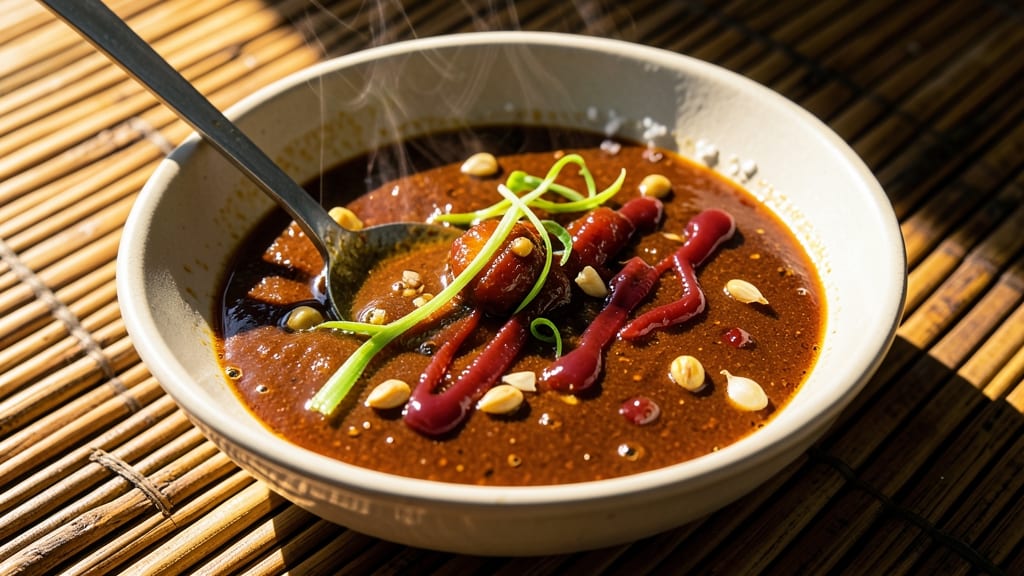
This Panlasang Pinoy barbecue sauce transforms ordinary grilled meats into something extraordinary—where smoky, sweet, and tangy flavors collide in perfect harmony.
I developed this recipe after years of experimenting with Filipino-style sauces, blending the boldness of soy and vinegar with the bright sweetness of pineapple for a sauce that's both familiar and exciting.
The secret lies in balancing the acidity of vinegar with just the right amount of sugar, creating a glaze that caramelizes beautifully while keeping that signature tangy kick.
The sauce starts with a simple base of soy sauce, vinegar, and sugar, but it's the addition of pineapple juice and a touch of garlic that elevates it to restaurant-quality. As it simmers, the flavors meld together, developing a rich, complex depth that's perfect for grilling, marinating, or dipping.
The best part? It comes together in just 30 minutes with minimal effort, yet the results are anything but basic.
What makes this sauce truly special is its versatility—it works as a marinade for chicken or pork, a glaze for grilled vegetables, or even a dipping sauce for spring rolls.
The texture is just right: thick enough to cling to meats but still smooth enough to drizzle effortlessly. Once you taste it, you'll never go back to store-bought versions.
Store it in the fridge for up to a week, or freeze for longer shelf life. The flavors actually improve over time, becoming even more concentrated and delicious. Let's make this sauce—the one that'll make your grilling game unstoppable.
Ingredients for barbeque sauce recipe panlasang pinoy
Nine ingredients, bold flavors—this sauce is a game-changer for grilling and marinating.
| Ingredient | Amount | Notes |
|---|---|---|
| Cane Vinegar 🍶 | ½ cup | White vinegar works too |
| Soy Sauce 🍶 | ½ cup | Light or dark preferred |
| Pineapple Juice 🍍 | ½ cup | Fresh or canned, no sugar added |
| Granulated Sugar 🍚 | ¼ cup | Brown sugar for deeper flavor |
| Garlic Cloves 🧄 | 4 cloves | Minced for smooth texture |
| Celery Stalk 🥬 | 1 whole | For celery crown garnish |
| Ground Black Pepper 🌶️ | ½ tsp | Freshly ground preferred |
| Onion Powder 🧅 | ½ tsp | For depth of flavor |
| Kalamansi or Lemon Juice 🍋 | 1 tbsp | Kalamansi for authentic taste |
| Smoked Paprika 🌶️ | 1 tsp | For that smoky kick |
The pineapple juice is non-negotiable—it brings that bright, sweet contrast to the tangy vinegar and smoky paprika. Grab fresh pineapple juice at Filipino markets or use canned unsweetened from the regular grocery store. Kalamansi (Filipino lime) is ideal for that signature tang, but lemon juice works in a pinch. For the vinegar, cane vinegar gives the best authentic flavor, but white vinegar won’t ruin it. The soy sauce should be light or dark—whatever you’ve got in your pantry. Pro tip: Toast your smoked paprika in a dry pan for 30 seconds to deepen its flavor before adding it to the sauce.
No kalamansi? Lime juice is your next best bet—just add a pinch more sugar to balance the acidity. Running low on pineapple juice? Mango puree or even more sugar can help bridge the gap, but the sauce will lose that signature brightness. The celery stalk isn’t just for garnish—it’s a secret weapon for adding subtle earthiness to the sauce. If you’re feeling fancy, blanch and crisp the celery crown in the oven at 400°F for 10 minutes before garnishing. For extra smokiness, swap the smoked paprika for a dash of liquid smoke (start with ½ tsp).
This sauce tastes even better the next day as the flavors meld. Store it in an airtight container in the fridge for up to 1 week, or freeze for 3 months. I like to portion it into small jars so I can grab just what I need for grilling or marinating. The celery crown garnish? Keep it separate until serving—it stays crisp that way. If you make a big batch, reduce it by simmering uncovered to thicken it up even more for glazing meats.
Why You'll Love This Recipe
- Pantry Magic: I swear by this sauce because it uses stuff I already have—no special trips to the store. That tangy cane vinegar and sweet pineapple juice? They cut through the richness of soy sauce like a dream, and the garlic? Just three cloves, minced in seconds.
- Sweet-Savory Balance: Here’s what sold me—the way the sugar caramelizes just enough to coat your meat or veggies, while the vinegar keeps it bright. It’s not too sweet, not too salty; it’s that perfect middle ground where every bite feels just right.
- Weeknight Workhorse: Between us, this sauce is my go-to for everything: grilled chicken, stir-fries, even drizzled over rice. I’ve used it for lazy dinners, potlucks, and even as a quick marinade. Honestly, it’s the kind of sauce that makes you wonder why you ever bought store-bought.
- Leftovers That Shine: The best part? It keeps for weeks in the fridge, and the flavor only gets better. I make a big batch, freeze half, and still end up reaching for it when I’m craving that familiar tang. Plus, it’s cheap—less than a dollar’s worth of ingredients for a full jar.
Step-by-step instructions for Panlasang Pinoy barbeque sauce
This smoky-sweet sauce comes together in minutes with bold Filipino flavors you'll crave.
Bloom the Aromatics and Spices
Heat a medium saucepan over medium heat and add the 4 cloves garlic cloves (minced) and 1 teaspoon smoked paprika. Stir constantly for 30 seconds until the garlic becomes fragrant and just begins to color. This step builds the foundation of your sauce's complex flavor profile.
Here's the thing—don't let the garlic burn. You'll know it's ready when it smells like a garlic festival in your kitchen. Add the 0.5 teaspoon onion powder and 0.5 teaspoon ground black pepper immediately after the garlic, stirring for another 10 seconds to distribute evenly. These spices will deepen the sauce's umami character and balance the sweetness perfectly.
Combine Wet Ingredients
Pour in the 0.5 cup cane vinegar and 0.5 cup soy sauce, stirring to deglaze the pan. You'll see the mixture bubble and reduce slightly as the vinegar's acidity cuts through any remaining garlic bits. Let it simmer for 2 minutes until the liquid reduces by about 25%—this concentrates the flavors.
Next, add the 0.5 cup pineapple juice and 1 tablespoon kalamansi or lemon juice. The citrus brightens the sauce and prevents it from becoming too heavy. Stir well and let the mixture simmer for another 3-4 minutes until it begins to thicken slightly. You're aiming for a glossy, syrupy consistency that will coat your meats beautifully.
Sweeten and Simmer to Perfection
Gradually whisk in the 0.25 cup granulated sugar, stirring constantly to dissolve completely. The sauce will bubble vigorously as the sugar melts. Reduce heat to medium-low and let it simmer uncovered for 8-10 minutes, stirring occasionally, until it thickens to a coatable consistency.
Here's how to test for doneness: Dip a spoon into the sauce and let it cool slightly. When it coats the back of the spoon smoothly with no drips, your sauce is ready. If it's still too thin, simmer for another 2-3 minutes. The sauce should be thick enough to cling to meats but still pourable for dipping.
Prepare the Celery Crown Garnish
While the sauce simmers, prepare the celery crown garnish that gives this sauce its signature crunch. Trim the 1 whole celery stalk by cutting off the leafy top and bottom, then slice it into ¼-inch thick rounds. Arrange these rounds in a circular pattern on a small plate to create your garnish.
Here's a pro tip: For extra presentation, use a small knife to make shallow cuts between each celery round to create a decorative pattern. This garnish not only adds visual appeal but also provides a refreshing crunch that cuts through the richness of the sauce. Keep it separate until serving to maintain its crisp texture.
Finish and Serve
Once your sauce reaches the perfect consistency, remove it from heat and let it cool for 5 minutes. This resting period allows the flavors to meld completely. Taste and adjust seasoning if needed—you might want to add a touch more soy sauce for saltiness or a splash of vinegar for tang.
To serve, spoon the warm sauce over grilled meats or use it as a dipping sauce. Place the prepared celery crown garnish on the side or directly on top of the meat. The contrast of the smoky-sweet sauce with the crisp celery creates a flavor experience that's pure comfort food magic. Enjoy immediately while the sauce is at its peak flavor and texture!
Pro Tips For Making Barbeque Sauce Recipe Panlasang Pinoy
- Simmer Garlic Low: I used to blast this sauce with high heat, but the garlic burns and turns bitter. Simmer it on medium-low until the cloves are soft and fragrant—about 5-7 minutes—then crush them right in the pan. That deep, mellow garlic flavor is the thing that matters most.
- Balance Vinegar Slowly: Cane vinegar’s sharpness can overwhelm if you dump it all in at once. Start with half the amount, taste, then add the rest gradually while stirring. You’ll avoid that "too tangy, not sweet" mistake that ruins the sauce’s harmony.
- Reduce Pineapple Juice: Skipping this step means a watery, thin sauce. After adding the pineapple juice, let it cook uncovered for 10-12 minutes until it thickens to a glossy, syrupy consistency. Patience here makes all the difference—no one likes gloppy barbecue.
- Toast Sugar First: I was skeptical until I tried it: Lightly toast the granulated sugar in a dry pan for 1-2 minutes until it smells caramelized. Stir it into the sauce early—this adds a subtle depth that cuts through the acidity and makes the sweetness richer. (Yes, even if you’re impatient like me.)
Common mistakes when making this dish
Overcooking the Sauce
One of the biggest mistakes is letting this sauce simmer too long, which turns the pineapple juice into a gummy mess and burns the sugar. I’ve seen people walk away from the stove and come back to find their sauce thickened into a sticky, caramelized brick.
The key is to keep a close eye on it after the sugar dissolves—simmer uncovered on medium-low heat for just 8-10 minutes. Once it coats the back of a spoon smoothly, it’s done.
If you’re unsure, taste it: it should be glossy and balanced, not cloyingly sweet or overly tangy. 🔥
Skipping the Bloom Step
Rushing the 30-second bloom of garlic and smoked paprika is a game-changer for flavor depth. I’ve made this sauce both ways, and the difference is night and day. When you skip this step, the sauce lacks that smoky, aromatic foundation that makes it truly special.
The spices need time to release their oils and meld with the garlic. If you’re short on time, at least toast the paprika for 10 seconds in the pan before adding the wet ingredients—it’ll still improve the flavor.
Ignoring the Celery Garnish
The celery crown isn’t just for looks—it’s a textural and flavorful element that balances the richness of the sauce. I’ve seen people skip it entirely, missing out on that crisp, refreshing contrast.
If you’re worried about prep time, just slice the celery into rounds and arrange them on a plate while the sauce simmers. No need to crisp them in the oven unless you’re feeling fancy. Trust me, that little garnish elevates the whole dish. ✨
Using Low-Quality Vinegar
Not all vinegars are created equal, and this sauce needs the right one. I’ve tried making it with cheap white vinegar, and while it still works, the flavor falls flat compared to cane vinegar or even apple cider vinegar.
The cane vinegar adds a subtle sweetness and depth that’s hard to replicate. If you only have white vinegar, add an extra ½ teaspoon of sugar to compensate for the lack of complexity. Your taste buds will thank you.
Over-Salting the Sauce
Soy sauce is already packed with salt, so it’s easy to overdo it—especially if you’re used to adjusting seasoning in other recipes. I’ve had to rescue sauces that were inedibly salty because someone added extra soy sauce without tasting first.
The rule of thumb? Start with the ½ cup soy sauce as written, taste the sauce after simmering, and adjust only if needed. A splash of vinegar can help balance excess saltiness if you go overboard.
Not Resting the Sauce
Letting the sauce cool for 5 minutes before serving might feel like a waste of time, but it’s crucial. When you rush and serve it immediately, the flavors haven’t fully melded, and the sauce can taste disjointed.
The resting period allows the sugar to caramelize slightly, the acidity to mellow, and the aromatics to settle into harmony. I promise, those extra 5 minutes make a world of difference in the final result. 💫
Nutrition facts
Frequently asked questions
Can I make this sauce without pineapple juice?
Yes, but the flavor will change significantly. For a similar bright note, try substituting with ½ cup mango puree or ¼ cup orange juice plus 1 extra tablespoon of sugar. If you prefer a more traditional barbecue style, reduce the pineapple to ¼ cup and add 1 tablespoon tomato paste to deepen the richness.
How long will this sauce keep in the fridge?
This sauce stays fresh for up to 1 week when stored in an airtight container in the refrigerator. For longer storage, freeze it in ice cube trays or small jars for up to 3 months. The flavors actually improve over time, becoming more concentrated—perfect for quick marinades or glazes!
Can I use this sauce as a marinade?
This sauce makes an excellent marinade for chicken, pork, or even tofu. For best results, marinate for 2-4 hours (or overnight for stronger flavor). The acidity in the vinegar helps tenderize meats while the sugar caramelizes beautifully during grilling. Just reduce the marinating time to 1 hour if using delicate fish.
What's the best way to thicken the sauce if it's too thin?
Simmer it uncovered for 5-10 more minutes on low heat to reduce. For quicker thickening, mix 1 teaspoon cornstarch with 1 tablespoon water, then stir into the sauce and simmer for 2 minutes until it reaches your desired consistency. Avoid adding flour directly—it can make the sauce cloudy.
Is this sauce spicy?
Not traditionally—this recipe focuses on smoky-sweet and tangy flavors. However, you can easily add heat by mixing in ½ teaspoon chili flakes or 1 teaspoon sriracha at the end. For a Filipino-style kick, try adding 1 tablespoon bagoong (shrimp paste)** to the simmering sauce for umami depth!