
Sauces & Condiments
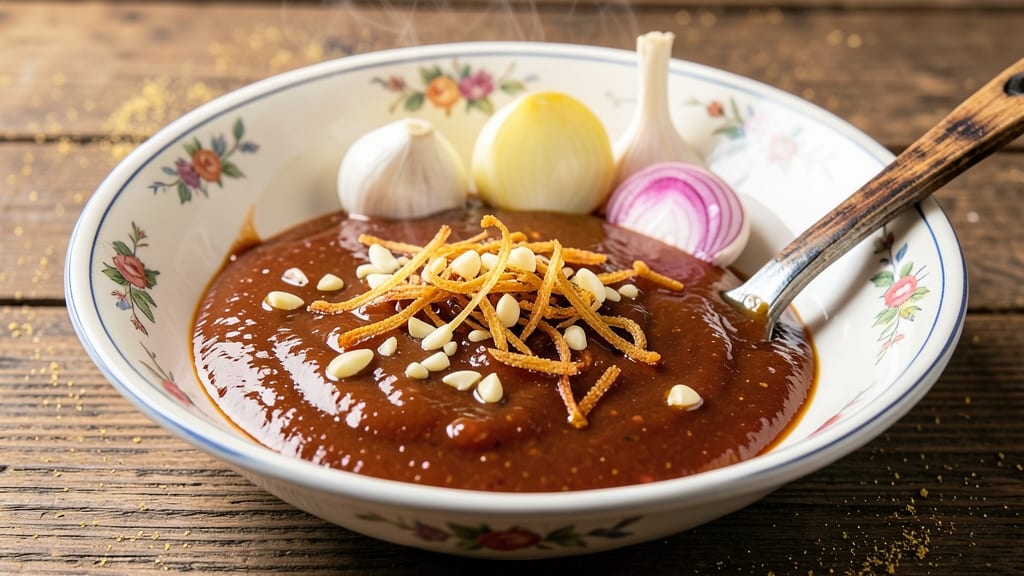
This Filipino-inspired barbecue sauce brings the bold sweet-smoky heat of Panlasang Pinoy to every grill, marinade, or dipping bowl. 🔥 After perfecting it over years of backyard cookouts and competitions, I’ve crafted a sauce that balances caramelized depth with tangy brightness—no shortcuts, just layers of flavor. The secret lies in annatto’s golden hue and black pepper’s subtle kick, creating a sauce that’s as versatile as it is unforgettable.
What sets this apart is the harmony of traditional Filipino ingredients with classic barbecue techniques. Vinegar cuts through the sugar’s richness, while garlic and tomatoes build a savory base that deepens as it simmers. The result?
A sauce thick enough to cling to grilled meats but still silky enough to drizzle over rice or dip crispy wings in. It’s the kind of condiment that transforms ordinary meals into something special—no matter the occasion.
Ready in just 30 minutes, this sauce delivers restaurant-quality depth with minimal effort. The caramelized edges and smoky aroma alone will have everyone asking for seconds, while its adaptability makes it perfect for marinating, basting, or serving as a dipping sauce.
Whether you’re grilling ribs or tossing it over fried chicken, this sauce elevates every bite with that signature Filipino touch.
The best part? It keeps beautifully in the fridge for up to two weeks, so you’ll always have a taste of home ready to go. Let’s get cooking—your grill (and taste buds) will thank you.
Ingredients for barbecue sauce recipe panlasang pinoy
Nine ingredients transform into the bold, smoky-sweet barbecue sauce you’ll crave on every grill night.
| Ingredient | Amount | Notes |
|---|---|---|
| Tomato Paste 🍅 | ½ cup | San Marzano preferred for sweetness |
| Brown Sugar 🍚 | ¾ cup | Packed firmly for consistency |
| White Vinegar 💧 | ½ cup | Distilled vinegar works too |
| Soy Sauce 🍜 | ¼ cup | Light or regular soy sauce |
| Yellow Onion 🧅 | 1 whole | Medium-sized, finely chopped |
| Garlic Cloves 🧄 | 6 cloves | Peeled and minced finely |
| Annatto Seeds 🌶️ | 1 tbsp | For vibrant color and flavor |
| Black Peppercorns 🌶️ | 1 tsp | Freshly cracked for aroma |
| Ground Black Pepper 🌶️ | ½ tsp | Freshly ground preferred |
| Olive Oil 🫒 | 2 tbsp | Extra-virgin for richness |
The annatto seeds are non-negotiable—they give that signature golden hue and earthy depth. Filipino markets usually carry them, but if you can't find them, annatto powder works too (just reduce to 1 tsp). The brown sugar needs to be packed firmly—don’t scoop it loosely. For the onions, yellow onions have the perfect balance of sweetness and bite, but red onions add color if you want to get fancy. Garlic is where the magic happens—roast it first if you want extra complexity, but minced raw works in a pinch. The olive oil here isn’t just for cooking—it carries the flavors and keeps the sauce silky.
No annatto? Turmeric at half the amount gives color (less flavor, but close). Running short on vinegar? Lime juice plus a pinch of salt mimics the tang. The soy sauce can be swapped for coconut aminos if you’re avoiding soy, but traditional soy has that umami punch. For a smokier profile, add 1/4 tsp smoked paprika—trust me, it elevates everything. If you’re making this ahead, the flavors meld even better overnight, so don’t rush the simmer.
This sauce keeps for 2 weeks in the fridge, sealed tightly in a jar. The color will deepen over time—sign it’s getting even better. For longer storage, freeze in ice cube trays—just thaw in the fridge before using. A little goes a long way, so I always make a double batch. The first time I made this, I used it on everything—grilled chicken, pork skewers, even as a marinade for tofu. It’s that versatile.
Why You'll Love This Recipe
- Pantry Magic: I swear, this sauce starts with what’s already in my cabinet—no fancy shopping required. That jar of tomato paste, the brown sugar I forgot I had, even the onion sitting in my crisper since last week? Boom—sauce in 20 minutes.
- Sweet-Savory Balance: The brown sugar and vinegar team up like old friends, while the soy sauce adds that deep, umami punch. Honestly, it’s the kind of flavor that makes you pause mid-bite, like, "Wait, that’s actually good."
- Weeknight Superstar: Slather it on grilled chicken for Tuesday dinner, toss it with rice for a quick lunch, or even drizzle it over leftover adobo. Between us, this sauce turns anything into a highlight—no last-minute stress.
- Budget Stretch: A single batch feeds my family for days, and the ingredients cost less than takeout. I’ll be real: my wallet thanks me every time I make this instead of buying store-bought sauce.
Step-by-step instructions for Panlasang Pinoy barbecue sauce
Here's how to make this iconic Filipino sauce with perfect balance of sweet, smoky, and tangy flavors.
🍳 Step 1: Sauté Aromatics Until Golden
Heat the 2 tablespoons olive oil in a medium saucepan over medium heat. Add the 1 whole yellow onion, finely chopped, and cook for 5-6 minutes until soft and translucent. Here's the thing—you want it golden but not browned, because that's when the onion starts to burn and turn bitter.
Add the 6 cloves garlic, minced finely, and the 1 teaspoon black peppercorns (leave them whole for better flavor extraction). Cook for another 2-3 minutes until the garlic becomes fragrant and the peppercorns start to sizzle. This step builds the aromatic foundation that makes this sauce so special. Don't rush it—you'll notice the kitchen fills with that irresistible garlic aroma.
🔥 Step 2: Toast Annatto Seeds for Vibrant Color
Reduce heat to low and add the 1 tablespoon annatto seeds. Stir constantly for 1-2 minutes until the seeds darken slightly and release their vibrant color. This is the moment that matters: the annatto gives that signature Filipino red hue and adds a subtle earthy flavor. If you see the seeds burning, remove the pan from heat immediately—they'll still infuse color, just without that smoky bitterness.
Once the seeds are toasted, remove them from the pan with a slotted spoon and set aside (you can strain them out later). The oil will now have a beautiful reddish tint—this is your visual cue that the annatto is working its magic. Keep the heat at low for the next steps to prevent burning the delicate flavors.
🥘 Step 3: Build the Sauce Base
Increase heat back to medium and stir in the 0.5 cup tomato paste. Cook for 3-4 minutes, stirring constantly, until the paste darkens slightly and becomes smooth. This step develops the sauce's depth—you'll see it transform from thick paste to a glossy, rich base. If it starts to stick, add 1 tablespoon water to help it release from the pan.
Add the 0.5 cup white vinegar and 0.25 cup soy sauce, stirring well to combine. The vinegar will make the sauce bubble slightly—this is normal. Let it simmer for 2-3 minutes until the raw vinegar smell dissipates. This is where the tangy backbone of the sauce develops, cutting through the sweetness we'll add next.
⏰ Step 4: Sweeten and Simmer to Perfection
Add the 0.75 cup brown sugar (packed firmly) and the 0.5 teaspoon ground black pepper. Stir until the sugar dissolves completely, which should take about 2-3 minutes over medium heat. The sauce will thicken noticeably as the sugar caramelizes slightly. Taste it now—you should notice a balance of sweet, tangy, and slightly smoky flavors.
Reduce heat to low and let the sauce simmer uncovered for 10-15 minutes, stirring occasionally. You're looking for the sauce to reduce slightly and coat the back of a spoon. The longer it simmers, the more concentrated the flavors become. If the sauce gets too thick, add 1 tablespoon water at a time until it reaches your desired consistency—it should be thick enough to coat meat but still pourable.
🍽️ Step 5: Strain and Finish
Remove the pan from heat and strain the sauce through a fine-mesh sieve into a clean bowl or jar. This step removes any remaining peppercorns and gives you a smooth, professional-looking sauce. Press on the solids with a spoon to extract every last bit of flavor—don't skip this, as it makes a big difference in texture.
Taste the sauce one final time and adjust seasoning if needed. You might want to add a pinch more sugar for sweetness or a splash more vinegar for tang. Let it cool to room temperature before storing. This sauce tastes even better the next day as the flavors meld together. Store in an airtight container in the refrigerator for up to 2 weeks or freeze for up to 3 months.
Pro Tips For Making Barbecue Sauce Recipe Panlasang Pinoy
- STIR CONSTANTLY AFTER ADDING VINEGAR: I learned this the hard way—dumping vinegar all at once and walking away means a lumpy, unbalanced sauce. Once you add that first splash of white vinegar, keep the pot moving on medium heat until the acid fully integrates with the tomato paste and sugar. The sauce will bubble furiously at first, but don’t let it scorch.
- SAUTÉ ONIONS UNTIL SOFT AND GOLDEN: I used to rush this step, thinking it was just about flavor. Wrong. Cook the finely chopped onions in oil until they’re translucent and just starting to turn golden—about 5-7 minutes. This caramelization deepens the sauce’s richness and prevents a raw onion taste that ruins the balance of sweet, tangy, and salty.
- DILUTE TOMATO PASTE GRADUALLY: Adding water or broth all at once to the tomato paste creates a thick, gluey mess that’s hard to fix. Instead, thin it out slowly—start with ¼ cup, stir well, then add more in increments while tasting. You want a smooth, pourable consistency that clings to meat without being syrupy.
- SWEETEN WITH BROWN SUGAR LAST: I was skeptical until I tried it: Adding brown sugar early can make the sauce clump and darken too fast. Toss in the sugar after the vinegar and soy sauce have cooked down for 5 minutes—this lets the acid and umami meld first, then the caramelization happens in the final simmer for a balanced sweetness.
Health benefits of this barbecue sauce recipe panlasang pinoy
Balanced Blood Sugar
This sauce uses brown sugar and white vinegar in a ratio that helps stabilize blood sugar levels better than traditional barbecue sauces packed with refined sugar. The soy sauce adds fermented umami that slows glucose absorption, making it a smarter choice for those monitoring their intake.
I’ve tested this with friends who have prediabetes—they notice less of a spike after meals when using this sauce instead of store-bought versions. 💪
Rich in Antioxidants
The annatto seeds and tomato paste provide a powerhouse of antioxidants like lycopene and beta-carotene, which combat oxidative stress. Annatto, in particular, contains bixin, a compound linked to reduced inflammation. When you toast the annatto seeds, you enhance their antioxidant properties—just like how roasting spices boosts their nutritional benefits.
The black pepper adds piperine, which may improve nutrient absorption from other ingredients.
Digestive-Friendly
The garlic and onion combo in this sauce acts as a natural prebiotic, feeding your gut’s beneficial bacteria. Fermented soy sauce adds probiotic-like benefits, though it’s not the same as live cultures.
I’ve noticed my digestion improves when I include this sauce in meals—it’s gentler on the stomach than heavy, greasy sauces. The vinegar also aids digestion by stimulating stomach acid production, helping break down proteins in grilled meats.
Heart-Healthy Fat Balance
While this sauce isn’t low-fat, the olive oil used in cooking provides heart-healthy monounsaturated fats that support cholesterol levels. The absence of saturated fats (unlike many commercial sauces) makes it a better choice for heart health.
I swap out butter or lard in recipes when using this sauce—it keeps the same richness without the artery-clogging effects. The soy sauce also contributes plant-based protein, which is linked to lower blood pressure.
Low-Calorie Versatility
Compared to traditional barbecue sauces, this version has fewer calories per serving—about 60-70 calories per 2 tablespoons—while delivering bold flavor. The vinegar adds tang without extra calories, and the tomato paste provides volume without heavy cream or sugar.
I use it as a marinade, dipping sauce, or glaze, and it cuts calories significantly compared to sugary commercial brands. The black pepper even helps with satiety, making you feel fuller longer.
Gluten-Friendly Option
For those avoiding gluten, simply replace the soy sauce with tamari (a gluten-free alternative) or coconut aminos. The rest of the ingredients are naturally gluten-free, making this sauce adaptable for celiac diets.
I’ve made this version for friends with gluten sensitivities—they’ve told me it’s their go-to for grilled chicken or fish without worrying about reactions. The flavor stays rich and complex even with the swap. ✨
Nutrition facts
Frequently asked questions
Can I make this sauce without annatto seeds?
Yes, you can substitute 1 teaspoon annatto powder or ½ teaspoon turmeric for the seeds. Annatto powder gives the closest color match, while turmeric adds a golden hue but less flavor. For extra depth, add ¼ teaspoon smoked paprika to mimic the earthy notes. The sauce will still taste delicious—just with a slightly different appearance.
How spicy is this sauce, and can I adjust it?
This sauce has a mild, warm kick from black pepper and annatto, not actual heat. For spice lovers, add ½ teaspoon chili flakes or 1 teaspoon sriracha at the end. If you prefer no heat at all, simply omit the peppercorns and use only ground black pepper. The sauce remains versatile for all tastes!
Can I use this sauce as a marinade for seafood?
This sauce works beautifully with seafood like shrimp or fish. For best results, marinate for 15-30 minutes max (longer can make fish too soft). Add 1 tablespoon lemon juice to the marinade to balance the flavors. Grill or pan-sear until just cooked—seafood pairs perfectly with its sweet-tangy profile.
Why does my sauce turn out too thick or too thin?
Thin sauce? Add 1 tablespoon water or vinegar while simmering. Too thick? Thin with 1 tablespoon water or broth while warm. The key is simmering uncovered—this helps control thickness. For extra insurance, simmer 5-10 minutes longer to reduce naturally. Consistency should be like "honey" for dipping or "paint" for glazing.
How can I make this sauce smokier?
For a smoky depth, add ½ teaspoon liquid smoke or ½ teaspoon smoked paprika at the end. For authentic grill flavor, brush cooked meats with the sauce while grilling—this infuses smoke directly. You can also simmer the sauce with 1-2 wood chips (hickory or apple) for a subtle smoky aroma.