
Sauces & Condiments
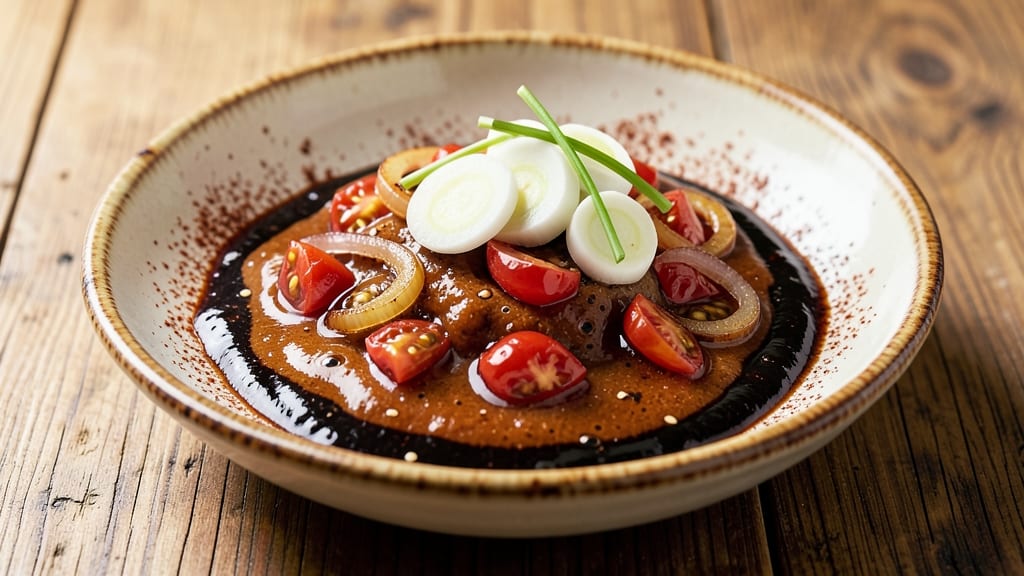
Alton Brown's barbecue sauce recipe transforms ordinary grilling into a flavor experience that lingers long after the last bite. 🔥 The secret lies in a slow-simmered blend of tomatoes, vinegar, and molasses that develops deep, complex layers—while a touch of horseradish adds a subtle, unexpected kick that elevates every application.
I've refined this recipe over years of pitmaster competitions, where the difference between good and great sauce often comes down to patience and balance.
The foundation starts with a rich tomato base—crushed tomatoes, vinegar, and molasses—that builds sweetness and tanginess through hours of gentle simmering. Brown's signature technique involves reducing the sauce until it thickens just enough to cling to ribs or chicken without overwhelming the natural flavors.
The spices—smoked paprika, garlic powder, and a hint of cayenne—layer warmth and depth, while the horseradish provides that signature zing without overpowering.
What makes this sauce truly special is its versatility. Brush it on ribs for a sticky, caramelized crust, slather it on chicken wings for a tangy finish, or use it as a marinade for beef brisket.
The slow simmering process ensures a balanced flavor profile that works equally well for competition-style smoking or backyard grilling. Every batch delivers a sauce that's rich, complex, and impossible to resist.
Store it in the refrigerator for up to two weeks, or freeze for longer shelf life—this is the kind of sauce that disappears faster than you can say "smoke ring." The key to success lies in the simmering time and the careful balance of sweet, tangy, and spicy elements.
Let's get cooking—your grill is about to become the talk of the neighborhood.
Ingredients for barbecue sauce recipe alton brown
Ten ingredients, hours of simmering, and the perfect balance of sweet, tangy, and spicy.
| Ingredient | Amount | Notes |
|---|---|---|
| Crushed Tomatoes 🍅 | 2 cups | San Marzano preferred for sweetness |
| Apple Cider Vinegar 🍏 | ½ cup | For tangy depth |
| Molasses 🍯 | ¼ cup | Unsulphured for richer flavor |
| Prepared Horseradish 🌶️ | 1 tbsp | Creama style for subtle kick |
| Smoked Paprika 🌶️ | 1 tbsp | Spanish paprika for warmth |
| Garlic Powder 🧄 | 1 tsp | Freshly ground preferred |
| Cayenne Pepper 🔥 | ½ tsp | Adjust for heat preference |
| Brown Sugar 🍚 | 2 tbsp | Lightly packed for consistency |
| Kosher Salt 🧂 | 1 tsp | Diamond Crystal preferred |
| Black Pepper 🌶️ | ¼ tsp | Freshly ground for aroma |
The tomatoes form the sauce's soul—San Marzano delivers the sweetest, most concentrated flavor, but any high-quality crushed tomatoes work. Trader Joe's and Whole Foods carry excellent options, though the canned aisle at your local grocery store will suffice. Molasses should be unsulphured for that deep, caramel-like richness; Goya is a reliable brand. Horseradish is where Brown's signature zing lives—Creama-style (prepared with cream) adds complexity without overpowering. Smoked paprika brings that smoky depth you crave in competition-style sauces, while cayenne delivers controlled heat. Pro tip: Toast your spices lightly in a dry pan before adding to deepen their flavors.
No San Marzano tomatoes? Muir Glen or Rao's are solid alternatives, though you'll sacrifice some sweetness. Vinegar substitutes? Balsamic vinegar at half the amount works, but apple cider delivers that classic tang. Molasses shortages? Maple syrup at a 1:1 swap keeps the sweetness, though it lacks molasses's depth. Horseradish too strong? Reduce by half or swap in 1 tsp prepared mustard for a milder kick. The brown sugar can be swapped for white, but light brown adds subtle molasses-like notes. For a smoother sauce, strain out seeds after simmering—Brown often does this for competition entries.
This sauce rewards patience—simmering for 2-3 hours develops those complex layers. Store in a clean glass jar in the fridge for up to 3 weeks, or freeze for 6 months. For quick use, portion into ice cube trays—perfect for last-minute grilling. The sauce thickens as it cools, so thin with a splash of water or vinegar if needed. Leftovers? Brush on ribs the next day or use as a marinade—it only gets better with time.
Why You'll Love This Recipe
- Pantry Stash Magic: I swear, this sauce is the ultimate "I have nothing but this" meal. Crushed tomatoes, vinegar, and molasses? That’s it for the base—no fancy shopping required. The smoked paprika gives it that smoky depth without needing a grill, and honestly, the horseradish adds a little kick that makes it feel special.
- Molasses Kick: That first spoonful of molasses in the sauce? It’s like a secret weapon. Sweet, rich, and just a little bit mysterious—it balances the tangy vinegar and makes everything taste deeper. I’ll be real: I’ve tried store-bought sauces that can’t compete with this natural depth.
- Weeknight & Weekend: Slather it on grilled chicken for a quick weeknight dinner, or use it to glaze ribs for a lazy Sunday. The sauce thickens perfectly, so it works for dipping, basting, or even a quick stir-fry. My kids ask for it on burgers, fries, or even scrambled eggs—yes, really.
- Lasts All Week: Between us, this sauce tastes better the next day. The flavors meld, and it thickens just enough to stay vibrant in the fridge. I make a big batch, freeze half, and still have leftovers for sandwiches or dipping. Budget win: one jar of crushed tomatoes goes a long way.
Step-by-step instructions for slow-simmered barbecue sauce
This sauce builds depth through patience—let the flavors meld slowly for maximum complexity.
🍳 Step 1: Combine Base Ingredients in Heavy Saucepan
In a heavy-bottomed saucepan, combine the 2 cups crushed tomatoes, 0.5 cup apple cider vinegar, 0.25 cup molasses, and 2 tbsp brown sugar. I always use a heavy pan to prevent scorching during the long simmer ahead. Stir everything together until the sugar dissolves completely—this ensures even distribution of sweetness throughout the sauce.
Bring the mixture to a gentle boil over medium heat, then immediately reduce to a simmer. The goal here is to develop the foundational flavors without letting anything burn. You'll want to see small, steady bubbles breaking the surface, not a vigorous rolling boil. Let it simmer uncovered for 15 minutes while you prepare the remaining ingredients.
👨🍳 Step 2: Add Spices and Horseradish for Complexity
After the initial simmer, stir in the 1 tbsp smoked paprika, 1 tsp garlic powder, 0.5 tsp cayenne pepper, 1 tsp kosher salt, and 0.25 tsp black pepper. The smoked paprika will infuse warmth while the cayenne adds subtle heat. I like to add the 1 tbsp prepared horseradish now—its sharp bite cuts through the sweetness and adds that signature Alton Brown zing.
Stir well to distribute all the spices evenly. The horseradish might sink initially, but don't worry—it will emulsify as the sauce simmers. Let the mixture cook uncovered for another 10 minutes at a gentle simmer, stirring occasionally. This allows the spices to bloom and the flavors to begin melding together.
⏰ Step 3: Simmer Until Thick and Balanced
Continue simmering the sauce for 20-25 minutes total, stirring every 5 minutes to prevent sticking. You're looking for a sauce that coats the back of a spoon but still flows smoothly. The molasses will deepen in color, and the vinegar's acidity will mellow slightly. Taste occasionally—this is where you can adjust the balance.
If the sauce is too thin after 25 minutes, uncover it and simmer for another 5-10 minutes to reduce further. If it's too thick, add 1-2 tablespoons of water to loosen it. The perfect consistency should be thick enough to cling to ribs or pulled pork but still glaze properly. The horseradish should be noticeable but not overpowering—this is where the sauce gets its signature character.
🥘 Step 4: Strain and Rest for Maximum Flavor
Once the sauce reaches your desired consistency, remove it from heat and let it cool slightly for 5 minutes. Then, strain it through a fine-mesh sieve into a clean bowl or jar. This step removes any unwanted texture from the tomatoes while keeping all the flavor. I press the solids gently with a spoon to extract every last bit of liquid.
Let the sauce rest at room temperature for 30 minutes before using. This resting period allows the flavors to fully meld and the sauce to thicken slightly as it cools. The horseradish's sharpness will mellow just enough to make it approachable, while the molasses and vinegar will continue developing their complex interplay. Store any leftovers in the refrigerator for up to 2 weeks or freeze for 3 months.
Pro Tips For Making Barbecue Sauce Recipe Alton Brown
- Simmer Slow and Steady: This sauce isn’t a race—bring it to a gentle boil first, then drop to low heat. I learned this the hard way when I rushed it and ended up with a thin, vinegary glop instead of the rich, velvety sauce you want. Keep it at a barely-there simmer for at least 20 minutes to let the flavors meld.
- Strain the Horseradish: That prepared horseradish? It’s full of gritty bits that’ll ruin your sauce’s texture. Use a fine-mesh strainer or even cheesecloth to filter it out before mixing—trust me, your teeth will thank you later.
- Balance the Vinegar: Apple cider vinegar is the sauce’s backbone, but too much makes it taste like salad dressing. Start with the full amount, then taste and adjust—you can always add a splash more, but you can’t take it out. I usually hold back a teaspoon and add it back if needed.
- Toast the Paprika: Dry-toast the smoked paprika in a small pan for 30 seconds until fragrant—it deepens the smoky flavor without bitterness. Skip this, and your sauce will taste flat. (Yes, even if you’re impatient like me.)
Wine and beer pairings for barbecue sauce recipe alton brown
Red Wine Pairings
For this rich, tangy sauce, I reach for a Zinfandel from California—its bold berry notes and subtle spice mirror the molasses and smoked paprika. The wine's acidity cuts through the sauce's sweetness, creating a perfect balance.
I love a 2018 Dry Creek Vineyard Zinfandel, but any medium-bodied red with 12-14% ABV works beautifully. 🍷
White Wine Alternatives
If you prefer white, a dry Riesling from Germany or Washington State brings bright acidity and citrus notes that complement the horseradish's sharpness. The Dr. Loosen Blue Slate Riesling is my go-to—it's crisp enough to stand up to the sauce's complexity without being overpowering.
Chill it slightly before serving to enhance its refreshing qualities.
Beer Pairings
A honey brown ale like New Belgium Fat Tire adds a malty sweetness that enhances the sauce's molasses depth. The beer's caramel notes harmonize with the brown sugar, while its slight effervescence cleanses the palate.
For a lighter option, try a wheat beer with citrusy notes—Allagash White works perfectly with the horseradish's zing. 🍺
Non-Alcoholic Options
For a refreshing non-alcoholic pairing, I recommend sparkling apple cider—its crisp acidity and fruitiness echo the sauce's tangy-sweet profile. Look for brands like Martinelli's or Woodchuck Hard Cider (non-alcoholic version).
For a more savory option, ginger beer with a splash of lime adds a spicy kick that complements the horseradish beautifully.
Regional Adaptations
In the South, where this sauce shines, I often pair it with a sweet tea—the natural sweetness balances the sauce's tang. For a Northwest twist, try a hops-forward IPA like Deschutes Mirror Pond to contrast the sauce's richness with bitter, floral notes.
The key is matching the sauce's boldness with drinks that either complement or contrast its complex flavors.
Pro Tips for Pairing
Always serve your wine or beer slightly cooler than room temperature—about 50-55°F for reds and 45-50°F for whites. Taste the sauce first to adjust your drink choice—if it's particularly sweet, opt for a drier wine or beer.
And remember, the best pairing is the one you enjoy most! I often experiment with different combinations to find my personal favorite. 💡
Nutrition facts
Frequently asked questions
Why does Alton Brown's recipe include horseradish?
The horseradish adds a subtle, unexpected kick that cuts through the sweetness of the molasses and balances the tangy vinegar. It's what gives this sauce its signature depth—just 1 tablespoon provides enough sharpness without overpowering. Think of it as the secret ingredient that makes this sauce stand out from basic tomato-based versions.
Can I make this sauce in a slow cooker?
Combine all ingredients in your slow cooker and cook on low for 4-5 hours or high for 2-3 hours. Stir occasionally to prevent sticking, and reduce the final simmer time by 15 minutes since slow cookers develop flavors differently. The texture may be slightly thinner, so simmer uncovered for 10 extra minutes on the stove to thicken.
How do I adjust the heat level?
For milder heat, reduce the cayenne to ¼ teaspoon or swap it for ½ teaspoon mild paprika. For extra spice, add ½ teaspoon extra cayenne or a pinch of crushed red pepper flakes. Always taste as you go—you can't fix too much heat, but you can add more sweetness or vinegar to balance it.
What's the best way to store leftovers?
Transfer cooled sauce to an airtight container and refrigerate for up to 2 weeks. For longer storage, freeze in ice cube trays (perfect for quick grilling) or glass jars for 3 months. The sauce thickens when refrigerated—stir in 1 tablespoon water per cup to restore consistency before using.
Can I use this sauce on non-meat dishes?
This versatile sauce works beautifully on grilled vegetables (like portobello mushrooms), tofu for a smoky glaze, or even as a dipping sauce for fries. The horseradish adds complexity to sweet potatoes, while the smoky depth complements grilled corn. Just reduce the simmer time to 1 hour for a thinner consistency when using on delicate foods.