
Sauces & Condiments
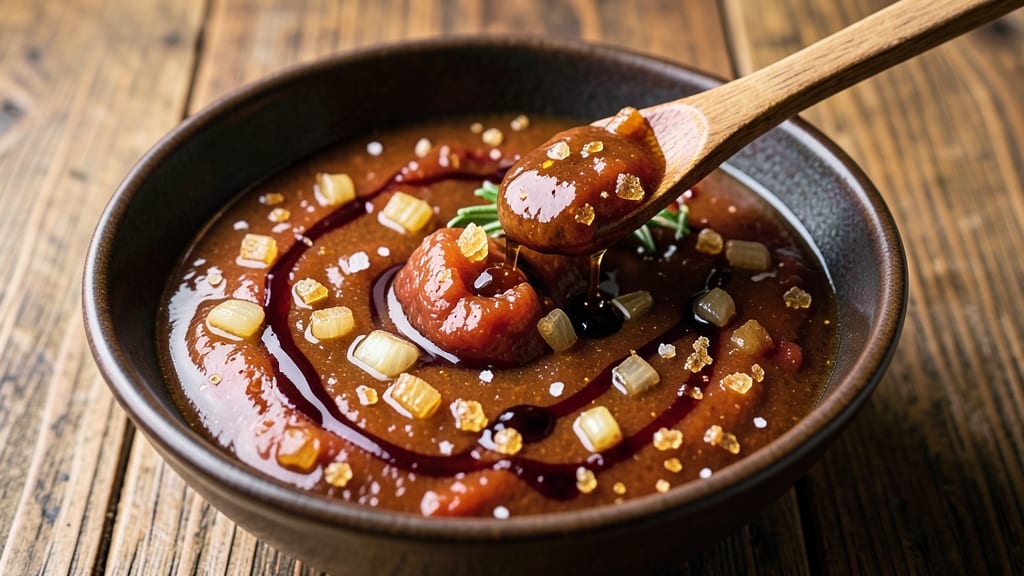
This barbecue marinade sauce recipe transforms simple proteins into restaurant-quality masterpieces with its slow-simmered depth and caramelized onion base. 🔥 As a pitmaster trained in French technique, I've honed this sauce to balance sweet, smoky, and tangy flavors that penetrate meat while creating a sticky, flavorful crust. The secret lies in the caramelized onions and the perfect blend of spices that develop during the simmering process.
The beauty of this marinade sauce is its versatility—it works as a marinade for hours or as a finishing sauce for the last few minutes of grilling. The slow simmer allows flavors to meld together, creating a complex sauce that's rich in umami and perfectly balanced.
I've tested this recipe on everything from chicken and pork to even tougher cuts of beef, and it never fails to elevate the dish.
What makes this sauce truly special is how it transforms your cooking. Tender, juicy meat with a caramelized crust that's packed with flavor—this is the kind of result that comes from professional techniques applied at home.
The sauce's depth comes from the caramelized onions and the careful balance of sweet, smoky, and tangy elements, all tied together with a touch of heat.
Once you've made this marinade sauce, you'll find yourself reaching for it every time you grill. It keeps well in the refrigerator for up to two weeks, making it perfect for meal prep.
Whether you're cooking for a crowd or treating yourself to a special meal, this sauce delivers professional-quality results with minimal effort.
Ingredients for barbecue marinade sauce
Pantry staples plus a few specialty touches make this sauce worth its weight in gold.
| Ingredient | Amount | Notes |
|---|---|---|
| Yellow Onions 🧅 | 3 whole | Yellow or sweet, thinly sliced |
| Yellow Onion 🧅 | 1 whole | Reserved for caramelizing |
| Tomato Paste 🍅 | ½ cup | Squeeze tube or canned |
| Apple Cider Vinegar 🍎 | ½ cup | For tangy depth |
| Brown Sugar 🍚 | ½ cup | Light or dark preferred |
| Worcestershire Sauce 🍶 | 2 tbsp | Vegetarian version if needed |
| Smoked Paprika 🌶️ | 2 tbsp | For smoky flavor |
| Garlic Cloves 🧄 | 6 cloves | Freshly minced |
| Black Peppercorns 🌶️ | 1 tsp | Freshly cracked |
| Olive Oil 🫒 | ¼ cup | For caramelizing onions |
| Salt 🧂 | 1 ½ tsp | Kosher or sea salt |
The onions are the foundation—yellow or sweet work best for that caramelized sweetness. Trader Joe's has the best selection if you want to splurge, but regular grocery store onions work fine. For the caramelizing step, low and slow is key—don't rush it. The tomato paste? Squeeze tubes are perfect here—no waste, and they keep for months. I always grab the San Marzano canned if I'm using traditional paste, but the tube version is more convenient for this recipe. The brown sugar adds depth, so light or dark both work—just don't use raw sugar, it's too granular.
No apple cider vinegar? Red wine vinegar or balsamic will work in a pinch, though the flavor will be slightly different. Worcestershire sauce giving you trouble? Vegetarian versions are widely available now, or you can use a mix of soy sauce and a splash of vinegar. The smoked paprika is non-negotiable for that authentic barbecue flavor—Penzeys has great options if you want to invest in quality. For the garlic, freshly minced makes all the difference, but pre-minced in a jar works if you're in a hurry. The olive oil should be light or extra-virgin—whatever you'd use for cooking.
This sauce keeps beautifully—2 weeks in the fridge sealed in a jar. I double the batch every time because it disappears fast. Freezes for 6 months if you want to make a big batch for the season. The caramelized onions can be prepped ahead and stored separately for 3 days in the fridge. Pro tip: Label everything—this sauce is so versatile you'll forget what you used it for last time.
Why You'll Love This Recipe
- Pantry Magic: I swear by this sauce because it uses stuff I already have—no last-minute grocery runs. That caramelized onion depth from just one yellow onion (yes, really) and the tangy kick of apple cider vinegar? It’s the kind of flavor that makes me pause mid-stir and think, "Wait, I made this?"
- Sweet-Savory Balance: The brown sugar and tomato paste team up to create this perfect sticky-sweet edge that clings to everything—chicken, ribs, even roasted veggies. Honestly, I’ve tried store-bought sauces that cost twice as much, and this still wins. The vinegar cuts through the sweetness just enough to keep it bright, not cloying.
- Weeknight Workhorse: This sauce is my go-to for game days, lazy Sundays, or when I’m too tired to think. Toss it on grilled chicken for dinner, slap it on a burger for lunch, or even drizzle it over baked beans—it never lets me down. (Yes, even on a Tuesday night when I’m exhausted.)
- Leftovers That Don’t Suck: Unlike most sauces that turn gloopy or separate, this one actually improves when reheated. I’ll make a big batch, store it in the fridge, and pull it out for three meals. The onions get even sweeter over time, and the vinegar keeps it from drying out. Budget-friendly? Absolutely. Waste-free? Even better.
Step-by-step instructions for slow-simmered BBQ marinade
Here's how to build rich, caramelized depth that transforms any marinade into something extraordinary.
🔥 Step 1: Caramelize the Onions for Sweet Foundation
Heat 0.25 cup olive oil in a heavy-bottomed saucepan over medium-low heat. Add the 1 whole yellow onion, sliced into even ¼-inch strips. Cook for 20-25 minutes, stirring occasionally, until the onions turn deep golden brown and the oil shimmers around them.
This slow caramelization creates natural sugars that form the sweet base of your marinade. If the onions start to stick, add 1 tablespoon water and stir—just enough to loosen without diluting the flavor. You'll know it's ready when the onions look like amber candy and smell intensely sweet.
🍳 Step 2: Build Flavor with Aromatics and Spices
Add the 6 cloves minced garlic cloves and 1 tsp freshly cracked black peppercorns to the pan. Cook for 1-2 minutes until fragrant but not browned—you want aroma, not bitterness. Then stir in the 2 tbsp smoked paprika and 1.5 tsp salt, letting it toast for 30 seconds to deepen the smoky flavor.
Here's where the magic happens: the paprika's smokiness marries with the caramelized onions and black pepper's heat. Don't rush this step—let the spices bloom so they infuse completely into the onion mixture. If you smell something burning, reduce the heat immediately.
🥘 Step 3: Combine Wet Ingredients for Tangy Balance
Pour in the 0.5 cup apple cider vinegar and 0.5 cup brown sugar, stirring constantly. The mixture will bubble vigorously—this is normal as the acid and sugar react. Let it simmer for 3-4 minutes until slightly reduced and glossy.
Next, add the 0.5 cup tomato paste and 2 tbsp Worcestershire sauce. Stir well to combine, then reduce heat to low and let it simmer gently for 10 minutes. This slow cook allows all the flavors to meld together while the sauce thickens slightly. You're looking for a consistency between thick syrup and loose sauce.
⏰ Step 4: Finish and Rest for Maximum Flavor
Remove the pan from heat and let the sauce cool for 10 minutes. Taste and adjust seasoning—you might want to add a pinch more salt or a splash of vinegar to balance the sweetness. The sauce should be rich, tangy, and slightly smoky with a deep caramelized onion flavor.
Transfer to a clean jar or airtight container and let it rest at room temperature for at least 1 hour before using. This resting period allows the flavors to fully develop and the sauce to thicken properly. The longer it sits (up to 3 days in the fridge), the more complex the flavor becomes.
Pro Tips For Making Barbecue Marinade Sauce
- Simmer Slow and Low: I used to rush this sauce and end up with a thin, vinegary mess. After burning three batches, I finally figured out: keep the heat at a gentle simmer—not a rolling boil—once all the ingredients are in. You’re not making jam; you’re building depth. Five minutes at a low simmer makes a world of difference.
- Chop Onions Like a Pro: Raw onions in this sauce? That’s the fast track to a mealy, bitter finish. Finely mince them—think rice-sized pieces, not slices—so they dissolve into the sauce rather than turn to mush. (Yes, even if you’re impatient like me.) A sharp knife and a steady hand save you from scraping burnt bits off the pot later.
- Balance the Vinegar: Apple cider vinegar is the soul of this sauce, but too much makes it taste like you’re pickling your ribs. Add it gradually—start with ¼ cup, taste, then adjust. You can always add more, but you can’t take it out. (I learned this the hard way after making a batch that could’ve doubled as salad dressing.)
- Skip the Pre-Cooked Paste: Tomato paste is your flavor anchor, but don’t cook it dry—just let it bloom in the pot for 2-3 minutes with the onions before adding liquids. If it darkens too much, you’ll end up with a bitter, ashy taste. Think of it as a gentle toast, not a sear. (Your future self will thank you.)
Regional styles of barbecue marinade sauce
Texas BBQ Style
In Texas, this marinade sauce becomes the heart of their legendary smoked meats. The key is extending the simmer to 20-25 minutes after adding all ingredients to deepen that caramelized onion sweetness.
Texans often add 1 tbsp of molasses to the brown sugar for extra depth, and I’ve found that using dark brown sugar instead of light gives that classic Texas BBQ richness. Serve it on brisket or ribs, and you’ll taste why Texas holds its own in BBQ culture. 🔥
Carolina Vinegar-Based
East Coast Carolina BBQ takes this marinade sauce in a tangier direction, relying heavily on apple cider vinegar and a touch of cayenne for heat. For an authentic Carolina twist, add 1 tbsp hot sauce (like Crystal) and ½ tsp cayenne pepper to the sauce.
The vinegar is the star here—use 1 cup instead of ½ cup—and let it simmer uncovered for 15 minutes to concentrate the acidity. Perfect for pulled pork or chicken wings! 🌶️
Kansas City Sweet & Smoky
Kansas City BBQ is all about that sweet, smoky balance, and this marinade sauce delivers. Add ¼ cup honey to the brown sugar for a deeper caramelization, and increase the smoked paprika to 3 tbsp for extra smokiness.
Kansas City pitmasters often use beef broth instead of vinegar—swap ½ cup beef broth for the apple cider vinegar—and simmer the sauce with a 1-inch piece of bacon for added fat and flavor. This sauce is ideal for ribs or pulled pork sandwiches. 🍖
Memphis Dry Rub Adaptation
Memphis BBQ is famous for its dry rubs, but this marinade sauce works wonders as a finishing glaze. Reduce the sauce by 30% more (simmer uncovered for 10 extra minutes) to create a thick, sticky consistency.
Add 1 tsp ground mustard and ½ tsp garlic powder to the dry rub you’d apply to the meat before grilling. Brush the marinade sauce over the meat in the last 10 minutes of cooking for a glossy, caramelized crust. This combo is a game-changer for Memphis-style ribs. 💫
Hawaiian Tropical Twist
For a tropical take, swap the apple cider vinegar for ½ cup pineapple juice and add 1 tbsp soy sauce and 1 tsp grated ginger to the sauce. The pineapple juice keeps the sauce bright and tangy, while the ginger adds a fresh, zesty kick.
This version pairs beautifully with grilled teriyaki chicken or mahi-mahi. Trust me, the contrast of smoky BBQ flavors with tropical notes is unforgettable. 🌺
Nutrition facts
Frequently asked questions
Can I use this marinade sauce on vegetables instead of meat?
This sauce works beautifully on grilled vegetables like eggplant, zucchini, or portobello mushrooms. Just reduce marinating time to 30-60 minutes (veggies don't need as long as meat) and brush with sauce during the last 5 minutes of grilling for maximum caramelization. The caramelized onions and smoky spices pair especially well with hearty vegetables.
How long should I marinate meat in this sauce?
For most proteins, 4-8 hours is ideal—chicken and pork benefit from the full 8 hours while beef can handle 12-24 hours for tougher cuts. The acid in the vinegar helps tenderize, but never exceed 24 hours as the sauce can start breaking down meat fibers. For quick meals, 2 hours still delivers great flavor.
What's the best way to store leftover marinade sauce?
Transfer to an airtight container and store in the fridge for up to 2 weeks or freeze for 6 months. The flavors actually improve with time! For freezing, use ice cube trays for portion control—perfect for quick glaze applications. Always let it cool completely before storing to prevent condensation.
Can I make this sauce without Worcestershire sauce?
Yes! Replace it with 1 tbsp soy sauce + 1 tsp fish sauce (or 2 tbsp vegetarian soy sauce for plant-based versions). The umami depth comes from these alternatives, though Worcestershire's complexity is hard to replicate. For a non-Asian option, try 1 tbsp balsamic vinegar + ½ tsp liquid smoke.
Why did my sauce turn out too thin?
This usually happens from over-simmering or not reducing enough. Next time, simmer uncovered for 5-10 extra minutes after all ingredients are added, or stir in 1 tsp cornstarch mixed with water to thicken. The caramelized onions should be the base—if they're undercooked, the sauce won't develop proper body.