
Sauces & Condiments
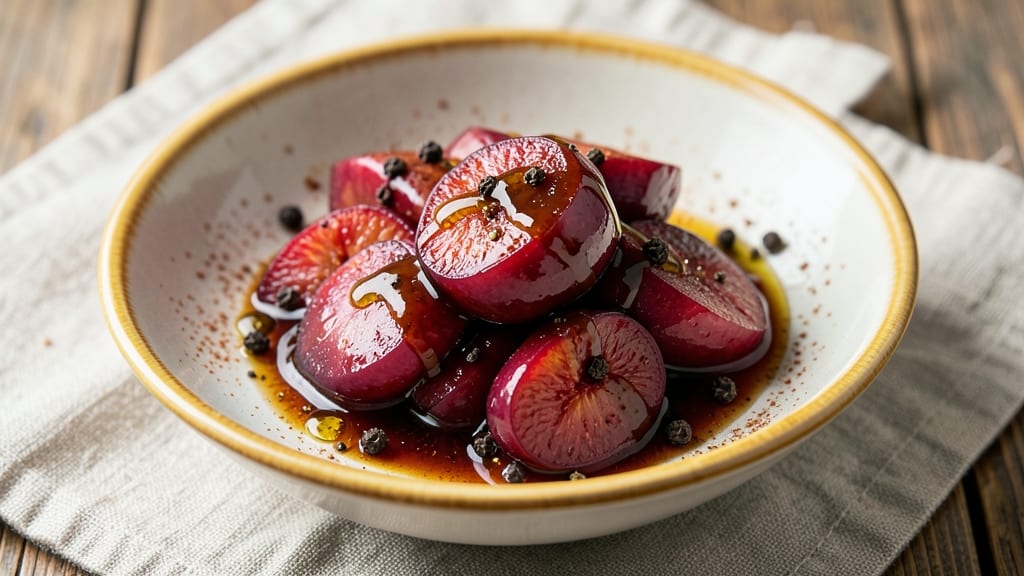
This balsamic plum sauce recipe transforms simple ingredients into a versatile glaze that elevates roasted meats with its perfect balance of sweetness and tang.
The deep caramel notes from balsamic vinegar meld beautifully with the natural fruitiness of plums, creating a sauce that's rich yet bright—ideal for drizzling over grilled chicken, pork, or even cheese boards.
I developed this recipe after years of experimenting with fruit-based glazes, and it's now my go-to for adding depth to any dish without overpowering the main ingredient.
The secret to this sauce lies in the slow reduction process, which concentrates the flavors and creates that signature glossy finish. You'll start with fresh plums (or frozen will work in a pinch), simmered with balsamic vinegar, sugar, and a touch of cinnamon for warmth.
The sauce thickens as it reduces, developing a syrupy texture that clings beautifully to meat or vegetables. What makes it truly special is its versatility—it works as a glaze, a dipping sauce, or even a dessert topping when paired with ricotta or vanilla ice cream.
What you'll end up with is a sweet-tart glaze that's restaurant-quality yet simple to make at home. The balsamic adds complexity, while the plums provide natural sweetness that won't overpower your dish.
This sauce keeps well in the refrigerator for up to two weeks, making it perfect for meal prep or gifting. Whether you're hosting a dinner party or just looking to elevate a weeknight meal, this glaze will become your new kitchen essential.
Pair it with grilled lamb chops, roasted pork tenderloin, or even as a drizzle over fresh mozzarella and prosciutto for a quick appetizer. The possibilities are endless, and once you taste the difference between store-bought and homemade, you'll never go back.
Let's get started on making this sauce that's sure to impress.
Ingredients for balsamic plum sauce
Eight simple ingredients create this restaurant-worthy glaze that transforms any roasted meat.
| Ingredient | Amount | Notes |
|---|---|---|
| Fresh Plums 🍑 | 2 cups | Pitted, sliced (frozen works too) |
| Balsamic Vinegar 🍷 | ½ cup | Aged for deeper flavor |
| Granulated Sugar 🍚 | ½ cup | Light brown sugar for caramel notes |
| Ground Cinnamon 🌿 | 1 tsp | For subtle warmth |
| Fresh Lemon Juice 🍋 | 2 tbsp | Brightens the sauce |
| Extra-Virgin Olive Oil 🫒 | 1 tbsp | For glossy finish |
| Salt 🧂 | ½ tsp | Kosher or sea salt |
| Water 💧 | ¼ cup | For thinning if needed |
The plums are the heart of this sauce—fresh is best, but frozen plums work in a pinch if you're in a hurry. I always grab Italian prune plums from the store, but any ripe plum variety will do. The balsamic vinegar should be aged (look for 'aged' or 'extra aged' on the label)—it gives that deep, caramelized flavor that makes this sauce special. Trader Joe's and Whole Foods usually carry good options, but even the regular grocery store stuff works if it's not that vinegar-y tangy kind. For the sugar, light brown adds subtle caramel notes, but white works too if that's what you've got.
No fresh plums? Peaches or apricots make great substitutes—they'll give you a different but equally delicious twist. Short on balsamic? Red wine vinegar with a splash of maple syrup gets you close. The cinnamon is optional but adds warmth—if you skip it, just boost the sugar slightly. For a smoother sauce, strain out the fruit after cooking. If you end up with it too thick, just add a splash of water or a little more balsamic. And trust me, the olive oil at the end is worth it—it gives that glossy finish that makes everything look (and taste) restaurant-quality.
This sauce keeps beautifully—up to 2 weeks in the fridge once cooled. I like to store it in a small glass jar so it's ready to drizzle whenever I need it. It also freezes well for up to 6 months if you want to make a big batch for gifting. The flavors actually deepen over time, so leftovers often taste even better. Just give it a quick stir before using, and if it thickens too much, warm it gently with a splash of water. Perfect for meal prep or impressing guests!
Why You'll Love This Recipe
- Five-Ingredient Magic: I swear, this sauce comes together with stuff you already have—no fancy gadgets, no stress. Just chop plums, toss in vinegar and sugar, and let the cinnamon and lemon work their charm while you sip your coffee.
- Sweet-Tart Balance: That first bite of rich, jammy plums cut by bright lemon and the deep, tangy punch of balsamic? It’s like dessert met a sophisticated cocktail. Honestly, I’ll drizzle it on everything now.
- Weeknight Hero: Dinner guests? Last-minute BBQ? Slather it on grilled chicken, toss with pasta, or serve it cold with cheese—it’s the kind of sauce that turns "meh" into "wow" without trying too hard.
- Make-Ahead Treasure: Simmer it down, let it thicken, and store it for weeks. The flavors only get better as it sits, and you’ll always have a pantry staple that costs pennies per serving. (Yes, even on a Tuesday night.)
Step-by-step instructions for balsamic plum sauce
Here's how to create a rich, tangy-sweet glaze that elevates any roasted meat dish.
Prepare the Plums for Cooking
Start by pitting and slicing the 2 cups of fresh plums into even ¼-inch thick pieces. I like to cut them into half-moons for consistent cooking. If using frozen plums, thaw them first and pat completely dry with paper towels—any excess moisture will dilute your sauce.
Transfer the plum slices to a medium saucepan and add the 0.5 cup granulated sugar and 1 teaspoon ground cinnamon. Stir gently to coat the plums evenly. The sugar will begin dissolving immediately, so give it a quick mix before adding other ingredients. This ensures the sweetness infuses properly throughout the cooking process.
Simmer the Plums Until Soft
Place the saucepan over medium heat and bring the mixture to a gentle simmer. You'll see small bubbles forming around the edges, but don't let it boil vigorously—this can cause the plums to break apart. Let it cook for 8-10 minutes, stirring occasionally, until the plums soften and begin to release their juices.
You'll know they're ready when a knife slides in easily and the mixture takes on a jam-like consistency. If the plums aren't soft enough after 10 minutes, give them another 2-3 minutes. The goal is a smooth, velvety texture that will form the base of your sauce.
Add Balsamic and Lemon for Depth
Once the plums are tender, reduce the heat to low and stir in the 0.5 cup balsamic vinegar and 2 tablespoons fresh lemon juice. The vinegar will bubble gently at first, but it should settle into a steady simmer within a minute. This is where the magic happens—the acidity from the lemon and tang of the balsamic will brighten the sweetness.
Let the mixture simmer uncovered for 5-7 minutes, stirring occasionally. You're looking for the sauce to thicken slightly and develop a glossy sheen. If it starts to stick to the pan, add 1-2 tablespoons of water from the 0.25 cup you've set aside—just enough to keep it moving freely.
Finish with Olive Oil and Salt
Remove the saucepan from heat and stir in the 1 tablespoon extra-virgin olive oil and 0.5 teaspoon salt. The olive oil adds richness and helps create that beautiful glossy finish. Taste the sauce and adjust the seasoning if needed—you might want a touch more salt or lemon juice to balance the sweetness.
Let the sauce cool slightly before serving. If it thickens too much as it cools, you can thin it with a splash of water. This sauce tastes even better after it sits for 30 minutes, allowing all the flavors to meld together. It pairs perfectly with roasted chicken, pork, or even as a drizzle over grilled vegetables.
Strain for a Smooth Glaze (Optional)
For a perfectly smooth sauce, strain it through a fine-mesh sieve into a clean bowl. This removes any plum skins or seeds, giving you a silky texture that's ideal for drizzling. If you prefer a rustic look with visible plum pieces, skip this step—just give it a quick stir before serving.
The strained version works beautifully as a glaze for roasted meats, while the rustic version adds texture and visual appeal. Either way, this sauce keeps well in the refrigerator for up to 5 days, making it perfect for meal prep. Just reheat gently before using to maintain its glossy consistency.
Pro Tips For Making Balsamic Plum Sauce
- PIT PLUMS FIRST: Start with pitted plums—no exceptions. I learned this the hard way when a stubborn pit survived the blender and ruined my sauce’s texture. If you’re short on time, microwave the plums for 20 seconds first to soften them before pitting.
- REDUCE LOW AND SLOW: Simmer the sauce on medium-low heat, uncovered, until it thickens to a syrupy consistency. Rushing it on high heat turns it into a sticky mess—trust me, I’ve made that mistake. Stir occasionally to prevent scorching, especially if your stove runs hot.
- BALANCE THE SWEET: Taste the sauce before adding all the sugar—it’s easy to overdo it. Balsamic vinegar and lemon juice add acidity, so start with half the sugar called for and adjust. My grandmother swore by this, and she was right: a well-balanced sauce doesn’t need to be cloyingly sweet.
- STRAIN THE SEEDS: After cooking, strain the sauce through a fine-mesh sieve to remove any lingering seeds or skin bits. It’s a small effort that makes a real difference in texture—no one wants to bite into a chunk of plum in their sauce. (Yes, even if you’re impatient like me.)
Pro cooking tips for great balsamic plum sauce
Heat Control Secrets
Start with medium heat when simmering the plums to avoid breaking them apart—this preserves their shape for that rustic texture. Once you add the balsamic vinegar, immediately reduce to low heat to prevent boiling.
I've ruined this sauce before by letting it boil too vigorously, which turns it into a thin syrup instead of a glossy glaze. 🌡️
Timing is Everything
The 8-10 minute plum simmer is crucial—undercooked plums leave a grainy texture, while overcooked ones turn mushy. I test doneness by inserting a knife: if it slides in easily but still has slight resistance, you're golden.
For the balsamic reduction phase, 5-7 minutes is perfect—any longer risks burning the vinegar's delicate flavors.
Thickness Adjustments
If your sauce thickens too much during cooking, add 1-2 tablespoons of water gradually while stirring. For a smoother consistency, strain through a fine-mesh sieve after cooling. I once made a batch so thick it resembled jam—adding just 1 tablespoon of balsamic vinegar brought it back to perfect glaze consistency.
The key is patience: let it cool before adjusting.
Flavor Balancing
Taste your sauce at the 30-minute mark—this is when flavors fully develop. If it's too sweet, add 1 extra tablespoon of lemon juice; if too tart, stir in ½ teaspoon more sugar.
The cinnamon should add warmth without overpowering. I keep a small bowl of fresh lemon juice nearby for last-minute adjustments—it's my secret weapon for perfect balance. 🍋
Equipment Matters
Use a medium saucepan with a heavy bottom (like All-Clad) to prevent scorching. A wooden spoon helps stir gently without scratching the pan. For straining, I prefer a fine-mesh sieve—it catches all the tiny plum bits while letting the sauce flow freely.
Don't skimp on quality here; cheap pans make all the difference in texture and flavor.
Make-Ahead Magic
This sauce tastes even better the next day as flavors meld. Store it in an airtight glass jar in the fridge for up to 2 weeks.
To reheat, warm gently in a small saucepan over low heat with 1 tablespoon of water—never microwave, as it destroys the glossy finish. I double the recipe specifically for this reason: leftovers are always better than fresh! ⏳
Nutrition facts
Frequently asked questions
Can I use canned plums instead of fresh?
Yes! Canned plums work perfectly—just drain and rinse them well first to remove excess syrup. For best results, choose plums packed in water rather than heavy syrup. You may need to add 1-2 extra tablespoons of sugar to compensate for the reduced sweetness. The texture will be slightly softer, but the flavor remains delicious.
How do I adjust the sweetness for different dishes?
For savory dishes like grilled meats, use the sauce as-is for a balanced sweet-tart flavor. For desserts or cheese boards, reduce the sugar by 2 tablespoons and add 1 extra tablespoon of lemon juice to enhance brightness. If serving with spicy foods, increase the sugar to ¾ cup to balance heat.
Why did my sauce turn out too thick?
This happens when the plums release too much liquid during cooking or the sauce reduces too long. Stir in 1-2 tablespoons of water or balsamic vinegar while warm to thin it out. For a smoother texture, strain through a fine-mesh sieve after cooling. The ideal consistency should coat the back of a spoon but still drizzle easily.
Can I make this sauce without balsamic vinegar?
Replace the balsamic with ½ cup red wine vinegar plus 1 teaspoon maple syrup for a similar tangy depth. For a fruitier alternative, try ½ cup apple cider vinegar—it adds subtle apple notes. The sauce will still develop that glossy finish, though the flavor profile will be slightly different.
What's the best way to reheat this sauce?
Gently warm it in a small saucepan over low heat with 1 tablespoon of water to restore its glossy texture. Never microwave—it creates a skin and dulls the shine. For best results, reheat just until warm (about 2-3 minutes), then stir in a fresh pat of butter or extra olive oil for extra richness.