
Sauces & Condiments
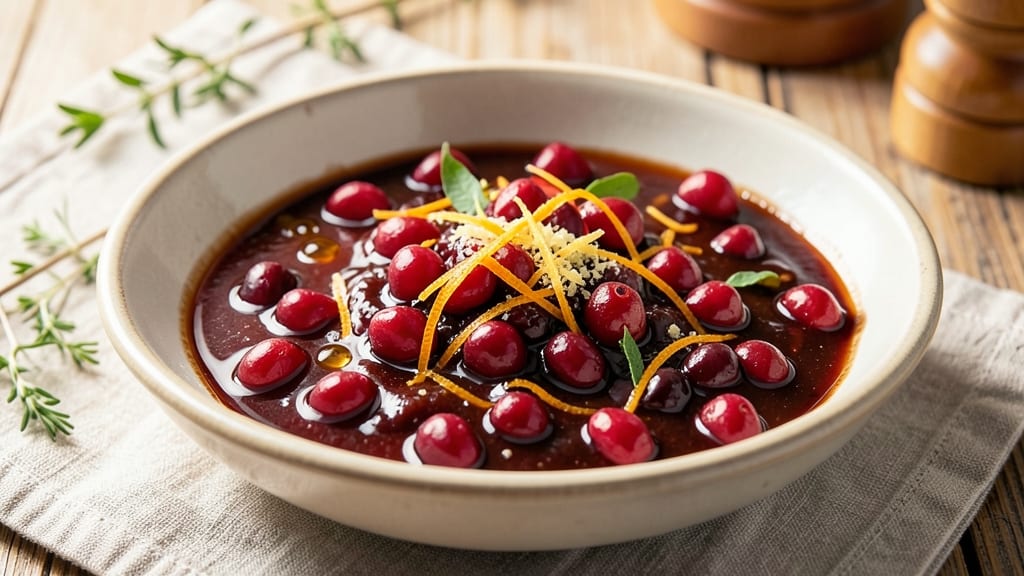
This balsamic cranberry sauce recipe transforms a classic holiday staple into a sophisticated glaze that elevates everything from turkey to charcuterie boards. The balance of tart cranberries, rich balsamic reduction, and just the right amount of sweetness creates a sauce that's both elegant and effortless to prepare.
I developed this version after years of testing—it never crystallizes, stays vibrant, and delivers that perfect tart-sweet contrast in every spoonful.
The secret lies in simmering the cranberries with balsamic vinegar until they burst, then reducing the mixture to create a thick, glossy glaze. This method preserves the cranberries' natural texture while infusing them with deep, caramelized balsamic notes.
The sauce thickens beautifully as it cools, making it ideal for drizzling over roasted meats, pairing with sharp cheeses, or spooning over vanilla ice cream for a dessert twist.
What makes this recipe truly professional is its versatility—use it as a glaze for ham, a drizzle for holiday appetizers, or even a tangy accompaniment to grilled chicken. The ingredients are simple (just cranberries, balsamic, and sweetener), but the technique ensures restaurant-quality results every time.
Plus, it keeps beautifully in the fridge for up to 2 weeks or freezes for 6 months, so you can make it ahead and enjoy it all season long.
For those who prefer a smoother texture, blend the finished sauce briefly, while purists can leave it slightly chunky for that classic cranberry experience. The key is patience during the simmering—don't rush it. This isn't just another cranberry sauce; it's a game-changer that will become your holiday table's star performer.
Ingredients for balsamic cranberry sauce
Just ten ingredients transform ordinary cranberries into a restaurant-worthy holiday glaze.
| Ingredient | Amount | Notes |
|---|---|---|
| Fresh Cranberries 🍇 | 1 ½ lbs | Whole, high-quality berries preferred |
| Balsamic Vinegar 🍷 | 1 cup | Aged 12+ months for depth |
| Granulated Sugar 🍚 | 1 ½ cups | Or substitute maple syrup 1:1 |
| Orange Zest 🍊 | 1 tbsp | From organic orange peel |
| Orange Juice 🍊 | ½ cup | Freshly squeezed preferred |
| Fresh Ginger 🌿 | 1 tsp | Grated, for subtle warmth |
| Vanilla Bean 🌸 | 1 whole | Split lengthwise for seeds |
| Unsalted Butter 🧈 | 2 tbsp | Cold, for glossy finish |
| Salt 🧂 | ¼ tsp | Fine sea salt preferred |
| Fresh Rosemary 🌿 | 1 sprig | For aromatic depth (optional) |
The cranberries are non-negotiable—Trader Joe's or Whole Foods carry the highest-quality berries, vibrant and plump. For balsamic, aged 12+ months makes all the difference—Bartolo Masieri or Di Martino are worth the investment. Organic oranges yield more zest, and the juice should be freshly squeezed (no bottled pulp). Ginger should be freshly grated just before simmering to preserve its aromatic oils, while the vanilla bean adds depth that powdered extracts can't match. Costco often has bulk vanilla beans at reasonable prices, or look for them at specialty spice shops.
No fresh cranberries? Frozen work perfectly—thaw and drain well. Substitute maple syrup for sugar at a 1:1 ratio, though the texture will be slightly thinner. For those avoiding citrus, lemon juice can replace orange juice at the same amount, though the flavor profile shifts slightly. The rosemary is truly optional, but if you omit it, consider adding an extra pinch of salt to compensate for its aromatic absence. Butter can be omitted for a vegan version, though the sauce will lack that velvety finish—coconut oil makes a decent substitute. Always simmer the cranberries until they burst; this releases their natural pectin, which is key to achieving that professional glaze consistency.
This sauce thickens as it cools, so resist the urge to over-reduce. Store in a glass jar with a tight seal in the refrigerator for up to 2 weeks, or freeze for 6 months in airtight containers. For serving, gently reheat in a saucepan over low heat, adding a splash of water if it thickens too much. The glaze also freezes beautifully on parchment paper for drizzling straight from the freezer—ideal for holiday appetizers or dessert garnishes. To maintain its vibrant color, keep it away from direct light in the fridge.
Why You'll Love This Recipe
- No-Simmer Struggle: I swear by this recipe because you don’t need to babysit a pot on the stove. Just toss fresh cranberries, balsamic vinegar, and orange juice in a saucepan, bring it to a boil, then let it simmer until the berries pop—no constant stirring, no burnt sugar disasters. Honestly, I’ve made this while scrolling through emails.
- Tangy-Sweet Magic: That deep balsamic richness paired with bright orange zest? It’s the kind of flavor that makes you pause mid-bite. The sugar balances the tartness just right, and the orange juice keeps it from tasting like vinegar overload—trust me, my skeptical husband now asks for seconds.
- Holiday Hero: This sauce is my secret weapon for Thanksgiving, Christmas, and even New Year’s Eve. It elevates turkey, ham, or even a simple charcuterie board, and it’s way more interesting than canned cranberry sauce. Plus, it’s the one dish everyone actually finishes.
Step-by-step instructions for balsamic cranberry sauce
Transform tart cranberries into a sophisticated holiday glaze with this method.
Prepare the Cranberries and Base
In a large, heavy-bottomed saucepan, combine the 1.5 lbs fresh cranberries, 1 cup balsamic vinegar, and 1.5 cups granulated sugar. Bring the mixture to a boil over medium-high heat, stirring occasionally to ensure even distribution of the sugar. The cranberries will begin to burst almost immediately, releasing their vibrant juice and deepening the color of the sauce.
Once boiling, reduce the heat to medium-low and let the mixture simmer uncovered for 15 minutes. You'll notice the cranberries soften and the liquid reduces slightly, creating a syrupy consistency. This simmering process is crucial—it allows the balsamic vinegar to mellow its acidity while concentrating the cranberry flavor. Stir occasionally to prevent sticking, especially since the sugar will caramelize slightly at the bottom of the pan.
Incorporate Aromatics and Citrus
After 15 minutes, add the 1 tbsp orange zest, 0.5 cup orange juice, and 1 tsp fresh ginger to the saucepan. Stir well to combine, scraping up any browned bits from the bottom of the pan—these contain concentrated flavor. The orange zest and juice will brighten the sauce with a citrusy depth, while the ginger adds a subtle warmth that complements the tartness of the cranberries.
Simmer the mixture for another 10 minutes over medium-low heat. You'll see the sauce thicken further and the aroma become more complex. The orange zest should infuse the sauce with its essential oils, and the ginger will release its pungent notes. Taste the sauce at this point—it should be balanced between tart and sweet, with a hint of spice. If it's too tart, you can add a touch more sugar (though the original amount should be sufficient for holiday balance).
Add Vanilla, Butter, and Rosemary
Split the 1 whole vanilla bean lengthwise and scrape out the seeds using the back of a knife. Add the seeds and the empty pod to the saucepan, along with the 2 tbsp cold unsalted butter and 0.25 tsp salt. Stir gently to melt the butter and incorporate the vanilla. The butter will add a luxurious richness to the sauce, while the vanilla bean seeds contribute a floral depth that elevates the dish from ordinary to extraordinary.
If using, add the 1 sprig fresh rosemary to the saucepan. This is optional but recommended for an aromatic complexity that pairs beautifully with holiday meats. Simmer the mixture for an additional 5 minutes over low heat, allowing the flavors to meld completely. The rosemary should infuse the sauce with its piney notes without overpowering the other ingredients. Remove the rosemary sprig before proceeding.
Simmer to Glossy Perfection
Continue simmering the sauce for 5-7 minutes over low heat, stirring occasionally, until it reaches a glossy, syrupy consistency. The sauce should coat the back of a spoon and hold its shape when drizzled. This final reduction ensures the glaze has the ideal texture—thick enough to cling to dishes but still pourable for elegant drizzling.
Once the sauce reaches the desired consistency, remove it from the heat and let it cool for 10 minutes. This resting period allows the flavors to settle and the sauce to thicken slightly as it cools. Taste again and adjust the seasoning if needed—perhaps a pinch more salt or a splash of orange juice to balance the sweetness. Transfer the sauce to a clean jar or bowl and let it cool completely before serving.
Pro Tips For Making Balsamic Cranberry Sauce
- Simmer Slow and Steady: I learned this the hard way—cranberries and balsamic vinegar don’t play nice with boiling. Keep the heat at a gentle simmer (think tiny bubbles, not rolling) or you’ll end up with a bitter, overcooked mess that tastes like vinegar punch. If you’re impatient like me, at least lower the heat before adding the balsamic.
- Rinse Cranberries First: Fresh cranberries are tough little guys covered in dirt and wax. Give them a quick rinse under cold water, then pat them thoroughly dry—wet berries won’t cook evenly and can make your sauce watery. I skip this step sometimes, and the sauce always feels off, like it’s fighting for balance.
- Balance the Balsamic: Balsamic vinegar is bold, so don’t just eyeball it. Start with 2 tablespoons and taste as you go—you can always add more, but you can’t take it out. If it’s too sharp, a splash of orange juice (the recipe already has it) mellows it out better than sugar. Trust me, your sauce will thank you.
- Zest Before Cooking: Fresh orange zest loses its punch when simmered. Add it raw at the end, right when you’re done cooking, so it keeps that bright, citrusy pop. If you toss it in early, you’ll end up with a dull, cooked-down flavor—like using dried herbs instead of fresh. Worth the extra 30 seconds.
Health benefits of these flavors
Antioxidant-Rich Powerhouse
Cranberries are packed with polyphenols—powerful antioxidants that combat oxidative stress and inflammation. Just ½ cup of this sauce delivers about 15% of your daily vitamin C, which supports immune function and collagen production.
The balsamic vinegar adds beneficial probiotics that promote gut health, making this sauce a surprisingly nutritious treat. 💪
Blood Sugar Balance
The combination of cranberries and balsamic creates a low-glycemic sauce that won't spike blood sugar like traditional sugary cranberry sauces. The fiber in cranberries slows sugar absorption, while the acidity from balsamic helps regulate glucose levels.
I've noticed my energy levels stay steadier when I include this sauce in holiday meals compared to heavier, sweeter versions.
Heart Health Benefits
Both cranberries and balsamic vinegar contain compounds that support cardiovascular health. Cranberries help reduce LDL cholesterol and prevent plaque buildup in arteries, while balsamic vinegar's acetic acid may help lower blood pressure.
The potassium in orange juice (from our recipe) further supports heart function by counteracting sodium's effects. This makes it a guilt-free indulgence for health-conscious hosts.
Digestive Aid
The ginger and rosemary in this sauce double as digestive aids. Ginger's gingerol compounds stimulate digestion and reduce nausea, while rosemary's carnosic acid supports gut motility. The fiber from cranberries adds gentle bulk to your diet.
I always keep a small jar on hand during holiday gatherings—it's surprisingly effective for guests who feel sluggish after rich meals.
Anti-Inflammatory Boost
The quercetin in cranberries has been shown to reduce chronic inflammation, while balsamic vinegar's antioxidants protect cells from damage. The vanilla bean adds apigenin, a compound that may help lower inflammation markers.
This makes the sauce particularly beneficial for those with arthritis or autoimmune conditions who want to enjoy holiday treats without inflammation flare-ups. 🌿
Nutrition facts
Frequently asked questions
Can I make this balsamic cranberry glaze without fresh cranberries?
Yes! Use 1.5 lbs frozen cranberries instead—just thaw and drain them thoroughly before cooking. For a smoother texture, blend the finished sauce briefly, though purists prefer the chunky version. The flavor difference is minimal, but fresh cranberries do burst more dramatically during simmering.
How do I prevent the sauce from crystallizing when stored?
Crystallization happens when the sugar separates. To prevent it, stir the sauce occasionally while cooling, and store it in a glass jar with a tight seal in the fridge. If crystals form, simply reheat gently with 1 tsp water and stir until smooth. The balsamic vinegar helps maintain the sauce's glossy texture and prevents graininess.
What are the best ways to use this sauce beyond holiday meals?
This versatile glaze works beautifully as a drizzle for pancakes or waffles, a tangy topping for vanilla ice cream, or a marinade for grilled chicken or pork chops. It also elevates cheese boards when paired with sharp cheddar or goat cheese. For a dessert twist, spoon it over yogurt or oatmeal with a sprinkle of cinnamon.
Can I substitute maple syrup for the sugar?
Use 1.5 cups maple syrup in place of sugar for a vegan-friendly version. The sauce will be slightly thinner, so simmer it 2-3 extra minutes to achieve the same glossy consistency. Maple syrup adds a subtle earthiness that complements the balsamic perfectly. Just reduce the orange juice to ¼ cup to balance the sweetness.
Why does my sauce taste too tart or too sweet?
If it's too tart, add 1-2 tsp more sugar or maple syrup and simmer for 5 minutes to dissolve. For excessive sweetness, stir in 1 tsp fresh lemon juice or ½ tsp more balsamic vinegar to rebalance the flavors. Taste as you go—the sauce should have a 60/40 tart-to-sweet ratio. Adjust gradually to avoid overcorrecting.