
Sauces & Condiments
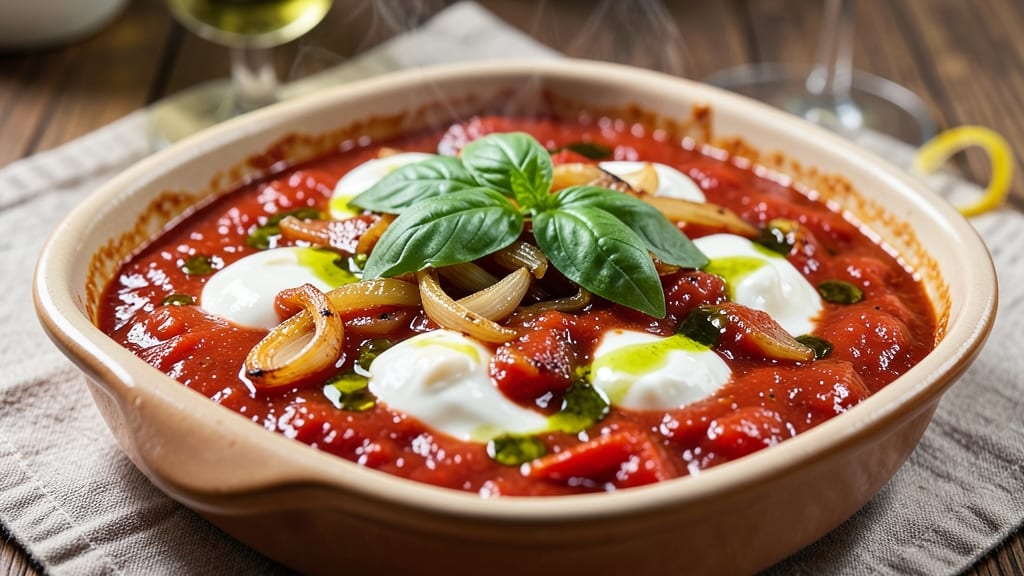
This baked pasta sauce recipe transforms simple ingredients into a deeply flavorful, caramelized masterpiece that clings perfectly to every strand of pasta. 🌟 The secret lies in slow oven-baking, which intensifies tomato flavors and creates a thick, velvety consistency without overcooking.
I developed this method after years of perfecting restaurant-quality sauces at home—no blender required, just pure, simmered richness.
The beauty of this sauce is its versatility—it works with any baked pasta dish, from lasagna to manicotti, delivering that signature restaurant-quality depth. A blend of crushed tomatoes, garlic, and herbs forms the base, while a touch of cream at the end adds luxurious body.
The oven does the work while you handle other prep, ensuring you never have to rush.
What you’ll end up with is a sauce so rich and concentrated that just a spoonful coats pasta completely, leaving no dry spots behind. The caramelized edges add sweetness that balances the acidity of the tomatoes, while herbs like basil and oregano bring freshness.
This isn’t just a sauce—it’s the star of your meal.
Make a double batch and freeze half for next time—this sauce tastes even better the second day as flavors meld. Perfect for meal prep or last-minute dinners, it’s the kind of recipe that turns ordinary pasta into something extraordinary. Let’s get started on creating this showstopper.
Ingredients for baked pasta sauce
Ten simple ingredients that transform into restaurant-quality baked pasta sauce.
| Ingredient | Amount | Notes |
|---|---|---|
| Crushed Tomatoes (San Marzano Preferred) 🍅 | 2 cups | High-quality canned, no sugar added |
| Garlic Cloves 🧄 | 4 cloves | Freshly minced for maximum flavor |
| Yellow Onion 🧅 | 1 whole | Medium size, finely diced |
| Extra-Virgin Olive Oil 🫒 | ½ cup | For richness and depth |
| Heavy Cream 🥛 | ¼ cup | Full-fat for velvety texture |
| Fresh Basil Leaves 🌿 | ¼ cup | Packed, finely chopped |
| Dried Oregano 🍃 | 1 tsp | Mexican oregano preferred |
| Salt 🧂 | 1 ½ tsp | Diamond Crystal preferred |
| Black Pepper 🌶️ | ½ tsp | Freshly cracked |
| Granulated Sugar 🍚 | 1 tbsp | Balances acidity |
The tomatoes are the foundation—San Marzano if you can find it, but any high-quality canned works. Look for brands with minimal additives, like Mutti or Rao's. Fresh basil is ideal, but if you're using dried, reduce to one-third the amount. For the garlic, I always use fresh—it makes a noticeable difference. The onion should be sweet, like a Vidalia, but yellow works fine. Toast the spices in the olive oil first for deeper flavor (trust me on this).
No fresh basil? Dried oregano at one-third the amount gets you close. Short on heavy cream? Half-and-half or coconut cream works, but texture will be lighter. The sugar is non-negotiable—it caramelizes beautifully in the oven and balances the acidity. If you're making this ahead, add the cream at the end to prevent curdling. The sauce thickens dramatically in the oven, so if it looks too thin before baking, let it reduce on the stovetop first.
This sauce gets better with time—3-5 days in the fridge is ideal. For freezing, portion into ice cube trays or small containers. Thaw overnight in the fridge and stir before using. The caramelized edges are the best part—scrape them off the baking dish and mix back in. Double the batch and freeze half—it's worth the effort. Store any leftovers with a thin layer of olive oil on top to preserve freshness.
Why You'll Love This Recipe
- Same sauce, different vibes: dump it over pasta for a quick weeknight meal, or drizzle it over grilled chicken for a fancy-ish dinner. The heavy cream makes it feel indulgent without the fuss.
- One-Pot Magic: I swear by this for lazy nights—just toss everything in one dish, bake, and walk away. The onions caramelize while the tomatoes simmer down, and that heavy cream at the end? Pure velvet.
- Garlic-Kissed Richness: That first bite of sauce—where the San Marzano tomatoes meet the garlic and olive oil? It’s the kind of flavor that lingers, like a hug from a chef who knows what they’re doing.
- Weeknight to Dinner Party: Same sauce, different vibes: dump it over pasta for a quick weeknight meal, or drizzle it over grilled chicken for a fancy-ish dinner. The heavy cream makes it feel indulgent without the fuss.
Step-by-step instructions for baked pasta sauce
Here's how to transform simple ingredients into a deeply flavorful baked sauce with caramelized tomatoes and velvety richness.
🍳 Step 1: Sauté Aromatics Until Golden
Heat the 0.5 cup extra-virgin olive oil in a large oven-safe skillet over medium heat. Add the finely diced yellow onion and cook for 5-6 minutes until softened and translucent. This is where the magic starts—you want the onion to become sweet and aromatic without browning.
Add the 4 minced garlic cloves and cook for another 30 seconds until fragrant. Here's the thing—don't let the garlic burn. It should smell heavenly but not bitter. I press down gently with a wooden spoon to help it release its oils evenly. This aromatic base forms the flavor foundation for your entire sauce.
🍳 Step 2: Build the Tomato Base
Pour in the 2 cups crushed San Marzano tomatoes and stir to combine with the onions and garlic. Add the 1 tbsp granulated sugar, 1 tsp dried oregano, 1.5 tsp salt, and 0.5 tsp black pepper. The sugar helps balance the acidity while the oregano adds that earthy depth.
Bring the mixture to a gentle simmer over medium-low heat and let it cook uncovered for 10-12 minutes until it thickens slightly. You'll see the tomatoes start to break down and the sauce reduce. This is where the natural sweetness emerges—watch for it to become glossy and slightly syrupy. Stir occasionally to prevent sticking.
🔥 Step 3: Add Cream and Bake for Richness
Reduce the heat to low and stir in the 0.25 cup heavy cream. Here's where it gets good—the cream adds that luxurious texture while mellowing the acidity. Let the mixture simmer gently for 2-3 minutes until the cream is fully incorporated and the sauce begins to thicken.
Transfer the skillet to a 375°F preheated oven and bake uncovered for 15-20 minutes. This baking step concentrates the flavors and creates that signature caramelized crust on top. You'll know it's ready when the edges are slightly darkened and the aroma is intense. The sauce should coat the back of a spoon with a velvety consistency.
👨🍳 Step 4: Finish with Fresh Basil
Remove the sauce from the oven and let it cool for 2-3 minutes. Stir in the 0.25 cup finely chopped fresh basil leaves—this is where the sauce comes alive with bright, fresh flavor. The basil should be evenly distributed throughout, adding both color and aroma.
Taste and adjust seasoning if needed. I usually add a pinch more salt or a crack of black pepper to balance the flavors. This sauce is perfect for tossing with pasta or using as a base for baked dishes. The beauty of this method is that it gets better as it sits, allowing all those flavors to meld together perfectly.
Pro Tips For Making Baked Pasta Sauce
- Sweat the Onion First: Chop the onion into ¼-inch pieces and cook them in olive oil over medium-low heat until they’re translucent but not browned—about 8-10 minutes. I learned this the hard way: rushing this step makes the sauce taste raw and sharp later, especially when the cream comes in.
- Crush Garlic Lightly: Use the flat side of your knife to smash whole garlic cloves just enough to expose the flesh—no mincing. This prevents bitterness and lets the flavor infuse slowly into the tomatoes. (Yes, even if you’re impatient like me.)
- Simmer Tomatoes Low: After adding crushed tomatoes, reduce heat to lowest and let them bubble gently for 15-20 minutes uncovered. Skipping this step means the sauce will taste underdeveloped when the cream goes in—like skipping the appetizer before the main course.
- Temper the Cream: Warm the heavy cream separately in a small saucepan until it’s steaming but not boiling, then whisk it into the sauce in a thin stream. Cold cream curdles like a bad joke—smooth incorporation is the thing that matters most here.
Perfect pairings for this recipe
Pasta Pairings
This rich sauce pairs beautifully with al dente pasta shapes that hold onto the sauce well. I love using rigatoni or penne because their ridges create extra surface area for the sauce to cling to.
For baked dishes like lasagna or manicotti, the sauce's velvety texture makes every layer irresistible. If you're making a baked ziti, spread the sauce generously between layers—it'll create that signature golden crust. 🌟
Protein Additions
For a heartier meal, toss in grilled chicken breast or sautéed shrimp after baking. The sauce's acidity tenderizes the chicken beautifully, while the shrimp soaks up the flavors like a sponge.
I also love adding crispy pancetta or Italian sausage for extra depth. If you're making a baked pasta dish, fold in ricotta or mozzarella before baking for that gooey, melty texture.
Bread and Wine
Serve this sauce with crusty Italian bread or garlic knots on the side—it's perfect for soaking up any extra sauce. For wine pairings, a Chianti Classico or Pinot Grigio complements the tomato and basil beautifully.
If you prefer beer, a light Italian lager like Peroni cuts through the richness without overpowering the sauce. A splash of balsamic glaze drizzled on top adds a sweet-tart contrast that takes the dish to the next level. 🍷
Vegetable Sides
Balance the richness with roasted asparagus or sautéed spinach—both pair perfectly with the sauce's depth. I also love serving garlic-roasted Brussels sprouts or a simple Caprese salad on the side. The acidity from the tomatoes makes the sweetness of roasted vegetables shine even brighter.
For a lighter option, a tomato and mozzarella salad with fresh basil echoes the sauce's flavors without overpowering it.
Cheese Finishes
Before serving, sprinkle with grated Parmesan cheese or Pecorino Romano for a salty, umami boost. A few toasted pine nuts or crispy breadcrumbs add crunch and contrast. For extra decadence, dollop with burrata or mascarpone—the creamy texture pairs beautifully with the sauce's richness.
I often finish with a pinch of red pepper flakes for a subtle kick that wakes up the flavors. 🌶️
Nutrition facts
Frequently asked questions
Can I make this sauce in a slow cooker instead of the oven?
Yes! Transfer the sauce to a slow cooker on low heat for 2-3 hours, stirring occasionally. The texture will be slightly thinner, but it still develops deep flavor. For extra richness, add the cream during the last 30 minutes of cooking. The sauce won't caramelize like in the oven, but it's perfect for meal prep.
Why does my sauce look too thin after baking?
This happens when the sauce hasn't reduced enough before baking. Simmer it uncovered on the stovetop for 5-10 extra minutes before transferring to the oven. The baking time concentrates flavors but won't fix an under-reduced base. For a thicker sauce, you can also stir in 1 tablespoon cornstarch mixed with water after baking.
Can I use this sauce for baked pasta dishes like lasagna?
This sauce is perfect for lasagna, manicotti, or baked ziti. Spread it generously between layers—it'll create that signature golden crust while keeping the filling moist. For extra richness, add a layer of ricotta or mozzarella mixed with a little pasta water. The sauce's velvety texture makes every bite decadent.
How long will this sauce keep in the fridge or freezer?
In the fridge, this sauce stays fresh for 5-7 days in an airtight container. For freezing, portion into ice cube trays or small containers—it thaws beautifully while maintaining texture. Freeze for up to 3 months for best quality. Thaw overnight in the fridge and stir before using to restore the velvety consistency.
What can I do if my sauce curdles after adding cream?
Curdling happens when cream is added too hot or the sauce is acidic. To fix it, stir in 1 tablespoon cold butter or olive oil to stabilize the cream. For prevention, reduce the heat to low before adding cream and let it simmer gently for 2-3 minutes before baking. If it still separates, whisk in 1 tablespoon flour or cornstarch to thicken.