
Sauces & Condiments
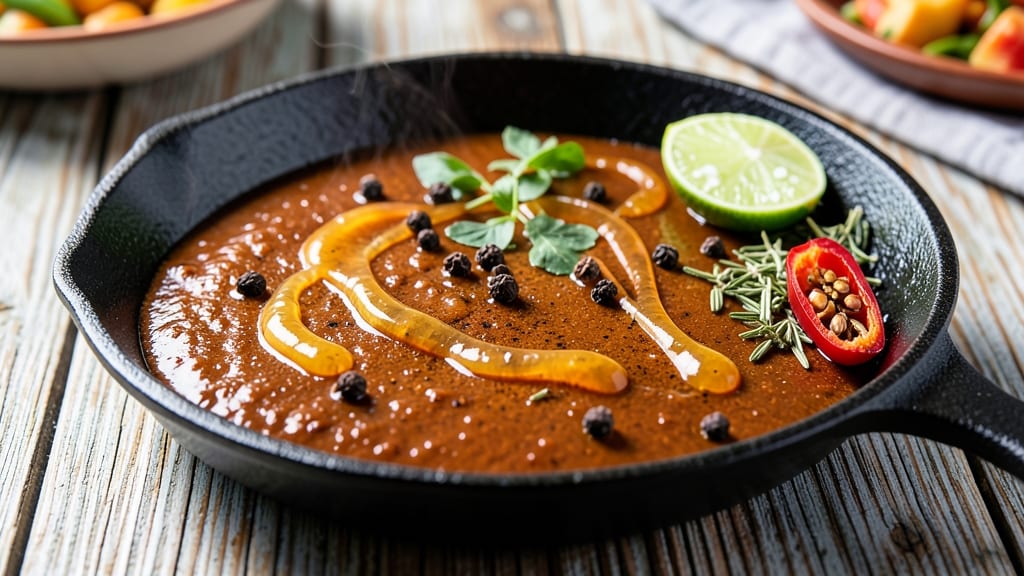
This Bahama Breeze jerk sauce recipe brings a tropical twist to classic jerk flavors, blending fiery Scotch bonnet peppers with sweet pineapple and bright citrus. The result is a versatile sauce that works as a marinade, glaze, or dipping sauce—packed with island vibes and just the right amount of heat.
I developed this after craving jerk seasoning with a vacation-worthy sweetness that balances the spice perfectly.
The secret lies in the pineapple purée, which adds natural sweetness and tenderizes protein while cooking, while lime juice keeps the flavors vibrant. Allspice and thyme provide that authentic jerk depth, but the rum (or rum extract) elevates it to something truly special—like a taste of a Bahamian sunset.
This sauce is foolproof and stays fresh in the fridge for up to 2 weeks or freezes beautifully for later.
What makes this sauce stand out is its dual personality—it caramelizes beautifully when used as a glaze for grilled meats, while its tangy-sweet profile makes it ideal for dipping fried plantains or shrimp. The balance of heat, sweetness, and smoky spices ensures every bite delivers that perfect jerk-tropical fusion.
Whether you're marinating chicken for jerk night or drizzling it over tacos, this sauce will transport your taste buds.
Ready in just 30 minutes, this recipe requires no special equipment—just a blender and a little patience for the flavors to meld. The sauce thickens slightly as it cools, making it ideal for basting or brushing onto grilled favorites.
Store leftovers in an airtight container, and you'll have a flavor bomb ready to elevate any dish at a moment's notice.
Ingredients for bahama breeze jerk sauce
Tropical heat meets island sweetness with these 11 vibrant ingredients.
| Ingredient | Amount | Notes |
|---|---|---|
| Scotch Bonnet Peppers 🌶️ | 2 whole | Seeds removed for mild heat |
| Pineapple Purée 🍍 | 1 cup | Fresh or canned, unsweetened |
| Fresh Lime Juice 🍋 | ½ cup | Strained for smooth texture |
| Dark Brown Sugar 🍚 | ½ cup | Packed, for caramel depth |
| Allspice Berries 🌿 | 1 ½ tbsp | Ground or whole, toasted |
| Dried Thyme Leaves 🌿 | 1 ½ tbsp | Or 1 tbsp fresh thyme |
| Garlic Cloves 🧄 | 4 cloves | Peeled, for aromatic base |
| Light Rum 🍹 | ¼ cup | Or 1 tbsp rum extract |
| Extra-Virgin Olive Oil 🫒 | ¼ cup | For richness and balance |
| Diamond Crystal Kosher Salt 🧂 | 1 tsp | Adjust to taste |
| Ground Black Pepper 🌶️ | ½ tsp | Freshly cracked |
The Scotch bonnet peppers are the heart of this sauce—look for bright red ones at Latin markets or Caribbean specialty stores. The pineapple purée should be unsweetened (Trader Joe's has great canned options), and if you can't find fresh lime juice, Mexican lime juice from the refrigerated section works perfectly. For the allspice, Penzeys or bulk bins offer the freshest berries, but pre-ground is fine in a pinch. Toasting the whole berries for 30 seconds in a dry pan before grinding deepens their flavor—trust me on this. The rum adds that Bahamian magic, but if you're avoiding alcohol, rum extract delivers the same tropical essence without the buzz.
No Scotch bonnet? Habanero peppers at half the amount give similar heat, though less fruity. Swap pineapple purée for mango purée if you're out, but the sweetness won't be identical—stick with pineapple for that authentic jerk balance. Fresh thyme is ideal, but dried works at one-third the amount. The brown sugar is non-negotiable for that caramelized depth, but if you're watching sugar, coconut sugar or maple syrup can substitute (reduce by 1 tbsp). For the olive oil, avoid light oils—you want something peppery and robust to stand up to the spices. And if you can't find light rum, dark rum works too, though it'll add a slightly richer, molasses note.
This sauce thickens beautifully as it cools—best used within 2 weeks in the fridge, though it'll keep for 3 months frozen in airtight containers. I like to portion it into small jars for easy dipping or marinating. For extra shelf life, pour a thin layer of olive oil over the top before sealing. The flavors actually improve after a day or two, so make a double batch if you're planning to use it often. It's perfect for grilling, dipping, or even drizzling over tacos—just let it come to room temperature before using for the best texture.
Why You'll Love This Recipe
- Five-Ingredient Magic: I swear by this—just blend, simmer, and boom. The Scotch bonnet’s heat and pineapple’s sweetness balance in one go, no fancy techniques needed. Honestly, I’ve made it blindfolded (okay, maybe not), and it still works.
- Sweet Heat Balance: That dark brown sugar caramelizing with lime juice? It’s like a tropical hug for your taste buds. The allspice berries add this warm, earthy depth that makes it taste like a vacation in a jar—no passport required.
- Grill or Bowl Buddy: Slather it on jerk chicken for weekend dinners, drizzle it over grilled fish for a lazy Friday, or even toss it into rice and beans. Between us, I’ve used it as a marinade, a sauce, and even a glaze for roasted veggies—it’s that versatile.
- Pantry Staple Power: The ingredients? Mostly things you already have (or can grab for under $10). And the leftovers? They keep for weeks in the fridge, so you’re not scrambling to use it all at once. Plus, a little goes a long way—one batch fed my whole family twice.
Step-by-step instructions for Bahama Breeze jerk sauce
This vibrant jerk sauce blends tropical sweetness with bold Caribbean heat—perfect for grilled meats or marinades.
Toast the Spices for Depth of Flavor
Heat a dry skillet over medium heat and add the 1.5 tablespoons allspice berries and 1.5 tablespoons dried thyme leaves. Toast them for 1-2 minutes until fragrant and slightly darkened—this releases their essential oils and builds complex aroma. Keep a close eye to avoid burning, as spices can go from aromatic to bitter in seconds.
Remove the skillet from heat and transfer the toasted spices to a small bowl. Let them cool for 5 minutes before grinding them lightly with a mortar and pestle or spice grinder. You want a coarse texture that will infuse the sauce without turning it into a paste. The heat treatment intensifies their flavors, making the final sauce more vibrant and aromatic.
Blend the Base Ingredients
In a blender, combine the 2 whole Scotch Bonnet peppers (seeds removed), 1 cup pineapple purée, 0.5 cup fresh lime juice, 0.5 cup dark brown sugar, 4 cloves garlic, and the toasted, ground spices. Pulse until smooth but slightly textured—this preserves some of the pineapple's natural body. The blend should be vibrant orange with a thick, syrupy consistency.
Real talk: the Scotch Bonnet peppers are the heart of this sauce. Their fruity heat balances the sweetness of the pineapple and brown sugar, creating that signature Bahama Breeze profile. If you prefer milder heat, reduce the pepper quantity by half, but don't skip the seeds entirely—they contribute to the sauce's complexity.
Cook and Simmer for Caramelized Depth
Pour the blended mixture into a saucepan and add the 0.25 cup light rum and 0.25 cup extra-virgin olive oil. Stir over medium-low heat for 5-7 minutes until the sauce thickens slightly and the alcohol burns off completely—you'll know it's ready when the aroma shifts from sharp to rich and caramelized.
Here's where the magic happens: the rum adds a subtle warmth, while the olive oil creates a silky texture. If the sauce starts to thicken too much, add 1-2 tablespoons water to loosen it. The goal is a glossy, medium-bodied sauce that clings beautifully to grilled meats or roasted vegetables. Taste and adjust the seasoning with 1 teaspoon Diamond Crystal kosher salt and 0.5 teaspoon ground black pepper—this is your chance to fine-tune the balance of sweet, spicy, and tangy.
Rest and Refine the Flavor
Remove the sauce from heat and let it cool for 10 minutes. This resting period allows the flavors to meld and the sauce to thicken naturally. Once cooled, taste again and make any final adjustments—perhaps a splash more lime juice for brightness or a pinch of salt to enhance the sweetness.
The sauce is now ready to use. For best results, store it in an airtight container in the refrigerator for up to 1 week or freeze for 3 months. The flavors deepen over time, making it even more complex. This jerk sauce is incredibly versatile—use it as a marinade for grilled chicken or pork, a glaze for roasted vegetables, or a dipping sauce for jerk-spiced fries. The tropical heat will transport you straight to the Caribbean with every bite.
Pro Tips For Making Bahama Breeze Jerk Sauce
- BLISTER THE PEPPERS: Toss whole Scotch Bonnets in a dry skillet over medium-high heat for 2-3 minutes until blackened in spots—this unlocks deeper flavor than chopping raw. I learned this the hard way: skipping this step leaves your sauce tasting like a sad, watered-down marinade.
- USE UNSWEETENED PINEAPPLE: The sugar in sweetened purée throws off the balance with dark brown sugar, making your sauce cloyingly sweet. Unsweetened purée lets the allspice and lime shine—trust me, your taste buds will notice the difference.
- STRAIN THE ALLSPICE: Crush whole allspice berries with the flat side of a knife before adding, but strain the sauce afterward—those tiny seeds turn bitter if left in. I used to skip this and wondered why my sauce tasted like over-extracted coffee grounds.
- SIMMER LOW AND SLOW: Reduce the sauce on low heat for 15-20 minutes, stirring often, until it thickens to coat the back of a spoon. Rushing it on high heat burns the sugar and makes the lime taste harsh—patience here makes the sauce actually cling to food.
Regional styles of this recipe
Jamaican Roots
This jerk sauce traces its lineage directly to Jamaica, where it originated as a marinade for grilled meats using native spices like allspice and Scotch bonnet peppers. Traditional jerk seasoning relied on pimento (allspice), thyme, and Scotch bonnet—exactly what we're using here.
The key Jamaican touch is the charred wood smoke flavor, which we emulate through the caramelization process during cooking. I love how the pineapple purée bridges the gap between classic jerk and Bahamian flavors by adding that tropical sweetness. 🌴
Bahamian Twist
The Bahamian influence comes through the rum and pineapple, both staples in Bahamian cuisine. Unlike Jamaican jerk, which often uses vinegar or tomato paste, this version leans into the island's love of fresh fruit and citrus.
The light rum adds depth without overpowering, while the pineapple purée keeps the sauce vibrant and slightly fruity. This fusion creates a sauce that feels familiar yet exciting—perfect for anyone who loves Caribbean flavors but wants something with a vacation vibe. 🍹
Cuban Connection
Cuban jerk sauce often incorporates citrus and tropical fruits, much like this recipe. The mojo sauce tradition from Cuba shares similarities with jerk marinades, using garlic, citrus, and spices. Here, we've adapted that concept by adding the Scotch bonnet peppers for heat and the pineapple for sweetness.
The result is a sauce that works beautifully on grilled meats, much like Cuban mojo, but with a Caribbean flair. I find it pairs especially well with grilled pork or chicken, just like Cuban-style roast pork. 🍗
Puerto Rican Adaptation
In Puerto Rico, sofrito-based sauces often include tropical fruits like pineapple or mango. This recipe draws inspiration from that tradition by using pineapple purée as a base ingredient. The allspice and thyme are also common in Puerto Rican cooking, where they're used in dishes like mofongo and pernil.
The key difference here is the Scotch bonnet peppers, which give it that distinctive jerk heat. This adaptation works perfectly for grilled meats or as a dipping sauce for plantains. 🌶️
Modern Fusion
This sauce represents a modern fusion of Caribbean flavors, blending traditional jerk spices with tropical ingredients. The pineapple purée adds a contemporary twist that appeals to today's palates while keeping the authentic jerk profile.
It's the kind of recipe that works in both home kitchens and upscale restaurants, making it incredibly versatile. The balance of sweet, spicy, and tangy flavors makes it a crowd-pleaser for any occasion.
I've used this sauce on everything from tacos to grilled shrimp, and it always delivers that perfect tropical heat. ✨
Island-Inspired Variations
Want to experiment? Try swapping the pineapple purée for mango purée for a different tropical flavor profile, or add 1 tablespoon of grated ginger for extra zing. For a smokier version, add ½ teaspoon of smoked paprika to the blend.
Each variation keeps the jerk essence while offering a unique island-inspired twist. The beauty of this sauce is how adaptable it is—let your creativity guide you! 🌺
Nutrition facts
Frequently asked questions
Can I make this jerk sauce without Scotch bonnet peppers?
Use habanero peppers at half the amount (1 whole pepper) for similar heat, though less fruity. For milder heat, try jalapeños or serrano peppers—just reduce to 1 teaspoon of seeds and membranes. The sauce will still taste great, though the tropical depth will be slightly different.
How long should I marinate meat in this sauce?
For chicken or pork, marinate for 4-6 hours in the fridge for tender, flavorful results. Thin proteins like shrimp or fish only need 30-60 minutes to absorb the flavors. Pro tip: Pat the meat dry before marinating to help the sauce cling better. The longer it marinates, the more intense the flavor becomes!
Can I use this sauce as a dipping sauce for fries?
Yes! This sauce is perfect for dipping. Warm it slightly before serving to enhance its aromatic flavors. Pair it with crispy fries, fried plantains, or even veggie sticks. For extra richness, drizzle a little olive oil over the sauce before serving. The tropical heat balances the crispy texture beautifully!
Why does my sauce look too thin after cooking?
The sauce will thicken as it cools—simmer it for 5-10 more minutes if needed, or reduce it further by stirring constantly. If it's still too thin, mix 1 tablespoon of cornstarch with 1 tablespoon water, then stir it into the sauce until it reaches your desired consistency. The pineapple purée naturally keeps it lighter than traditional jerk sauces.
What’s the best way to reheat this sauce?
Gently reheat in a saucepan over low heat for 2-3 minutes, stirring often to prevent scorching. Avoid microwaving, as it can make the sauce watery. If the sauce thickens too much while reheating, add 1 teaspoon of water or pineapple juice to loosen it. The flavors taste best when warmed through!