
Sauces & Condiments
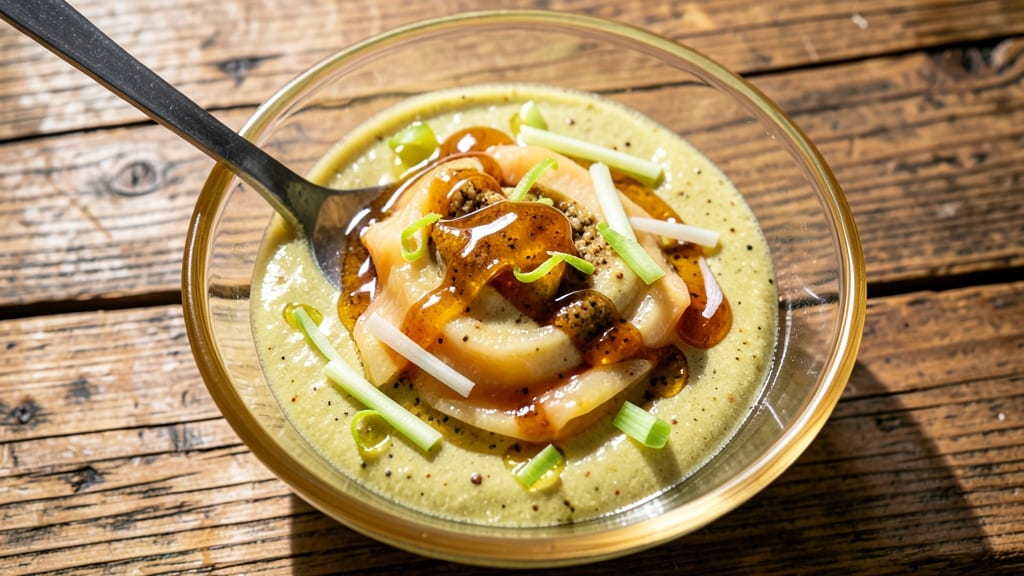
This Bahama Breeze citrus mustard sauce transforms simple ingredients into a vibrant, tangy condiment that elevates everything from grilled shrimp to roasted chicken. The bright combination of lime juice, pineapple purée, and Dijon mustard creates a perfect balance of sweet, sour, and savory—while a touch of honey adds depth.
The secret lies in the celery topping, which adds a satisfying crunch that cuts through the richness.
What makes this sauce stand out is its versatility—it works as a marinade, dipping sauce, or finishing drizzle for seafood, poultry, or even tacos. The recipe comes together in just 10 minutes, with no cooking required, making it ideal for busy weeknights or last-minute entertaining.
The tangy citrus base ensures freshness, while the mustard adds a subtle heat that lingers just enough to keep flavors exciting.
By the time you mix the ingredients, you’ll have a sauce that’s bright, balanced, and impossible to resist. The pineapple purée adds a tropical sweetness, while the lime juice keeps it zesty and refreshing.
The celery topping isn’t just for garnish—it adds texture and a hint of freshness that makes every bite feel like a vacation in a jar.
Perfect for summer gatherings, beachside BBQs, or as a quick weeknight marinade, this sauce is a game-changer for anyone who loves bold, citrusy flavors. Store it in the fridge for up to 5 days, or freeze for longer shelf life. Let’s make it!
Ingredients for bahama breeze citrus mustard sauce
Bright citrus, tropical sweetness, and a touch of mustard—this vibrant sauce transforms simple pantry staples into a flavor explosion.
| Ingredient | Amount | Notes |
|---|---|---|
| Fresh Lime Juice 🍋 | ½ cup | Strained, seeds removed |
| Pineapple Purée 🍍 | ½ cup | Homemade or quality jarred |
| Dijon Mustard 🌶️ | ¼ cup | High-quality, smooth variety |
| Extra-Virgin Olive Oil 🫒 | ¼ cup | Light, fruity flavor preferred |
| Raw Honey 🍯 | 1 tbsp | For subtle sweetness |
| Celery Stalks 🧅 | 2 whole | Fresh, crisp, for topping |
| Salt 🧂 | ½ tsp | Diamond Crystal preferred |
| Black Pepper 🌶️ | ¼ tsp | Freshly ground for best flavor |
| Fresh Mint Leaves 🌿 | 0.1 cup | Finely chopped, optional |
| Apple Cider Vinegar 💧 | 1 tbsp | For brightness and tang |
The lime juice is your flavor anchor—look for bright, vibrant limes at the grocery store, not those dull, mealy ones lurking in the back. Whole Foods or Trader Joe’s typically carry the freshest, most flavorful options. If you’re using jarred pineapple purée, Maui brand stands out for its rich, concentrated sweetness, but any quality brand works. The Dijon mustard should be smooth, not grainy—Amora or Maille are excellent choices, but avoid the cheap, watery varieties that can dilute your sauce. For the celery, organic stalks from the produce section will have the crispest texture, and you’ll want about 2 whole stalks to get that satisfying crunch in your topping.
No fresh lime juice? Key lime juice or bottled lime juice works in a pinch, though you may need to add a pinch more salt to compensate. Substituting pineapple purée? Fresh mango purée offers a similar tropical sweetness, though it’ll alter the flavor profile slightly. If Dijon mustard is unavailable, whole-grain mustard thinned with a splash of water mimics its texture and depth. The honey can be swapped for maple syrup or agave nectar if you’re avoiding refined sugar, though honey adds a unique floral note that’s hard to replicate. For the celery topping, finely diced cucumber or radish adds a refreshing crunch, though celery’s earthy undertones are ideal here.
This sauce keeps beautifully in an airtight container in the fridge for up to 5 days, though the celery topping is best added fresh before serving. For longer storage, transfer the sauce to a sealed jar and freeze for up to 3 months—just thaw in the fridge overnight before using. The celery topping can be prepped ahead and stored separately in a sealed container for 2 days, though it’s best served crisp. Double the batch if you’re entertaining—this sauce disappears faster than you’d expect, and it’s perfect for drizzling over grilled shrimp, roasted chicken, or even tacos.
Why You'll Love This Recipe
- Five-Ingredient Magic: I swear by this—just lime, pineapple, mustard, olive oil, and honey. That’s it. No fancy techniques, no hidden pantry raids, just a whisk and a jar. Honestly, I’ve made it while waiting for chicken to grill, and it still comes out bright and tangy.
- Tropical Tang Kick: The lime and pineapple purée hit like a vacation in your mouth—zesty, sweet, and just a little sharp. Between us, the Dijon mustard keeps it from being too sugary, so you get that grown-up depth without sacrificing the fun. It’s the kind of flavor that makes you want to eat straight from the bowl.
- Dips & Glazes All Day: Slather it on grilled shrimp, drizzle it over roasted veggies, or toss it with pasta—this sauce does it all. I’ll be real: it’s my go-to for tacos, but my kids also beg for it on chicken tenders. (Yes, even on a Tuesday night.) The honey balances the acidity, so it’s never overpowering.
- Make-Ahead MVP: This stuff keeps for weeks in the fridge, and it only gets better as the flavors meld. I double the batch every time because it disappears fast—on burgers, as a marinade, or even mixed into mayo for sandwiches. Not the prettiest in a jar, but trust me, it’s the most reliable sauce in my kitchen.
Step-by-step instructions for Bahama Breeze citrus mustard sauce
This vibrant sauce combines tropical brightness with bold mustard depth—perfect for drizzling over grilled meats or seafood.
Whisk Together the Base Ingredients
In a medium bowl, combine the 0.5 cup fresh lime juice, 0.5 cup pineapple purée, and 0.25 cup Dijon mustard. Use a whisk to blend until smooth, ensuring no lumps remain from the mustard. The mixture should be slightly thick but pourable—this forms the tangy backbone of the sauce.
Next, add the 0.25 cup extra-virgin olive oil and 1 tbsp raw honey, whisking continuously. The honey will mellow the acidity while adding a delicate sweetness. Taste at this stage—you should detect bright citrus, tropical fruit, and a subtle mustard kick. If the flavor feels too sharp, add a pinch more honey.
Incorporate Vinegar and Seasonings
Pour in the 1 tbsp apple cider vinegar and whisk vigorously. The vinegar adds an extra layer of tang that cuts through the richness of the olive oil, balancing the sweet and sour notes. Sprinkle in the 0.5 tsp salt and 0.25 tsp black pepper, whisking until fully dissolved.
Now, fold in the 0.1 cup finely chopped fresh mint leaves using a spatula. The mint brightens the sauce with a fresh herbal note, but don’t overmix—just enough to distribute evenly. This step is where the sauce transforms from bold to refined. Taste again and adjust seasoning if needed; the salt and pepper should enhance, not overpower, the citrus and mustard.
Prepare the Crunchy Celery Topping
While the sauce rests, slice the 2 whole celery stalks into thin, matchstick-sized pieces. The celery should be crisp and fresh—avoid woody stalks, as they’ll detract from the sauce’s brightness. Toss the celery with a pinch of salt to draw out any moisture, then pat dry with a paper towel. This ensures the celery stays crunchy when added to the sauce.
Reserve the celery in a small bowl until ready to use. The contrast between the creamy sauce and the celery’s crisp texture is what makes this dish truly special. If you’re serving immediately, add the celery just before plating to maintain its freshness.
Combine and Serve
Transfer the sauce to a serving bowl or pitcher. Stir in the celery just before serving to preserve its crunch. The sauce should coat the back of a spoon with a silky yet slightly thick consistency—ideal for drizzling or dipping. If it’s too thick, thin with a splash of water or additional lime juice.
Serve immediately over grilled shrimp, seared tuna, or as a dip for crispy fries. The sauce’s balance of sweet, tangy, and herbal notes pairs beautifully with rich proteins, while the celery adds a refreshing crunch. For best results, use within 2 hours of preparation to maintain freshness.
Pro Tips For Making Bahama Breeze Citrus Mustard Sauce
- STRAIN YOUR LIME JUICE: Fresh lime juice is the heart of this sauce, but pulp ruins the texture. I learned this the hard way—my first batch had gritty bits that made the sauce feel unprofessional. Use a fine-mesh strainer or cheesecloth, and press the wedges dry with your hands. No strainer? Wrap the wedges in a clean kitchen towel, squeeze hard, and let gravity do the work while you prep the rest.
- WHISK IN STAGES: Dumping all ingredients at once leads to a lumpy mess. Start by whisking the Dijon mustard and olive oil together until smooth—this emulsifies the fat first. Then add the pineapple purée, honey, and lime juice one at a time, whisking vigorously after each addition. The sauce will thicken as you go; if it separates, just whisk in a splash of warm water or more olive oil to bring it back.
- SALT THE MUSTARD FIRST: Plain Dijon can taste sharp and unfinished in this sauce. Before mixing anything, sprinkle a pinch of salt (about ¼ teaspoon) directly into the mustard and whisk it in. This rounds out the flavor and cuts through the tartness later. Trust me, it’s the difference between a sauce that’s just okay and one that makes people ask for the recipe.
- USE COLD HONEY: Raw honey is thick and sticky, and adding it warm or straight from the jar can make the sauce clump. Chill the honey in the fridge for 10 minutes first, then measure it by weight (a kitchen scale is your friend here) for precision. If you’re in a hurry, run the jar under cold water while you whisk the other ingredients—it thins out just enough to blend smoothly.
Serving suggestions for this dish
Grilled Seafood
This sauce is a dream come true for grilled seafood lovers. Drizzle it over garlic butter shrimp or grilled mahi-mahi just before serving to create a bright, tangy contrast to the smoky char.
I like to grill the fish at medium-high heat for 4-5 minutes per side until it reaches 145°F internal temperature, then finish with a generous spoonful of this sauce. The citrus cuts through the richness of the fish beautifully. 🍤
Crispy Chicken
For a restaurant-worthy touch, use the sauce as a marinade for boneless chicken thighs or breasts. Coat the chicken in ½ cup sauce and let it marinate for at least 30 minutes (or up to 4 hours in the fridge).
Grill or pan-sear until the chicken reaches 165°F internal temperature, then brush with extra sauce before serving. The mustard adds a subtle heat that pairs perfectly with the crispy skin.
Taco Night Upgrade
Transform your taco game by using this sauce as a drizzle or dip for tacos. Warm corn tortillas on a dry skillet, then fill with seasoned ground beef, shredded chicken, or grilled fish.
Drizzle with the sauce and top with crumbled cotija cheese, pickled red onions, and cilantro. The tropical flavors elevate traditional taco night into something truly special. Pro tip: Add a pinch of smoked paprika to the sauce for a BBQ-inspired twist.
Crispy Fries
This sauce isn’t just for proteins—it’s also perfect for crispy fries or sweet potato fries. Toss hot fries with 2 tablespoons sauce and a sprinkle of flaky sea salt for a zesty, tangy dip.
The celery topping adds a refreshing crunch that balances the richness of the fries. For extra fun, serve with mini shrimp skewers on the side for dipping. 🍟
As a Dip
Use this sauce as a dip for veggie sticks, chips, or even fresh fruit like pineapple or mango slices. The sweetness of the pineapple purée and honey complements the crunch of veggies, while the mustard adds a savory kick.
Serve it in a small bowl with a side of celery sticks for a refreshing appetizer. It’s especially great for summer gatherings or game day snacks.
Salad Dressing
Thin the sauce with 2 tablespoons water or orange juice to create a vibrant salad dressing. Toss it with mixed greens, grilled chicken, and diced avocado for a tropical-inspired salad.
The citrusy notes brighten the greens, while the mustard adds depth. For extra flair, top with toasted coconut flakes or crumbled feta cheese to balance the flavors. 🥗
Nutrition facts
Frequently asked questions
Can I make this sauce without fresh lime juice?
Use key lime juice or bottled lime juice instead, but you may need to add an extra pinch of salt to balance the flavor. For extra brightness, combine it with 1 teaspoon of lemon juice to mimic fresh lime's complexity. The sauce will still taste vibrant and tangy—just slightly less intense.
How long can I store the sauce before adding the celery topping?
The sauce itself keeps well in an airtight container in the fridge for up to 5 days. However, the celery topping is best added fresh just before serving to maintain its crisp texture. If you need to prep ahead, store the celery separately in a sealed container for up to 2 days and add it right before eating.
What can I do if my sauce turns out too thick?
Simply thin it with 1 tablespoon of water or additional lime juice at a time, whisking gently until you reach your desired consistency. Start with small amounts—this sauce is designed to be slightly thick for optimal drizzling and dipping. If it's too thin, let it sit for 10 minutes to thicken naturally, or gently simmer over low heat for 2-3 minutes to reduce.
Can I use this sauce as a marinade?
Yes! This sauce makes an excellent marinade for chicken, shrimp, or fish. Use ½ cup sauce per pound of protein and marinate for 30 minutes to 4 hours in the fridge. The citrus and mustard will tenderize while adding incredible flavor. For extra safety, reserve ¼ cup of the marinade to use as a finishing sauce after cooking.
What if I don't have fresh mint?
No problem! Skip the mint or substitute with ½ teaspoon of dried mint or 1 teaspoon of fresh basil or cilantro for a different but still delicious herbal note. The sauce will still have its signature tropical brightness—it's just the mint's freshness that adds that extra layer of complexity.