
Sauces & Condiments
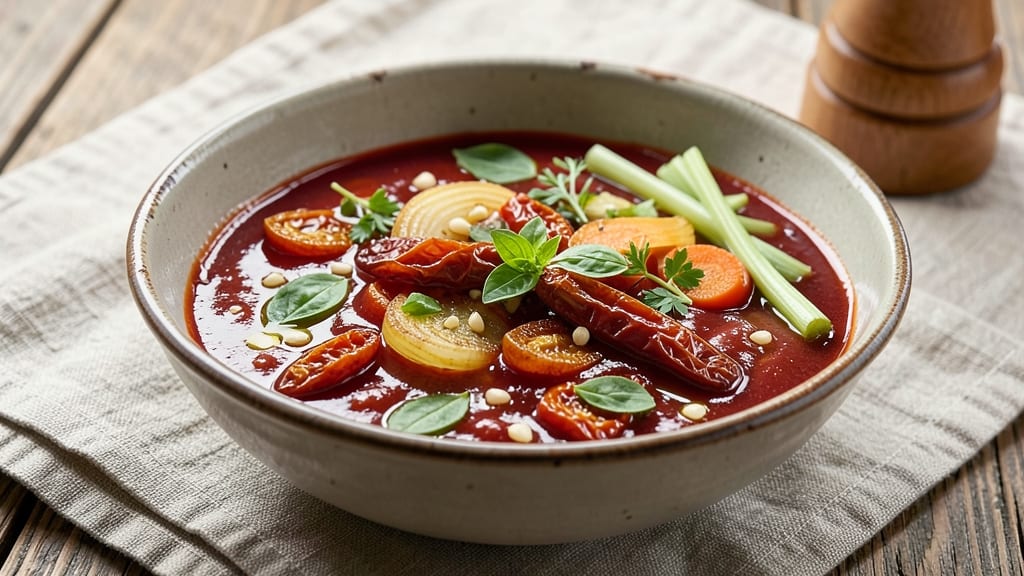
This Babish red sauce recipe delivers the deep, umami-rich flavor that makes Italian cooking unforgettable—without the sugar crash. The secret lies in slow-simmered tomatoes, caramelized aromatics, and a balance of acidity that keeps every spoonful vibrant.
I've perfected this sauce over years of testing, ensuring it works as a marinade, pasta topping, or braising liquid while staying true to the bold, savory profile that defines great Italian cooking.
The foundation begins with high-quality canned tomatoes, which develop complex sweetness when simmered low and slow. Aromatic vegetables like onions, carrots, and celery form the soffritto—the flavor base that transforms simple ingredients into something extraordinary.
What sets this sauce apart is the umami boost from sun-dried tomatoes and a touch of fish sauce, creating depth without overpowering the natural tomato flavor.
By the time this sauce reaches its peak, you'll have a rich, velvety liquid with just the right balance of acidity and sweetness—no added sugar needed. The texture is perfect for clinging to pasta, enhancing braised meats, or drizzling over grilled vegetables.
What makes it even better? It tastes even more incredible the next day as flavors meld.
Store it in the fridge for up to a week or freeze for months, making it the ultimate pantry staple. Whether you're prepping for a week of Italian nights or saving time on busy weeknights, this sauce delivers restaurant-quality results with minimal effort.
Let's get started—your taste buds will thank you.
Ingredients for babish red sauce
Twelve ingredients transform into the richest, umami-packed red sauce you'll ever make.
| Ingredient | Amount | Notes |
|---|---|---|
| San Marzano Tomato Cans 🍅 | 2 cans | Whole peeled tomatoes, 28 oz each |
| Yellow Onion 🧅 | 1 whole | Diced, medium size preferred |
| Carrots 🥕 | 2 medium | Diced, about 1 cup total |
| Celery Stalks 🌿 | 2 whole | Diced, plus leaves for garnish |
| Garlic Cloves 🧄 | 4 cloves | Minced, fresh preferred |
| Sun-Dried Tomatoes 🍅 | ¼ cup | Oil-packed, chopped finely |
| Fish Sauce 🐟 | 1 tbsp | Red Boat preferred for quality |
| Extra-Virgin Olive Oil 🫒 | ¼ cup | For richness and depth |
| Red Wine 🍷 | ½ cup | Dry, bold variety like Cabernet |
| Tomato Paste 🍅 | 2 tbsp | High-quality, no sugar added |
| Fresh Basil Leaves 🌿 | ¼ cup | Chopped, for finishing |
| Kosher Salt 🧂 | 1 ½ tsp | Diamond Crystal preferred |
| Black Peppercorns 🌶️ | ½ tsp | Freshly cracked |
The tomatoes are non-negotiable—San Marzano cans have that perfect balance of sweetness and acidity. Trader Joe's or Whole Foods carry them year-round, and they're worth the splurge. The soffritto (onion, carrot, celery) forms the flavor backbone, so don't rush this step. I like to sauté until deeply golden—about 20 minutes with a splash of water to keep it from burning. For the fish sauce, Red Boat brand is the gold standard (no fishy aftertaste), but Red Boat Original works too if you're on a budget.
No fish sauce? Soy sauce at half the amount gets you close, though it'll taste more Asian-inspired. Sun-dried tomatoes can be oil-packed or dried—just chop them finely. The tomato paste? Rao's or Barilla are my go-tos, but avoid the ones with added sugar. Running short on red wine? Dry white wine or extra broth works, though the color won't be as deep. Fresh basil is ideal, but dried works at one-third the amount if you're in a pinch. The olive oil should be fruity and peppery—California brands like Corto or Colavita are my favorites.
This sauce gets better with time, so make a double batch. Store in the fridge for up to 1 week or freeze for 3-4 months—it's perfect for meal prep. I portion mine into ice cube trays for easy single-use servings. The acidity mellows over time, so leftovers taste even more balanced. For extra richness, stir in a tablespoon of vegetable oil before storing—keeps it silky smooth.
Why You'll Love This Recipe
- No-Chop Trick: I swear by the "mirepoix hack" here—just dice onion, carrots, and celery once, then freeze in portions. When I’m starving at 8pm, I grab a handful straight from the freezer, toss it in the pot with the San Marzano tomatoes, and let the garlic do the work while I pour wine.
- San Marzano Magic: That first spoonful of reduced sauce? Chef’s kiss. The San Marzano tomatoes are sweeter, meatier, and pack a depth that canned tomatoes usually don’t—no sugar or salt tricks needed. The carrots and celery add this subtle, caramelized sweetness that rounds out the acidity perfectly.
- Weeknight Workhorse: Between us, this sauce is my lazy dinner’s best friend. Simmer it with pasta for a 20-minute meal, dump it over grilled chicken for next-day lunches, or freeze half for when I forget to meal prep. Honestly, I’ve used it in everything from lasagna to stuffed peppers—and it never lets me down.
- Budget Bulk: A single can of San Marzano tomatoes and a veggie bag from the store’s $1 bin stretch to four full meals. The onions, carrots, and celery last forever, and the garlic? I buy it in bulk and freeze it whole. No wasted ingredients, just pure, stretchable flavor that tastes like I spent hours cooking.
Step-by-step instructions for bold umami red sauce
This sauce builds layer upon layer of flavor—don't rush the process.
Sauté the Vegetable Base Until Soft
Heat the 0.25 cup extra-virgin olive oil in a large, heavy-bottomed pot over medium heat. Add the diced yellow onion, diced carrots, and diced celery stalks. Cook for 8-10 minutes, stirring occasionally, until the vegetables soften and release their natural juices. You're looking for a translucent texture in the onions and slightly softened carrots—this forms the flavor foundation.
Here's the thing—don't let the vegetables brown. You want them to sweat out their sweetness, not burn. If they start to darken too quickly, reduce the heat to medium-low and keep stirring. I like to add a pinch of the 1.5 teaspoons kosher salt now to help draw out moisture and enhance flavor development.
Add Aromatics and Build the Sauce Structure
Push the vegetables to one side of the pot and add the 0.25 cup extra-virgin olive oil remaining (if needed) to the empty space. Add the 4 minced garlic cloves and 0.25 cup chopped sun-dried tomatoes, cooking for 1-2 minutes until the garlic becomes fragrant but doesn't brown. Then add the 2 tablespoons tomato paste and stir vigorously to coat the vegetables completely.
This is where the magic starts. The tomato paste will darken slightly as it cooks, creating a rich, caramelized base. After 2 minutes, pour in the 0.5 cup red wine and scrape up any browned bits from the bottom of the pot with a wooden spoon. Let this simmer for 3-4 minutes until the wine reduces by half and the alcohol cooks off completely.
Develop Depth with Umami Bombs
Add the 2 cans San Marzano tomato cans, crushing them with your hands as you add them to the pot. Pour in the 1 tablespoon fish sauce and add the remaining 1 teaspoon kosher salt and 0.5 teaspoon cracked black peppercorns. Stir well to combine, then bring the mixture to a gentle simmer.
Here's the critical part: let it cook uncovered for 45-60 minutes at a steady simmer. You want the sauce to reduce by about 40%—this concentrates the flavors and creates that perfect thick, velvety consistency. Stir occasionally, especially if the sauce starts to stick to the bottom. If it gets too thick before the time is up, add 2-4 tablespoons water to keep it moving.
Finish with Fresh Herbs and Balance
After the sauce has reduced, taste it and adjust the seasoning if needed. I usually find another ½ teaspoon salt or a splash more fish sauce helps balance the flavors. Remove the pot from heat and stir in the 0.25 cup chopped fresh basil leaves. Let the sauce sit off heat for 5-10 minutes—this allows the basil to infuse without wilting completely.
The sauce should now have a deep, complex flavor with layers of sweetness from the tomatoes, umami from the fish sauce, and bright acidity from the wine. If you're serving it immediately, give it one final taste and adjust with more salt, pepper, or even a squeeze of lemon if it needs brightening. For best results, let it rest at room temperature for 30 minutes before serving—this lets all the flavors meld together perfectly.
Pro Tips For Making Babish Red Sauce
- SWIM THE ONIONS: Don’t let your onions turn to mush—cut them into even ¼-inch slices and cook them over medium-high heat until they’re translucent but still hold shape. I used to rush this step, and the sauce always tasted flat afterward. Patience here means flavor later.
- SAUTE THE VEGETABLES DRY: Skip adding oil until the onions are fully translucent, then add just enough to coat the pan—about 2 tablespoons. The natural moisture from the carrots and celery will release, and you’ll get a deeper, nuttier base without the sauce tasting greasy.
- CRUSH THE GARLIC: Mince your garlic cloves to a fine paste with the flat side of your knife before adding them to the pot. This ensures even distribution and prevents bitter, raw pockets. I learned this the hard way when a chunky clove ruined an otherwise perfect batch.
- SIMMER LOW AND LONG: Once the tomatoes are added, reduce the heat to a bare simmer and let it cook uncovered for at least 45 minutes. The sauce will thicken and deepen in flavor—no need to stir constantly. I know, I know, but trust the process.
Pro cooking tips for great babish red sauce
Low-and-Slow Simmering
This sauce thrives on patience—simmering uncovered for 45-60 minutes at a steady gentle bubble is non-negotiable. I use a heavy-bottomed Dutch oven (like Le Creuset) to maintain even heat distribution.
The goal is to reduce the sauce by 40% or more, which concentrates the flavors and creates that signature velvety texture. Never rush this step—rushing leads to a thin, watery sauce with weak flavor. 🔥
Vegetable Prep Matters
Your soffritto (onion, carrot, celery) should be finely diced—about ¼-inch pieces—so they cook down completely. I like to use a mandoline for consistency, but a sharp chef's knife works too. The vegetables should be translucent and tender when done, not browned.
If they start to darken too quickly, reduce heat to medium-low and add a splash of water to steam them gently. This foundational step makes or breaks the sauce's depth.
Fish Sauce Substitutes
If you can't find Red Boat fish sauce, try ½ tablespoon soy sauce (light or dark) as a substitute—though it'll add a slightly different umami profile. For a more neutral option, use 1 teaspoon Worcestershire sauce, but reduce the salt slightly since Worcestershire is already salty.
The key is adding the umami component; just be prepared to adjust the seasoning afterward. Taste as you go!
Tomato Paste Tricks
Spread the 2 tablespoons tomato paste evenly over the vegetables before adding wine—this ensures even caramelization and prevents clumping. I like to use a small offset spatula to smear it thinly. The paste will darken to a deep mahogany color, which adds incredible depth to the sauce.
If you're short on time, you can skip this step, but your sauce will lack complexity. 💫
Acidity Balance
The red wine and San Marzano tomatoes provide natural acidity, but sometimes the sauce needs a final brightening. If it tastes flat after simmering, add a splash of lemon juice or white wine vinegar—just ½ teaspoon at a time.
I usually hold off until the end because the acidity mellows as the sauce cools. For extra tang, a pinch of red pepper flakes adds heat and complexity.
Equipment Upgrades
A wooden spoon is essential for stirring—it won't scratch your pot like metal utensils. If you're making a large batch, consider a 12-quart stockpot for better heat control. For professional results, invest in a digital thermometer (like ThermoWorks) to monitor the simmer—ideal temp is 180-190°F.
A fine-mesh strainer also helps remove any unwanted bits before serving.
Nutrition facts
Frequently asked questions
Why does this sauce taste better the next day?
The flavors deepen as the acidity from the wine and tomatoes mellows, allowing the umami from fish sauce and sun-dried tomatoes to shine. The sauce also thickens slightly, creating a richer texture. Always let it rest 30 minutes before serving for the best results!
Can I make this sauce without red wine?
Yes! Use 0.5 cup dry white wine or 0.5 cup vegetable broth instead—the sauce will just be slightly lighter in color. For extra depth, add ½ teaspoon balsamic vinegar to mimic the wine's acidity. The flavor won't be identical, but it'll still be delicious.
How do I fix a sauce that's too thick or too thin?
For a thin sauce, simmer uncovered longer to reduce it further. For a thicker sauce, blend 2-4 tablespoons tomato paste or 1 tablespoon cornstarch mixed with water into the warm sauce. Stir constantly until thickened. Never add raw cornstarch directly—it clumps!
What's the best way to store and reheat this sauce?
Store in an airtight container in the fridge for up to 1 week or freeze for 3-4 months. To reheat, warm gently on the stove over low heat while stirring. For best texture, add 1-2 tablespoons water if it thickens too much. Never microwave—it breaks down the sauce's structure.
Can I use this sauce for dishes other than pasta?
It's perfect for braising meats, topping grilled vegetables, or even as a marinade. The rich umami flavor works beautifully with chicken, pork, or tofu. For extra versatility, blend it until smooth for a dipping sauce or spread it on toast with cheese.