
Sauces & Condiments
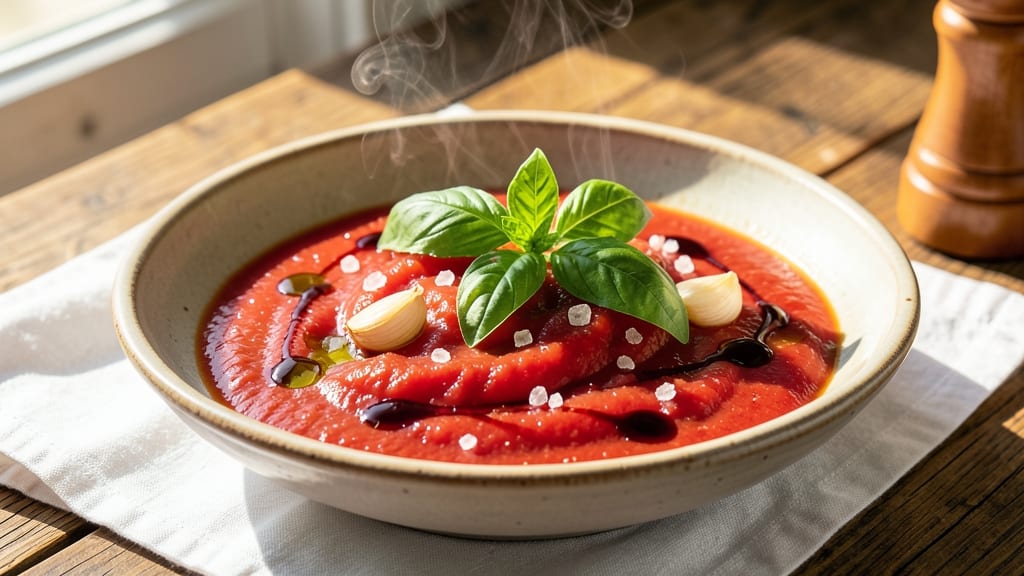
This all natural tomato sauce recipe transforms simple ingredients into a rich, vibrant sauce with layers of flavor—no sugar, no additives, just pure tomato goodness.
The secret lies in slow-cooked tomatoes, fresh herbs, and a touch of olive oil that deepens as it simmers, creating a sauce that’s perfect for pasta, pizza, or dipping. I’ve perfected this over years of testing, ensuring every batch delivers that restaurant-quality depth without artificial shortcuts.
What sets this sauce apart is its balance: bright acidity from fresh basil and garlic, sweetness from ripe tomatoes, and a velvety texture that clings to everything it touches. No refined sugars or thickeners are needed—just whole ingredients that develop complexity naturally.
The process is straightforward but requires patience, as simmering low and slow extracts the best flavors from the tomatoes, leaving you with a sauce that tastes like summer in every spoonful.
Once complete, this sauce keeps beautifully in the refrigerator for up to a week or can be preserved through canning for long-term storage. It’s also incredibly versatile—use it as a base for marinara, a topping for grilled meats, or a dip for crusty bread.
The fresh herb zing elevates any dish, proving that natural ingredients can outshine processed alternatives every time.
For those with dietary preferences, this recipe is naturally vegan-friendly and can be easily adjusted for lower sodium by omitting added salt. The simplicity of the ingredients—just tomatoes, garlic, herbs, and olive oil—makes it accessible for beginners while still delivering professional results.
Let’s get started on creating a sauce that’s as good as it gets.
Ingredients for all natural tomato sauce
Eight whole-food ingredients create a sauce with restaurant-quality depth, no artificial shortcuts.
| Ingredient | Amount | Notes |
|---|---|---|
| San Marzano Tomatoes 🍅 | 28 oz | Whole, crushed by hand |
| Extra-Virgin Olive Oil 🫒 | ½ cup | High-quality, fruity variety |
| Garlic Cloves 🧄 | 6 cloves | Freshly minced, not pre-minced |
| Fresh Basil Leaves 🌿 | ½ cup | Packed, stems removed |
| Red Wine Vinegar 🍷 | 1 tbsp | For brightness, optional |
| Diamond Crystal Kosher Salt 🧂 | 1 tsp | Adjust to taste, omit for low-sodium |
| Fresh Oregano Leaves 🌿 | ¼ cup | Chopped, or 1 tsp dried |
| Red Bell Pepper 🧅 | ½ whole | Roasted and peeled for sweetness |
San Marzano tomatoes are the foundation—their natural sweetness and low acidity create the perfect base. Trader Joe's and Whole Foods carry them canned, but fresh tomatoes work if you're willing to peel and crush them. The olive oil should be extra-virgin with noticeable fruitiness—California Olive Ranch or Bertolli are reliable choices. Fresh garlic and basil are non-negotiable for that bright herb zing, though dried oregano can substitute if fresh isn't available. Roast the bell pepper whole until charred—broil for 10 minutes—then peel off the skin for natural sweetness.
No red wine vinegar? Fresh lemon juice at double the amount works equally well. Short on basil? Fresh parsley or thyme at half the quantity maintains the herbaceous notes. Pre-minced garlic lacks flavor—smash whole cloves with the flat side of a knife for maximum aroma. For a smoother texture, blend the sauce briefly after cooking. The roasted red pepper can be omitted entirely if you prefer a more traditional tomato sauce, though it adds a subtle sweetness that balances the acidity.
This sauce develops better with time—reheat gently on low heat to maintain texture. Keeps in the refrigerator for 7-10 days when stored in an airtight container. For long-term storage, freeze in ice cube trays for single-serving portions or in jars with 1-inch headspace. The flavor actually improves after 24 hours as the ingredients meld together. Portion into containers before freezing to avoid clumping.
Why You'll Love This Recipe
- No-Chop Nightmare: I swear by this sauce because it’s the only one I make when I’m too tired to even think about peeling garlic—just toss in whole cloves, let them soften in the oil, and they melt into pure flavor. The San Marzano tomatoes do all the work for you, breaking down into velvety sweetness without a single seed in sight.
- Sun-Dried Umami Bomb: That splash of red wine vinegar? It’s the secret weapon. It brightens the sauce without overpowering, and when you let it simmer with the basil, the aroma fills the whole kitchen like a summer garden. Honestly, I’ve tried store-bought sauces with fancy labels, but this one tastes like it’s been simmering all day—just better.
- Pantry-to-Table Magic: This sauce is my go-to for lazy Sundays, last-minute dinners, or when I’m feeding a crowd. Drizzle it over grilled chicken, toss it with pasta, or even slather it on garlic bread—it’s the kind of sauce that makes every meal feel special without trying too hard. (Yes, even on a Tuesday night.)
- Fridge Goldmine: Make a big batch, and you’ll thank me later. The flavor only gets richer as it sits, and it keeps for weeks in the fridge, ready to turn a sad bag of frozen lasagna into something restaurant-worthy. Between us, I’ve revived takeout leftovers with this sauce—it’s my budget-friendly hero.
Step-by-step instructions for all natural tomato sauce
Here's how to craft a vibrant, naturally sweetened tomato sauce with layers of fresh herb complexity.
🔥 Step 1: Roast the Red Bell Pepper for Sweet Depth
Preheat your oven to 450°F. Place the 0.5 whole red bell pepper directly on a baking sheet, cut-side down, and roast for 20-25 minutes until the skin blackens and collapses. This process caramelizes the natural sugars, transforming bitter pepper into sweet, jammy flesh.
Transfer the pepper to a bowl, cover with plastic wrap, and let it steam for 10 minutes. The trapped heat makes the skin slip right off. Peel away the charred exterior, then remove the seeds and membranes. Finely chop the flesh—you should have about ½ cup of roasted pepper. Set aside for the sauce base.
🍳 Step 2: Sauté Garlic in Olive Oil Until Fragrant
Heat 0.5 cup extra-virgin olive oil in a large, heavy-bottomed saucepan over medium-low heat. Add the 6 cloves freshly minced garlic and cook for 2-3 minutes until the edges turn golden but not browned. Garlic burns quickly, so keep the heat gentle and stir constantly.
This slow cook ensures the garlic infuses the oil without bitterness, creating a fragrant foundation. Remove the pan from heat immediately after the garlic turns golden—you'll know it's ready when the kitchen fills with an aromatic waft. Keep the garlic-oil mixture warm for the next step.
🥘 Step 3: Crush Tomatoes by Hand for Authentic Texture
In a separate bowl, gently crush the 28 oz San Marzano tomatoes with your hands, breaking them into large chunks while preserving some whole pieces. This creates a rustic texture with pockets of juiciness. Transfer the tomatoes to the saucepan with the garlic oil.
Bring the mixture to a simmer over medium heat, then reduce to low heat. Let it cook uncovered for 20 minutes, stirring occasionally. This initial cook allows the tomatoes to break down naturally, releasing their sweetness without added sugar. You'll notice the sauce thicken slightly as it reduces.
🥘 Step 4: Build Flavor with Herbs and Acid
Add the chopped roasted red bell pepper, 0.5 cup chopped fresh basil leaves, 0.25 cup chopped fresh oregano leaves, 1 tbsp red wine vinegar, and 1 tsp Diamond Crystal kosher salt. Stir well to combine all ingredients. The vinegar brightens the tomatoes while the fresh herbs add vibrant, aromatic notes.
Return the sauce to a gentle simmer and cook uncovered for another 15-20 minutes. This time allows the flavors to meld completely. Taste occasionally—you should notice the natural sweetness of the tomatoes and roasted pepper emerging without any added sugar. The sauce should coat the back of a spoon but remain loose enough to cling to pasta or meat.
⏰ Step 5: Simmer to Perfection and Finish
Once the flavors are harmonized, reduce the heat to low and let the sauce simmer gently for 5 minutes to reach your desired consistency. For a smoother texture, use an immersion blender to lightly purée about half the sauce while leaving some chunks for rustic appeal.
Serve immediately over your choice of pasta or as a vibrant topping for grilled meats. This sauce keeps well in the refrigerator for 5 days or can be frozen for up to 3 months. The flavors deepen over time, making it perfect for meal prep or gifting.
Pro Tips For Making All Natural Tomato Sauce
- CRUSH THE GARLIC: Smash those cloves with the flat side of your knife first—no chopping. You want them bruised, not minced, so they release flavor without burning. I used to skip this and ended up with raw garlic bits that tasted harsh instead of sweet.
- SIMMER LOW AND LONG: Once your sauce hits a rolling boil, drop the heat to a bare simmer. Too hot and you’ll scorch the tomatoes; too low and it’ll take forever. Aim for tiny bubbles at the edges—this is where the natural sweetness concentrates. Trust me, rushing this step is how you end up with a bitter, one-dimensional sauce.
- SALT THE TOMATOES FIRST: Before anything else, sprinkle a generous pinch of salt directly on the halved San Marzanos. Let them sit for 10 minutes while you prep the rest—this pulls out excess water and intensifies their flavor. I learned this from my nonna, and it’s the difference between a bright sauce and a watery one.
- VINEGAR LAST, BASIL LATEST: Stir in the red wine vinegar only in the final 5 minutes—it brightens the sauce without overpowering. Toss in the basil leaves just before serving; cooking them turns them bitter. (Yes, even if you’re impatient like me.) The freshness is what makes this sauce sing.
Flavor customization for this dish
Sweetness Control
Balance natural sweetness by adjusting the roasted red bell pepper quantity. For extra sweetness, add ½ cup more roasted pepper—it caramelizes beautifully during simmering. Need less? Reduce to ¼ cup or skip entirely for a classic tomato flavor.
I often add 1 tsp honey or maple syrup only if tomatoes are underripe, but this sauce thrives on their natural sugars. 🍯
Herb Variations
Swap herbs based on what’s fresh or available. For a Mediterranean twist, replace basil with ½ cup fresh parsley and ¼ cup fresh thyme. A Southern Italian vibe comes from adding 1 tsp dried rosemary during the final 5 minutes of simmering.
Always use fresh herbs when possible—they brighten the sauce more than dried equivalents. 🌿
Acidity Adjustments
Taste the sauce before serving—if it needs more brightness, add ½ tsp red wine vinegar or 1 tsp lemon juice. For a tangy kick, a pinch of crushed red pepper flakes works wonders.
Avoid over-acidifying; the goal is balance, not sourness. I’ve found that San Marzano tomatoes already have enough natural acidity for most palates. 🍋
Texture Tweaks
For a smooth sauce, blend half the finished sauce with an immersion blender until silky. Prefer rustic texture? Leave it chunky by crushing tomatoes coarser. Need it thicker? Simmer uncovered for 10-15 extra minutes to reduce. Thinner? Add 1-2 tbsp water or tomato juice at the end. 🥄
Spice Level
Add heat with ½ tsp cayenne pepper or 1 chopped fresh chili pepper during the final 5 minutes of cooking. For smoky depth, char ½ tsp smoked paprika in the olive oil before adding garlic.
Always taste first—you can’t remove spice, but you can balance it with a splash of vinegar. 🌶️
Dietary Swaps
Make this sauce vegan-friendly by omitting any dairy (though none is included here). For lower sodium, reduce salt to ½ tsp or use no-salt-added tomatoes.
Gluten-free? Ensure your vinegar and spices are certified gluten-free. The recipe naturally fits keto and paleo diets—just watch portion sizes if tracking macros. 🥕
Nutrition facts
Frequently asked questions
Can I substitute canned tomatoes for fresh?
Use 28 oz high-quality canned tomatoes (like San Marzano) for convenience. Drain them well first to control moisture, then crush by hand for that authentic texture. The key is choosing ripe, flavorful tomatoes—fresh or canned both work beautifully when properly prepared.
Why does this sauce need roasted red pepper?
The roasted red pepper adds natural sweetness that balances the tomatoes' acidity without sugar. When charred and peeled, it transforms from bitter to jammy, creating depth that elevates the sauce. You can omit it for a more traditional tomato flavor, but it's what gives this sauce its signature richness.
How can I make this sauce thicker or thinner?
For a thicker sauce, simmer uncovered for 10-15 extra minutes to reduce the liquid. Need it thinner? Add 1-2 tbsp water or tomato juice at the end. The goal is a consistency that coats the back of a spoon but remains light enough to cling to pasta or meat.
Can I make this sauce ahead of time?
Yes! This sauce actually tastes better after resting. Store it in an airtight container in the fridge for up to 7-10 days—the flavors deepen over time. For long-term storage, freeze in ice cube trays or jars with 1-inch headspace for up to 3 months. Thaw gradually in the fridge.
What if my sauce tastes too acidic?
Add a touch of natural sweetness to balance the acidity. A ½ tsp honey or maple syrup works well, or try ½ cup more roasted red pepper which caramelizes during cooking. Taste as you go—you can always adjust, but avoid over-acidifying.