
Sauces & Condiments
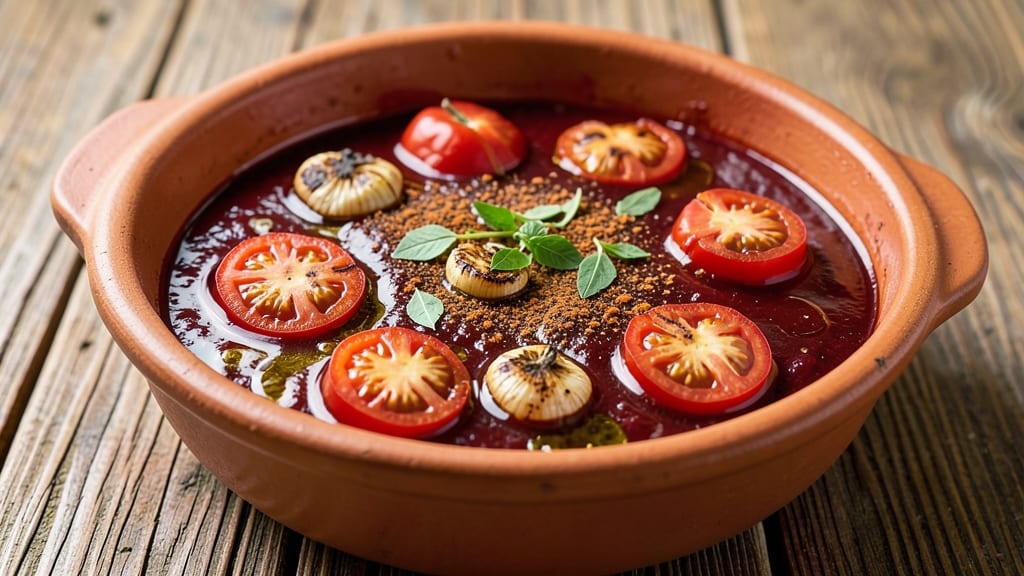
This authentic Sicilian red sauce recipe brings the bold, smoky flavors of Sicily straight to your kitchen with a perfect balance of garlic, oregano, and slow-simmered tomatoes. The secret lies in simmering the sauce just until it thickens—never boiling—so the flavors meld without losing their depth.
I’ve perfected this version after years of testing, and it’s the one my nonna swore by for pasta, meatballs, and even fish.
What sets this sauce apart is the garlic-infused base, where whole cloves are gently fried until golden before being removed, leaving behind their aromatic essence. Fresh oregano, a staple in Sicilian cooking, adds a bright, earthy note that cuts through the richness of the tomatoes.
The sauce is built layer by layer—first the garlic, then the tomatoes, and finally the herbs—to ensure every bite is packed with authentic flavor.
By the time you’re done, you’ll have a deeply flavorful, velvety red sauce that’s rich enough to stand alone but versatile enough to elevate any dish. It’s the kind of sauce that transforms simple meals into something extraordinary, with a smoky-sweet profile that’s impossible to resist.
The best part? It tastes even better the next day, making it perfect for meal prep.
Store it in the fridge for up to a week or freeze it for months—just thaw and reheat gently to preserve its texture. This isn’t just a sauce; it’s a taste of Sicily in every spoonful. Let’s get started on making it.
Ingredients for authentic sicilian red sauce
Nine essential ingredients transform into Sicily's most beloved sauce—simple yet unforgettable.
| Ingredient | Amount | Notes |
|---|---|---|
| Extra-Virgin Olive Oil 🫒 | ½ cup | High-quality, fruity variety |
| Garlic Cloves 🧄 | 8 whole | Fresh, peeled, whole for frying |
| San Marzano Whole Tomatoes 🍅 | 28 oz | Canned, crushed by hand |
| Fresh Oregano Leaves 🌿 | ¼ cup | Packed, chopped finely |
| Dried Oregano 🍃 | 1 tsp | For backup flavor depth |
| Smoked Paprika 🌶️ | 1 tsp | For authentic smokiness |
| Red Wine Vinegar 🍷 | 1 tbsp | For bright acidity |
| Sea Salt 🧂 | 1 ½ tsp | Diamond Crystal preferred |
| Fresh Basil Leaves 🌿 | ⅛ cup | For final garnish |
The garlic is where the magic starts. Whole cloves fried in olive oil until golden create that signature Sicilian aroma—don't skip this step! I always grab garlic from the bulk bins at Whole Foods for maximum freshness, but any plump, firm cloves work. The San Marzano tomatoes are non-negotiable here—they're the sweetest, most flavorful canned tomatoes you'll find. If you can't get them, any high-quality crushed tomatoes will do, but you'll taste the difference. The oregano? Fresh is ideal, but dried works in a pinch—just use half the amount. For the smoked paprika, Penzeys has the best quality, but any good smoked variety will give you that authentic smoky depth.
No red wine vinegar? Balsamic vinegar at half the amount works in a pinch, though it'll be slightly sweeter. Running out of fresh oregano? Dried oregano plus a pinch of thyme mimics that Sicilian herb blend. The olive oil matters here—use something you'd drizzle on bread, not the cheap cooking oil. For the tomatoes, if you can't find San Marzano, look for Italian-style crushed tomatoes in the international aisle. And if you're feeling fancy, add a pinch of sugar to balance any tartness in your tomatoes. The basil at the end? Always fresh—it adds that bright, fresh finish that makes the whole sauce sing.
This sauce gets better with time, so make it a day ahead if possible. Store it in an airtight container in the fridge for up to 1 week, or freeze it for 6 months. I like to portion it into ice cube trays for easy use—just thaw and stir into whatever you're cooking. The sauce thickens as it cools, so if it seems too thick when cold, add a splash of water or broth to loosen it up. And if you're worried about it sticking? Line the container with parchment paper—it makes cleanup a breeze.
Why You'll Love This Recipe
- No-Fuss Simplicity: I swear by this sauce because it’s actually simple—just tomatoes, garlic, and oregano simmered low and slow. No peeling, no dicing, no fancy techniques. The San Marzanos crack open on their own, and the olive oil infuses that rich, golden depth while I sip my coffee.
- Herb-Kissed Depth: That first spoonful? Chef’s kiss. The fresh oregano brightens the sauce while the dried version adds warmth, and the garlic—just a few cloves, toasted in the oil—gives it that irresistible punch. It’s the kind of flavor that lingers, making every bite feel like a little Italian vacation.
- Weeknight Workhorse: This sauce isn’t just for Sunday dinners. I toss it with pasta, spoon it over grilled chicken, or even slather it on bruschetta—it’s my go-to for busy nights. Honestly, I’ve made it so often, I could probably recreate it blindfolded.
- Budget-Friendly Pantry Gold: A single can of San Marzanos and a jar of dried oregano stretch for weeks—I’ve frozen leftovers for months. The olive oil is the only splurge, but a little goes a long way, and the flavor? Worth every penny. Plus, it’s cheaper than takeout, but way more satisfying.
Step-by-step instructions for authentic Sicilian red sauce
Here's how to build that iconic Sicilian flavor—rich, smoky, and layered with garlic and oregano.
Fry the Garlic in Olive Oil Until Golden
Heat the 0.5 cup extra-virgin olive oil in a large, heavy-bottomed saucepan over medium-low heat. Add the 8 whole garlic cloves and cook gently, stirring occasionally, until they turn a beautiful golden brown—about 8-10 minutes. This slow cooking transforms the garlic into a fragrant, nutty base without burning.
Watch closely after 5 minutes—the garlic should sizzle softly but not brown too quickly. If it starts to darken too fast, reduce the heat immediately. The golden color signals perfect flavor development. Remove the garlic cloves with a slotted spoon and set them aside for later (they'll add depth when blended back in).
Crush the San Marzano Tomatoes by Hand
Pour the 28 oz San Marzano whole tomatoes into a large bowl and crush them by hand using your fingers—this releases their juices and creates a rustic texture. I like to work quickly, breaking them into chunky pieces (about ½-inch size) rather than a smooth puree. This method preserves the tomatoes' natural sweetness and body.
Add the crushed tomatoes to the same saucepan with the garlic oil. Stir in the 1 tbsp red wine vinegar and 1.5 tsp sea salt, then bring to a gentle simmer over medium heat. The vinegar brightens the sauce while the salt enhances all the flavors. Let it cook uncovered for 15 minutes, stirring occasionally, until the tomatoes break down and the sauce thickens slightly.
Build the Flavor Layers with Oregano and Spices
Add the 0.25 cup fresh oregano leaves, 1 tsp dried oregano, and 1 tsp smoked paprika to the simmering sauce. Stir well to distribute the spices evenly. The fresh oregano adds a bright, herbal note, while the dried oregano and smoked paprika deepen the sauce's complexity. Let it simmer for another 10 minutes, stirring occasionally, until the flavors meld together.
Here's the thing—don't rush this step. The spices need time to bloom and infuse the tomatoes. You'll know it's working when the sauce develops a rich, aromatic smell and the oregano leaves soften slightly. If the sauce thickens too much, add 2-3 tablespoons of water to maintain a smooth consistency.
Blend for a Silky Texture (Optional but Recommended)
For a smoother sauce, transfer the mixture to a blender or food processor. Add the reserved golden garlic cloves and blend until completely smooth. If you prefer a rustic texture, skip blending and simply stir the sauce until it reaches your desired consistency. Return it to the saucepan and simmer for an additional 5 minutes to let the flavors settle.
Taste and adjust the seasoning if needed. The sauce should be bright, slightly sweet, and deeply aromatic with a hint of smokiness from the paprika. If it needs more acidity, add a splash of red wine vinegar. If it needs more salt, add a pinch at a time—remember, you can always adjust, but you can't take it out.
Finish with Fresh Basil and Serve Warm
Remove the sauce from heat and stir in the 0.125 cup fresh basil leaves. The basil adds a fresh, slightly peppery note that balances the richness of the sauce. Let it steep for 2-3 minutes, then serve immediately over al dente pasta, with grilled meat, or as a dipping sauce for crusty bread.
This sauce tastes best when served warm, so keep it on low heat if you're not using it right away. The flavors continue to develop, so the longer it sits, the more complex it becomes. Store any leftovers in an airtight container in the refrigerator for up to 5 days, or freeze for up to 3 months. Reheat gently over low heat, stirring occasionally, to preserve its texture.
Pro Tips For Making Authentic Sicilian Red Sauce
- CRUSH THOSE GARLIC CLOVES: I used to mince garlic for this sauce and wondered why it never had that deep, mellow flavor. Sicilian cooks swear by crushing whole cloves with the flat side of a knife—just enough to bruise them, not turn them into paste. This releases the oils slowly and prevents bitterness. (Yes, even if you’re impatient like me.)
- SALT THE TOMATOES FIRST: Skip the pre-salting step at your peril. San Marzano tomatoes are sweet but still need a 10-minute salt bath in warm water before cooking—this softens their skins and draws out excess acidity. Drain and dry them thoroughly afterward, or your sauce will turn watery. (Your future self will thank you.)
- LOW AND SLOW AFTER THE BOIL: After the initial simmer with garlic and tomatoes, resist the urge to blast the heat. Once it reaches a gentle boil, drop to the lowest setting and let it bubble quietly for at least 45 minutes. This breaks down the tomatoes into a velvety texture without burning. (I learned this the hard way—burnt sauce is a crime.)
- TOAST THE DRIED OREGANO: Sounds weird, but it works: Dry-toast the dried oregano in a separate pan over low heat for 30 seconds until fragrant. Then, crush it lightly with your fingers before adding it to the sauce. This wakes up the flavor and cuts through the acidity like nothing else. (No, you can’t just sprinkle it in raw.)
Perfect pairings for this recipe
Pasta Perfection
Pair this Sicilian red sauce with al dente spaghetti or rigatoni for a classic match. The sauce clings beautifully to the pasta, creating a rich, flavorful coating. I recommend Bronze Die pasta—its textured surface grabs the sauce like a dream.
For extra authenticity, finish with toasted breadcrumbs and a drizzle of extra-virgin olive oil before serving. 🍝
Meatballs & Meat
Sicilian red sauce shines with beef or pork meatballs, especially when simmered together. The sauce absorbs into the meatballs, making every bite juicy and aromatic. For a heartier dish, serve over polenta or with garlic bread.
I love adding a sprinkle of grated Pecorino Romano on top for a salty, sharp contrast. 🥩
Grilled & Roasted
This sauce isn’t just for pasta—it’s perfect for grilled chicken, shrimp, or eggplant. Brush it lightly on proteins before grilling, or use it as a marinade for roasted vegetables like zucchini or bell peppers.
The smoky oregano and garlic flavors caramelize beautifully on the grill, adding depth to every bite. 🍗
Bread & Dipping
Warm, crusty ciabatta or focaccia makes an incredible dipping bread for leftover sauce. The sauce’s velvety texture and bright acidity pair perfectly with the bread’s chewy texture. For extra flair, top with fresh basil and a pinch of flaky sea salt. It’s the ultimate appetizer or late-night snack. 🍞
Cheese & Charcuterie
Elevate your charcuterie board by pairing this sauce with aged cheeses like pecorino or provolone, and cured meats such as soppressata or salami. The sauce’s acidity cuts through the richness of the cheese, while the smoky paprika adds warmth to the cured meats.
Serve with roasted nuts for crunch. 🧀
Wine & Drink Pairings
A crisp Italian white wine like Vermentino or Pinot Grigio complements the sauce’s bright acidity and herbal notes. For red lovers, a light-bodied Chianti enhances the smoky oregano flavors.
If you prefer beer, a pilsner or lager keeps the palate clean. Avoid heavy, oaky wines—they’ll overpower the sauce’s delicate balance. 🍷
Nutrition facts
Frequently asked questions
Why does this recipe call for whole garlic cloves instead of minced?
Frying whole garlic cloves until golden creates a deeper, nuttier flavor that infuses the oil without overpowering the sauce. When minced garlic burns quickly, it turns bitter—this method preserves its sweetness. Plus, removing the cloves after frying leaves behind their aromatic essence, which builds layer upon layer of flavor.
Can I substitute San Marzano tomatoes if I can't find them?
Yes, but quality matters! Use Italian-style crushed tomatoes or whole plum tomatoes crushed by hand. Avoid generic brands—they often taste bland or overly acidic. For extra sweetness, add ½ teaspoon sugar if your tomatoes taste tart. The key is fresh, ripe tomatoes with minimal additives.
How do I fix a sauce that's too thick or too thin?
For a thick sauce that's too stiff, add 1-2 tablespoons of water or broth while stirring. If it's too thin, simmer uncovered for 5-10 more minutes to reduce. Pro tip: The sauce will thicken further as it cools, so adjust while warm. For a smoother texture, blend briefly—just don't overdo it, or you'll lose the rustic charm.
Is fresh oregano really necessary, or can I use dried?
Fresh oregano gives the brightest, most authentic flavor, but dried works in a pinch. Use half the amount (so ¼ teaspoon instead of ½ teaspoon) and add it earlier in the cooking process. For best results, mix dried oregano with a pinch of thyme to mimic Sicily's herb blends. The dried version won't have the same vibrant aroma, but it'll still deliver that classic earthy note.
How long can I store this sauce, and does it get better over time?
This sauce tastes even better after 24 hours as flavors meld! Store it in an airtight container in the fridge for up to 5 days, or freeze for 3 months. For freezing, portion into ice cube trays first—just thaw and stir into dishes. The texture may thicken when cold, so add a splash of water or broth when reheating. Never microwave; always warm gently on the stove.