
Sauces & Condiments
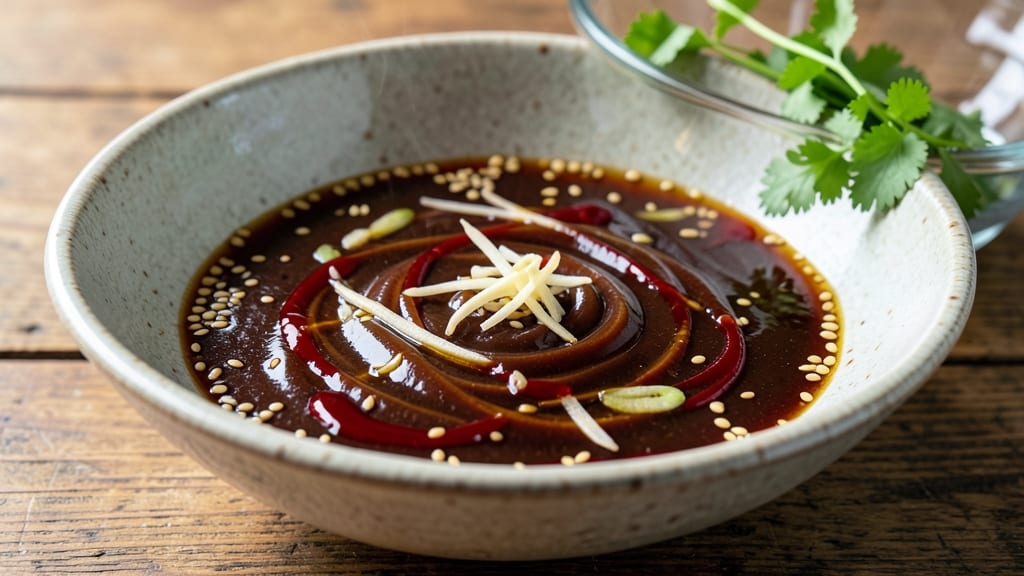
This authentic lo mein sauce recipe transforms ordinary stir-fries into restaurant-quality masterpieces with its perfect balance of soy-wok heat and fresh ginger zing. 🌟 The secret lies in a precise blend of dark soy sauce for depth, light soy for brightness, and a touch of sesame oil that adds nutty richness—all harmonized with garlic, ginger, and a splash of rice vinegar for tangy contrast.
Unlike bottled versions, this homemade sauce delivers layers of umami and complexity that cling beautifully to noodles and proteins.
The recipe begins with a quick aromatic base of garlic and ginger sautéed in oil until fragrant—never overcooked, as that would turn bitter. Then comes the sauce-building phase, where soy sauces, vinegar, and a touch of sugar create a glossy, slightly sticky consistency that coats every ingredient.
The sauce is designed to be versatile: use it immediately for lo mein or stir-fries, or store it for up to two weeks in the refrigerator, where its flavors deepen over time.
What sets this sauce apart is its authentic balance—sweet, salty, tangy, and aromatic all at once. The dark soy sauce adds that signature caramelized depth, while the ginger and garlic provide the fresh, zesty kick that makes it taste homemade.
This isn’t just a sauce; it’s the flavor bridge between your ingredients and a truly satisfying dish.
For extra heat, add a dash of chili paste; for vegetarian versions, simply omit any meat-based ingredients. The sauce works equally well with fresh or dried noodles, making it the perfect foundation for any stir-fry. Ready to elevate your takeout-quality meals at home?
Ingredients for authentic lo mein sauce
Nine essential ingredients create restaurant-quality lo mein sauce with balanced soy-wok depth and fresh ginger zing.
| Ingredient | Amount | Notes |
|---|---|---|
| Dark Soy Sauce 🍶 | ½ cup | For deep caramelized color |
| Light Soy Sauce 🍶 | ½ cup | For brightness and saltiness |
| Sesame Oil 🫒 | 1 ½ tbsp | Toasted for nutty aroma |
| Fresh Ginger 🧄 | 2 tbsp | Finely grated, not minced |
| Garlic Cloves 🧄 | 4 cloves | Minced, not pressed |
| Rice Vinegar 🍶 | 2 tbsp | For tangy contrast |
| Granulated Sugar 🍚 | 1 ½ tbsp | Balances saltiness |
| Neutral Oil 🫒 | 1 tbsp | Vegetable or canola preferred |
| Chili Paste (optional) 🌶️ | 1 tsp | For heat, adjust to taste |
| Water 💧 | ½ cup | For thinning consistency |
The dark soy sauce is non-negotiable for that signature caramelized hue—Lee Kum Kee or Kikkoman are reliable brands. Fresh ginger and garlic are critical for authentic flavor; Asian markets often have better quality than supermarkets. Toast your sesame oil in a dry pan for 30 seconds before adding to the sauce—this deepens its nutty aroma significantly. Neutral oil like vegetable or canola ensures the garlic and ginger sauté properly without overpowering the delicate balance of flavors.
No dark soy sauce? Light soy sauce plus 1 tsp molasses mimics the depth, though the color won't be identical. Substitute rice vinegar with apple cider vinegar, but reduce to 1.5 tbsp to avoid over-acidity. For a vegetarian version, simply omit any meat-based ingredients—this sauce is already plant-forward. The chili paste can be swapped for Sichuan chili bean paste at half the amount for a different heat profile. Always taste as you go; the sauce should harmonize sweet, salty, tangy, and umami notes without any single flavor dominating.
Store leftover sauce in an airtight container in the refrigerator for up to 2 weeks, where its flavors deepen over time. For longer storage, freeze in ice cube trays—thaw and whisk to restore consistency. The sauce thickens as it cools, so add a splash of water if it becomes too viscous. This sauce is designed to be versatile: use it immediately for lo mein or stir-fries, or let it sit overnight for enhanced flavor development.
Why You'll Love This Recipe
- Five-Ingredient Magic: This sauce comes together with just five things you already own—no fancy shopping, no stress. Honestly, I’ve made it while waiting for water to boil, and it still tastes like I spent hours.
- Umami Bomb: That dark soy gives it depth, while the garlic and ginger hit like a warm hug. Between us, the sesame oil finish? It’s the little detail that makes it dangerously good.
- Weeknight Wonder: Toss it with pre-cooked noodles, stir-fry veggies, or even drizzle it over grilled chicken. I’ll be real: it’s my go-to when I need something fast but still feels special.
- Budget-Friendly Staple: A splash of soy sauce, a knob of ginger—this sauce costs pennies and stretches for days. I keep a jar in the fridge; it’s my secret weapon for turning cheap proteins into something restaurant-worthy.
Step-by-step instructions for authentic lo mein sauce
Master this classic sauce with precise technique and balanced flavors.
🍳 Step 1: Bloom the Aromatics in Neutral Oil
Heat the 1 tbsp neutral oil in a small saucepan over medium-low heat. Add the 4 cloves minced garlic cloves and 2 tbsp finely grated fresh ginger, stirring constantly for 30-45 seconds until fragrant but not browned. This step develops the aromatic foundation without burning, which would create bitter flavors.
I keep the heat low here because garlic burns faster than you'd think. You'll know it's ready when the mixture smells intensely aromatic—like a wok just after searing. Remove from heat immediately after this brief cooking to preserve those delicate flavors.
🥘 Step 2: Combine Soy Sauces and Sugar
Return the pan to medium heat and add the 0.5 cup dark soy sauce, 0.5 cup light soy sauce, and 1.5 tbsp granulated sugar. Stir continuously for 2-3 minutes until the sugar dissolves completely and the mixture begins to simmer gently. The dark soy sauce will give that signature mahogany color while the light soy sauce adds brightness.
This is where the sauce starts to transform. You'll see the mixture darken slightly as the sugars caramelize just enough to create depth. Don't be tempted to walk away—constant stirring prevents scorching at the bottom of the pan.
🔥 Step 3: Incorporate Acid and Heat
Add the 2 tbsp rice vinegar and 1 tsp chili paste (if using), stirring vigorously for 1 minute until fully combined. The vinegar adds that essential tang that balances the richness, while the chili paste introduces subtle heat. Taste the mixture now—you should detect all the individual components coming together.
If you're using chili paste, start with the full amount and adjust later if needed. The sauce should have a complex flavor profile with layers of umami, sweetness, acidity, and just a hint of spice. This is your flavor baseline before thinning.
⏰ Step 4: Finish with Sesame Oil and Water
Remove the pan from heat and stir in the 1.5 tbsp sesame oil and 0.5 cup water. The sesame oil adds that signature nutty aroma that elevates the sauce from good to authentic. Return to low heat and simmer gently for 1-2 minutes until the sauce reaches your desired consistency—it should coat the back of a spoon but remain pourable.
Here's the thing—authentic lo mein sauce needs to cling to noodles without being gloppy. If it's too thick, add a splash more water. If too thin, simmer longer to reduce. The sauce should be glossy with a smooth texture that coats noodles beautifully.
🍽️ Step 5: Rest and Adjust Seasoning
Let the sauce rest for 5 minutes off the heat. This resting period allows all the flavors to meld completely. Taste again and adjust seasoning if needed—you might need a touch more sugar for sweetness or rice vinegar for acidity. The sauce should be perfectly balanced with no single flavor overpowering.
For best results, use the sauce immediately over hot noodles. The residual heat will help it cling perfectly. If storing, keep it refrigerated for up to 5 days or freeze for 3 months. When reheating, warm gently over low heat and add a splash of water if it thickens too much.
Pro Tips For Making Authentic Lo Mein Sauce
- STIR CONSTANTLY AT FIRST: The first 30 seconds after adding garlic and ginger to the pan are where flavor bombs go off—if you don’t keep stirring like you’re chasing a runaway toddler, you’ll burn those aromatics before they even sing. I learned this the hard way when my sauce tasted like charred regret instead of umami gold.
- GRATE GINGER FINE: Thin, julienned strips of ginger won’t dissolve—they’ll just sit there like stubborn guests at a party. Use the small holes of a box grater or pulse it in a food processor until it’s almost paste-like. This ensures it blends smoothly into the sauce instead of turning into floating texture surprises.
- DON’T DROWN THE GARLIC: Too much soy sauce at once will turn your garlic into sad, waterlogged mush. Start with just 1 tablespoon of light soy sauce to bloom the garlic, then add the rest after it’s fragrant but not browned. This keeps the garlic sharp and flavorful, not mushy and forgotten.
- FINISH WITH SESAME OIL LAST: Add the sesame oil after the sauce is off the heat—otherwise, its delicate nutty aroma will evaporate like it never existed. A few drops at the very end (even after tossing with noodles) makes all the difference between "meh" and "wow." Trust me, your taste buds will notice.
Serving suggestions for this dish
Noodle Pairing Perfection
This sauce clings beautifully to fresh egg noodles or dried wheat noodles—the slightly sticky consistency ensures every bite is flavorful. For extra authenticity, use lo mein noodles (flat, wide egg noodles) available at Asian markets.
If you prefer chewy texture, cook noodles al dente (1 minute less than package instructions) so they finish cooking in the hot sauce. 🍜
Protein Pairings
Pair with shrimp for a light option or char siu pork for classic flavor. The sauce's balance enhances chicken thighs (cooked until crispy) or tofu (marinated in soy sauce first).
For vegetarian versions, try mushrooms or bok choy—their natural umami complements the sauce perfectly. I love adding crispy wonton strips for texture contrast.
Vegetable Boosters
Add bell peppers (red or green) for natural sweetness that mirrors the sauce's sugar. Broccoli florets or baby corn work well too—their slight crunch cuts through the sauce's richness.
For color, toss in shredded carrots or water chestnuts. Sauté veggies first in the same wok to infuse their flavors into the sauce.
Garnish Game-Changers
Finish with toasted sesame seeds (1 tsp) for nutty crunch. Thinly sliced green onions add freshness, while cilantro brings a bright herbal note. For heat lovers, sprinkle crushed red pepper flakes (½ tsp) or drizzle with chili oil.
I always garnish with lime wedges—a squeeze brightens the dish instantly.
Sauce Layering Tips
Use half the sauce in the wok while cooking, then finish with the rest over noodles for maximum flavor. For extra depth, add 1 tsp oyster sauce (vegetarian: mushroom sauce) when tossing.
The sauce works cold too—perfect for noodle salads. Just chill for 30 minutes before serving to let flavors meld. ✨
Nutrition facts
Frequently asked questions
Why does this sauce need both dark and light soy sauce?
The dark soy sauce adds that signature mahogany color and deep umami flavor, while the light soy sauce provides brightness and saltiness. Together, they create the perfect balance—dark soy gives body and richness, while light soy keeps the sauce vibrant and well-rounded.
Can I make this sauce without fresh ginger?
Yes, but the flavor won't be as authentic. Substitute with 1 tbsp ground ginger or 1.5 tbsp ginger powder, but fresh ginger's bright, zesty kick is irreplaceable. For the best results, always use fresh ginger—it makes a world of difference in the final sauce.
How do I adjust the heat level in this sauce?
Start with 1 tsp chili paste for mild heat, then increase to 1.5 tsp for medium, or 2 tsp for spicy. For extra heat, add ½ tsp crushed red pepper flakes at the end. Always taste as you go—you can't overdo it, but you can't fix it if it's too bland!
Can I use this sauce for dishes other than lo mein?
This versatile sauce works perfectly for stir-fries, fried rice, or even as a marinade for grilled meats. It's also great for dipping spring rolls or egg rolls. The balanced flavors make it a pantry staple for any Asian-inspired dish.
What if my sauce turns out too thick or too thin?
If too thick, add 1 tbsp water at a time while stirring. If too thin, simmer uncovered over low heat for 2-3 minutes to reduce. The ideal consistency should coat the back of a spoon but remain pourable—this ensures it clings beautifully to noodles.