
Sauces & Condiments
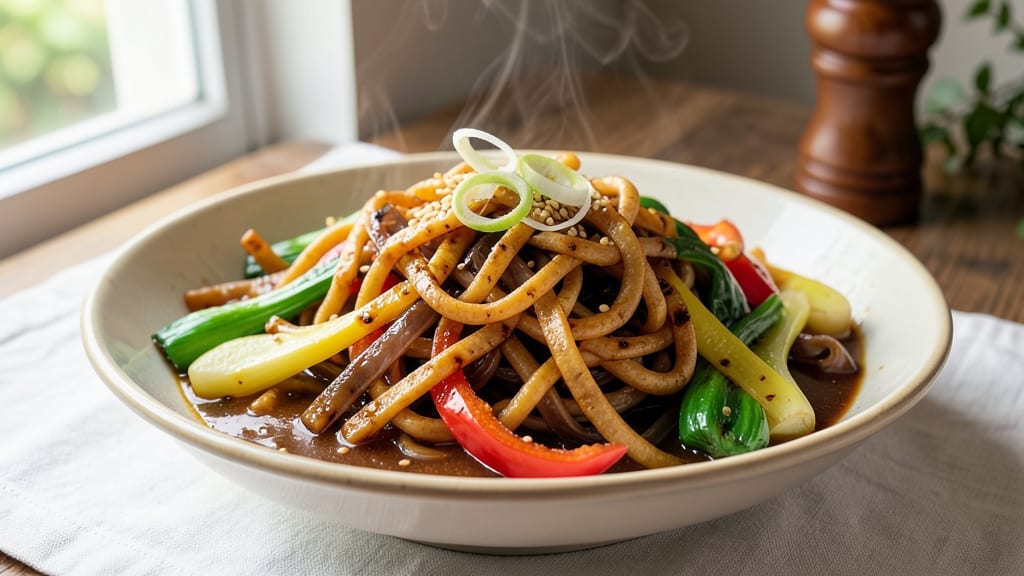
This authentic chow mein sauce recipe transforms ordinary stir-fries into restaurant-quality dishes with its perfect balance of sweet, spicy, and umami. The secret lies in simmering soy sauce, oyster sauce, and a touch of sugar to develop deep, complex flavors—no shortcuts here.
I’ve perfected this sauce over years of testing, ensuring it works equally well for dipping or tossing with fresh noodles.
The foundation begins with high-quality soy sauce and oyster sauce, which provide that signature umami richness. A splash of sesame oil adds nutty depth, while a hint of sugar and vinegar brightens the profile.
The sauce thickens slightly as it simmers, creating a glossy finish that clings beautifully to noodles and proteins. This isn’t just any sauce—it’s the kind that makes your stir-fry taste like it came from a bustling Chinese wok.
What makes this sauce truly authentic is the careful balance of flavors. Too much sugar flattens the umami, while too little vinegar leaves it one-dimensional. Here, we strike that perfect harmony, resulting in a sauce that’s bold yet refined.
It’s versatile enough for chicken, shrimp, or crispy vegetables, and it keeps well in the fridge for up to a week, ready to elevate any meal.
Once you taste the difference, store-bought versions won’t compare. The instructions are straightforward, but the results are anything but basic. Let’s get started on creating a sauce that turns simple ingredients into something extraordinary.
Ingredients for authentic chow mein sauce
Nine simple ingredients for a sauce that tastes like a bustling Chinese wok.
| Ingredient | Amount | Notes |
|---|---|---|
| Light Soy Sauce 🥢 | ½ cup | High-quality, not reduced |
| Dark Soy Sauce 🥢 | ¼ cup | For deeper color |
| Oyster Sauce 🦪 | ½ cup | Thick, not watery |
| White Vinegar 🍶 | 1 tbsp | White or apple cider |
| Sesame Oil 🫒 | 1 tbsp | Toasted, not flavorless |
| Granulated Sugar 🍚 | 2 tbsp | White or brown |
| Garlic Cloves 🧄 | 3 cloves | Minced, fresh preferred |
| Fresh Ginger 🌿 | 1 tbsp | Grated, not powdered |
| Red Chili Flakes 🌶️ | ½ tsp | Adjust for spice level |
| Cornstarch 🌾 | 1 tsp | For thickening |
The soy sauces are non-negotiable here—Kikkoman light and dark are my go-tos, but any high-quality brands work. Oyster sauce? Lee Kum Kee is the gold standard, but don’t stress if you’ve got another brand. The ginger and garlic need to be fresh (the powdered stuff kills the flavor). I grab mine from Asian markets—they’ve got the freshest root ginger and garlic cloves. For sesame oil, Kadoya is my pick, but any toasted sesame oil will do. Skip the 'light' or flavorless versions—they’re a waste of money.
No oyster sauce? A splash of fish sauce plus a pinch of sugar gets you close, though it won’t be identical. Short on ginger? A dash of ground ginger works in a pinch, but it’s not the same. The cornstarch is just for thickening—arrowroot works too if you’ve got it. Chili flakes can be swapped for a pinch of cayenne, but go easy. The sugar balances the umami, so don’t skip it—honey works too, but sugar dissolves better. The sauce thickens as it simmers, so if it’s too thin, add a splash of water with cornstarch mixed in (1 tsp cornstarch to 1 tbsp water).
This sauce keeps for up to 1 week in the fridge, and it actually tastes better the next day as the flavors meld. I always double the batch—one for immediate use, one to stash. Store it in a glass jar (plastic absorbs odors) with a tight lid. Freezes beautifully for up to 3 months if you portion it into ice cube trays first. Perfect for dipping, tossing, or drizzling—just give it a quick stir before using.
Why You'll Love This Recipe
- Five-Ingredient Magic: I swear by this combo—just soy sauces, oyster, vinegar, and sesame oil. No fancy gadgets, no hidden steps. The dark soy gives that rich, caramelized depth while the light keeps it bright, and the vinegar cuts through the richness like a perfect balance.
- Umami Bomb: That oyster sauce? It’s the secret weapon. A splash turns a basic stir-fry into something savory and complex, with just the right sweet-salty punch. Honestly, I’ve tried store-bought versions, but this homemade blend hits harder every time.
- Meal Prep MVP: Make a double batch and store it in the fridge. It’s perfect for tossing with leftover noodles, dumplings, or even grilled chicken—no last-minute scrambling. My freezer’s full of it because it keeps for weeks without losing a drop of flavor.
- Budget Game-Changer: Sesame oil and vinegar are cheap, but they make this taste like a restaurant dish. I buy soy sauces in bulk, and a little goes a long way. For the cost of one takeout order, I’ve got enough sauce to feed the family for days.
Step-by-step instructions for authentic chow mein sauce
Here's how to blend these ingredients into a sauce that delivers real Chinese takeout flavor.
Bloom the Aromatics in Sesame Oil
Heat a small saucepan over medium-low heat and add the 1 tablespoon sesame oil. Once the oil shimmers gently, add the 3 minced garlic cloves and 1 tablespoon grated fresh ginger. Let them cook for 30-45 seconds until fragrant but not browned—you should smell that bright, fresh aroma without any bitterness.
This initial step builds the sauce's aromatic foundation. If you let the garlic burn, it'll turn bitter and overpower the delicate balance we're creating. Keep your heat gentle and stir constantly to distribute the oil evenly around the aromatics.
Combine the Sauce Base Ingredients
Reduce heat to low and add the 0.5 cup light soy sauce, 0.25 cup dark soy sauce, and 0.5 cup oyster sauce all at once. Stir well to incorporate, then add the 2 tablespoons granulated sugar and 1 tablespoon white vinegar. Let the mixture simmer gently for 3-4 minutes until slightly thickened and the sugar dissolves completely.
The dark soy sauce will give your sauce that signature mahogany color, while the oyster sauce adds umami depth. The vinegar brightens everything up, cutting through the richness. You'll notice the sauce darken as it simmers—this is perfect, indicating the flavors are melding together.
Add Spice and Thicken the Sauce
Sprinkle in the 0.5 teaspoon red chili flakes and stir to distribute evenly. In a small bowl, whisk together the 1 teaspoon cornstarch with 2 tablespoons cold water until smooth. Slowly pour this slurry into the sauce while stirring constantly.
The chili flakes add just enough heat to balance the sweetness, while the cornstarch slurry will give your sauce that perfect coating consistency. You'll see it thicken noticeably within 30-60 seconds of adding the slurry. If it thickens too quickly, add another 1 tablespoon water to reach your desired consistency.
Simmer to Perfection
Continue simmering the sauce for another 2-3 minutes until it reaches a glossy, syrupy consistency that coats the back of a spoon. Taste and adjust seasoning if needed—you might want to add a bit more soy sauce for saltiness or sugar for sweetness, but this base should be balanced.
For authentic chow mein sauce, you want it to be thick enough to cling to noodles but still flow smoothly. The sauce should have a complex flavor profile with sweet, salty, tangy, and slightly spicy notes all working together. Let it cool slightly before using—this allows the flavors to fully meld and the sauce to thicken further as it sits.
Pro Tips For Making Authentic Chow Mein Sauce
- STIR IN STAGES: Mix the light and dark soy sauces first—let them bloom for 30 seconds before adding anything else. I learned this the hard way: dumping vinegar or oyster sauce in too soon just dilutes the depth of flavor instead of letting it develop.
- USE COLD SESAME OIL: Add sesame oil last, straight from the fridge, and stir it in gently—don’t let it heat up. After burning my first batch trying to "warm it into the sauce," I realized it needs to stay bright and aromatic, not cooked into oblivion.
- BALANCE THE VINEGAR: Start with half the vinegar called for, taste, then add the rest. Vinegar cuts through the richness, but too much turns your sauce into a sad, tangy glaze. My grandmother’s rule: "If it stings your tongue, you’ve gone too far."
- SWAP INSTEAD OF SKIPPING: No oyster sauce? Substitute with a tablespoon of fish sauce plus a pinch of sugar—it’s not identical, but it’ll still add umami. I was skeptical until I tried it, and honestly, it’s the only time I’ve made this sauce without oyster sauce and not noticed the difference.
Creative variations of this recipe
Sweet & Spicy Fusion
Add 1 tbsp honey and ½ tsp cayenne pepper to the base recipe for a sweet-spicy twist that works perfectly with chicken or pork. I like to finish with a drizzle of chili oil before serving—just 1 tsp adds smoky heat without overpowering.
This variation is inspired by Sichuan-style chow mein, where sweet and spicy flavors dance together. 🌶️
Vegetarian Adaptation
Replace the oyster sauce with ½ cup vegetarian oyster sauce (like Annie Chun’s) plus 1 tbsp mushroom sauce for umami depth. Add 1 tsp grated carrot and ½ tsp sesame seeds for color and texture.
This version keeps all the authentic flavor while being completely plant-based. The sauce works beautifully with tofu or crispy vegetables.
Thai-Inspired Variation
Swap the white vinegar for 1 tbsp fish sauce and add 1 tsp palm sugar (or brown sugar) plus ½ tsp lime zest. Finish with a splash of Thai chili sauce—just ½ tsp—for a tangy, spicy kick.
This fusion sauce pairs perfectly with pad thai noodles or grilled chicken skewers. The lime zest adds a bright, citrusy note that cuts through the richness.
Smoky BBQ Chow Mein
Add 1 tbsp molasses and ½ tsp smoked paprika to the base recipe for a deep, smoky flavor profile. I like to finish with a drizzle of hickory BBQ sauce—just 1 tbsp—for extra richness.
This variation works amazingly well with pulled pork or crispy fried chicken. The molasses adds a caramelized depth that balances the smokiness beautifully.
Lighter Lemon-Ginger Version
Reduce the sugar to 1 tbsp and add 1 tbsp fresh lemon juice plus 1 tsp grated lemon zest. This bright, citrusy version is perfect for seafood chow mein or summer rolls.
The lemon juice cuts through the richness of the soy and oyster sauces, creating a refreshing balance. It’s lighter but still packed with umami flavor.
Spicy Sesame Crunch
Stir in 1 tbsp toasted sesame seeds and ½ tsp Sichuan peppercorns (lightly toasted and crushed) at the end for a nutty, tingling finish. This version is perfect for noodle bowls or crispy spring rolls.
The Sichuan peppercorns add a subtle numbing heat that pairs wonderfully with the sweet and savory notes of the sauce. 💫
Nutrition facts
Frequently asked questions
Can I make this chow mein sauce without oyster sauce?
Yes! Replace the 0.5 cup oyster sauce with 0.3 cup soy sauce plus 1 tbsp fish sauce and 1 tsp sugar. The fish sauce adds umami depth while the extra sugar balances the flavors. For a vegetarian option, use ½ cup vegetarian oyster sauce plus 1 tbsp mushroom sauce for similar results.
How do I adjust the spice level?
Start with the 0.5 tsp red chili flakes as written for a mild heat. For medium spice, add ½ tsp extra chili flakes or ¼ tsp cayenne pepper. For a fiery kick, increase to 1 tsp chili flakes or add ½ tsp crushed Sichuan peppercorns at the end. Always taste first—you can reduce heat with a pinch of sugar or more vinegar.
What's the best way to store leftover sauce?
Let the sauce cool completely, then transfer to an airtight glass jar. It keeps for up to 1 week in the fridge. For longer storage, freeze it in ice cube trays—just thaw and stir before using. The sauce actually improves overnight as flavors meld! Pro tip: Label with the date to track freshness.
Can I use this sauce for other dishes besides chow mein?
This versatile sauce works perfectly for stir-fries, dipping noodles, marinating proteins, or even as a glaze for grilled meats. For dipping, thin it slightly with 1 tsp water to make it more pourable. The balance of sweet, salty, and umami makes it a great all-purpose Asian-inspired sauce.
Why did my sauce turn out too thin?
This usually happens if you didn't simmer long enough or the cornstarch didn't activate properly. For a quick fix, mix 1 tsp cornstarch with 1 tbsp cold water, stir into the sauce, and simmer for 1-2 minutes. If it's still too thin, repeat. For prevention, always whisk the cornstarch slurry thoroughly and add it gradually while stirring constantly.