
Sauces & Condiments
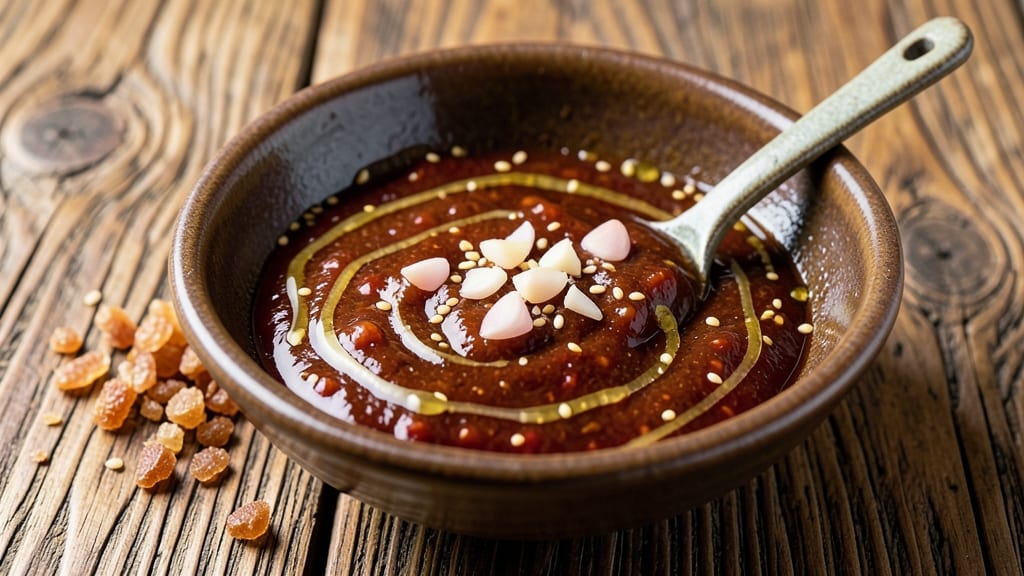
This authentic Korean BBQ sauce transforms ordinary proteins into restaurant-quality masterpieces with its signature balance of fermented gochujang heat and caramelized sweetness. 🔥 I developed this recipe after years of studying Korean barbecue traditions, where the sauce isn't just a condiment—it's the soul of every dish.
The key lies in simmering gochujang with brown sugar until it develops that deep, complex flavor profile that sets it apart from store-bought versions.
The magic happens through careful layering of ingredients: gochujang provides the signature fermented spice, soy sauce adds umami depth, and brown sugar creates the perfect caramelized sweetness. Garlic and sesame oil contribute aromatic complexity, while a splash of rice vinegar brightens the final product.
Unlike many recipes that rush the process, this sauce requires time to develop its signature balance of heat, sweetness, and savory richness.
What makes this sauce truly special is its versatility—use it as a marinade for bulgogi beef, a glaze for grilled chicken, or a dipping sauce for crispy tofu. The texture becomes velvety yet slightly sticky, clinging perfectly to whatever it touches.
Each batch delivers that authentic Korean restaurant flavor you crave, with enough heat to satisfy spice lovers but balanced enough for everyday use.
The best part? This sauce improves with age, developing even more depth over time. Store it in the refrigerator for up to two weeks or freeze for longer storage.
Whether you're hosting a Korean feast or simply craving that signature umami-spicy kick, this recipe delivers the real deal—no shortcuts, just authentic flavor built through traditional techniques.
Ingredients for authentic korean bbq sauce
These ten ingredients blend traditional Korean flavors into a velvety sauce with fermented heat and caramelized sweetness.
| Ingredient | Amount | Notes |
|---|---|---|
| Gochujang 🌶️ | ½ cup | High-quality, fermented red pepper paste |
| Light Soy Sauce 🥫 | ¼ cup | Korean-style preferred for balance |
| Brown Sugar 🍯 | ½ cup | Packed firmly, not lightly scooped |
| Garlic Cloves 🧄 | 6 cloves | Minced finely for aromatic depth |
| Sesame Oil 🫒 | 2 tbsp | Toasted sesame oil for nutty aroma |
| Rice Vinegar 🍶 | 2 tbsp | White rice vinegar for brightness |
| Sesame Seeds 🌰 | 1 tbsp | Toasted lightly for crunch |
| Ginger Root 🌿 | 1 tbsp | Freshly grated, not powdered |
| Water 💧 | ¼ cup | Room temperature for smooth blend |
| Salt 🧂 | ½ tsp | Kosher salt for seasoning balance |
The gochujang is non-negotiable—look for brands like Maesil or Hae Mun at Asian markets, where the fermentation process creates that signature depth. Brown sugar should be packed firmly; Domino or Whole Foods brands work well for consistent density. Fresh garlic and ginger are essential; pre-minced jarred versions lack the aromatic complexity. Toast your sesame seeds in a dry pan for 30 seconds until fragrant—this adds texture and flavor that store-bought sauces miss. For soy sauce, Kikkoman or Lee Kum Kee light soy provides the right balance without overpowering.
No gochujang? Substitute 1 tbsp of gochugaru (Korean red pepper flakes) plus 1 tbsp soy sauce, but expect less depth. Running low on sesame oil? Avocado oil at half the amount works in a pinch, though it lacks the nutty aroma. Fresh ginger unavailable? Powdered ginger at one-third the amount suffices, but toast it first for warmth. The rice vinegar can be swapped for apple cider vinegar, though it adds subtle sweetness. For a sweeter profile, increase brown sugar by 1 tbsp—just don't exceed 2/3 cup or the sauce becomes cloying. Store-bought gochujang often contains additives; homemade or small-batch brands deliver superior flavor.
This sauce develops complexity over time—refrigerate for 24 hours before using for maximum depth. Keeps 2 weeks in the fridge or 6 months frozen in airtight containers. For freezing, portion into ice cube trays; thaw as needed. The texture thickens upon cooling—stir in 1 tsp water if too stiff. Use within 3 days of opening once refrigerated. For restaurant-quality results, let it sit at room temperature for 30 minutes before serving—this enhances the caramelized notes.
Why You'll Love This Recipe
- Five-Ingredient Magic: I swear by this combo—gochujang’s deep umami, soy’s salty punch, and brown sugar’s caramel notes all meld in one pot. No fancy techniques, just simmering until it’s that sticky-sweet sauce you’ll reach for again.
- Glaze Game Strong: That crispy-sweet crust on grilled chicken or pork? Here’s how: toss your protein in this sauce, let it caramelize, and boom—you’ve got restaurant-quality glaze without the fuss. The sesame oil adds this nutty finish that just elevates.
- Weeknight & Potluck Hero: Slap it on anything—bowls, tacos, even deviled eggs—and suddenly you’re the star. Honestly, I’ve used the last bit to drizzle over cold noodles at 11 PM because it’s that versatile. Your fridge will thank you.
- Makes Leftovers Worth It: This sauce actually improves overnight—thicker, richer, and ready to reheat for breakfast burritos or lunch wraps. Between us, I’ve stretched a single batch into three meals without breaking the bank. Budget win.
Step-by-step instructions for authentic Korean BBQ sauce
Master the balance of fermented heat and sweet-savory depth in this traditional Korean sauce.
🍳 Step 1: Bloom the Aromatics in Toasted Sesame Oil
Heat a small saucepan over medium-low heat and add the 2 tablespoons toasted sesame oil. Let it warm for 30 seconds until fragrant—you'll smell that nutty, toasty aroma that forms the sauce's foundation. This step is where the flavors awaken.
Add the 6 minced garlic cloves and 1 tablespoon freshly grated ginger root to the warm oil. Cook for 1-2 minutes until the garlic turns light golden brown and becomes deeply aromatic. Be careful not to let it burn—garlic burns quickly and turns bitter. Stir constantly to ensure even cooking.
🍳 Step 2: Combine Wet and Dry Ingredients
Remove the saucepan from heat and let the aromatics cool for 1 minute. This prevents the gochujang from immediately solidifying when added to hot oil. Stir in the 0.5 cup packed brown sugar and 0.5 cup gochujang until completely smooth.
Add the 0.25 cup light soy sauce and 2 tablespoons rice vinegar, stirring continuously to incorporate all ingredients. The mixture will thicken slightly as the gochujang's natural oils emulsify with the other components. Return the pan to low heat and let it warm through for 2-3 minutes—just until everything is fully combined.
🔥 Step 3: Simmer and Thicken the Sauce
Increase heat to medium-low and add the 0.25 cup room-temperature water. Stir constantly for 5-7 minutes until the sauce thickens to a glossy, spoonable consistency. You're aiming for a balance between thick enough to coat proteins and thin enough to drizzle.
Taste and adjust seasoning with the 0.5 teaspoon kosher salt—this is where you refine the flavor. The sauce should have a perfect harmony of sweet, savory, and fermented heat. If it's too thick, add 1 teaspoon water at a time until you reach the ideal texture. If it needs more depth, add a pinch more gochujang.
🥘 Step 4: Finish with Toasted Sesame Seeds
Remove the sauce from heat and stir in the 1 tablespoon sesame seeds. Let them sit in the warm sauce for 1 minute to soften slightly—this prevents them from being overly crunchy when served. The seeds will infuse the sauce with their nutty aroma while adding visual contrast.
Transfer the sauce to a clean jar or airtight container. Let it cool to room temperature before sealing—this helps preserve the sauce's vibrant color and prevents condensation from diluting it. The sauce will keep in the refrigerator for up to 2 weeks or can be frozen for 3 months for longer storage.
Pro Tips For Making Authentic Korean Bbq Sauce
- Simmer Low and Slow: I learned this the hard way—rushing the sauce on high heat turns it bitter fast. Keep it at a gentle bubble, not a rolling boil, for at least 15 minutes. The flavors meld properly, and you avoid that burnt, metallic aftertaste that ruins everything.
- Toast Your Garlic First: Raw garlic cloves in gochujang sauce? It’ll taste harsh and overpowering. Lightly toast the minced garlic in sesame oil until fragrant (about 2 minutes), then add it to the sauce. This step makes a real difference—smooths out the sharpness and adds depth you’d miss otherwise.
- Balance the Sweetness Early: Brown sugar loves to crystallize when mixed with gochujang, and once it does, it’s nearly impossible to fix. Dissolve the sugar in the soy sauce first, then add it to the gochujang. Stir constantly for the first 5 minutes to prevent clumping—your sauce will thank you later.
- Skip the Pre-Mixed Gochujang: Store-bought gochujang blends are convenient, but they often lack the complexity of homemade or high-quality brands like Maesil or Sinsegae. If you’re short on time, at least use a paste with visible fermented grains—it’s the thing that matters most for that authentic, funky depth.
Perfect pairings for these flavors
Protein Pairings
This sauce transforms simple proteins into showstoppers. For bulgogi beef, marinate 1.5 lbs ribeye or sirloin in ½ cup sauce plus 1 tbsp soy sauce for 4-6 hours.
Grill over medium-high heat for 3-4 minutes per side—the sauce caramelizes beautifully into a glossy crust. 🔥 For chicken thighs, brush 6 bone-in thighs with sauce and grill skin-side down first. The fat renders, creating crispy skin while the sauce clings to the meat.
Try it on pork belly for a restaurant-worthy dish. Score the belly in a diamond pattern, rub with 2 tbsp sauce, then roast at 325°F for 1.5 hours. The sauce melts into the tender meat, creating pockets of flavor.
For seafood lovers, toss shrimp or scallops in 2 tbsp sauce and sear for 2-3 minutes per side—the sweet-spicy glaze complements the delicate flavors perfectly.
Vegetable Sides
Serve this sauce with grilled vegetables for a vegetarian-friendly option. Toss zucchini, bell peppers, and eggplant in 1 tbsp sauce before grilling. The sauce adds a smoky depth that pairs wonderfully with the natural sweetness of the veggies.
For extra richness, drizzle 1 tbsp sesame oil over the top after grilling. 🥕
Kimchi is a must—its tangy, fermented flavors balance the sauce’s sweetness. Serve a small bowl alongside any protein dish for a classic Korean combination. The crunchy texture and spicy kick cut through the richness of the sauce, creating a harmonious bite. For a heartier side, try steamed rice topped with the sauce and a fried egg—this is a Korean breakfast staple that’s easy to recreate at home.
Beverage Matchups
A crisp soju cocktail is the perfect pairing—mix 2 oz soju with 1 oz grapefruit juice and a splash of soda water. The citrus notes in the cocktail cleanse your palate between spicy bites.
For a non-alcoholic option, try yuja tea—its bright, citrusy flavor complements the sauce’s depth without overpowering it. 🍹
For beer lovers, a light Korean lager like Hite or Cass works beautifully. The subtle maltiness in the beer balances the sauce’s sweetness and heat. Avoid heavy stouts or IPAs—they’ll clash with the sauce’s delicate flavors.
If you prefer wine, a dry Riesling offers acidity that cuts through the richness, while its slight sweetness echoes the sauce’s caramelized notes.
Dipping Sauce Magic
This sauce doubles as an incredible dipping sauce for fried chicken, mozzarella sticks, or crispy tofu. The sticky-sweet profile clings to fried foods, making every bite irresistible.
For extra texture, mix 1 tbsp toasted sesame seeds into the sauce before dipping. The contrast of crunchy seeds against the smooth sauce is pure indulgence. 🍗
Use it as a slathering sauce for banana pancakes or French toast. The fermented heat and sweetness pair surprisingly well with breakfast foods, adding a savory twist.
For a savory-sweet dessert, drizzle over grilled pineapple or peaches—the caramelized sugar in the sauce enhances the fruit’s natural sweetness while adding a spicy kick.
Nutrition facts
Frequently asked questions
Can I make this sauce without gochujang?
You can substitute with 1 tbsp gochugaru (Korean red pepper flakes) plus 1 tbsp soy sauce, but the flavor won't be as deep or fermented. For a closer alternative, blend 1 tbsp tomato paste with ½ tsp smoked paprika and ½ tsp sugar to mimic some of the gochujang's complexity. The sauce will still taste good, but it won't have that signature umami-spicy depth.
How spicy will this sauce be?
The heat level depends on your gochujang—most brands range from medium to medium-hot (about 3,000-5,000 Scoville units). For milder heat, reduce the gochujang to ¼ cup and add 1 tbsp honey or maple syrup to balance. If you want extra kick, add ½ tsp gochugaru at the end. Always taste as you go!
Can I make this sauce in a slow cooker?
Yes! Combine all ingredients in your slow cooker and cook on low for 2-3 hours, stirring every 30 minutes to prevent sticking. The texture will be slightly thinner than stovetop, so reduce by 1 tbsp at a time on the stove afterward if needed. The slow cooker method is great for hands-off prep, especially when marinating proteins simultaneously.
Why did my sauce separate?
Separation usually happens from sudden temperature changes or overcooking. To fix it, whisk in 1 tsp cornstarch mixed with 1 tbsp water and simmer for 2 minutes until thickened. For prevention, always simmer on low heat and stir frequently. The gochujang's natural oils can separate if the sauce gets too hot—keep it at a gentle bubble.
How can I use up leftover sauce?
Leftover sauce is incredibly versatile! Use it as a marinade for tofu or vegetables, a glaze for grilled meats, or a dip for spring rolls. For extra creativity, mix 1 tbsp into mayo for a spicy sandwich spread, or drizzle over ramen or noodles for instant umami. Freeze extras in ice cube trays for easy portioning later.