
Sauces & Condiments
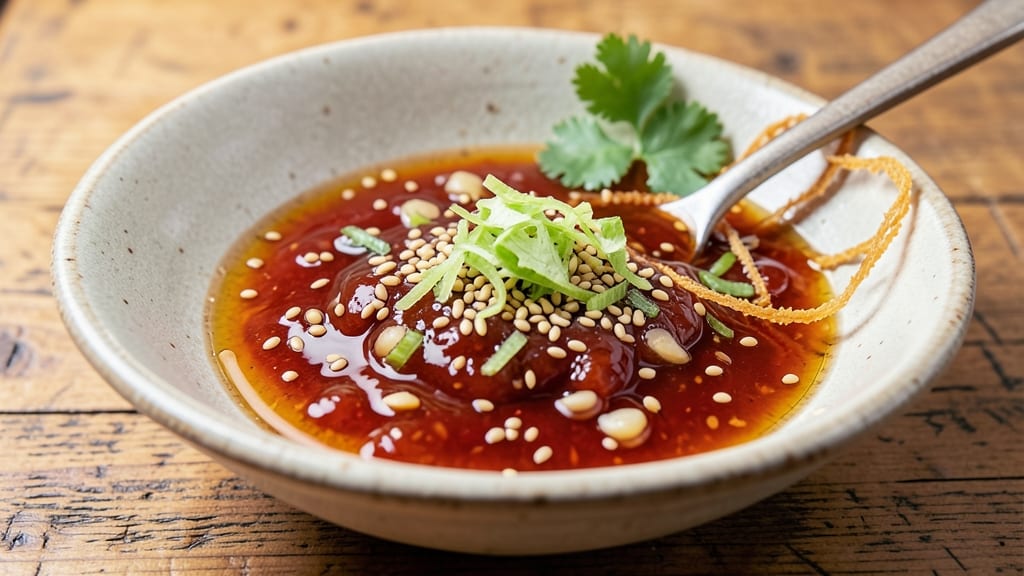
This authentic Chinese plum sauce recipe transforms simple stir-fries into restaurant-worthy dishes with its signature sweet-tangy balance. The secret lies in slow reduction, where plum paste, vinegar, and spices meld into a glossy glaze that clings perfectly to noodles, meats, or crispy vegetables.
I've perfected this version after years of testing—no artificial additives, just pure, vibrant flavors that transport you to a bustling Cantonese kitchen.
The process is simpler than it sounds: simmering plum paste with vinegar, sugar, and aromatic spices until thickened into a glossy, syrupy consistency. The key is patience—rushing the reduction results in a thin, watery sauce that lacks depth.
Traditional methods call for small batches to concentrate flavors, and I've kept that principle here for maximum impact. This sauce isn't just for dipping; it elevates everything from Peking duck to spring rolls.
What makes this sauce truly special is its versatility. Use it as a dipping sauce for crispy fried items, a glaze for grilled meats, or a stir-fry sauce that caramelizes beautifully. The balance of sweetness and acidity cuts through rich dishes, while the subtle spice notes add complexity.
Unlike store-bought versions, this recipe delivers authentic umami and fruitiness that comes from real plum paste and careful reduction.
Once you taste the difference, you'll never go back to bottled plum sauce again. The process takes about 20 minutes of active time, with minimal effort but maximum reward. Let's create a sauce that brings the bold flavors of Chinese cuisine to your table—authentically and deliciously.
Ingredients for authentic chinese plum sauce
Nine essential ingredients blend into a sweet-tangy sauce that elevates stir-fries and grilled dishes authentically.
| Ingredient | Amount | Notes |
|---|---|---|
| Plum Paste 🍑 | ½ cup | High-quality, chunky texture preferred |
| Rice Vinegar 🍶 | ½ cup | White or seasoned variety works |
| Granulated Sugar 🍚 | ½ cup | White or brown sugar preferred |
| Fresh Ginger 🧄 | 2 tbsp | Finely grated, aromatic variety |
| Garlic Cloves 🧄 | 4 cloves | Minced, for aromatic depth |
| Soy Sauce 🍜 | 2 tbsp | Light or dark soy sauce |
| Sesame Oil 🫒 | 1 tbsp | Toasted for nutty aroma |
| Ground Star Anise 🌿 | ½ tsp | Or whole star anise, crushed |
| Ground Cinnamon 🌿 | ¼ tsp | Freshly ground preferred |
| Red Chili Flakes 🌶️ | ½ tsp | Adjust for heat preference |
The plum paste is non-negotiable—look for chunky varieties at Asian markets or specialty stores like H Mart or 99 Ranch. Fresh ginger and garlic should smell vibrant, not musty, and organic ginger from the grocery store's produce section works perfectly. The soy sauce makes or breaks the depth; Kikkoman light soy is my go-to, but any quality brand will do. Star anise is key for that authentic aroma, and if you can't find ground, crush whole pods from the spice aisle—they're often cheaper and more potent.
No plum paste? Substitute 0.25 cup apricot jam, though the flavor won't be identical. Short on ginger? Double the garlic for a similar punch. The sesame oil adds richness, but if you're avoiding it, toasted peanut oil works in a pinch. For heat, Sichuan peppercorns (lightly toasted and crushed) can replace chili flakes for a numbing, citrusy kick. If you're using brown sugar, mix it with 1 tsp molasses for deeper caramel notes. The sauce thickens as it cools, so start with slightly less sugar if you prefer a lighter glaze.
This sauce keeps beautifully—1 week in the fridge once opened, or 6 months frozen in ice cube trays for single-use portions. The flavor actually improves over time, as the ingredients meld further. For extra shine, add 1 tsp cornstarch to the finished sauce and stir vigorously before serving. I always make double batches; the second round is perfect for Peking duck or spring roll dipping. Store in a clean glass jar with a tight seal to preserve the aromatic oils.
Why You'll Love This Recipe
- Pantry Magic: I swear by this sauce—no fancy shopping trips needed. Plum paste and rice vinegar are my secret weapons, and they’re likely already lurking in your cupboards. Honestly, the ginger and garlic add that je ne sais quoi, but the real win? No last-minute grocery runs.
- Sweet-Savory Balance: That first taste of caramelized plum paste with the bright tang of vinegar? Pure satisfaction. The sugar cuts through the garlic’s bite while the ginger lingers like a warm hug. It’s the kind of flavor that makes you pause mid-bite and go, “Wait, why isn’t this on everything?”
- Glaze or Dip: Slather it on grilled chicken, drizzle it over dumplings, or serve it as a dip—this sauce does it all. I’ve used it for weeknight stir-fries, holiday banquets, and even as a glaze for roasted veggies. (Yes, even on a Tuesday night.)
- Make-Ahead Gold: Batch it on Sunday, and you’ve got a flavor bomb ready for the week. Keeps in the fridge for up to two weeks, so no wasted ingredients or last-minute stress. Between us, I’ve frozen jars for months—thaw, reheat, and boom, instant flavor upgrade.
Step-by-step instructions for authentic Chinese plum sauce
Here's how to craft this classic sweet-tangy sauce that balances umami, spice, and fruity depth.
Bloom the Aromatics in Light Oil
In a small saucepan over medium-low heat, combine the 1 tablespoon sesame oil with the 2 tablespoons finely grated fresh ginger and 4 minced garlic cloves. Let them cook for 1-2 minutes until fragrant but not browned—you should smell that warm, toasty aroma without any bitterness.
This gentle cooking awakens the ginger's spicy notes and garlic's sweetness without burning them. Stir occasionally so they cook evenly. If the oil starts to smoke, reduce the heat immediately—you want the aromatics to perfume the sauce, not dominate it with harsh flavors.
Add Vinegar and Sugar for the Base
Pour in the 0.5 cup rice vinegar and 0.5 cup granulated sugar all at once. Stir well to dissolve the sugar completely—you should hear it sizzle slightly as it melts into the warm oil. Bring the mixture to a gentle simmer over medium heat, then reduce to low heat and let it cook uncovered for 5-6 minutes.
Watch for the sugar to caramelize just slightly at the edges—this creates that signature glossy sheen. If the mixture looks too thin, increase the heat briefly to help reduce it. The sauce should thicken into a syrupy consistency while maintaining a bright, tangy acidity from the vinegar.
Incorporate Spices and Chili
Add the 0.5 teaspoon ground star anise, 0.25 teaspoon ground cinnamon, and 0.5 teaspoon red chili flakes all at once. Stir continuously for 30 seconds to distribute the spices evenly. The star anise will release its licorice-like aroma, while the cinnamon adds warmth and the chili brings subtle heat.
This is where the sauce develops its complex character. Let it simmer gently for another 2 minutes—you'll notice the spices infusing the liquid with their distinct flavors. If you're using whole star anise, you can strain it out after cooking, but ground spices work perfectly for this recipe.
Finish with Plum Paste for Depth
Reduce the heat to lowest setting and gradually whisk in the 0.5 cup plum paste until fully incorporated. The paste will thicken the sauce dramatically, so add it slowly to prevent clumping. Stir constantly for 3-4 minutes until the sauce becomes glossy and coats the back of a spoon.
Here's the thing—plum paste is the soul of this sauce. Its natural sweetness and tartness balance the vinegar's acidity while adding that unmistakable fruity depth. If the sauce seems too thick, add 1 teaspoon water at a time until it reaches a smooth, pourable consistency that still clings to the back of a spoon.
Cool and Adjust for Perfection
Remove the saucepan from heat and let the sauce cool for 10 minutes while you stir occasionally. This resting period allows the flavors to meld completely. Taste and adjust the seasoning—add a touch more soy sauce if it needs more umami depth, or a pinch of sugar if the vinegar's acidity overpowers.
For authentic results, the finished sauce should be glossy with a smooth, velvety texture that's neither too thick nor too thin. It should taste sweet but not cloying, tangy but balanced, with just a hint of spice from the chili. Store in an airtight container in the refrigerator for up to 2 weeks, or freeze for longer storage.
Pro Tips For Making Authentic Chinese Plum Sauce
- Bloom the Ginger: Peel and slice the ginger thin—no need to mince—then toss it straight into cold water for 10 minutes. This softens it just enough to release flavor without turning to mush when cooked, and you skip the whole "burnt ginger" disaster that happens when you rush it.
- Simmer Low and Slow: Once the plum paste dissolves, drop the heat to the lowest setting you can tolerate. I learned this the hard way—skipping this step makes the sauce split or turn grainy, and no one wants a lumpy plum glaze. Ten minutes at a bare simmer does the trick.
- Toast the Garlic: Sear the garlic in oil until it’s golden, not brown—just past the point where it smells like heaven but before it turns bitter. This adds depth that raw garlic can’t match, and it’s the difference between "good" and "restaurant-quality" sauce.
- Balance the Vinegar: Taste the sauce before adding all the rice vinegar—start with half and adjust. Too much makes it sharp; too little flattens the plum’s sweetness. I used to dump it all in and wondered why my sauce tasted like a pickle. Now I adjust slowly.
Flavor customization for this authentic chinese plum sauce
Sweet-Tart Balance
Adjust the sugar-to-vinegar ratio to suit your taste. For a tartier sauce, increase rice vinegar by 1 tbsp and reduce sugar by 1 tbsp. For a sweeter version, add 1 tbsp honey or 1 tbsp apricot jam to the finished sauce.
I often make two batches—one slightly sweeter for dipping and one tangier for glazing meats. 🍯
Spice Level Control
Skip the red chili flakes entirely for a mild sauce, or add 1 tsp Sichuan peppercorns (toasted and crushed) for a numbing, citrusy kick. For heat lovers, increase chili flakes to 1 tsp.
Pro tip: Toast whole star anise in a dry pan for 30 seconds before grinding to deepen its flavor. 🌶️
Umami Boost Options
Enhance the savory depth with 1 tbsp fish sauce (traditional in some regional versions) or 1 tbsp oyster sauce for richness. For vegetarian versions, add 1 tbsp mushroom powder or an extra 1 tbsp soy sauce.
I find fish sauce works best when balanced with a touch more sugar to counteract its saltiness. 🍜
Fruity Variations
Swap plum paste for 0.25 cup apricot jam for a lighter fruitiness, or add 1 tbsp orange zest to brighten the sauce. For a tropical twist, stir in 1 tsp lime juice and 1 tsp grated lime zest at the end.
These variations work beautifully with summer dishes like grilled shrimp or mango salads. 🍈
Thickness Adjustments
For a thicker glaze, simmer uncovered for an extra 2-3 minutes or add 1 tsp cornstarch mixed with 1 tbsp water. For a lighter dipping sauce, thin with 1-2 tbsp warm water or rice vinegar. Remember, the sauce thickens as it cools—always taste before adjusting. 🥄
Regional Twists
In Cantonese versions, add 1 tsp Shaoxing wine for complexity. For Sichuan-style, include 1 tsp doubanjiang (chili bean paste) and 1 tsp gochujang for heat.
The Taiwanese version often uses pineapple jam instead of plum paste for a sweeter profile. Each variation maintains the sweet-tangy core while adding local flavors. 🗺️
Nutrition facts
Frequently asked questions
Can I make this plum sauce without plum paste?
Yes, but the flavor won't be authentic. Substitute 0.25 cup apricot jam for a milder fruitiness or 0.25 cup dried plum (prune) puree for closer results. The sauce will be less complex but still delicious—just expect more tartness from the vinegar. For best results, use 1 tbsp extra sugar to balance the substitution.
How do I prevent the sauce from getting too thick or too thin?
Start with low heat and stir frequently during reduction. For a thicker glaze, simmer uncovered for 2-3 extra minutes or add 1 tsp cornstarch mixed with 1 tbsp water at the end. If it's too thin, reduce heat and cook longer—it will thicken as it cools. Always taste before adjusting! The perfect consistency coats the back of a spoon but remains pourable.
What's the best way to store homemade plum sauce?
Store in an airtight glass jar in the fridge for up to 2 weeks or freeze in ice cube trays for 6 months. The flavors actually improve with time! For longer shelf life, add a thin layer of oil on top before sealing. Thaw frozen sauce in the fridge overnight—never microwave it directly.
Can I use this sauce for non-Chinese dishes?
It pairs beautifully with grilled meats, fried chicken, or even pizza as a sweet-tangy glaze. Try drizzling it over tacos with shredded cabbage or using it as a marinade for tofu or pork skewers. The balance of sweet-spicy works surprisingly well with Western flavors too.
Why does my plum sauce taste too sweet or sour?
Adjust the balance by adding 1 tbsp soy sauce for more umami (reduces sweetness) or 1 tsp extra vinegar for tang. For overly sour sauce, stir in 1 tsp honey or 1 tsp sugar. Remember: the sauce mellows as it cools, so taste it after 10 minutes of resting. Start with small adjustments—you can always tweak further.