
Sauces & Condiments
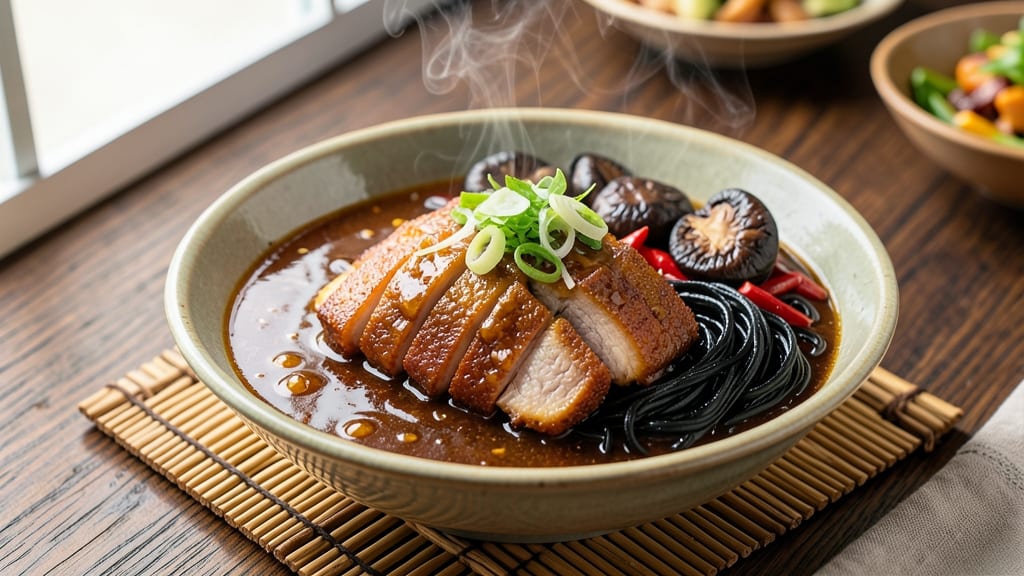
This authentic Chinese brown sauce recipe transforms ordinary dishes into restaurant-worthy meals with its deep, complex umami flavor. 🌟 The secret lies in a slow-simmered blend of fermented soybeans, dark soy sauce, and a touch of molasses, creating a glossy, caramelized sauce that clings beautifully to stir-fries, dumplings, and braised meats.
Unlike store-bought versions, this homemade sauce builds layers of richness through traditional techniques—reducing until thick and glossy, then balancing with just enough sweetness to harmonize with savory ingredients.
The foundation of this sauce is fermented soybean paste, which delivers that signature umami depth Chinese cooking relies on. Combined with dark soy sauce for color and body, and a splash of molasses for subtle sweetness, the sauce develops a velvety texture that enhances rather than overpowers dishes.
The key is patience—simmering for 20-30 minutes allows the flavors to meld into a cohesive, aromatic sauce that’s far more complex than bottled alternatives.
What makes this sauce truly special is its versatility. Use it as a glossy finish for stir-fried vegetables, a dipping sauce for dumplings, or a marinade for meats—each application reveals a new depth of flavor.
The sauce keeps well in the refrigerator for up to 2 weeks, making it perfect for meal prep or gifting. Whether you’re cooking for family or hosting a dinner party, this sauce will elevate every dish it touches.
Ready to master this authentic technique? The process is simpler than it sounds, and the results are undeniably worth the effort. Let’s get started—your taste buds (and dinner guests) will thank you.
Ingredients for authentic chinese brown sauce
Ten essential ingredients crafting restaurant-quality umami depth in every spoonful.
| Ingredient | Amount | Notes |
|---|---|---|
| Fermented Soybean Paste 🥫 | ½ cup | High-quality doubanjiang preferred |
| Dark Soy Sauce 🍶 | ½ cup | For rich color and depth |
| Light Soy Sauce 🍶 | ¼ cup | Balances saltiness |
| Molasses 🍯 | 2 tbsp | Unsulphured for authentic sweetness |
| Rice Vinegar 🍶 | 2 tbsp | White or seasoned variety |
| Garlic Cloves 🧄 | 4 cloves | Minced for aromatic depth |
| Fresh Ginger Root 🧅 | 1 tbsp | Finely grated, not powdered |
| Sesame Oil 🫒 | 1 tbsp | Toasted for nutty aroma |
| Sugar 🍚 | 1 tbsp | White granulated preferred |
| Water 💧 | 1 ½ cups | Filtered preferred for clarity |
The fermented soybean paste is non-negotiable—Lao Gan Ma doubanjiang from Asian markets delivers that unmistakable umami punch. For the dark soy sauce, Lee Kum Kee or Kikkoman are reliable choices, though any brand with deep color works. Fresh ginger and garlic should be vibrant, not woody or discolored. The molasses must be unsulphured; sulphured versions add unwanted bitterness. Store your fermented paste in the fridge once opened to preserve its potency for up to 6 months.
No dark soy sauce? Light soy sauce plus 1 tsp caramel coloring mimics the hue. Substitute molasses with date syrup at a 1:1 ratio, though it lacks the same depth. Fresh ginger powder works in a pinch, but grate your own for authentic texture. The sesame oil can be swapped for peanut oil if nut-free is necessary. For a quicker version, reduce the water by half and simmer for 15 minutes instead of 30, though the flavor won't develop as fully.
This sauce thickens as it cools, so don't over-reduce. Store in a glass jar with a tight seal—keeps for 2 weeks refrigerated or 6 months frozen. The color darkens further after chilling, so plan accordingly. For gifting, freeze in ice cube trays, then transfer to a sealed container. Each batch yields about 1.5 cups, perfect for 3-4 stir-fry meals.
Why You'll Love This Recipe
- Pantry Magic: I swear by this sauce because it’s all about what’s already in my cupboard. No specialty trips—just fermented soybean paste (that deep, funky umami bomb) and a few sauces I already own. Honestly, if you’ve got soy sauce in your fridge, you’re halfway there.
- Umami Bomb: That first spoonful of fermented soybean paste and dark soy sauce? Chef’s kiss. The molasses adds this unexpected caramel sweetness that cuts through the saltiness, while the rice vinegar keeps it bright. It’s the kind of flavor that makes you pause mid-bite and go, “Wait, how is this so good?”
- Sauce for Everything: Between us, this stuff is my secret weapon for weeknights. Drizzle it over stir-fries, toss it with rice and veggies, or even slather it on grilled meats—it’s the glue that makes everything taste better. (Yes, even on a Tuesday night when you’re exhausted.)
- Budget Stretch: A little goes a long way, and it keeps forever in the fridge. I make a big batch, and suddenly my grocery bill drops because I’m not buying fancy sauces or takeout. Plus, the ingredients? Cheap as chips. This is the kind of recipe that actually saves money while making you feel fancy.
Step-by-step instructions for authentic Chinese brown sauce
This sauce delivers the rich, complex flavor profile that defines classic Chinese stir-fries and dumplings.
🍳 Step 1: Bloom the Fermented Soybean Paste
Heat a medium saucepan over medium-low heat and add the 0.5 cup Fermented Soybean Paste. Stir continuously for 3-4 minutes until it begins to sizzle and release its deep, nutty aroma. This step develops the sauce's umami foundation and prevents a raw, bitter taste.
Watch closely—the paste should darken slightly and become fragrant. If it starts to brown too quickly, reduce the heat to low. The goal is to coax out the flavors without burning the paste. This is where the sauce's authentic character begins to form, so don't rush this process.
🍳 Step 2: Incorporate Aromatics and Soy Sauces
Add the 4 cloves Garlic Cloves and 1 tbsp Fresh Ginger Root to the saucepan, stirring for 1 minute until fragrant. Then pour in the 0.5 cup Dark Soy Sauce and 0.25 cup Light Soy Sauce, mixing well to combine. The dark soy sauce will begin to darken immediately, creating the signature brown color.
This is the moment where the sauce's visual transformation begins. You'll see the mixture darken dramatically as the soy sauces meld with the fermented paste. Keep the heat at medium-low to prevent scorching while allowing the flavors to integrate properly.
🍳 Step 3: Build Depth with Sweet and Acid Components
Add the 2 tbsp Molasses, 2 tbsp Rice Vinegar, 1 tbsp Sugar, and 1.5 cups Water to the saucepan. Stir well to dissolve the sugar completely. Bring the mixture to a gentle simmer over medium heat, then reduce heat to low and let it cook uncovered for 15-20 minutes.
During this time, the sauce will reduce slightly, intensifying its flavors. You'll notice a glossy sheen developing on the surface—this indicates proper reduction. Stir occasionally to prevent sticking, and watch for the sauce to thicken to a glossy, syrupy consistency. The molasses adds authentic sweetness while the vinegar balances the richness.
🍳 Step 4: Finish with Sesame Oil for Nutty Depth
Remove the saucepan from heat and stir in the 1 tbsp Sesame Oil. The oil will immediately emulsify with the sauce, creating a rich, velvety texture. Taste and adjust seasoning if needed—you may need to add a pinch more sugar to balance the acidity or a splash more light soy sauce for saltiness.
Let the sauce rest for 5 minutes before using. This resting period allows the flavors to fully meld and the texture to stabilize. The final sauce should be glossy with a deep brown color and a complex balance of sweet, salty, umami, and slightly tangy flavors. This authentic Chinese brown sauce is now ready to elevate your stir-fries, dumplings, or braised dishes.
Pro Tips For Making Authentic Chinese Brown Sauce
- Bloom the Paste: Heat your fermented soybean paste in a dry pan for 2-3 minutes before adding liquids—this banishes the raw, bitter edge and lets the nutty aroma shine. I learned this the hard way after serving a batch that tasted like overworked miso. Trust me, the extra minute saves your sauce.
- Balance the Molasses: Start with half the molasses and taste as you go—too much turns your sauce syrupy, not rich. Dark soy sauce already packs sweetness, so resist the urge to drown it. I once overdid it and ended up with a dessert glaze instead of a savory sauce.
- Simmer Slow or Burn It: Keep the heat low once everything’s combined, or you’ll scorch the molasses and dark soy sauce before the flavors meld. Watch the pan like a hawk—this isn’t a race. After burning two batches, I now set a timer for 10-minute intervals and stir aggressively.
- Vinegar Last: Add rice vinegar in the final 2 minutes—its acidity cuts through the richness but evaporates fast. Toss it in early, and you’ll end up with a sharp, unbalanced sauce. I was skeptical until I tried it; now I swear by the timing.
Regional styles of this dish
Cantonese Stir-Fry Gloss
In Cantonese cuisine, this sauce is called "brown sauce" (红油酱) and serves as the signature gloss for dishes like char siu bao or stir-fried greens. The key difference here is using more dark soy sauce (⅔ cup instead of ½) for that signature deep mahogany color.
I find adding 1 tsp chili bean paste (辣豆瓣酱) at the end gives it a subtle heat that pairs perfectly with pork or tofu. 🌶️
Sichuan Spicy Twist
For Sichuan-style dishes, replace 2 tbsp molasses with 1 tbsp doubanjiang (fermented chili bean paste) and add ½ tsp Sichuan peppercorns toasted in the sesame oil. The result is a fiery, numbing sauce ideal for dan dan noodles or mapo tofu.
I like to finish with 1 tsp chili oil for extra heat and aroma. This version keeps for only 1 week due to the fresh chili components.
Shanghai Sweet-Savory
Shanghai cuisine prefers a sweeter, silkier sauce for dishes like braised pork belly. Increase the molasses to 3 tbsp and add 1 tbsp Shaoxing wine during the simmering phase. The wine adds depth without overpowering the sweetness.
For extra richness, whisk in 1 tsp cornstarch with 1 tbsp water at the end to create a glossy, velvety finish. This version works beautifully as a dipping sauce for soup dumplings.
Hong Kong Dim Sum Sauce
Hong Kong-style dim sum sauces are lighter but equally flavorful. Reduce the fermented soybean paste to ⅓ cup and add 1 tbsp honey instead of molasses for a brighter sweetness. Finish with ½ tsp white pepper for a subtle warmth.
This version is perfect for steamed buns or char siu. I often serve it at room temperature, as the texture becomes even more delicate when chilled. 🥟
Taiwanese Oyster Sauce Fusion
Taiwanese chefs often blend brown sauce with oyster sauce for stir-fries and noodles. After simmering, stir in ¼ cup oyster sauce and 1 tsp sesame paste for a creamy, briny depth. This hybrid sauce works wonders with beef stir-fry or fried rice.
For extra authenticity, add 1 tsp light muscovado sugar (black sugar) during the reduction phase. The result is a complex, caramelized sauce with layers of umami and sweetness.
Northern Chinese Hearty Version
In Northern China, this sauce is thicker and heartier, often used for braised lamb or dumplings. Increase the water to 2 cups and reduce uncovered for 30 minutes until it reaches a syrupy consistency.
Add 1 tbsp fermented black beans (chou dou) during the simmer for an earthy depth. This version is less glossy but packs intense umami flavor—perfect for cold weather dishes. 🥶
Nutrition facts
Frequently asked questions
What's the difference between this brown sauce and hoisin sauce?
This brown sauce is thicker, glossier, and less sweet than hoisin, which contains ground nuts and a sweeter molasses base. Hoisin has a paste-like consistency, while this sauce remains fluid enough to glaze stir-fries. Think of it as a cross between hoisin and dark soy sauce, but with deeper umami from fermented soybean paste.
Can I make this sauce without fermented soybean paste?
Yes, but the flavor will be less authentic. Substitute with ¼ cup miso paste plus 1 tbsp dark soy sauce, though you'll lose that signature nutty depth. For closest results, use 1 tbsp doubanjiang (chili bean paste) if available. The paste is key for authentic umami—don't skip it if possible!
How much sauce should I use for stir-fries?
Start with 1-2 tablespoons per dish for 2-3 servings. Toss it in at the very end of cooking to prevent curdling. For braised dishes, use ¼ cup per pound of meat, adding it in the last 10 minutes of cooking. The sauce clings beautifully to proteins and vegetables when applied hot.
Why did my sauce turn too thick?
Over-reducing is the most common cause. This sauce should remain fluid but glossy—like heavy syrup. If it thickens too much, whisk in 1-2 teaspoons warm water to restore consistency. For future batches, reduce heat to low and stir more frequently during simmering. The molasses helps prevent excessive thickening.
Can I use this sauce as a marinade?
Use it as a 50% sauce to 50% oil marinade for meats like pork or chicken. Marinate for 30-60 minutes (no longer, or the acidity may toughen the meat). For seafood, use it as a dipping sauce only—the acidity can break down delicate proteins. The sauce's glossy finish makes it perfect for grilled dishes too.