
Sauces & Condiments
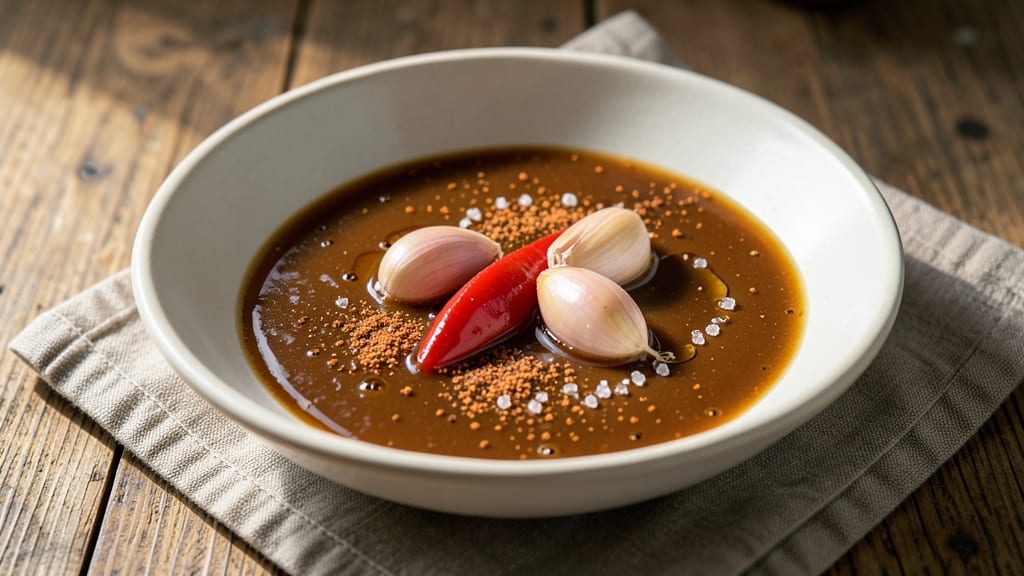
This amino sauce recipe transforms simple pantry staples into a smoky, umami-rich sauce that elevates stir-fries, grilled meats, and dipping sauces with just a few minutes of simmering. The secret lies in balancing soy sauce, mirin, and a touch of sweetness, creating a sauce that's both bold and versatile.
I developed this recipe after craving that deep, savory depth found in Asian street food—now you can recreate it at home without the fuss.
The beauty of this sauce is its simplicity: just five ingredients combine to create layers of flavor that build as they reduce. A splash of vinegar adds brightness, while a pinch of sugar caramelizes slightly, rounding out the smoky notes.
The sauce thickens as it simmers, coating proteins and vegetables with a glossy, sticky finish that clings perfectly. It's the kind of condiment that turns ordinary meals into something extraordinary with minimal effort.
Perfect for marinating chicken, drizzling over noodles, or serving as a dipping sauce for spring rolls, this amino sauce delivers restaurant-quality flavor in under 20 minutes. The smoky aroma alone will have everyone asking for seconds, and the versatility means you'll reach for it again and again.
Whether you're grilling, stir-frying, or simply looking to elevate a simple dish, this sauce is your new kitchen essential.
Once you taste the difference, store-bought versions won't compare. The sauce keeps well in the fridge for up to two weeks, so you can make a big batch and have it ready whenever inspiration—or cravings—strike. Let's get started on creating your own smoky umami bomb.
Ingredients for amino sauce
Five pantry staples create this restaurant-worthy sauce that's smoky, sticky, and packed with umami.
| Ingredient | Amount | Notes |
|---|---|---|
| Light Soy Sauce 🥢 | ½ cup | Use low-sodium for better control |
| Mirin 🍶 | ¼ cup | Substitute 1 tbsp sugar + 1 tbsp water |
| Rice Vinegar 💧 | ¼ cup | White or seasoned works best |
| Granulated Sugar 🍚 | 1 tbsp | Brown sugar adds depth |
| Smoked Paprika 🌶️ | 1 tsp | Sweet paprika works too |
| Garlic Cloves 🧄 | 2 cloves | Minced for better blending |
| Sesame Oil 🌰 | 1 tsp | Toasted for nutty aroma |
The soy sauce is your flavor foundation—Kikkoman or La Choy are reliable choices, but any light soy works. Mirin adds that signature sweetness and depth, and Trader Joe's or Nishiki brands are my go-tos. If you can't find mirin, don't stress—a quick sugar-water swap gets you close. For the vinegar, Mushroom Boy rice vinegar has that perfect tang, but any white vinegar will work. The smoked paprika brings the smoky aroma, so grab the Annie's brand if you're near a grocery store—their flavor is consistent. Skip the pre-ground garlic if you've got time to mince fresh; it makes a difference.
No mirin? 1 tbsp sugar + 1 tbsp water mimics its sweetness and acidity. Short on sesame oil? Toasted peanut oil adds a similar nutty depth. The garlic can be pre-minced from a jar, but fresh is ideal. If you're avoiding sugar, honey or maple syrup works at a 1:1 ratio, though it'll caramelize slightly differently. For extra umami, add 1 tsp fish sauce (if not vegetarian) or 1 tsp soy sauce reduction**. The sauce thickens as it simmers, so if it's too thin, simmer uncovered for another 2-3 minutes.
This sauce keeps beautifully—2 weeks in the fridge, 6 months frozen. For freezing, portion into ice cube trays and transfer to a bag. Reheat gently in a saucepan or microwave for 20 seconds. The sauce thickens further when chilled, so thin with a splash of water if needed. I double the batch and keep one in the fridge, one in the freezer—always ready for stir-fries, grilled meats, or dipping. The longer it sits, the deeper the flavors get, so don't rush it.
Why You'll Love This Recipe
- Five-Ingredient Magic: I swear, this sauce comes together faster than I can say "dinner’s ready." Just heat those five pantry staples—soy, mirin, vinegar, sugar, and a pinch of smoky paprika—until they sing together. No chopping, no peeling, no stress.
- Umami Bomb: That smoky paprika and mirin combo? It’s like a flavor grenade—exploding with depth but still approachable. The sugar cuts the acidity just enough to make it dangerously good on everything from stir-fries to grilled chicken.
- Weeknight Swiss Army: Between us, this is my secret weapon for lazy nights. Drizzle it over instant ramen (yes, I’ve done it), toss it with takeout noodles, or even glaze some store-bought wings. It turns "meh" into "wow" without extra effort.
- Leftovers That Lie: Honestly, I always make too much. The best part? It keeps for weeks in the fridge, and the flavor only gets richer. Freeze half for when you’re too tired to cook—just reheat and pour. Budget-friendly? Check. Lazy-approved? Double check.
Step-by-step instructions for amino sauce
This smoky umami sauce comes together in minutes with simple pantry staples.
Combine the Base Ingredients
In a small saucepan, pour in the 0.5 cup light soy sauce, 0.25 cup mirin, and 0.25 cup rice vinegar. I like to measure these directly into the pan to avoid messy transfers. Stir them together gently with a wooden spoon - you don't want to create too many bubbles yet.
The mirin will add that beautiful sweetness and depth, while the rice vinegar provides the bright acidity that balances everything. If you're using a substitute for mirin (like sugar and water), add it now along with the other liquids. Let the mixture sit for just 1 minute to let the flavors begin to meld slightly before heating.
Add Sugar and Smoked Paprika
Add the 1 tablespoon granulated sugar and 1 teaspoon smoked paprika to the saucepan. Stir well to dissolve the sugar completely - you should see it disappear into the liquid. This is where the magic happens: the sugar caramelizes slightly during cooking, adding depth to the sauce.
Here's the thing - don't skip the smoked paprika. It's what gives this sauce that subtle smoky character that makes it perfect for grilling or stir-fries. If you only have sweet paprika, that'll work too, but you'll miss that campfire aroma. Keep the heat at medium-low and let the mixture simmer gently for 3-4 minutes until the sugar is fully incorporated.
Prepare the Garlic and Sesame Oil
While the sauce simmers, peel and finely mince the 2 garlic cloves. I like to use the flat side of my chef's knife to press them down slightly before mincing - this helps release their flavor. In a small bowl, combine the minced garlic with the 1 teaspoon sesame oil. Let this sit for just 1 minute while you finish the sauce.
The sesame oil adds that nutty aroma that's so characteristic of Asian cuisine. Toasted sesame oil works best if you have it, but regular will do in a pinch. Just don't use it for cooking - add it at the end to preserve its delicate flavor. The garlic will soften slightly in the oil, which helps prevent it from being too sharp in the finished sauce.
Blend and Finish the Sauce
After the sugar has dissolved, remove the saucepan from heat. Let the mixture cool slightly for 2-3 minutes - you don't want to scramble the garlic when you add it. Then, carefully stir in the garlic-sesame oil mixture. The sauce should now have a beautiful balance of sweet, smoky, and umami flavors with that nutty aroma from the sesame.
For a completely smooth sauce, you can transfer everything to a blender and pulse briefly. I usually just stir vigorously with a fork - the texture should be slightly thick but still pourable. Taste and adjust the seasoning if needed. If it needs more depth, add a splash more soy sauce. If it's too strong, thin with a bit of water or vinegar. The sauce should coat the back of a spoon with a glossy sheen.
Rest and Use
Transfer the finished sauce to a clean jar or container. Let it rest at room temperature for at least 15 minutes before using. This resting period allows all the flavors to fully meld together. The sauce will keep in the refrigerator for up to 2 weeks, though I usually use it up much faster than that.
This versatile sauce works perfectly for marinating proteins before grilling, as a dipping sauce for spring rolls, or as a finishing sauce for stir-fries. The balance of sweet, smoky, and umami flavors makes it addictive. I promise you'll reach for this sauce time and time again - it's that good.
Pro Tips For Making Amino Sauce
- Simmer Slow and Steady: This sauce isn’t a race—low heat is your friend. After combining everything, keep it at a gentle simmer (just small bubbles, not a rolling boil) for 8-10 minutes. I learned this the hard way after reducing mirin too fast and ending up with a harsh, alcohol-forward sauce instead of that smooth, caramelized depth.
- Strain the Sugar First: Dissolve the granulated sugar in the rice vinegar before adding it to the pot. This prevents grainy clumps and ensures the sugar fully integrates into the sauce. (Yes, even if you’re impatient like me—trust the process.)
- Balance the Mirin: Skip the cheap mirin—it’ll taste like cooking wine. A good quality mirin (or sub with 1 tbsp sugar + 1 tbsp dry sherry) makes the difference between a sweet-savory sauce and one that tastes like it’s missing something. Taste as you go; adjust sugar or vinegar last.
- Toast the Paprika Separately: Bloom the smoked paprika in a dry pan for 30 seconds before adding it to the sauce. This deepens its smoky flavor without overpowering the delicate balance of soy, mirin, and vinegar. (Your future self will notice the difference.)
Wine and beer pairings for this amino sauce
Red Wine Pairings
A dry, medium-bodied red wine like Pinot Noir is my go-to pairing for this amino sauce. The wine's bright acidity and red fruit notes—think cherry and raspberry—cut through the sauce's smoky depth while complementing its umami richness.
Look for a California or Oregon Pinot Noir with hints of earthiness, like La Crema or Meiomi. Serve slightly chilled (55-60°F) to enhance the sauce's glossy texture. 🍷
White Wine Options
For a lighter approach, try a dry Riesling from Germany or Alsace. The wine's crisp acidity and mineral notes balance the sauce's sweetness and smokiness beautifully. I love Dr. Loosen Blue Slate or Trimbach Gewurztraminer—the latter adds a floral contrast that elevates the dish.
Serve at 45-50°F to let the wine's brightness shine. 🍷
Craft Beer Pairings
A Japanese-style lager like Asahi Super Dry or Sapporo works surprisingly well with this sauce. The beer's clean, crisp profile highlights the sauce's umami without overpowering it. For something bolder, try a wheat beer with a touch of citrus, like Allagash White.
The effervescence cleanses your palate between bites, making each flavor pop. 🍺
Non-Alcoholic Options
Skip the alcohol? No problem. A sparkling yuzu soda (like San Pellegrino Aranciata) mirrors the sauce's bright acidity and adds a refreshing citrus note. For something richer, try hibiscus iced tea—its tartness balances the sauce's sweetness. Serve both chilled (40-45°F) for the best contrast. 💧
Serving Temperature Tips
Always serve your wine or beer slightly cooler than room temperature—5-10°F below—to preserve its freshness. For reds, I chill mine for 15-20 minutes before serving. For whites and beers, a quick 10-minute ice bath works perfectly.
Pro tip: Use a wine chiller** or even a bowl of ice cubes wrapped in a towel to avoid over-diluting your drink. ✨
Nutrition facts
Frequently asked questions
Can I make this amino sauce without mirin?
Replace the 0.25 cup mirin with 1 tablespoon sugar + 1 tablespoon water for similar sweetness and acidity. The sauce will still develop depth, though mirin adds a subtle complexity that's hard to replicate. For extra umami, add 1 teaspoon fish sauce (if not vegetarian) or reduce 1 tablespoon soy sauce separately to intensify the flavor.
How long does this sauce keep, and can I freeze it?
The sauce stays fresh in the fridge for up to 2 weeks in an airtight container. For longer storage, freeze it in ice cube trays or small portions—it keeps for 6 months. Thaw overnight in the fridge and reheat gently in a saucepan or microwave. The texture may thicken slightly after freezing, so thin with a splash of water or vinegar if needed.
What are the best ways to use this amino sauce?
This versatile sauce shines as a marinade for grilled meats, a dipping sauce for spring rolls or dumplings, or a finishing sauce for stir-fries and noodles. Drizzle it over ramen or pho for extra umami, or use it to glaze tofu or mushrooms before roasting. The smoky-sweet profile also works well in tacos or sandwiches for a bold flavor boost.
Why does my sauce look too thin or too thick?
If the sauce is too thin, simmer it uncovered for 2-3 more minutes to reduce the liquid. For a thicker texture, blend it briefly or add 1 teaspoon cornstarch mixed with water, then stir back in. If it’s too thick, thin it with 1-2 teaspoons water or vinegar. The ideal consistency coats the back of a spoon with a glossy sheen—like a light syrup.
Can I make this sauce spicier or sweeter?
For extra heat, add ½ teaspoon chili flakes or 1 teaspoon sriracha at the end. To sweeten it, increase the sugar to 2 tablespoons or add 1 teaspoon honey. For a deeper sweetness, caramelize the sugar first by cooking it alone for 1-2 minutes before adding the other ingredients. Adjust to taste—this sauce is highly customizable!