
Sauces & Condiments
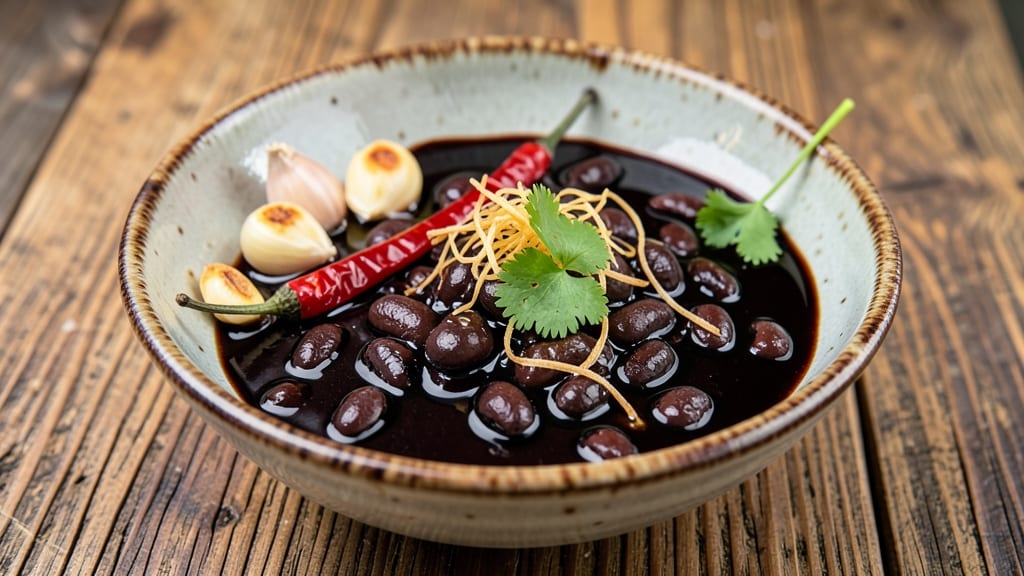
This authentic black bean sauce transforms simple ingredients into a smoky, umami-rich condiment that elevates every dish it touches. The secret lies in fermented black beans—naturally tangy and complex—blended with garlic, chili, and a touch of vinegar for balance.
I developed this recipe after years of refining Chinese stir-fry techniques, ensuring depth without overpowering flavors.
The process is straightforward but requires patience: fermenting the beans for 3–5 days unlocks their full potential, while toasting spices and garlic in oil builds aromatic layers. No specialized equipment is needed—just a blender and a little time.
The result? A sauce that clings to noodles, glazes meats, and adds richness to soups with just a spoonful.
What makes this sauce truly special is its versatility—use it as a dipping sauce, stir-fry glaze, or marinade. The fermented beans provide a smoky depth that cuts through heat, while the earthy chunkiness adds texture.
Store it in the fridge for up to 2 weeks, or freeze for longer shelf life.
Perfect for home cooks who crave restaurant-quality flavors without shortcuts, this sauce delivers authentic taste with minimal effort. Let’s get started—your taste buds will thank you.
Ingredients for authentic black bean sauce
Fermented beans and aromatic spices create this restaurant-quality sauce with minimal effort.
| Ingredient | Amount | Notes |
|---|---|---|
| Fermented Black Beans 🫘 | 1 cup | Fermented for 3-5 days, rinsed |
| Garlic Cloves 🧄 | 6 cloves | Toasted in oil until golden |
| Dried Red Chili Peppers 🌶️ | 2 whole | Ancho or guajillo preferred |
| Black Vinegar 💧 | ¼ cup | Or substitute with balsamic |
| Soy Sauce 🍶 | ¼ cup | Tamari for gluten-free option |
| Sesame Oil 🫒 | 1 tbsp | Toasted for aroma |
| Ginger Root 🌿 | 1 inch | Fresh, peeled and sliced |
| Brown Sugar 🍯 | 2 tbsp | Light or dark preferred |
| Vegetable Oil 🫒 | ¼ cup | For toasting spices |
| Sea Salt 🧂 | 1 tsp | Diamond Crystal preferred |
The fermented black beans are non-negotiable—they provide that authentic smoky depth that separates this from regular bean sauces. Asian markets carry them pre-fermented, but if you're starting fresh, soak dried black beans for 24 hours, then ferment in saltwater for 3-5 days. The dried chilies should be plump and vibrant—Ancho or Guajillo from Penzeys are my go-to. Toast them whole with the garlic in oil until fragrant, then remove stems before blending. Skip the pre-ground spices; whole spices toast better and add complexity. For the ginger, fresh is essential—dried loses its punch.
No fermented beans? Double the black soybeans and simmer with vinegar for 10 minutes to mimic the tang. Running short on black vinegar? Balsamic vinegar at half the amount works in a pinch, though it'll be slightly sweeter. The sesame oil is what carries the aroma, so don't skimp—toast it in the dry spices first before adding to the blender. For heat control, remove chili stems before toasting, then adjust the amount based on preference. The sauce thickens as it sits, so if it's too thin after blending, simmer uncovered for 5-10 minutes to reduce. Store in a clean jar, and it'll keep for up to 2 weeks in the fridge.
This sauce is a flavor multiplier—start with small amounts when testing. The fermented beans develop more complexity over time, so the sauce actually improves after 2-3 days in the fridge. Freeze in ice cube trays for single-use portions—perfect for stir-fries or glazes. For extra richness, stir in 1 tbsp tahini before serving. The texture should be chunky but smoothable; if it's too thick, thin with 1 tsp water. Always taste before using—balance is key between the smoky beans, sweet brown sugar, and tangy vinegar.
Why You'll Love This Recipe
- Pantry Magic: I swear by this sauce because it’s made from ingredients I already have—no last-minute grocery runs. The fermented black beans add that deep, funky umami without a single fresh ingredient, and the dried chilies? Just soak and crush. That’s it.
- Umami Bomb: Between us, the combo of fermented black beans and black vinegar is next-level. The garlic and soy sauce sing together like a perfect harmony—savory, tangy, and just a little spicy. It’s the kind of flavor that makes you pause mid-bite and go, “Wait, why haven’t I done this sooner?”
- Sauce for Everything: This isn’t just a dipping sauce or stir-fry add-on—it’s my go-to for noodles, dumplings, even grilled meats. I keep a jar in the fridge because it turns ordinary meals into something special. (Yes, even on a Tuesday night.)
- Budget-Friendly Staple: A single jar of fermented black beans lasts me weeks, and the rest of the ingredients cost pennies. The sauce keeps for months, so I make big batches and freeze portions. It’s my secret for fancy flavors without fancy prices—especially when I’m feeding a crowd.
Step-by-step instructions for authentic black bean sauce
Here's how to build this sauce layer by layer—smoky, complex, and packed with texture.
Toast the Aromatics for Deep Flavor
Heat the 0.25 cup vegetable oil in a heavy-bottomed pot over medium heat. Add the 6 cloves garlic cloves and 2 whole dried red chili peppers (seeds removed if you prefer less heat). Toast for 3-4 minutes until the garlic turns golden and fragrant—you'll see it release its oils and smell intensely sweet. This step is non-negotiable; it forms the flavor base that carries through the entire sauce.
Remove the garlic and chili peppers with a slotted spoon and set aside. In the same pot, add the 1 inch ginger root (peeled and sliced) and toast for 1 minute until it releases its essential oils and smells citrusy. Here's the thing—ginger needs to sizzle just enough to wake up its flavor without burning. If it starts to darken, reduce the heat immediately. The goal is aromatic, not charred.
Build the Sauce Foundation
Return the toasted garlic and chili peppers to the pot. Add the 1 cup fermented black beans (rinsed), 0.25 cup black vinegar, 0.25 cup soy sauce, and 2 tbsp brown sugar. Stir to combine, then increase heat to medium-high. Let the mixture bubble vigorously for 5 minutes, stirring occasionally, until the beans begin to break down and release their starchy liquid. This creates the sauce's natural thickening agent.
Watch closely as the sauce reduces—you want it to darken slightly and develop a glossy sheen. The vinegar will initially make the mixture smell sharp, but as it cooks down, those bright acid notes mellow into a complex umami backbone. If the sauce starts to stick, add 1-2 tablespoons of water to keep it moving. The beans should soften but still hold some texture—overcooking turns them mushy.
Finish with Oil and Salt for Balance
Reduce heat to medium-low and stir in the 1 tbsp sesame oil. Let it simmer for 2-3 minutes until the oil is fully incorporated and the sauce smells rich with toasted nutty notes. Here's where the magic happens: the sesame oil adds a silky mouthfeel while its toasted aroma rounds out the sauce's complexity. Taste and adjust seasoning with the 1 tsp sea salt, adding more if needed—this sauce should be salty enough to stand up to bold flavors.
For the final touch, use an immersion blender to partially purée the sauce until it reaches your desired texture—some chunkiness for rustic appeal or smooth for a refined finish. If you prefer a smoother sauce, strain it through a fine-mesh sieve after blending. The result should be velvety with pockets of bean texture, balancing depth and body. Let it cool slightly before serving—this allows the flavors to meld further.
Pro Tips For Making Authentic Black Bean Sauce
- Rinse the Fermented Beans: Fermented black beans are salty and funky—don’t skip the rinse. Give them a quick 30-second cold water soak (no need to soak longer) to mellow the acidity, but drain well afterward. I learned this the hard way when my first batch tasted like a pickle factory exploded.
- Toast Chili Peppers Dry: Toss those dried red chilies in a hot dry pan for 20-30 seconds until fragrant, not charred. This unlocks their depth without turning the sauce bitter. Sounds weird, but it works—your sauce will taste brighter and less one-note.
- Low and Slow for Depth: Simmer the sauce on medium-low heat for at least 15 minutes after adding vinegar and soy sauce. Rushing it leaves the flavors flat. I used to crank the heat and wondered why my sauce tasted like vinegar punch—patience pays off here.
- Balance Vinegar with Soy: Start with half the black vinegar called for, taste, then add the rest. Soy sauce balances the tang, but too much vinegar upfront makes the sauce taste harsh. Adjust in ½-teaspoon increments—your future self will thank you.
Make-ahead tips for this authentic black bean sauce
Ferment First
If you're starting with dried black beans, ferment them for 3-5 days in saltwater (1 tsp salt per cup of water) to develop that signature tang. I use a quart-sized mason jar with a fermentation weight to keep beans submerged.
The longer they ferment, the deeper the flavor—just don't exceed 7 days or they'll get too sour. For convenience, Asian markets sell pre-fermented black beans like Douchi—these skip the waiting game entirely. 🫘
Batch Prep Strategy
Double the recipe and freeze half in ice cube trays for single-use portions. Once frozen, transfer cubes to a ziplock bag and flatten to save space. Thaw overnight in the fridge before using—this method preserves texture perfectly.
I label each cube with the date and sauce purpose (e.g., "stir-fry" or "dip") to streamline meal prep. The sauce keeps its vibrant color and flavor for 3 months frozen this way. ❄️
Fridge Storage Secrets
Store your sauce in a clean, airtight glass jar with a parchment paper barrier between the sauce and lid to prevent mold. The sauce actually improves in flavor over 2-3 days as the spices meld, so make it a day ahead if possible.
I keep a small jar on hand in my fridge for quick stir-fry glazes—just a 1 tbsp dollop transforms a simple dish. For longer storage, transfer to the freezer where it lasts up to 6 months without quality loss. 💡
Reviving Stale Sauce
If your sauce has thickened too much after sitting, thin it with 1 tsp water or 1 tsp rice vinegar while reheating. For extra richness, stir in ½ tsp toasted sesame oil before using.
I've found that reheating on low heat for 2-3 minutes restores the sauce's silky texture without breaking down the flavors. Never microwave—it makes the sauce watery and dulls the aromatic oils. 🔥
Freezer-Friendly Tips
For bulk prep, divide the sauce into 4-ounce portions in silicone molds or small jars. When frozen solid, pop out the cubes and store in a ziplock bag with the date written on masking tape.
This portion control makes it perfect for weeknight stir-fries or last-minute glazes. The sauce thaws in 15 minutes in the microwave on defrost setting, ready to use immediately. 📅
Sauce Versatility
Use this versatile sauce in 3 ways: as a stir-fry glaze (add 1 tbsp to hot oil), a dipping sauce (mix with 1 tsp chili crisp for heat), or a marinade (combine with 1 tbsp soy sauce and 1 tsp cornstarch for meats).
I keep a small jar in my pantry for emergency flavor boosts—just a spoonful elevates everything from noodles to roasted veggies. The key is balance: start with 1 tsp and adjust to taste. ✨
Nutrition facts
Frequently asked questions
Can I substitute regular black beans for fermented ones?
Regular black beans won't provide the same smoky depth and tangy complexity. For a quick alternative, simmer 1 cup dried black beans with 0.25 cup vinegar for 10 minutes to mimic fermentation. However, pre-fermented beans (like Douchi) from Asian markets are ideal—they deliver that authentic umami punch without extra effort.
How do I adjust the heat level in this sauce?
Remove chili stems before toasting to reduce heat, or use 1 dried chili pepper instead of 2. For extra spice, add ½ tsp chili flakes or a dash of Sichuan peppercorn powder at the end. Always taste before blending—you can't remove heat later, but you can balance it with more brown sugar or vinegar.
What's the best way to use this sauce in stir-fries?
Start with 1 tablespoon of sauce per 1 cup stir-fry ingredients. Heat it in a wok with 1 teaspoon oil until simmering, then toss in your veggies and protein. The sauce should coat everything evenly—add more as needed. For extra shine, finish with ½ teaspoon sesame seeds and a splash of water.
Why does my sauce smell sharp after blending?
The vinegar and fermented beans create a bright acidity that mellows as the sauce sits. Let it rest for 30 minutes before tasting—flavors meld during this time. If it's still too sharp, add ½ teaspoon brown sugar or a pinch of salt to balance. The smell will soften into complex umami once fully cooled.
Can I make this sauce nut-free?
Yes! Simply omit the sesame oil and replace it with 1 teaspoon neutral oil (like avocado or vegetable) for finishing. The sauce will still be rich and flavorful—just slightly less aromatic. For extra depth, add ½ teaspoon toasted sunflower seed oil instead. Always check labels on soy sauce for cross-contamination warnings if nut allergies are severe.