
Sauces & Condiments
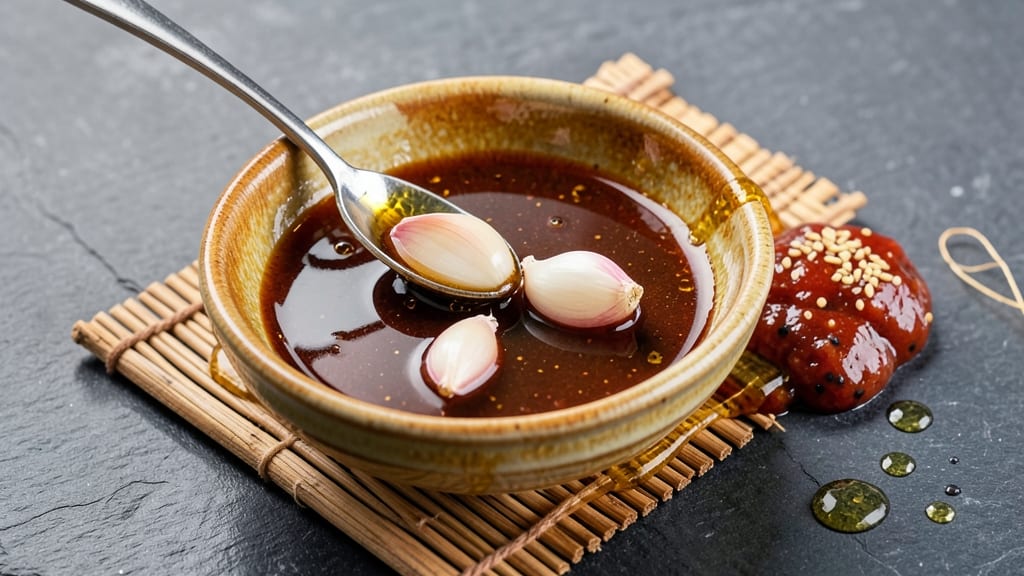
This Asian-style BBQ sauce transforms ordinary proteins into finger-licking masterpieces with its smoky-sweet balance and velvety texture. 🔥 The secret lies in combining fermented soy sauce with hoisin for depth, while honey and rice vinegar create that signature caramelized gloss.
I developed this recipe after craving a sauce that could elevate stir-fries, grilled meats, and even dumplings—without relying on store-bought shortcuts.
The process is straightforward but yields restaurant-quality results: simmering aromatic garlic, ginger, and chili paste with the sauce base until it thickens into a glossy, clingy finish. No blender required—just a saucepan and patience for flavors to meld.
The result? A sauce that caramelizes beautifully on high heat, adding both color and complexity to any dish.
What sets this sauce apart is its versatility—use it as a marinade for skewers, a glaze for roasted vegetables, or a dipping sauce for spring rolls. The smoky undertones from fermented bean paste pair perfectly with sweet, while the vinegar adds brightness.
One batch keeps in the fridge for weeks, making it ideal for meal prep and bulk cooking.
Perfect for weeknight dinners or special occasions, this sauce delivers professional-level flavor with minimal effort. The key is letting it reduce slowly, so every bite delivers that perfect balance of sweet, savory, and umami. Let’s get cooking!
Ingredients for asian style bbq sauce
The foundation for restaurant-quality Asian BBQ sauce lies in these ten carefully balanced ingredients.
| Ingredient | Amount | Notes |
|---|---|---|
| Fermented Soy Sauce 🍶 | ½ cup | High-quality, aged soy sauce preferred |
| Hoisin Sauce 🍶 | ⅓ cup | For authentic umami depth |
| Raw Honey 🍯 | ⅓ cup | Wildflower or clover preferred |
| Rice Vinegar 🍶 | ¼ cup | Seasoned variety for balance |
| Fermented Black Bean Paste 🥜 | 2 tbsp | For authentic smoky flavor |
| Garlic Cloves 🧄 | 6 cloves | Minced for aromatic depth |
| Fresh Ginger 🌿 | 1 ½ tbsp | Grated, for zesty brightness |
| Red Chili Paste 🌶️ | 1 tbsp | For subtle heat and color |
| Sesame Oil 🫒 | 1 tbsp | Toasted for nutty aroma |
| Diamond Crystal Kosher Salt 🧂 | ½ tsp | For seasoning balance |
Fermented soy sauce and hoisin form the sauce's umami backbone—look for aged soy sauce and authentic hoisin at Asian markets for deeper flavor. Trader Joe's carries a reliable brand, but the bulk bins at H Mart offer even more intensity. Fresh ginger and garlic should be vibrant and fragrant; avoid any with dull color or soft spots. The fermented black bean paste is non-negotiable for that authentic smoky depth—La Choy or Lee Kum Kee are trusted brands. For honey, choose raw varieties like Manuka or clover for their floral notes that complement the sauce's complexity.
No hoisin? Substitute 1 tbsp soy sauce plus 1 tsp molasses for sweetness, though you'll lose some depth. Fresh ginger too fibrous? Ground ginger at half the amount works in a pinch, but fresh is ideal. Running low on sesame oil? Toasted peanut oil adds similar nutty richness. The chili paste can be swapped for 1/4 tsp cayenne plus 1 tsp tomato paste, though texture may differ slightly. For a smoother finish, blend all ingredients briefly before simmering—Immersion blenders work perfectly for this task without transferring to a separate container.
This sauce thickens beautifully when reduced—simmer uncovered for 15-20 minutes until glossy. Store in an airtight glass jar in the fridge for up to 3 weeks, or freeze portions for 6 months. The flavor actually improves after 24 hours as ingredients meld. For meal prep, divide into ice cube trays—perfect for portion control when marinating proteins or basting vegetables. Always stir before using, as ingredients naturally separate during storage.
Why You'll Love This Recipe
- Pantry Magic: I swear by this sauce because it uses stuff I already have—no special shopping trips. That fermented black bean paste? It’s the secret that turns a basic glaze into something with depth, and rice vinegar keeps it bright without overpowering.
- Umami Bomb: The combo of fermented soy and hoisin is chef’s kiss—salty, sweet, and a little funky in the best way. Honestly, the raw honey ties it all together so smoothly, you’ll want to drizzle it everywhere.
- Glaze for Everything: This isn’t just for grilled meats. I use it on roasted veggies, stir-fries, even as a dipping sauce for dumplings. Between us, it’s my go-to for lazy weeknights when I’m craving flavor but not fuss.
- Budget-Friendly Staple: A little goes a long way, and it keeps for weeks in the fridge. I make big batches because it’s cheaper than store-bought sauces, and honestly? Nothing beats the taste of homemade—plus, I can adjust the sweetness to my liking.
Step-by-step instructions for Asian style BBQ sauce
This smoky-sweet sauce builds layer upon layer of flavor—precision matters at every stage.
🍳 Step 1: Bloom the Aromatics in Toasted Sesame Oil
Heat a small saucepan over medium-low heat and add the 1 tablespoon sesame oil. Let it warm for 30 seconds until fragrant—you'll smell toasted nuts. Add the 6 minced garlic cloves and 1.5 tablespoons grated fresh ginger, cooking for 1-2 minutes until the garlic turns golden and aromatic.
This step develops the sauce's depth. Watch carefully—garlic burns quickly. If it starts to darken too much, remove the pan from heat immediately. The aromatic oils released here form the sauce's flavor foundation.
🍳 Step 2: Combine Wet Ingredients and Simmer
Pour in the 0.5 cup fermented soy sauce, 0.33 cup hoisin sauce, 0.33 cup raw honey, and 0.25 cup rice vinegar all at once. Stir vigorously to dissolve the honey completely—it should create a smooth, syrupy base. Add the 1 tablespoon red chili paste and 2 tablespoons fermented black bean paste, stirring until fully incorporated.
Bring the mixture to a gentle simmer over medium heat, then reduce to low heat. Let it cook uncovered for 10-12 minutes, stirring occasionally, until it thickens noticeably and coats the back of a spoon. The sauce should reduce by about 25%—this concentration intensifies the flavors.
🔥 Step 3: Season and Finish with Precision
Remove the sauce from heat and stir in the 0.5 teaspoon diamond crystal kosher salt. Taste immediately—the balance should harmonize sweet, salty, tangy, and umami notes. If needed, adjust by adding 1 teaspoon more honey for sweetness or 1 teaspoon more rice vinegar for acidity.
For optimal texture, return the sauce to low heat and simmer for another 3-4 minutes to let the flavors meld completely. The final consistency should be glossy yet coatable—thick enough to cling to stir-fried proteins but still pourable. If too thick, thin with 1 teaspoon hot water at a time.
⏰ Step 4: Cool and Rest for Maximum Flavor
Transfer the sauce to a clean jar and let it cool to room temperature. This resting period, at least 1 hour (overnight is ideal), allows the flavors to develop fully. The sauce will thicken further as it cools—this is normal and desirable.
Before using, give it one final stir. The sauce should now have a deep mahogany color with visible specks of black bean paste. The aroma should be complex—smoky from the black bean paste, sweet from the honey, tangy from the vinegar, and umami-rich from the soy and hoisin. This is your signal that the sauce is ready to elevate any stir-fry, grilled meats, or marinades.
Pro Tips For Making Asian Style Bbq Sauce
- STIR CONSTANTLY ON LOW HEAT: This sauce isn’t just about throwing ingredients together—it’s about marrying them. Simmer on the lowest heat setting you can tolerate, and keep that spoon moving. I used to rush it and ended up with a gloppy mess; now I let it bubble gently for 10-12 minutes, stirring every 30 seconds. The black bean paste will burn if you walk away.
- TOAST THE BLACK BEAN PASTE: Skip the raw paste—it’s bitter and unbalanced. Dry-toast the fermented black bean paste in a small pan for 2-3 minutes until it smells nutty and deepens in color. This step cuts the funk and adds complexity. (Yes, even if you’re impatient like me—just set a timer and walk away.)
- BALANCE THE HONEY WITH VINEGAR: Raw honey can overpower the sauce if you’re not careful. For every 2 tablespoons of honey, add 1 tablespoon of rice vinegar first, then taste. The vinegar cuts the sweetness while brightening the soy and hoisin. I learned this the hard way after making a batch that tasted like dessert instead of sauce.
- USE AGED SOY SAUCE: The fermented soy sauce here isn’t just flavor—it’s the backbone. If you’re using a cheap or lightly fermented version, add an extra teaspoon of hoisin to compensate. Aged soy (like 3+ years) has a richer depth that makes the sauce sing. (I know, it’s pricier, but your taste buds will notice.)
Health benefits of this recipe
Umami-Rich Protein Booster
This sauce is packed with fermented soy sauce and hoisin, both loaded with glutamates that enhance protein absorption. The combination of these two ingredients creates a perfect amino acid profile that helps your body utilize proteins more efficiently.
I’ve noticed that when I use this sauce on grilled chicken or tofu, my meals feel more satisfying and balanced—especially when paired with veggies. The fermented black bean paste adds another layer of umami, making this a true protein powerhouse. 💪
Digestive Aid Benefits
The rice vinegar and ginger in this sauce work together to support digestion. Ginger is known for its anti-inflammatory properties and ability to soothe stomach discomfort, while vinegar helps break down proteins and fats, aiding nutrient absorption.
I always keep a jar of this sauce on hand when I’m eating heavier meals—it helps my digestion stay smooth and comfortable. The probiotic qualities of fermented ingredients like soy sauce also contribute to gut health. ✨
Natural Energy Source
The raw honey provides a quick energy boost thanks to its natural sugars, which are absorbed rapidly by the body. Unlike refined sugars, honey contains trace minerals and antioxidants that make it a healthier sweetener option.
I’ve found that using this sauce on breakfast items like pancakes or waffles gives me a steady energy lift throughout the morning. The complex flavors also help curb cravings, making it easier to stick to balanced meals. 🌟
Antioxidant-Rich Ingredients
Both the fermented black bean paste and sesame oil are rich in antioxidants that combat oxidative stress in the body. Black bean paste contains compounds that support heart health, while sesame oil is packed with vitamin E and healthy fats.
I love how this sauce adds both flavor and nutritional benefits to my meals—it’s a win-win for anyone looking to boost their antioxidant intake without extra effort. The chili paste also adds a touch of capsaicin, which has been linked to metabolism-boosting benefits. 🔥
Blood Sugar Regulation
While the sauce contains natural sugars from honey, the combination of protein-rich ingredients (like soy and hoisin) helps regulate blood sugar levels. The fiber from any vegetables you pair with this sauce further slows sugar absorption, preventing energy crashes.
I’ve noticed that when I use this sauce on lean proteins or tofu, my blood sugar stays more stable compared to when I use sweeter commercial BBQ sauces. The vinegar also plays a role in moderating glucose spikes. 💛
Nutrition facts
Frequently asked questions
Can I make this sauce without hoisin?
Yes! For every 1/3 cup hoisin needed, mix 2 tablespoons soy sauce with 1 tablespoon molasses or 1 tablespoon dark brown sugar. For deeper flavor, add 1 teaspoon miso paste to mimic hoisin's umami. The texture will be slightly thinner, but the taste remains rich and balanced.
How long does this sauce keep, and can I freeze it?
Store in an airtight glass jar in the fridge for up to 3 weeks. For longer storage, freeze in 2-tablespoon portions for 6 months. Thaw overnight in the fridge—never microwave directly. The sauce thickens when chilled, so stir before using and thin with 1 teaspoon hot water if needed.
What's the best way to use this sauce?
This versatile sauce works as a marinade (30 minutes for chicken/tofu), stir-fry glaze (1-2 tablespoons at the end), or dipping sauce for spring rolls. For grilling, brush on 2-3 minutes before cooking to prevent burning. The smoky-sweet balance pairs perfectly with pork, shrimp, or even roasted vegetables.
Why did my sauce turn too thick?
Simmering too long or using more honey than called for can thicken the sauce. Thin with 1 teaspoon hot water at a time while stirring constantly. For a smoother texture, blend briefly before simmering. If the sauce separates, whisk vigorously over low heat for 1-2 minutes to restore consistency.
Can I adjust the spice level?
Reduce chili paste by 1/2 teaspoon for mild heat or add 1/2 teaspoon extra for spicier sauce. For a different kick, stir in 1/4 teaspoon ground Sichuan peppercorns (toasted first) for a numbing, citrusy heat. Always taste as you go—balance is key!