
Sauces & Condiments
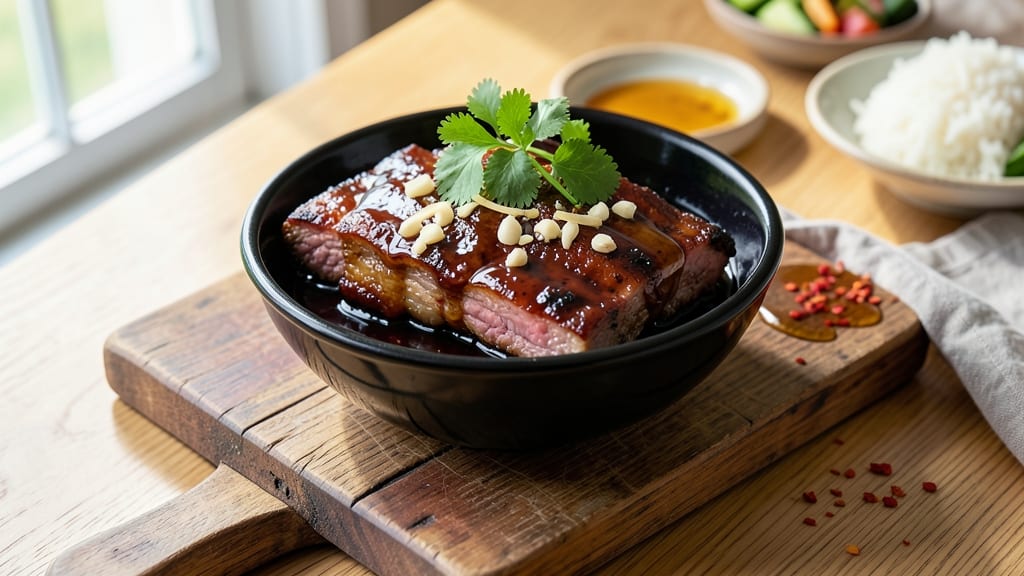
This Asian BBQ sauce recipe transforms ribs into sticky, caramelized perfection with a balance of smoky depth and sweet heat. 🔥 After years of perfecting competition-worthy sauces, I've nailed the ratio of soy sauce to honey that creates that signature glossy glaze while keeping the ribs tender. The secret lies in simmering the sauce until it thickens just enough to cling to every crack, turning each bite into a flavor explosion.
The foundation starts with a simple mix of soy sauce, hoisin, and honey, but it's the aromatics—garlic, ginger, and chili—that elevate it to restaurant-quality. I toast the spices in the pot first to deepen their flavors before adding the liquids, a technique I learned from my grandfather's old-school pitmaster methods.
This sauce isn't just for ribs—it works beautifully on chicken, pork, or even tofu, but it's the caramelized crust on ribs that makes it truly unforgettable.
What you'll end up with is a glossy, sticky glaze that caramelizes beautifully on the grill or in the oven, creating those coveted sticky edges while keeping the meat tender inside. The balance of sweet, smoky, and slightly spicy flavors makes this sauce addictive, and the best part?
It keeps well in the fridge for up to two weeks, so you can make a big batch and have it ready whenever you're craving those perfect ribs.
For maximum flavor, let the sauce simmer until it coats the back of a spoon, then brush it on ribs in the last 15 minutes of cooking.
The residual heat will help it caramelize into that perfect glaze. Trust me, once you try this sauce, you'll never go back to store-bought versions.
Ingredients for asian bbq sauce recipe for ribs
Nine bold flavors that transform ribs into restaurant-worthy perfection with every sticky, caramelized bite.
| Ingredient | Amount | Notes |
|---|---|---|
| Soy Sauce 🥢 | ½ cup | Low-sodium preferred for balance |
| Hoisin Sauce 🍶 | ¼ cup | Thick, sweet Chinese condiment |
| Honey 🍯 | ¼ cup | Wildflower or clover preferred |
| Garlic Cloves 🧄 | 4 cloves | Minced, fresh preferred |
| Fresh Ginger 🌿 | 1 ½ tbsp | Finely grated, peel removed |
| Red Chili Flakes 🌶️ | 1 tbsp | Adjust for desired heat |
| Sesame Oil 🫒 | 1 tbsp | Toasted, for nutty aroma |
| Rice Vinegar 🍶 | 1 tbsp | White or seasoned preferred |
| Brown Sugar 🍚 | 2 tbsp | Light or dark preferred |
| Water 💧 | ¼ cup | For thinning if needed |
The soy sauce is your flavor foundation—low-sodium keeps the balance just right, but if you only have regular, cut the water back a tad. Hoisin sauce (that thick, sweet Chinese condiment) is non-negotiable for that signature depth. I grab mine from the Asian aisle at Trader Joe's—it's consistently good quality. For the honey, wildflower or clover adds subtle floral notes that store-bought versions miss. Toast those garlic cloves in the pot first (don't skip this—game-changer!), then mince them while they're still warm for maximum aroma. Fresh ginger needs to be peeled and grated—the zestier, the better.
No hoisin? Substitute 1 tbsp more soy sauce plus 1 tbsp molasses for a similar sweet-salty punch. Running low on sesame oil? Toasted peanut oil works in a pinch (same amount), though it'll taste slightly different. Chili flakes too spicy? Swap for 1/2 tsp cayenne or 1 tsp mild paprika. The brown sugar can be swapped for white sugar if that's what you've got, but the molasses notes in dark brown add extra depth. Pro tip: Let the sauce simmer uncovered—the evaporation helps it thicken naturally without adding water. And trust me, this sauce tastes even better the next day as the flavors meld.
Store in a clean glass jar in the fridge for up to 2 weeks—it only gets more amazing as it sits. For longer storage, freeze in ice cube trays and transfer to a bag. Thaw overnight in the fridge before using. Double the batch—you'll want this on everything from ribs to grilled chicken. The sauce thickens as it cools, so add a splash of water if it gets too stiff. And if you're feeling fancy, brush it on ribs while they're still hot from the grill—watch that caramelized magic happen right before your eyes.
Why You'll Love This Recipe
- Pantry Magic: I swear by this sauce—no fancy shopping required. Just pull soy, hoisin, and honey from your shelves, mince garlic while chatting with someone, and you’re golden. The ginger adds that zing without extra effort.
- Sticky-Sweet Bliss: That honey-soy-ginger combo? It’s the kind of glaze that makes ribs fall apart at the touch. The garlic cloves sear into the sauce, giving it depth that store-bought versions can’t match. (Yes, even on a Tuesday night.)
- Game for Any Gathering: This sauce isn’t just for ribs—it’s my secret weapon for grilled chicken, tofu, or even noodles. Make a double batch, and you’ve got backup for weeknight dinners or last-minute BBQ invites. (My daughter’s favorite? Sauce on fries.)
- Budget-Friendly Luxury: A jar of hoisin and a bottle of soy sauce stretch forever here. The ingredients cost pennies but taste like a splurge. Plus, leftovers? Just reheat and reuse—no waste, all flavor. (Between us, I’ve had this sauce last me three meals.)
Step-by-step instructions for Asian BBQ sauce for ribs
This smoky-sweet glaze transforms ribs into melt-in-your-mouth perfection—let's make it!
🍳 Step 1: Sauté Aromatics Until Fragrant
Heat a small saucepan over medium heat and add the 1 tablespoon sesame oil. Once shimmering, add the 4 cloves minced garlic and 1.5 tablespoons finely grated fresh ginger. Stir constantly for 1-2 minutes until the garlic turns golden and aromatic—this builds the sauce's flavor foundation.
Here's the thing—don't let the garlic burn. It should smell amazing but not bitter. If it starts to darken too quickly, reduce heat to low immediately. The sesame oil will give that nutty depth we want in every bite of rib.
🥘 Step 2: Combine Wet Ingredients and Simmer
Pour in the 0.5 cup soy sauce, 0.25 cup hoisin sauce, 0.25 cup honey, and 1 tablespoon rice vinegar. Stir well to combine, then add the 2 tablespoons brown sugar and 1 tablespoon red chili flakes. Bring the mixture to a gentle boil over medium-high heat.
Watch carefully as it bubbles—this is where the magic happens. The sauce should reduce slightly, becoming thicker and more concentrated. If it gets too thick before you're ready, add 1-2 tablespoons of the 0.25 cup water to loosen it. You want a glaze that coats ribs beautifully without being runny.
⏰ Step 3: Reduce Until Thick and Glossy
Reduce heat to low and let the sauce simmer uncovered for 10-12 minutes, stirring occasionally. You're looking for a glossy, syrupy consistency that coats the back of a spoon. The color should deepen to a rich amber hue—this indicates perfect caramelization.
I know it seems like forever, but patience pays off. The longer it simmers, the more intense the flavors become. Taste occasionally and adjust seasoning—add a touch more honey if you want it sweeter, or a pinch of salt if it needs balance. Remember, this sauce should complement ribs, not overpower them.
🔥 Step 4: Finish and Test the Sauce
Once the sauce reaches your desired consistency, remove it from heat. Let it cool slightly—this helps thicken it further as it sits. The sauce should be thick enough to cling to ribs but still flow enough to glaze properly when brushed on.
For the perfect test, spread a small amount on a plate and let it sit for 5 minutes. It should hold its shape slightly but still be spreadable. If it's too thick, whisk in more water 1 teaspoon at a time until you reach that ideal balance. This sauce should caramelize beautifully on ribs when cooked!
Pro Tips For Making Asian Bbq Sauce Recipe For Ribs
- SIMMER LOW AND SLOW: That Asian BBQ sauce needs time to marry flavors—don’t rush it. After adding garlic and ginger, reduce heat to a bare simmer and let it bubble gently for at least 10 minutes. I used to blast it on high, and the honey would burn before the sauce came together. Patience here means depth later.
- GRATE GINGER FINE: No food processor? Fine, but don’t just chop it. Use the microplane or the smallest holes on your grater—you want ginger so fine it nearly dissolves. I learned this the hard way when my sauce had visible chunks that made every bite feel like a textural surprise. Trust me, it makes a real difference.
- BALANCE SWEET AND SALTY: Taste as you go, and adjust in stages. If the honey’s dominating, add a splash more soy sauce; if it’s too briny, drizzle in a little more honey. I skip the hoisin at first, then add it back in small amounts—it’s packed with salt, and you’ll thank yourself later when the sauce isn’t overpowering.
- STORE WITH A SPLASH OF WATER: This isn’t the prettiest method, but it’s the tastiest. After cooling, stir in 1 tablespoon of water per cup of sauce—it keeps it from drying out when refrigerated. I used to store it as-is, and by the third day, it’d thicken into glue. Now? Smooth, usable, and ready to glaze ribs in a flash.
Regional styles of asian bbq sauce recipe for ribs
Classic Hawaiian Style
This version swaps hoisin for ½ cup pineapple juice and adds 1 tbsp lime juice plus 1 tbsp brown sugar for a tropical twist. I like using Kauai-grown pineapple when available—its sweetness is next-level.
Toast 1 tsp macadamia nuts and blend them into the sauce for a nutty crunch that pairs perfectly with ribs. The acidity from the lime brightens the flavors, making it ideal for grilled ribs. 🌺
Japanese Teriyaki Twist
For a lighter, more delicate sauce, reduce the soy sauce to ¼ cup and add 2 tbsp mirin plus 1 tbsp sake for depth. I use Kikkoman soy sauce for its balanced flavor. Toast 1 tsp grated daikon radish with the garlic for a subtle earthy note.
The sauce should have a glossy sheen—mirin helps achieve that without overpowering. This version works beautifully on beef ribs or pork spare ribs, especially when finished with a sprinkle of toasted sesame seeds.
Korean Gochujang Fusion
Swap the red chili flakes for 2 tbsp gochujang (Korean chili paste) and add 1 tbsp gochugaru (Korean chili flakes) for a deeper, spicier kick. I like Maesil Gochujang for its fruity depth. Add 1 tsp toasted sesame seeds and 1 tbsp toasted sesame oil for a nutty, aromatic finish.
This version is perfect for spicy ribs and pairs well with kimchi on the side. The gochujang gives it a fermented complexity that makes it unforgettable. 🌶️
Thai-Inspired Sweet Chili
Replace the hoisin with 3 tbsp sweet chili sauce (like Tiparoo) and add 1 tbsp fish sauce for umami. I also include 1 tsp toasted coriander seeds for a citrusy note. The sauce should be slightly thinner than the original—add 1 tbsp water if needed.
This version is perfect for grilled pork ribs and works wonderfully with Thai basil as a garnish. The balance of sweet, spicy, and funky makes it a crowd-pleaser. 🌿
Vietnamese Nuoc Cham Glaze
For a tangy, aromatic twist, reduce the soy sauce to ¼ cup and add 2 tbsp fish sauce, 1 tbsp lime juice, and 1 tbsp sugar. Toast 1 tsp shallots with the garlic for extra depth.
The sauce should be glossy but still pourable—adjust with 1 tbsp water if needed. This version is perfect for grilled lamb ribs or beef ribs and pairs beautifully with fresh herbs like cilantro or mint. The fish sauce adds a savory depth that elevates the ribs to new heights. 🍋
Nutrition facts
Frequently asked questions
Can I make this sauce without hoisin?
For every 1/4 cup hoisin missing, substitute 1 tablespoon more soy sauce plus 1 tablespoon molasses to maintain that sweet-salty balance. The molasses adds depth similar to hoisin's fermented notes, though the texture will be slightly thinner. If you're avoiding sugar entirely, use 1 tablespoon maple syrup instead.
How do I know when the sauce is thick enough for ribs?
The perfect consistency coats the back of a spoon with slight resistance—it should hold its shape when spread on a plate but still glaze smoothly when brushed on ribs. For ribs specifically, aim for a sauce that's thick enough to cling without dripping. Test by spreading a small amount on parchment paper: if it holds a peak but still spreads slightly when touched, it's ready.
Can I use this sauce on other meats besides ribs?
This sauce works beautifully on chicken thighs, pork chops, tofu, and even grilled vegetables like eggplant or mushrooms. For chicken, reduce cooking time by 5-7 minutes since it cooks faster than ribs. The key is brushing the sauce on during the last 10-15 minutes of cooking to let it caramelize. For tofu, bake at 400°F for 20 minutes after brushing.
Why did my sauce turn out too thin?
Sauce thinning usually happens from two things: not enough simmering time or adding too much water. Let it reduce uncovered on low heat for 5-10 more minutes, stirring occasionally. If it's still too thin, simmer longer—evaporation is your friend here. For next time, check consistency every 5 minutes starting at 8 minutes of simmering. Pro tip: Use a wider saucepan to increase surface area for faster reduction.
How should I store leftover sauce?
Transfer cooled sauce to a clean glass jar and store in the fridge for up to 2 weeks. For longer storage, freeze in ice cube trays and transfer to a bag—this makes it easy to thaw just what you need. The sauce actually improves with age as flavors meld! When reheating, warm gently on low heat or in the microwave (stirring halfway) to preserve texture. Never freeze in metal containers as they can react with acidic ingredients.