
Sauces & Condiments
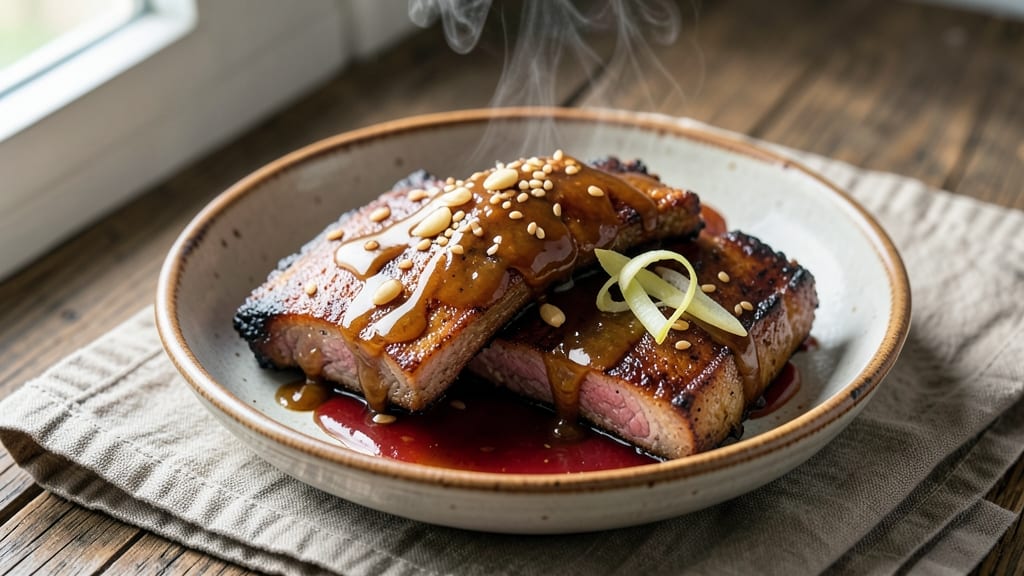
This Asian rib sauce recipe transforms ordinary barbecue into a smoky-sweet masterpiece with layers of umami that linger long after the last bite. The balance of soy sauce, hoisin, and vinegar creates a glaze that caramelizes beautifully on ribs while adding depth to dumplings or spring rolls.
I developed this sauce after years of refining my Asian-inspired cooking, ensuring every spoonful delivers that perfect harmony of flavors.
The secret lies in the slow reduction process, which intensifies the sauce's natural sweetness and tang while developing rich caramel notes. You'll start with simple pantry staples—soy sauce, hoisin, brown sugar, and vinegar—but the magic happens when you add a touch of garlic, ginger, and a splash of sesame oil.
This combination transforms basic ingredients into something extraordinary, with just the right amount of smokiness to complement grilled meats.
What you'll end up with is a glossy, aromatic sauce that clings perfectly to ribs, creating a sticky, caramelized crust with every bite. The umami depth comes from careful balancing, ensuring it's never overpowering but always memorable.
This sauce isn't just for ribs—it elevates everything from dumplings to noodles, making it a versatile addition to your cooking repertoire.
The best part? It keeps well in the refrigerator for up to two weeks, allowing you to make a big batch and use it throughout the week.
Whether you're hosting a barbecue or simply craving a flavor boost, this sauce delivers restaurant-quality results with minimal effort. Let's get started on creating something truly special.
Ingredients for asian rib sauce
Pantry staples meet Asian pantry magic for this smoky-sweet rib sauce.
| Ingredient | Amount | Notes |
|---|---|---|
| Soy Sauce 🥢 | ½ cup | Light or dark variety preferred |
| Hoisin Sauce 🍶 | ¼ cup | Thick, sweet-savory sauce |
| Brown Sugar 🍚 | ½ cup | Packed firmly for accuracy |
| Rice Vinegar 🍶 | ¼ cup | White or seasoned variety |
| Garlic Cloves 🧄 | 4 cloves | Minced finely for smooth texture |
| Fresh Ginger 🌿 | 1 tbsp | Grated finely for zing |
| Sesame Oil 🫒 | 1 tbsp | Toasted sesame oil preferred |
| Smoked Paprika 🌶️ | 1 tsp | For subtle smokiness |
| Ground Black Pepper 🌶️ | ½ tsp | Freshly cracked for heat |
| Sesame Seeds 🌾 | 1 tbsp | Toasted for garnish |
The soy sauce is your flavor foundation—Kikkoman or Lee Kum Kee are my go-tos, but any good-quality brand works. Hoisin? Trader Joe's has a solid jarred version, but if you can find authentic Chinese hoisin at an Asian market, grab it—it’s worth the trip. Brown sugar needs to be packed firmly; light or dark both work, but dark adds a deeper caramel note. For the vinegar, rice vinegar is key—subbing apple cider vinegar changes the balance. Garlic and ginger should be fresh; pre-minced jars lack punch, and frozen works in a pinch but thaw first.
No hoisin? Mix 2 tbsp soy sauce + 1 tbsp molasses + pinch of cinnamon for a quick swap. Swapping sesame oil? Avocado oil works neutrally, but you’ll miss the nutty depth. Smoked paprika out? 1/4 tsp liquid smoke adds smokiness, but use sparingly—it’s potent. The sesame seeds can be omitted if you’re not garnishing, but toast them in a dry pan for 30 seconds (trust me, it’s worth it). For extra umami, add 1 tsp fish sauce (or soy sauce for vegan), but balance with a pinch more sugar if needed.
This sauce keeps for 2 weeks in the fridge, sealed tightly in a jar. For longer storage, freeze in ice cube trays—thaw and stir before using. Double the batch; you’ll want it on everything. The flavors meld beautifully overnight, so making it ahead is a must. Store the sesame seeds separately if you plan to toast them fresh each time—3 months in a cool, dark place keeps them fresh.
Why You'll Love This Recipe
- Pantry Magic: I swear by this sauce—no fancy shopping needed. The hoisin and soy sauce are my shortcut to restaurant-quality flavor, and I keep them stocked just for this. Honestly, the brown sugar’s caramel kick turns it from good to "I need more" in seconds.
- Sweet-Savory Balance: That first bite? It’s the perfect push and pull—garlic’s sharp punch, then the vinegar cutting through while the sugar rounds it out. I’ll be real: my kids ask for seconds before I even finish pouring it.
- Weeknight Flex: Slap this on ribs, toss it with noodles, or drizzle it over stir-fried veggies. I’ve used it as a marinade, a dipping sauce, and even a glaze for roasted potatoes. Between us, it’s my secret weapon for when I’m too tired to plan.
- Leftovers That Work: Make a double batch—it keeps for weeks in the fridge. The rice vinegar keeps it fresh, and the sugar prevents it from turning bitter. I’ve brought this to potlucks, packed it for lunches, and even sent jars to friends. Zero waste, all flavor.
Step-by-step instructions for Asian rib sauce
This smoky-sweet glaze comes together in minutes with simple pantry staples.
Sauté Aromatics Until Fragrant
Heat a small saucepan over medium heat and add the 1 tablespoon sesame oil. Once the oil shimmers, add the 4 cloves minced garlic cloves and 1 tablespoon finely grated fresh ginger. Cook for 30-45 seconds until the garlic turns golden and releases its aroma—don't let it brown or it'll turn bitter.
I like to stir constantly during this step to prevent burning. The garlic should smell pungent and sweet, not sharp or acrid. This aromatic base forms the flavor foundation for the entire sauce, so take your time here. If you're using fresh garlic, this quick cooking step mellows its intensity beautifully.
Combine Wet Ingredients
Reduce heat to low and add the 0.5 cup soy sauce, 0.25 cup hoisin sauce, 0.5 cup packed brown sugar, and 0.25 cup rice vinegar to the pan. Stir well to incorporate all the ingredients, scraping up any browned bits from the bottom of the pan—they're packed with flavor.
Let the mixture simmer gently for 3-4 minutes until the sugar begins to dissolve and the sauce starts to thicken slightly. You'll notice the sauce darken as the sugars caramelize, which is exactly what we want for that rich, glossy finish. This step develops the sauce's complex balance of sweet, salty, and tangy flavors.
Add Spices and Simmer
Stir in the 1 teaspoon smoked paprika and 0.5 teaspoon ground black pepper. The smoked paprika will give the sauce its subtle smokiness, while the black pepper adds a little heat. Let the sauce simmer for another 2-3 minutes, stirring occasionally, until it thickens to a glossy consistency that coats the back of a spoon.
Here's where you'll notice the sauce transforming. It should go from a thin liquid to a thick, syrupy glaze that's perfect for ribs. If it thickens too quickly, add 1-2 tablespoons water to loosen it. The sauce should be smooth and velvety, with no graininess from undissolved sugar.
Toast Sesame Seeds for Garnish
While the sauce simmers, dry-toast the 1 tablespoon sesame seeds in a small dry skillet over medium-low heat for 1-2 minutes until they turn golden brown and release their nutty aroma. Watch them closely—they burn quickly and become bitter.
Transfer the toasted sesame seeds to a small bowl and set aside. These seeds add a wonderful crunch and visual appeal to the finished sauce. The aroma alone will make your kitchen smell amazing, and it's worth the effort. You can use them immediately or store them in an airtight container for up to 1 week.
Cool and Use
Remove the sauce from heat and let it cool for 5-10 minutes. This resting period allows the flavors to meld completely and the sauce to thicken further. Stir occasionally as it cools—you'll notice it becomes even more glossy and cohesive.
The sauce is now ready to use! It's perfect for glazing ribs during the last 15-20 minutes of cooking, basting generously every 5 minutes for maximum stickiness. The toasted sesame seeds can be sprinkled on top just before serving for that final touch of texture and aroma. This sauce keeps well in the refrigerator for up to 1 week, making it a great make-ahead option for your next BBQ.
Pro Tips For Making Asian Rib Sauce
- MINCE THAT GARLIC: I learned this the hard way—chopping garlic cloves into tiny, even pieces instead of rough chunks makes them dissolve smoothly into the sauce. No one wants to bite into a surprise garlic clove when dipping ribs.
- SIMMER LOW AND SLOW: This sauce isn’t a race. After combining everything, keep the heat at a bare simmer—just enough to see tiny bubbles—and let it thicken for at least 10 minutes. Rushing it leaves you with a watery glaze instead of a glossy, sticky sauce.
- STORE HOISIN SMART: That jar of hoisin you’ve had for a year? Toss it. Old hoisin adds a bitter, off taste that ruins the sauce’s balance. Fresh hoisin (or even a good-quality jar with a recent date) makes all the difference—your ribs will taste like they came from a dim sum cart, not a sad pantry.
- SWEETEN FIRST, THEN BALANCE: Add the brown sugar to the pan before the soy and hoisin, and let it melt into a light caramel. This deepens the flavor way more than just stirring it in at the end. Then, when you add the vinegar, taste as you go—you’ll likely need less than you think.
Wine and beer pairings for this asian rib sauce
Rice Wine Pairings
For an authentic Asian dining experience, pair this rib sauce with a crisp dry Chinese rice wine like Moutai or Shaoxing wine. These wines complement the sauce's umami depth and caramel notes beautifully.
Serve chilled—Moutai adds a subtle floral aroma, while Shaoxing wine enhances the soy and hoisin flavors. 🍶
Light Lager Balance
A refreshing Japanese lager, such as Asahi Super Dry or Sapporo, cuts through the sauce's richness without overpowering it. The clean, crisp finish cleanses your palate between bites of glazed ribs or dumplings. Opt for a cold glass to highlight the sauce's smoky-sweet profile.
Sake for Subtlety
For a more refined pairing, serve dry junmai sake (like Dassai or Hakkaisan). The sake's delicate rice notes harmonize with the sauce's sesame and garlic flavors, creating a seamless balance. Chill the sake slightly to enhance its crispness and let the sauce's complexity shine.
Craft Beer Options
If you prefer beer, a light Asian-inspired IPA (like Kona Longboard) works surprisingly well. The citrusy hops complement the sauce's tangy vinegar and sweet caramel notes. Skip heavy IPAs—they can clash with the sauce's delicate smokiness.
Non-Alcoholic Pairings
For a non-alcoholic option, try sparkling yuzu soda or japanese green tea (like Sencha**). The citrusy effervescence or tea's umami notes mirror the sauce's flavors without alcohol. Serve the tea chilled for a refreshing contrast to the warm, smoky sauce. 💚
Nutrition facts
Frequently asked questions
Can I use this sauce for other proteins besides ribs?
This sauce works beautifully on chicken thighs, pork chops, or even tofu. For chicken, brush it on during the last 10-15 minutes of baking or grilling. The sauce also elevates dumplings, spring rolls, or noodles—just toss them with 1-2 tablespoons of the sauce before serving.
How do I adjust the sweetness level?
If you prefer less sweetness, reduce the brown sugar to 0.25 cup and add 1 teaspoon extra rice vinegar for balance. For extra sweetness, increase the sugar to 0.75 cup and add 1/2 teaspoon more smoked paprika to maintain depth. Adjust in 1 tablespoon increments and taste as you go.
Can I make this sauce without hoisin?
Yes! Mix 2 tablespoons soy sauce + 1 tablespoon molasses + pinch of cinnamon for a quick substitute. The sauce will still be delicious, though it may lack some of hoisin's natural thickness. For a closer match, add 1 teaspoon honey to help bind the sauce during simmering.
How should I store leftover sauce?
Store in an airtight container in the fridge for up to 2 weeks. For longer storage, freeze in ice cube trays—thaw and stir before using. The sauce actually improves overnight as flavors meld! If it thickens too much after refrigeration, thin with 1 teaspoon water or a splash of rice vinegar.
Why did my sauce turn grainy?
Undissolved sugar causes graininess. To fix it, whisk in 1 teaspoon warm water or a splash of vinegar while heating gently. Stir constantly until smooth. For prevention, make sure your sugar is fully dissolved during the initial 3-4 minute simmer. If it happens again, strain through a fine-mesh sieve before using.