
Sauces & Condiments
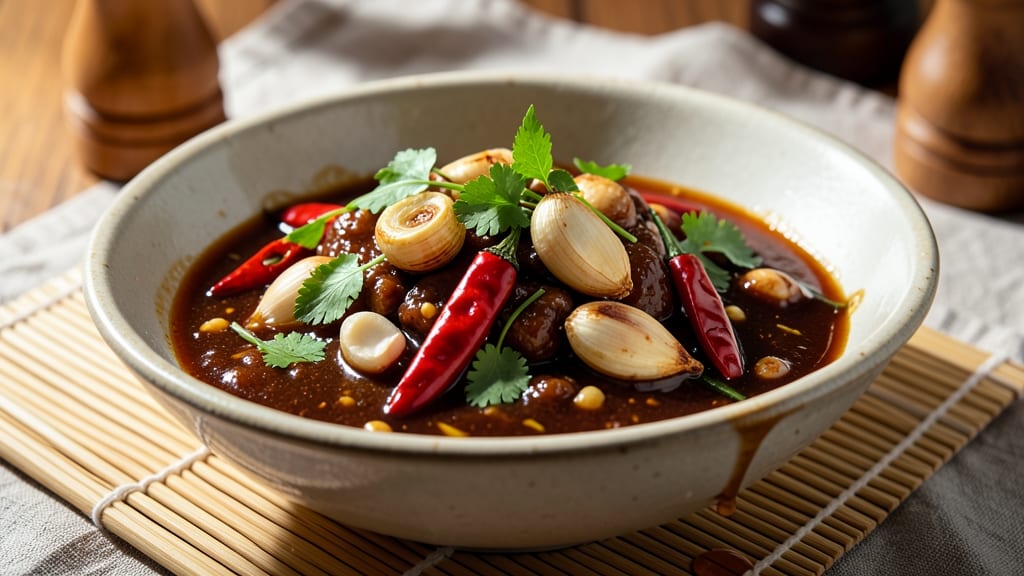
This Asian sticky sauce recipe transforms ordinary stir-fries into restaurant-worthy meals with its perfect balance of sweet, spicy, and umami flavors. The secret lies in simmering a simple blend of soy sauce, fish sauce, sugar, and vinegar until it thickens into a glossy, clingy sauce that coats every bite.
I developed this version after years of testing—it's the one that finally delivers that signature glossy finish without overpowering the dish.
What sets this sauce apart is its versatility—use it as a stir-fry glaze, dipping sauce for spring rolls, or even a marinade for meats.
The sauce's sweet-spicy profile comes from carefully balanced ingredients: dark soy sauce for depth, chili paste for heat, and a touch of honey to round out the flavors. The aromatics—garlic, ginger, and shallots—infuse the sauce with layers of complexity that elevate any dish.
By the time you're done, you'll have a small batch of sauce that's ready to transform your weeknight meals. The reduction process concentrates the flavors, creating a sauce that's rich and aromatic without being heavy.
It keeps well in the fridge for up to two weeks, making it perfect for meal prep and batch cooking.
This sauce works equally well with chicken, shrimp, or tofu, and pairs beautifully with rice or noodles. The key is adjusting the sweetness to your taste—add more honey if you prefer it sweeter, or a splash of vinegar for extra tang. Let's get started on this game-changing sauce!
Ingredients for asian sticky sauce
Nine simple ingredients transform into a restaurant-worthy sauce that clings perfectly to stir-fries.
| Ingredient | Amount | Notes |
|---|---|---|
| Dark Soy Sauce 🍶 | ½ cup | For rich umami depth |
| Fish Sauce 🐟 | ¼ cup | High-quality preferred |
| Honey 🍯 | ¼ cup | Light amber preferred |
| Rice Vinegar 🍶 | ¼ cup | White or seasoned |
| Red Chili Paste 🌶️ | 2 tbsp | Sambal oelek works well |
| Garlic Cloves 🧄 | 4 cloves | Minced for aromatic base |
| Fresh Ginger 🌿 | ½ cup | Finely grated, fresh |
| Shallots 🧅 | 2 whole | Finely minced |
| Sesame Oil 🫒 | 1 tbsp | Toasted sesame oil |
| Cornstarch 🌾 | 1 tsp | For thickening |
The dark soy sauce and fish sauce are the flavor anchors here—Red Boat or Three Crabs brands are my go-tos for fish sauce, but any high-quality one works. Honey should be light amber for balance (no dark molasses). Trader Joe's carries a great affordable option. Fresh ginger and shallots are non-negotiable for that authentic aroma—no powdered substitutes. If you can't find fresh ginger, paste works in a pinch, but it lacks the same depth. The chili paste can be adjusted: less for mild heat, more for fiery kick.
No fish sauce? Soy sauce plus a pinch of salt mimics some of the umami, though it won't be identical. Substituting honey? Maple syrup works 1:1, but the flavor will shift slightly. Running low on cornstarch? Arrowroot powder is a perfect swap. The sesame oil is what gives that signature nutty aroma—don't skip it, but add it at the very end to preserve its flavor. For extra gloss, a splash of water thinned with cornstarch works wonders if your sauce isn't thick enough.
This sauce keeps beautifully—2 weeks refrigerated in an airtight jar. The flavors actually improve over time as everything melds together. For longer storage, freeze in ice cube trays—perfect for single-use portions. I always make a double batch because it disappears fast. The sauce thickens as it cools, so stir well before using if it's been chilling. Pairs perfectly with leftover rice or noodles for an instant upgrade.
Why You'll Love This Recipe
- Pantry Magic: I swear by this sauce—no shopping lists, no extra trips to the store. Dark soy, fish sauce, and honey are my go-tos, and if you’ve got those, you’re already halfway there. The red chili paste adds heat without extra effort, and the rice vinegar cuts through the richness instantly.
- Umami Bomb: That first taste of dark soy and fish sauce hitting your tongue? Chef’s kiss. The honey balances the salt, while the chili paste gives it a slow-building warmth. It’s the kind of flavor that makes you pause mid-bite—like a secret weapon for any dish.
- Weeknight Swiss Army Knife: Drizzle it on grilled chicken, toss it with noodles, or slather it over roasted veggies. It’s my go-to for lazy nights when I don’t want to think, just feed everyone something ridiculously good. Honestly, I’ve used it for everything from takeout-style stir-fries to quick marinades.
- Lasts All Week: Make a big batch—it keeps in the fridge for days without losing its punch. Between us, I’ve had this sauce clinging to the back of my fridge for almost two weeks and still use it. Plus, it’s cheaper than takeout, and way more customizable.
Step-by-step instructions for Asian sticky sauce
Here's how to make a perfectly balanced sweet-spicy sauce that clings beautifully to stir-fries and grilled meats.
Prepare the Aromatic Base
In a medium saucepan, heat the 1 tablespoon sesame oil over medium heat until shimmering. Add the 2 whole shallots that have been finely minced and cook for 3-4 minutes until they soften and become translucent. The shallots should release their sweet aroma—this is your foundation.
Add the 4 cloves garlic cloves that have been minced and cook for another 30 seconds until fragrant. Then stir in the 0.5 cup fresh ginger that's been finely grated. Cook for 1 minute until the raw ginger smell disappears and you're left with a warm, citrusy aroma. This aromatic base will carry all the other flavors in your sauce.
Build the Flavor Layers
Pour in the 0.5 cup dark soy sauce and 0.25 cup fish sauce, stirring to combine with the aromatics. Bring the mixture to a gentle simmer over medium-high heat and let it cook for 2-3 minutes until the soy sauce darkens slightly and the liquid reduces by about a third. This reduction concentrates the umami flavor.
Add the 2 tablespoons red chili paste and stir well to distribute the heat evenly. Then pour in the 0.25 cup honey and 0.25 cup rice vinegar, stirring constantly. The sauce should bubble gently and begin to thicken slightly. Taste at this point—you should feel a balance of sweet, salty, sour, and spicy flavors. If it needs more heat, add a pinch of red pepper flakes.
Thicken to Perfect Consistency
In a small bowl, whisk together the 1 teaspoon cornstarch with 2 tablespoons water to create a smooth slurry. Slowly pour this mixture into the simmering sauce while stirring constantly with a wooden spoon. The sauce should begin to thicken immediately—keep stirring until it reaches a glossy, syrup-like consistency that coats the back of a spoon.
Simmer for another 1-2 minutes until the sauce is fully thickened and has a beautiful glossy sheen. It should coat a spoon completely but still be pourable. If it thickens too much, add 1 teaspoon water at a time until you reach your desired consistency. This sauce should cling beautifully to whatever you're drizzling it over.
Finish and Test
Remove the sauce from heat and let it cool slightly for 5 minutes. This resting period allows the flavors to meld completely. Taste again and adjust the seasoning if needed—you might want to add more honey for sweetness, fish sauce for saltiness, or rice vinegar for acidity. The sauce should be balanced with all flavors working together.
Transfer the sauce to a clean jar or airtight container. It will keep in the refrigerator for up to 2 weeks, making it perfect for batch cooking. This versatile sauce works beautifully drizzled over stir-fries, grilled meats, noodles, or even as a dipping sauce for spring rolls. The perfect balance of sweet, spicy, and umami will elevate any dish!
Pro Tips For Making Asian Sticky Sauce
- Simmer Slow and Steady: This sauce isn’t a race—give it 8-10 minutes of gentle simmering on medium-low heat. I learned this the hard way after rushing it and ending up with a thin, bitter mess. The heat should be just enough to see tiny bubbles, not a rolling boil.
- Balance the Fish Sauce: Start with half the fish sauce called for, taste, then add the rest. Fish sauce is potent—some brands hit harder than others—and you’ll regret overdoing it. If it’s too strong, a splash of honey or vinegar fixes it fast.
- Whisk in the Chili Last: Stir the red chili paste into the warm (not hot) sauce to preserve its depth. Dumping it in while boiling can turn it bitter, and you’ll lose that bright, fruity kick. Think of it like adding spices to tea—timing matters.
- Sweeten Gradually: Add honey in two stages: first with the vinegar to mellow its sharpness, then again at the end to adjust sweetness. Rushing the honey can make the sauce cloying, and you’ll wish you’d tasted as you went. (Yes, even if you’re impatient like me.)
Best sauces and condiments for asian sticky sauce
Stir-Fry Glaze Perfection
This sauce is a stir-fry game-changer—its glossy texture clings beautifully to proteins like chicken, shrimp, or tofu. I like to toss 1 lb of chicken thighs in 2 tbsp cornstarch before stir-frying, then pour ¼ cup of this sauce over them in the final 2 minutes of cooking.
The result? A restaurant-quality glaze that caramelizes slightly on the high heat. 🔥
Dipping Sauce Magic
For spring rolls or dumplings, thin the sauce slightly with 1 tbsp water before serving. The perfect ratio is 3 parts sauce to 1 part water—just enough to make it drizzleable without being watery.
I keep a small bowl of this ready for my homemade egg rolls; it cuts through the crispy exterior while complementing the filling. The balance of sweet and spicy makes every bite irresistible.
Grilled Meat Marinade
Use this sauce as a marinade for 2-4 hours before grilling—it adds incredible depth to pork chops or salmon. I brush the sauce on in the last 5 minutes of grilling to create a caramelized crust.
For extra shine, add 1 tsp sesame seeds to the sauce before brushing. The grill's heat intensifies the flavors, making it perfect for summer cookouts.
Noodle Sauce Upgrade
Toss 8 oz cooked rice noodles with 2 tbsp of this sauce and a splash of chicken broth for an instant upgrade. The sauce's thickness clings to the noodles beautifully, while the sweet-spicy profile balances the dish.
I often add 1 tbsp chopped cilantro and ½ lime wedge for freshness. Serve immediately for the best texture.
Rice Bowl Elevator
Drizzle 1-2 tbsp of sauce over steamed rice with your choice of protein and veggies. The sauce's umami depth ties everything together—try it with teriyaki chicken or shrimp and bok choy.
For extra richness, add a dollop of hoisin sauce to the rice before drizzling. The combination creates a restaurant-quality bowl in minutes. ✨
Nutrition facts
Frequently asked questions
Can I make this sauce without fish sauce?
Yes! For a vegetarian version, replace the 0.25 cup fish sauce with 0.3 cup soy sauce plus 1 tsp soy sauce with 1 tsp salt. This mimics some of the umami, though the flavor will be slightly different. For a more authentic taste without fish sauce, try vegetarian fish sauce substitutes like coconut aminos or mushroom sauce.
How do I adjust the sweetness or spice level?
Start with small adjustments: add 1 tsp more honey for sweetness or ½ tsp more chili paste for heat. If the sauce tastes too sweet, balance it with ½ tsp rice vinegar. For extra spice, a pinch of red pepper flakes works well. Always taste as you go—this sauce is highly customizable!
Can I use this sauce as a marinade?
This sauce makes an excellent marinade for 2-4 hours before grilling or stir-frying. The sweet-spicy balance tenderizes meats beautifully. For extra shine, brush on fresh sauce in the last 3-5 minutes of cooking. It works especially well with chicken, pork, or tofu.
Why is my sauce too thick or too thin?
If too thick, thin with 1 tsp water at a time while stirring. If too thin, mix ½ tsp cornstarch with 1 tsp water, stir into sauce, and simmer for 1 minute. The ideal consistency coats the back of a spoon but remains pourable. Remember, sauces thicken as they cool, so adjust slightly before storing.
How can I make this sauce less sticky?
For a less clingy texture, reduce the cornstarch to ½ tsp or add 1 extra tbsp water** during cooking. The sauce's stickiness comes from the honey and reduction process—if you prefer a lighter consistency, thin it slightly before using. It'll still have great flavor but with less cling.