
Sauces & Condiments
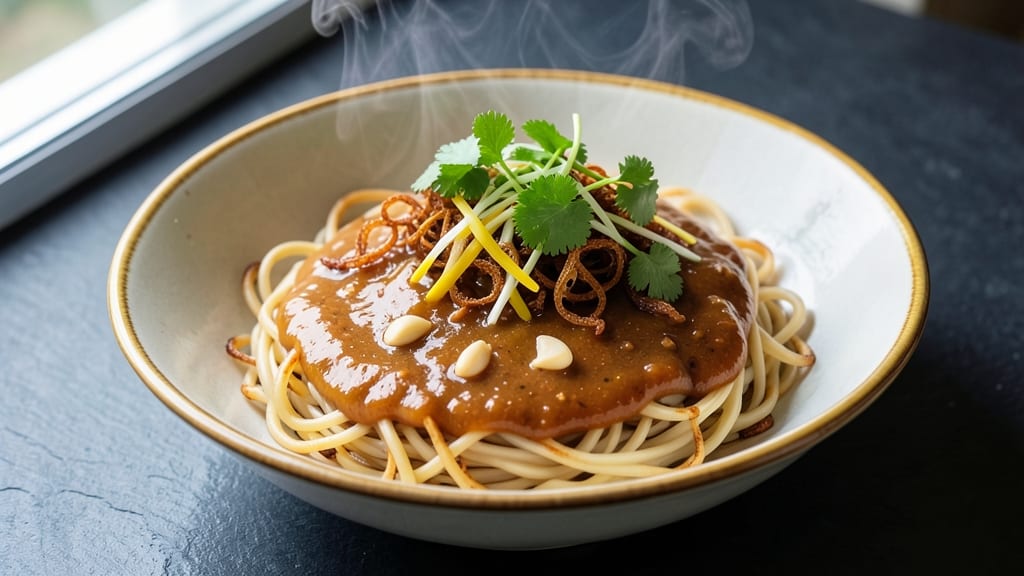
This Asian noodle stir-fry sauce delivers restaurant-quality depth in just minutes with a perfect balance of umami, sweetness, and heat.
The secret lies in combining traditional ingredients like soy sauce, oyster sauce, and sesame oil with fresh garlic, ginger, and chili for a sauce that elevates any stir-fry from ordinary to extraordinary.
What makes this recipe stand out is its versatility—adjust the spice level to suit your taste while maintaining that signature Asian flavor profile.
What you'll love about this sauce is how it transforms simple noodles into a flavorful meal. The sauce's rich, glossy texture clings beautifully to noodles and proteins, ensuring every bite is packed with flavor.
It's a foolproof method that requires minimal effort but delivers maximum impact, making it perfect for weeknight dinners or quick lunches. The best part? It keeps well in the fridge, so you can make a batch and use it all week.
This sauce is designed to be your go-to for stir-fries, but don't limit it to noodles. Drizzle it over grilled meats, toss it with vegetables, or use it as a marinade for added flavor.
The combination of soy sauce and oyster sauce creates a deep umami base, while the garlic and ginger add aromatic warmth. A touch of chili brings just the right amount of heat, making it adaptable to any dish.
The ingredients are simple, but the results are anything but basic. With just a few pantry staples and fresh aromatics, you'll create a sauce that's bold, balanced, and impossible to resist.
Whether you're cooking for one or feeding a crowd, this recipe ensures your stir-fry will be the star of the meal. Let's get started on making this flavor-packed sauce!
Ingredients for asian noodle stir fry sauce
Nine simple ingredients transform into a restaurant-quality sauce that clings to noodles like magic.
| Ingredient | Amount | Notes |
|---|---|---|
| Soy Sauce 🍶 | ½ cup | Light or dark variety preferred |
| Oyster Sauce 🦪 | ¼ cup | High-quality for rich flavor |
| Sesame Oil 🫒 | 2 tbsp | Toasted sesame oil for aroma |
| Rice Vinegar 🍶 | 2 tbsp | White or seasoned vinegar |
| Garlic Cloves 🧄 | 4 cloves | Freshly minced for brightness |
| Fresh Ginger 🌿 | 1 tbsp | Grated, not powdered |
| Red Chili Flakes 🌶️ | 1 tbsp | Adjust for heat preference |
| Honey 🍯 | 1 tbsp | Or maple syrup for vegan option |
| Cornstarch 🌾 | 1 tsp | For thickening sauce |
| Water 💧 | ¼ cup | Room temperature preferred |
The soy sauce and oyster sauce are your umami powerhouses—Lee Kum Kee or Kikkoman are my go-tos, but anything in the Asian aisle works. Sesame oil is non-negotiable for that nutty aroma, so toasted sesame oil from Trader Joe's or Costco is worth the splurge. Fresh ginger and garlic? Buy extra—half goes in the sauce, half gets tossed into stir-fries. The chili flakes can be adjusted—start with 1 tbsp if you're sensitive to heat, then add more to taste. Honey adds just enough sweetness to balance the acidity from the vinegar, but maple syrup works perfectly if you're avoiding refined sugar.
No oyster sauce? Double the soy sauce plus 1 tsp fish sauce (if not vegetarian) or soy sauce alone. Short on sesame oil? 1 tsp toasted sesame seeds stirred in at the end mimics the flavor. The cornstarch is key for that glossy texture—arrowroot powder works too, but cornstarch is more reliable. If your sauce thickens too much, just whisk in a splash of water. The garlic and ginger can be pre-minced to save time, but freshly grated ginger makes a huge difference in flavor. Pro tip: Toast the garlic in the oil first to deepen its flavor before adding the rest of the sauce ingredients.
This sauce keeps for 1 week in the fridge, sealed tightly in a jar. The flavor actually improves after a day as everything melds together. For longer storage, freeze in ice cube trays—perfect for single-use portions. Shake well before using, especially if it's been frozen. I like to make a big batch on Sundays so I always have it ready for quick weeknight stir-fries. The sauce works on everything—noodles, grilled chicken, tofu, or even as a marinade. Trust me, you'll be reaching for this jar constantly.
Why You'll Love This Recipe
- Pantry Magic: I swear by this sauce—no specialty shopping required. Just grab what’s already there: soy sauce, oyster sauce, and a splash of rice vinegar. Honestly, it’s the kind of recipe that makes me feel like a chef without the grocery list.
- Umami Bomb: That combo of oyster and soy sauce? It’s where the flavor actually lives. The sesame oil adds this nutty depth, and the garlic—oh, the garlic—turns every bite into something you’ll reach for seconds on.
- Weeknight Hero: I’ve used this on takeout leftovers, cold noodles, and even as a quick dipping sauce for dumplings. Between us, it’s my secret weapon when I’m too tired to cook but still want something that tastes like it took effort.
- Budget Stretch: A little goes a long way—this sauce costs pennies but makes meals feel special. I make double batches, store it in the fridge, and suddenly, stir-fries, soups, and even grilled chicken taste like a restaurant. (Yes, even on a Tuesday night.)
Step-by-step instructions for Asian noodle stir-fry sauce
This sauce comes together faster than you can say "wok hei"—just follow these simple steps.
Bloom the Aromatics in Sesame Oil
Heat a small saucepan over medium-low heat and add the 2 tablespoons sesame oil. Let it warm for 30 seconds until fragrant—you'll smell that nutty, toasted aroma that's the soul of this sauce. This is where the magic starts; don't rush this step or you'll miss the depth of flavor.
Add the 4 minced garlic cloves and 1 tablespoon grated fresh ginger. Cook for 1-2 minutes until the garlic turns light golden and the ginger loses its raw bite. You're looking for that moment when the kitchen smells like a bustling Asian market—this ensures your sauce has that authentic umami punch from the start.
Build the Sauce Base with Soy and Oyster Sauces
Pour in the 0.5 cup soy sauce and 0.25 cup oyster sauce all at once. Stir continuously for 1 minute to fully combine. The sauce will look glossy and slightly thickened as the cornstarch begins to activate. This is your flavor foundation—don't be tempted to walk away, as the sauces need to meld completely.
Add the 2 tablespoons rice vinegar and 1 tablespoon honey, stirring again until everything is perfectly incorporated. The vinegar brightens the rich sauces while the honey adds just enough sweetness to balance the umami. Taste at this stage—you should feel that perfect harmony of salty, sweet, and tangy flavors developing.
Add Heat and Thicken the Sauce
Sprinkle in the 1 tablespoon red chili flakes and stir for 30 seconds to distribute the heat evenly. This is where you can adjust the spice level to your preference—add more if you love heat, or reduce slightly if you prefer mild. The chili flakes will infuse their flavor without making the sauce look speckled.
Increase heat to medium and bring the sauce to a gentle simmer. Stir in the 1 teaspoon cornstarch mixed with 0.25 cup water all at once. Cook for 2-3 minutes until the sauce thickens to a syrupy consistency that coats the back of a spoon. You're aiming for that perfect balance between glossy and velvety—thick enough to cling to noodles but still pourable.
Taste and Adjust for Perfection
Remove the sauce from heat and let it cool for 2 minutes. Taste and adjust the seasoning—this is your final chance to make it perfect. Need more saltiness? Add a pinch more soy sauce. Too sweet? A splash of rice vinegar will brighten it up. The sauce should be bold, balanced, and complex—each component should be identifiable but harmonious.
Strain the sauce through a fine-mesh sieve if you prefer a smooth texture, or leave it as-is for a slightly rustic finish. Transfer to a clean jar or container and let it cool completely before storing. This sauce keeps well in the refrigerator for up to 2 weeks, making it perfect for quick stir-fries whenever you crave that restaurant-quality flavor at home.
Pro Tips For Making Asian Noodle Stir Fry Sauce
- MINCE THAT GARLIC: I used to smash whole cloves and wonder why my sauce tasted flat—garlic burns fast and loses flavor when it sits as chunks. Instead, finely mince 4-5 cloves (about 1 tablespoon) and toss them into the hot wok last, just before adding the vinegar. That way, they perfume the sauce without turning bitter.
- LOW AND SLOW WITH SAUCE: Stir-frying sauce over high heat turns it into a gloopy mess. After adding soy and oyster sauces, drop the heat to medium-low and let it simmer uncovered for 2-3 minutes—this thickens it naturally without scorching. (Yes, even if you’re impatient like me.)
- SALT THE SESAME OIL: Sesame oil’s nutty punch gets lost if you add it straight to the wok. Instead, mix ½ teaspoon salt into 1 tablespoon of oil before drizzling—it cuts the raw aroma and lets the garlic and vinegar shine. Trust me, your sauce won’t taste like soap.
- BALANCE THE VINEGAR FIRST: Rice vinegar’s tang can overpower the sauce if you eyeball it. Start with 1 teaspoon, taste, then adjust—you’re aiming for brightness, not pucker. If the sauce tastes sharp, add a splash of warm water to mellow it out. (No, you can’t fix it later.)
Regional styles of this dish
Japanese Teriyaki Twist
For a Japanese-inspired version, replace the oyster sauce with 2 tbsp mirin and 1 tbsp soy sauce, then add 1 tbsp sake to the base. Use 1 tsp grated daikon radish for subtle sweetness and brightness.
Finish with a drizzle of 1 tsp toasted sesame seeds before serving. This version pairs perfectly with udon noodles or grilled salmon. 🍣
Thai Peanut Fusion
Swap out the sesame oil for 2 tbsp peanut oil and add 1 tbsp smooth peanut butter to the sauce base. Stir in 1 tsp fish sauce and ½ tsp ground white pepper for depth.
Top with crushed peanuts and cilantro for a Thai-inspired stir-fry. This works amazingly with rice noodles or chicken satay. 🥜
Korean Gochujang Style
Replace the red chili flakes with 1 tbsp gochujang (Korean chili paste) and add ½ tsp sugar to balance the heat. Use 1 tbsp sesame seeds instead of oil for aroma. This version is perfect for dakgalbi (spicy stir-fried chicken) or bibimbap. 🌶️
Vietnamese Nuoc Cham
For a lighter, tangier sauce, reduce the soy sauce to ¼ cup and add 2 tbsp fish sauce (or vegetable sauce for a vegan option). Stir in 1 tbsp lime juice and ½ tsp sugar for a nuoc cham-inspired flavor.
This pairs beautifully with rice noodles or shrimp. 🍋
Chinese Szechuan Heat
Boost the heat with 1 tbsp Szechuan peppercorns (lightly toasted and ground) and 1 tsp chili bean paste. Use 1 tbsp dark soy sauce for color and depth. This fiery version is ideal for stir-fried beef or dry-fried noodles. 🔥
Philippine Bagoong Sauce
Replace oyster sauce with 2 tbsp shrimp paste (bagoong) and add 1 tbsp calamansi juice (or lime) for a tangy kick. Stir in ½ tsp black pepper and finish with 1 tsp chopped scallions. This works wonderfully with sinigang (sour soup) or garlic rice. 🍤
Nutrition facts
Frequently asked questions
Can I make this sauce without oyster sauce?
Replace the ¼ cup oyster sauce with ¼ cup soy sauce plus 1 teaspoon fish sauce (for umami depth). For a vegetarian option, use ¼ cup soy sauce plus 1 teaspoon mushroom sauce or an extra ½ teaspoon sugar to mimic the caramelized notes. The sauce will still be rich and flavorful—just slightly less complex.
How do I adjust the spice level for sensitive eaters?
Start with just ½ teaspoon red chili flakes or reduce to ¼ teaspoon for very mild heat. For a completely no-heat version, omit the chili flakes and add ½ teaspoon sugar instead to balance the flavors. You can always add a pinch of chili flakes later if needed—it's easier to increase heat than remove it.
What's the best way to store and reheat this sauce?
Store in an airtight container in the fridge for up to 2 weeks. For longer storage, freeze in ice cube trays—thaw overnight in the fridge before using. Reheat gently in a small saucepan over low heat for 1-2 minutes, stirring constantly, until warmed through. Never microwave—it can break the sauce's silky texture.
Can I use this sauce on dishes other than noodles?
This versatile sauce works beautifully on grilled meats, tofu, vegetables, or even as a marinade! Try brushing it on chicken thighs before grilling, tossing it with steamed broccoli, or using it as a dipping sauce for spring rolls. The key is to adjust the amount—use 1-2 tablespoons per serving for best flavor distribution.
Why did my sauce turn out too thick?
If your sauce thickens too much, it's likely because the cornstarch activated fully. Thin it with 1-2 teaspoons warm water at a time, stirring constantly until you reach the desired consistency. For future batches, reduce the cornstarch to ½ teaspoon or simmer for 1 minute less. The sauce should coat the back of a spoon but still be pourable.