
Sauces & Condiments
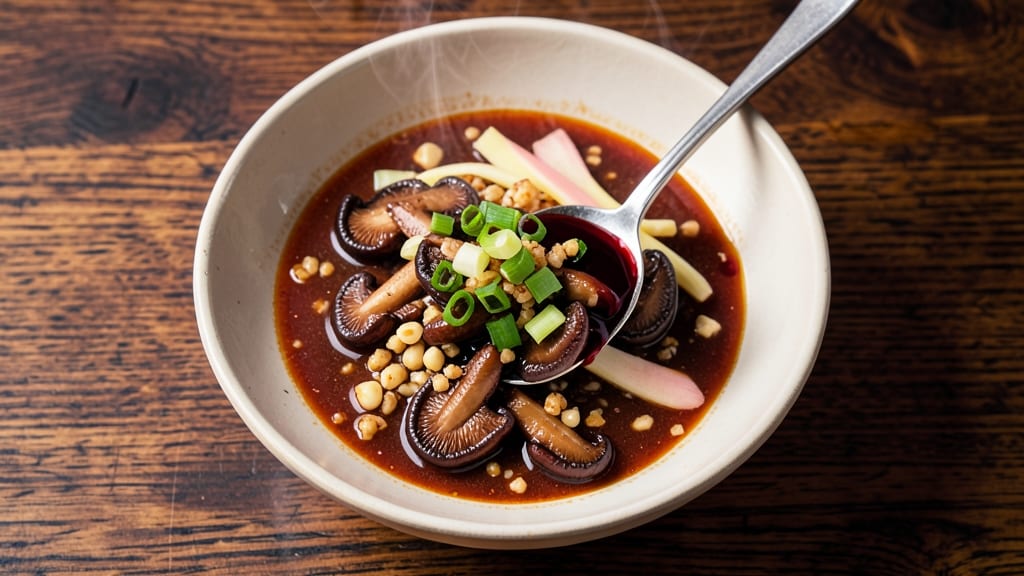
This Asian mushroom sauce recipe transforms simple ingredients into a umami-packed elixir that elevates every dish it touches—think noodles, dumplings, or grilled proteins.
The secret lies in simmering shiitake mushrooms with garlic, ginger, and aromatics until their natural depth intensifies, then blending with soy and fish sauce for that signature savory punch. I developed this while craving restaurant-quality flavor without the wait, and it’s become my go-to for adding complexity in minutes.
What sets this sauce apart is its versatility—it works as a quick stir-fry sauce, dipping condiment, or even a marinade. The mushrooms provide earthy richness, while garlic and ginger add a bright zing that cuts through the umami.
A touch of cornstarch thickens it just enough to cling to food without overpowering. Best of all, it keeps well in the fridge for up to a week, so you can make a batch and use it all week.
The process is straightforward: sauté aromatics, simmer mushrooms until deeply flavorful, then blend with sauces and a splash of broth. No fancy techniques—just layered flavor built through patience.
Whether you’re serving it over steamed rice, drizzling on dumplings, or tossing with stir-fried veggies, this sauce delivers restaurant-quality depth with minimal effort.
For extra richness, add a spoonful of miso or a dash of sesame oil at the end. Vegetarians can swap fish sauce for extra soy sauce or a dash of mushroom powder. Let’s make this sauce—the kind that turns simple meals into something extraordinary.
Ingredients for asian mushroom sauce
Nine essential ingredients create this restaurant-style sauce that transforms ordinary meals into umami-packed masterpieces.
| Ingredient | Amount | Notes |
|---|---|---|
| Dried Shiitake Mushrooms 🍄 | ½ cup | Rehydrated in hot water first |
| Garlic Cloves 🧄 | 6 cloves | Freshly minced for bright flavor |
| Fresh Ginger 🌿 | 2 tbsp | Finely grated, peel removed |
| Green Onions 🧅 | 3 whole | White and green parts separated |
| Light Soy Sauce 🍶 | ⅓ cup | Kikkoman preferred for balance |
| Fish Sauce 🍶 | 1 tbsp | Red Boat brand recommended |
| Vegetable Broth 💧 | ½ cup | Low-sodium for flavor control |
| Cornstarch 🌾 | 1 tbsp | Dissolved in 2 tbsp water |
| Sesame Oil 🫒 | 1 tbsp | Toasted for aroma, added last |
| Extra-Virgin Olive Oil 🫒 | 1 tbsp | For initial sautéing |
The shiitake mushrooms are the flavor foundation—look for dried shiitake at Asian markets or the bulk section of Whole Foods. Rehydrate them in hot water for 20 minutes before using; the liquid adds depth to the sauce. Fresh shiitake work too, but dried mushrooms concentrate that earthy umami. For garlic, Korean garlic adds a milder, sweeter note if you can find it, but regular garlic works perfectly fine. The ginger should be fresh, not powdered—Trader Joe's sells great organic ginger at a good price. Separate the green onions so you can use the whites for cooking and the greens as a garnish later.
No fish sauce? Extra soy sauce plus a dash of mushroom powder mimics the umami punch—just add 1 tsp mushroom powder to the soy sauce. Vegetarians can skip the fish sauce entirely and use an extra 2 tbsp soy sauce plus 1 tsp miso paste. The cornstarch slurry is non-negotiable for that perfect silky texture; don't substitute flour or arrowroot. For the sesame oil, toasted sesame oil from Penzeys has the best aroma, but any good brand works. If you're short on time, you can use 1 tsp regular sesame oil plus a pinch of smoked paprika for depth. The vegetable broth can be swapped for water if needed, but the low-sodium version lets you control the seasoning better.
This sauce keeps beautifully in an airtight container in the fridge for up to 1 week, and it actually tastes better the next day as flavors meld. For longer storage, freeze in ice cube trays—perfect for single-use portions. I always make a double batch because it disappears fast. If the sauce thickens too much after refrigerating, just add a splash of water or broth when reheating. The aroma alone will make your kitchen smell like a bustling Asian street market—worth every minute of simmering.
Why You'll Love This Recipe
- Pantry Magic: I swear by this sauce—no fresh mushrooms needed. Just toss in dried shiitake, cover with hot water, and let them soak while you chop garlic and ginger. By the time you’ve minced those, your mushrooms are ready to go.
- Umami Bomb: That deep, savory punch from the shiitake and soy sauce? It’s the kind of flavor that makes you pause mid-bite. Add a splash of rice vinegar if you’re feeling fancy, but honestly, the garlic-ginger-soy combo alone is already dangerously addictive.
- Weeknight Swiss Army: Drizzle it over noodles, stir-fry veggies, or toss with tofu—this sauce works as hard as I do. I keep a jar in the fridge for those nights when I’m too tired to plan, and it never lets me down.
- Budget Win: Dried shiitake and soy sauce stretch this recipe into a full meal for less than $5. Honestly, it’s my go-to when grocery money’s tight, and my family still begs for seconds. (Yes, even on a Tuesday night.)
Step-by-step instructions for Asian mushroom sauce
This umami-rich sauce builds layer by layer—start with the mushrooms and end with that signature nutty sesame finish.
Rehydrate and Prepare the Shiitake Mushrooms
Place the 0.5 cup dried shiitake mushrooms in a heatproof bowl and pour just enough hot water to cover them completely. Let them soak for 10-15 minutes until they've absorbed the water and expanded significantly. You'll know they're ready when they've softened and doubled in size—they should feel tender when pressed with your fingers.
Drain the mushrooms, reserving the soaking liquid (about ½ cup). Finely chop the rehydrated mushrooms into small, even pieces—this ensures they distribute evenly throughout the sauce. The texture should be almost paste-like, which helps create that velvety consistency we're after. If you're using particularly large mushrooms, pulse them a few times in a food processor for uniform texture.
Build the Aromatic Base
Heat the 1 tablespoon extra-virgin olive oil in a medium saucepan over medium heat. Add the freshly minced 6 cloves garlic and the 2 tablespoons finely grated ginger, stirring constantly for 1-2 minutes until the garlic becomes fragrant and just begins to turn golden. Be careful not to let it brown—garlic burns quickly and turns bitter.
Add the chopped shiitake mushrooms to the pan and cook for another 3-4 minutes, stirring frequently, until they release their moisture and begin to caramelize slightly. This step develops the deep umami flavor that forms the foundation of the sauce. You'll notice the mushrooms darken slightly and the pan starts to fill with aromatic steam—this is when the magic begins.
Develop the Sauce Base
Pour in the 0.33 cup light soy sauce and 1 tablespoon fish sauce, stirring to combine. Add the reserved mushroom soaking liquid and 0.5 cup vegetable broth, bringing everything to a gentle simmer. Reduce the heat to low and let the mixture cook uncovered for 5-7 minutes, allowing the liquid to reduce by about one-third. You'll see the sauce thicken slightly and develop a glossy sheen—this is when the flavors begin to meld together.
Here's where it gets interesting: Taste the sauce now. It should be salty, umami-rich, and slightly funky from the fish sauce. If it needs more depth, add another splash of soy sauce (up to 1 teaspoon). If it's too salty, we'll balance it in the next step. The sauce should be balanced but still have room for the finishing touches.
Thicken and Finish
In a small bowl, whisk together the 1 tablespoon cornstarch with 2 tablespoons cold water until completely dissolved. Pour this slurry into the simmering sauce while stirring constantly. The sauce will thicken dramatically within 1-2 minutes—keep stirring until it reaches your desired consistency, which should be smooth and slightly syrupy but still pourable.
Remove the pan from heat and stir in the 1 tablespoon toasted sesame oil. This is the moment that transforms a good sauce into a great one—the sesame oil adds that nutty, aromatic finish that makes this sauce truly special. The color should deepen slightly, and you'll notice a beautiful aroma wafting from the pan. Give it one final taste and adjust seasoning if needed, adding a pinch more soy sauce or fish sauce as required.
Garnish and Serve
Transfer the sauce to a serving bowl and let it cool slightly for 2-3 minutes. Garnish with the separated white parts of the 3 whole green onions, chopped into thin rings. The green parts can be reserved for garnishing finished dishes. This sauce is incredibly versatile—use it as a dipping sauce for spring rolls, a glaze for grilled meats, or a flavorful addition to stir-fries and noodle dishes.
The sauce will continue to thicken slightly as it cools, so don't be surprised if it becomes slightly more viscous after sitting for a few minutes. For best results, use the sauce within 3-4 days when stored in an airtight container in the refrigerator. When reheating, warm gently over low heat to preserve all those delicate aromas we've built up.
Pro Tips For Making Asian Mushroom Sauce
- SOAK DRY MUSHROOMS TWICE: I learned this the hard way—dried shiitake need a two-step soak: first in hot water (10 minutes) to soften, then cold (another 10) to stop them from turning bitter. Skip this, and your sauce will taste harsh no matter how much soy sauce you add.
- MINCE GINGER FINE: Use the tip of your knife to tap the ginger root against the cutting board before slicing—it stays put. Then chop it into tiny, almost paste-like pieces. Big chunks of ginger in this sauce mean you’ll taste them instead of the mushrooms.
- DEGLAZE WITH SOY SAUCE: After cooking the garlic and ginger, splash in 2 tablespoons of soy sauce before adding the mushrooms. Let it bubble for 30 seconds—this builds flavor faster than waiting until the end. Your sauce will taste deeper, not just salted.
- STOP AT 8 MINUTES: The mushrooms release their umami in the first 6-8 minutes of simmering. After that, they turn to mush. Keep an eye on them, especially if your stove runs hot—pull them out before they’re fully tender, then finish with a quick toss in the sauce.
Serving suggestions for this asian mushroom sauce
Noodle Pairings
This sauce transforms simple noodles into a restaurant-quality meal. Toss it with udon noodles for a hearty Japanese-inspired dish, or pair with rice noodles for a lighter Vietnamese-style bowl. I love adding sliced shiitake mushrooms and bok choy to the noodles before drizzling the sauce over them.
For extra richness, top with a soft-boiled egg and crispy fried shallots. 🍜
Dumpling Dippers
Serve this sauce warm as a dipping sauce for spring rolls, potstickers, or gyoza. The umami depth cuts through the crispy exterior while complementing the filling. I like to double the batch and keep it in the fridge for quick weeknight dinners.
For presentation, drizzle the sauce over a small plate and arrange dumplings around it. 🥟
Protein Glazes
Use this sauce as a marinade or glaze for grilled or pan-seared proteins. Brush it on chicken thighs, pork chops, or tofu during the last 3-5 minutes of cooking for a sticky, caramelized finish.
I recommend grilling the protein first, then basting with the sauce to lock in moisture. The mushrooms add a meaty texture, making it perfect for vegetarian options too. 🍗
Rice Bowl Topper
Turn steamed rice into a flavorful bowl by spooning this sauce over the top. Add steamed bok choy, sliced cucumber, and a soft-boiled egg for a Korean-inspired bibimbap.
For extra crunch, sprinkle with toasted sesame seeds and crushed peanuts. The sauce's balance of umami and brightness makes it ideal for rice-based dishes. 🍚
Vegetable Stir-Fry
Stir-fry your favorite vegetables—like bell peppers, broccoli, and snap peas—then toss them with this sauce for a quick, flavorful meal. I often add crispy tofu or shrimp for extra protein.
The sauce clings beautifully to the vegetables, creating a cohesive dish with minimal effort. Serve over rice or noodles for a complete meal. 🥦
Breakfast Twist
Elevate your morning with this sauce drizzled over scrambled eggs or ramen-style fried rice. The umami flavor adds depth to breakfast dishes, making them feel more like a meal.
I like to mix it with a little sriracha for a spicy kick. Pair with a side of steamed greens for a balanced breakfast. 🍳
Nutrition facts
Frequently asked questions
Can I substitute fresh mushrooms for dried shiitake?
Yes! Use 1 cup fresh shiitake mushrooms instead of dried, but don't rehydrate them first. Fresh mushrooms work well, though dried ones concentrate more umami flavor. For best results, finely chop them before cooking to mimic the texture of rehydrated dried mushrooms.
How do I make this sauce vegetarian?
Swap the fish sauce for 2 extra tablespoons soy sauce plus 1 teaspoon miso paste or 1 teaspoon mushroom powder. This maintains the umami depth without animal products. The sauce will still have that signature savory punch while being fully plant-based.
Why did my sauce turn out too thick?
This usually happens when the cornstarch slurry thickens more than expected during cooling. Thin with 1-2 teaspoons warm water or broth while stirring gently. For next time, reduce the cornstarch to ½ tablespoon if you prefer a lighter consistency.
Can I make this sauce without sesame oil?
Omit the sesame oil or replace it with ½ teaspoon toasted sesame seeds stirred in at the end. While it won't have the same aromatic depth, the sauce will still be delicious. For extra nutty flavor, add 1 teaspoon peanut butter instead.
How long can I store this sauce?
Store in an airtight container in the fridge for up to 1 week. For longer storage, freeze in ice cube trays—perfect for single-use portions. The sauce actually improves in flavor as it sits, developing deeper complexity over time.