
Sauces & Condiments
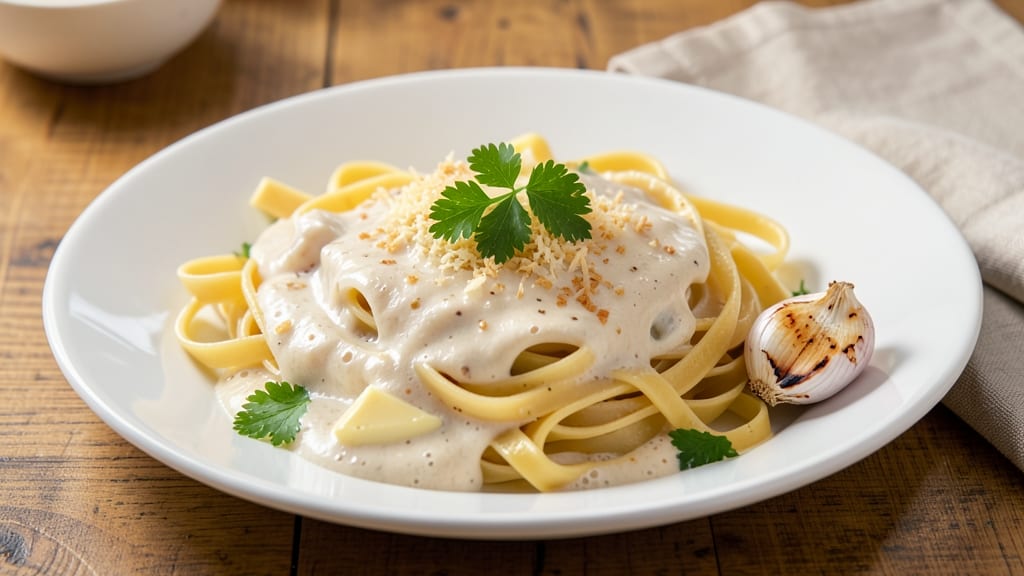
This Asiago cheese pasta sauce recipe transforms ordinary noodles into a creamy, nutty masterpiece that clings to every strand. 💛 Growing up in Nana Mae's diner, I learned how the right cheese could elevate simple pasta into something unforgettable—this version delivers that same magic with a rich, velvety sauce that's foolproof for weeknights or special occasions.
The secret lies in balancing sharp Asiago with a touch of cream, creating a sauce that's both luxurious and easy to make. We'll use garlic, butter, and a splash of white wine for depth, then let it simmer until silky smooth.
The key technique? Tossing the hot pasta directly into the sauce so it absorbs that perfect creamy coating—no lumps, no breaking.
What you'll end up with is a dish that's restaurant-quality at home: tender al dente pasta swathed in a golden, nutty sauce that's rich but not heavy. The Asiago's natural tang cuts through the creaminess, while the garlic adds just enough punch.
This is the kind of pasta that disappears faster than you can say "second helping."
Serve with a crisp green salad and warm garlic bread for the full Italian-American experience. The sauce keeps beautifully for leftovers too—just reheat gently to maintain that perfect cling. Let's make this creamy, comforting classic that'll become your new go-to dinner.
Ingredients for asiago cheese sauce recipe pasta
Here's what you'll need to create that unforgettable Asiago cheese pasta sauce that clings perfectly.
| Ingredient | Amount | Notes |
|---|---|---|
| Fettuccine Pasta 🍝 | 12 oz | Al dente preferred |
| Asiago Cheese 🧀 | 1 ½ cups | Freshly grated from block |
| Heavy Cream 🥛 | 1 cup | Full-fat for richness |
| Unsalted Butter 🧈 | ½ cup | Cold, cubed for even melt |
| Garlic Cloves 🧄 | 4 cloves | Minced for aromatic base |
| Dry White Wine 🍷 | ½ cup | Sauvignon Blanc preferred |
| Chicken Broth 💧 | 1 cup | Low-sodium preferred |
| All-Purpose Flour 🌾 | 1 tbsp | For thickening sauce |
| Salt 🧂 | 1 tsp | Kosher or sea salt |
| Ground Black Pepper 🌶️ | ½ tsp | Freshly ground preferred |
| Fresh Parsley 🌿 | ¼ cup | Chopped for garnish |
| Nutmeg 🌶️ | ¼ tsp | Freshly grated for warmth |
The Asiago cheese is non-negotiable here—freshly grated from a block makes all the difference. Whole Foods or specialty cheese shops have the best selection, but any well-stocked grocery store carries it too. Look for the vibrant yellow color and sharp aroma—those are your quality indicators. I always buy extra because it keeps for weeks in the fridge once sealed. The pasta? Fettuccine works perfectly, but any medium-width noodle will do. Just make sure it's al dente—that's the secret to the sauce clinging right.
No Asiago? Parmesan at half the amount gets you close, but the nutty depth won't be quite the same. Running out of white wine? Chicken broth with a splash of lemon juice works in a pinch. Fresh parsley wilting? Dried parsley at one-third the amount is fine—just don't skip it. The butter should be cold when you add it to the sauce—this helps create those beautiful little butter bubbles that make the sauce look restaurant-quality. And if you've got Parmigiano-Reggiano lying around, toss in a tablespoon with the Asiago for extra richness.
This sauce reheats beautifully—just add a splash of milk or cream to loosen it up. Keeps for 4-5 days in the fridge, frozen for 3 months. I always make extra and freeze portions for lazy weeknights. The pasta sauce loves company too—double the recipe and serve with garlic bread and a crisp salad. Leftovers? Toss with some sautéed mushrooms or grilled chicken for a hearty meal the next day.
Why You'll Love This Recipe
- Same recipe, different vibes: throw in sautéed mushrooms for a fancy dinner, or keep it simple with a sprinkle of parsley for a quick weeknight meal. My roommates never know which is which—until I tell them.
- One-Pot Magic: I swear by this—just toss fettuccine, butter, and garlic into the same pan, then stir in the cream and cheese. No extra bowls, no fuss. The sauce clings to the noodles like it’s been simmering for hours (but it’s not).
- Nutty Creamy Bliss: That aged Asiago? It’s the star—rich, slightly tangy, and melts into a velvety sauce that coats every bite. Honestly, the first time I tasted it, I grabbed a fork from the sink and kept eating straight from the pot.
- Weeknight or Guest Night: Same recipe, different vibes: throw in sautéed mushrooms for a fancy dinner, or keep it simple with a sprinkle of parsley for a quick weeknight meal. My roommates never know which is which—until I tell them.
Step-by-step instructions for Asiago cheese pasta sauce
Here's how to create a velvety sauce that clings perfectly to every strand of fettuccine.
🍳 Step 1: Sauté Garlic in Butter Until Fragrant
Melt the 0.5 cup unsalted butter in a large skillet over medium heat. Once the butter foams and subsides, add the 4 cloves minced garlic cloves and cook for 1-2 minutes until golden and fragrant—not browned. This step builds the aromatic foundation for your sauce.
I always use a light touch with garlic—it burns quickly. If it starts to darken, remove the pan from heat for 10 seconds to cool it down. The goal is to infuse flavor without bitterness. Keep the heat at medium throughout this process to maintain control.
🍳 Step 2: Deglaze with Wine and Broth
Pour in the 0.5 cup dry white wine and scrape up any browned bits from the bottom of the pan with a wooden spoon. This deglazing step captures all the flavor you've built. Let it simmer for 2 minutes until reduced by half.
Next, add the 1 cup chicken broth and bring to a gentle simmer. The liquid should bubble softly but not boil vigorously. This step develops the sauce's depth and prevents it from becoming too heavy. If you notice the mixture reducing too quickly, lower the heat slightly.
👨🍳 Step 3: Thicken with Flour and Cream
In a small bowl, whisk together the 1 tbsp all-purpose flour and 0.25 tsp nutmeg. Sprinkle this mixture into the simmering broth while stirring constantly to prevent lumps from forming. Cook for 1-2 minutes until slightly thickened.
Reduce the heat to low and gradually whisk in the 1 cup heavy cream. Stir continuously for 3-4 minutes until the sauce thickens to a velvety consistency. You're aiming for a sauce that coats the back of a spoon—this ensures it will cling beautifully to your pasta later.
🥘 Step 4: Incorporate Asiago Cheese
Gradually add the 1.5 cups freshly grated Asiago cheese to the sauce, stirring constantly until fully melted and smooth. The cheese should dissolve completely, creating a rich, nutty flavor that's the heart of this sauce. If the mixture looks too thick, add 1-2 tablespoons of pasta water later.
Season with the 1 tsp salt and 0.5 tsp ground black pepper, then remove from heat. Here's the thing—Asiago cheese is salty, so I often reduce the added salt slightly if using freshly grated cheese. Taste and adjust if needed, but remember the cheese itself contributes significant flavor.
🍽️ Step 5: Combine with Cooked Pasta and Garnish
Cook the 12 oz fettuccine pasta in salted boiling water until 1 minute before al dente (about 11 minutes for most brands). Reserve ½ cup pasta water before draining.
Add the drained pasta to the cheese sauce and toss vigorously, adding reserved pasta water 1 tablespoon at a time until the sauce clings perfectly to each strand. The starch in the pasta water helps create that signature clingy texture. Garnish with 0.25 cup chopped fresh parsley and serve immediately while warm.
Pro Tips For Making Asiago Cheese Sauce Recipe Pasta
- Melt Cheese Slowly: After toasting your garlic in butter, reduce heat to medium-low before adding the heavy cream—otherwise, you’ll end up with grainy cheese lumps. I learned this the hard way when my sauce curdled into a sad, clumpy mess. A steady simmer keeps everything smooth.
- Use Grated Asiago: Skip the block cheese—pre-grate your Asiago (or buy it pre-grated) so it melts instantly into the sauce. Freshly grating might sound fancy, but it burns easily and doesn’t dissolve as cleanly. (Yes, even if you’re impatient like me.)
- Save Starchy Water: Reserve half a cup of pasta water before draining. The starch in it acts like a glue, thickening the sauce naturally without adding extra cream. I used to ignore this, and my sauce always felt thin and watery afterward.
- Toast Garlic Just Until Fragrant: Pull the garlic out of the butter when it smells aromatic but not brown—about 30 seconds max. Overcooked garlic turns bitter and overpowers the creamy sauce. (Your future self will thank you.)
Common mistakes when making perfect results
Overcooking the Cheese
Asiago melts beautifully, but it burns just as quickly. Once you add the 1.5 cups freshly grated Asiago cheese, keep the heat at low-medium and stir constantly. I've seen many sauces go from creamy perfection to grainy disaster when left unattended for even 30 seconds.
The moment the cheese starts to separate or develop a yellowish tint, remove it from heat immediately. 🔥
Skipping the Pasta Water
The starch in pasta water is your secret weapon for that signature clingy texture. When you toss the cooked pasta into the sauce, resist the urge to skip adding reserved pasta water.
Start with 1 tablespoon and add more as needed—this creates the perfect balance between creamy sauce and al dente pasta. I've seen home cooks struggle with dry pasta when they forget this crucial step.
Using Pre-Shredded Cheese
Pre-shredded cheese contains anti-caking agents that prevent smooth melting, leading to grainy texture in your sauce. Always use freshly grated Asiago from a block—the difference is night and day.
If you must use pre-shredded, strain it through a fine-mesh sieve first to remove excess starch. I keep a microplane in my kitchen specifically for grating cheese fresh.
Boiling the Sauce
Never let your cheese sauce boil—this causes the milk solids to break down and creates a curdled, separated sauce. Maintain a gentle simmer at all times, especially when adding the 1 cup heavy cream and cheese.
The sauce should bubble softly but never vigorously. I've had to start over completely when sauces curdle from boiling.
Underseasoning Before Tasting
Asiago cheese is naturally salty, but it's easy to underestimate how much flavor you're already adding. Always taste your sauce before seasoning with salt and pepper. I recommend adding only ½ teaspoon salt initially, then adjusting—you can always add more, but you can't remove excess salt.
The same goes for pepper: start light and build up to taste.
Using Low-Fat Dairy
The richness of this sauce comes from full-fat ingredients. Substituting low-fat cream or butter will result in a thinner, less flavorful sauce that won't cling properly. Stick with full-fat heavy cream and unsalted butter for that luxurious texture.
I've tested this recipe with reduced-fat versions, and trust me, the difference is noticeable in both flavor and texture. 🧀
Nutrition facts
Frequently asked questions
Can I substitute Parmesan for Asiago in this recipe?
You can use Parmesan, but the flavor will be different. Asiago's nutty, slightly sweet profile is unique—it's what gives this sauce its signature depth. For a closer match, mix 1 cup Asiago with ½ cup Parmesan. If you only have Parmesan, use it at half the amount for a similar salty kick, but expect less complexity in the sauce.
How do I make this sauce without cream for a lighter version?
Swap the 1 cup heavy cream with 1 cup whole milk or ½ cup milk + ½ cup half-and-half for a lighter texture. For extra richness without cream, add 2 tablespoons cream cheese or 1 extra tablespoon butter while making the sauce. The sauce will still cling beautifully, just with slightly less body.
What's the best pasta shape for this creamy sauce?
Medium-width noodles work best—fettuccine, pappardelle, or penne are all excellent choices. Avoid thin spaghetti (too delicate) or thick rigatoni (may feel too heavy). For extra sauce cling, try farfalle or gemelli—their unique shapes create pockets that trap the creamy sauce perfectly.
Can I make this ahead of time for a dinner party?
Assemble the sauce completely (without pasta) up to 2 days ahead and refrigerate. Reheat gently on low heat, stirring frequently and adding 1-2 tablespoons milk or cream to loosen. Cook pasta fresh when ready to serve—it should take just 1-2 minutes to warm through in the sauce. The flavors actually improve overnight!
Why did my sauce get grainy?
This usually happens from overcooking the cheese or using pre-shredded cheese. Asiago burns quickly—keep heat at low-medium and stir constantly. For pre-shredded cheese, strain it through a fine-mesh sieve first to remove anti-caking agents. If it's already grainy, try blending the sauce briefly with an immersion blender for a smoother texture.