
Sauces & Condiments
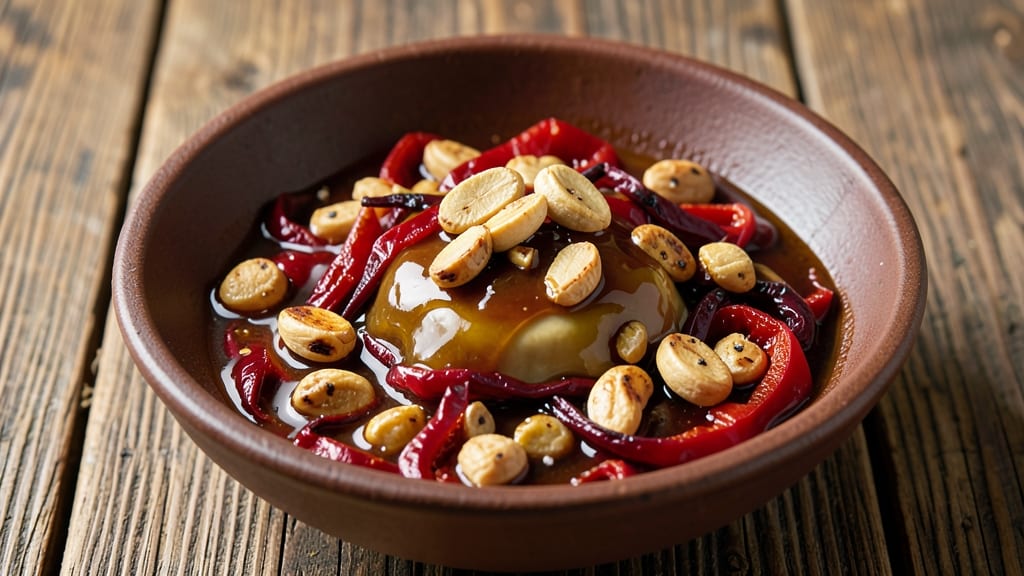
Aso sauce recipe transforms simple ingredients into the bold, nutty foundation of West African cooking—where deep umami meets smoky heat in every spoonful. This traditional sauce blends roasted peppers, locust beans (iru), and palm oil into a rich, velvety paste that elevates soups, stews, and grilled meats. The key lies in slow simmering, which develops layers of flavor while preserving the sauce's signature thickness and complexity.
What sets this recipe apart is the balance of ingredients: red bell peppers provide sweetness, iru adds earthy depth, and peanuts introduce a subtle nuttiness that rounds out the heat. Unlike store-bought versions, homemade aso sauce delivers a fresher taste and customizable spice level.
The process is straightforward—blend, simmer, and reduce—but the result is restaurant-quality, with a texture that clings perfectly to rice, fish, or meat.
Once complete, this sauce keeps for weeks in the fridge, making it ideal for meal prep or gifting. Its versatility shines in dishes like egusi soup, jollof rice, or as a condiment for grilled plantains.
The aroma alone—smoky, peppery, and slightly sweet—will transport you to Nigerian markets, where it’s a staple for bold, flavorful cooking.
Ready in about 45 minutes, this sauce requires patience but minimal effort. The reward? A pantry staple that turns ordinary meals into extraordinary ones. Let’s make it.
Ingredients for aso sauce
Eleven ingredients blend smoky heat, nutty depth, and umami richness for West Africa's iconic tomato pepper sauce.
| Ingredient | Amount | Notes |
|---|---|---|
| Red Bell Peppers 🍅 | 2 whole | Roasted until charred for depth |
| Dried Locust Beans (Iru) 🌿 | ½ cup | Toasted and ground into powder |
| Peanuts 🥜 | ½ cup | Raw, unsalted for nutty flavor |
| Palm Oil 🫒 | ½ cup | Unrefined for authentic richness |
| Dried Red Peppers 🌶️ | 2 tbsp | Crushed for smoky heat |
| Garlic Cloves 🧄 | 4 cloves | Minced for aromatic base |
| Onion 🧅 | 1 whole | Yellow, roughly chopped |
| Tomato Paste 🍅 | ¼ cup | San Marzano preferred |
| Ground Black Pepper 🌶️ | 1 tsp | Freshly cracked for heat |
| Salt 🧂 | 1 tsp | Diamond Crystal kosher |
| Water 💧 | 1 ½ cups | For blending consistency |
The locust beans (iru) are the heart of this sauce—toast them lightly in a dry pan until fragrant before grinding into a fine powder. African specialty stores carry them, but online retailers like African Foods Direct offer reliable options. Palm oil adds unmatched richness; unrefined red palm oil delivers the signature color and flavor, while refined versions lack depth. Roast the bell peppers over an open flame or under a broiler until charred in spots—this smoky char is non-negotiable for authentic flavor. For the peanuts, raw, unsalted varieties ensure pure nuttiness without competing saltiness.
No locust beans? Substitute 1 tbsp smoked paprika plus 1 tsp ground coriander for earthy depth, though the flavor won't be identical. Running short on palm oil? Avocado oil or coconut oil can mimic the richness, though the color will differ. Fresh red peppers unavailable? Dried arbol peppers work in a pinch, but adjust quantity to taste. The tomato paste is non-negotiable—San Marzano delivers superior sweetness and texture, while store brands often taste bland. For extra umami, add 1 tbsp soy sauce or 1 tsp fish sauce (ensure fish sauce is used sparingly or omitted for vegetarian versions).
This sauce thickens as it cools, so stir well before serving. Store in an airtight container in the refrigerator for up to 2 weeks, where it continues to develop complexity. For longer storage, freeze in ice cube trays for 3 months—thaw and whisk to restore consistency. The sauce thickens dramatically when reheated, so add a splash of water if needed. Portion into small jars for easy use in soups, stews, or as a condiment for grilled meats.
Why You'll Love This Recipe
- No Chopping Struggle: I’ll be real—locust beans and dried peppers are the only things I need to soak. The rest? Just blend, simmer, and let the red bell peppers do their magic while you sip tea. Ten minutes of hands-off work.
- Rich Without Effort: That palm oil base is where the magic happens—deep, velvety, and immediately satisfying. The peanuts add crunch, but the real star? The smoky-sweet bell peppers caramelizing into the sauce. It’s the kind of flavor that makes you pause mid-bite.
- Party or Pantry: I’ve used this to drizzle over fried plantains for guests, stirred into rice for lazy Sundays, and even as a dip for veggies when my kids’ friends come over. It’s the one sauce that turns anything into something special—no rules, just results.
- Budget Stretch: A single batch of locust beans and peanuts lasts me weeks, and palm oil goes a long way. Honestly, I make this when I’m pinching pennies because it’s cheap, filling, and still feels like a treat. Leftovers? They taste better the next day.
Step-by-step instructions for aso sauce
This authentic Nigerian sauce balances heat, depth, and richness through precise technique.
Roast and Blend the Red Bell Peppers
Preheat your oven to 425°F. Place the 2 whole red bell peppers directly on the oven rack and roast for 20-25 minutes, turning occasionally, until the skins are completely charred and blistered. You'll see blackened patches and a slightly collapsed shape—this is essential for developing the sauce's signature smoky depth.
Transfer the charred peppers to a heatproof bowl, cover tightly with plastic wrap, and let steam for 10 minutes. This makes the skins slide off effortlessly. Peel away the charred skin, then remove and discard the seeds and membranes. Transfer the flesh to a blender or food processor and set aside for the next step. The peppers should yield about ½ cup of roasted pulp—this is your flavor foundation.
Toast and Grind the Locust Beans and Peanuts
In a dry skillet over medium-high heat, toast the 0.5 cup dried locust beans (iru) for 3-4 minutes, stirring constantly, until they turn a deep golden brown and release an earthy aroma. Immediately transfer to a clean bowl to cool for 2 minutes—this prevents them from burning.
While the locust beans cool, add the 0.5 cup peanuts to the same skillet and toast for 2-3 minutes until fragrant and lightly golden. Let both cool completely, then transfer to a spice grinder or mortar and pestle. Grind until you achieve a fine powder—this should take about 1 minute of continuous grinding. The mixture will be slightly nutty and earthy, forming the base of your sauce's complex flavor profile.
Sauté the Aromatics in Palm Oil
Heat the 0.5 cup palm oil in a medium saucepan over medium heat until it shimmers but doesn't smoke. Add the 1 whole onion, chopped into ¼-inch pieces, and cook for 5-6 minutes until the onions soften and turn translucent. Stir occasionally to prevent burning.
Add the 4 cloves minced garlic and 2 tbsp crushed dried red peppers to the pan. Cook for an additional 2 minutes until the garlic becomes fragrant and the red peppers darken slightly. This step develops the sauce's aromatic base—don't rush it, as the garlic can burn quickly. The mixture should smell rich, slightly smoky, and deeply savory.
Build the Sauce Base
Reduce the heat to low and stir in the 0.25 cup tomato paste, spreading it evenly across the bottom of the pan. Cook for 3-4 minutes, stirring constantly, until the tomato paste darkens and begins to caramelize slightly. This creates a deep, concentrated flavor that forms the sauce's backbone.
Gradually whisk in the 1.5 cups water and bring the mixture to a gentle simmer. Add the ground locust bean and peanut mixture, followed by the 1 tsp ground black pepper and 1 tsp salt. Stir well to combine, then reduce the heat to lowest setting and let the sauce simmer uncovered for 15-20 minutes. You're looking for a thick, velvety consistency—stir occasionally to prevent sticking, and skim off any foam that rises to the surface.
Incorporate the Roasted Peppers and Finish
Transfer the roasted red bell pepper pulp to the saucepan and stir vigorously to combine. Simmer for an additional 10 minutes, stirring frequently, until the sauce thickens to a glossy, coatable consistency. The sauce should cling to the back of a spoon and leave a slight sheen on the surface—this indicates proper thickness.
Taste and adjust seasoning if needed, adding a pinch more salt or pepper as necessary. Remove from heat and let cool for 5 minutes before serving. This sauce pairs beautifully with jollof rice, fried plantains, or grilled meats, delivering layers of smoky, nutty, and slightly spicy complexity in every bite.
Pro Tips For Making Aso Sauce
- TOAST YOUR PEANUTS: Don’t just toss raw peanuts into the mix—they’ll taste bland and chalky. Dry-toast them in a skillet over medium heat for 3-4 minutes until they’re golden and fragrant, shaking the pan occasionally. I learned this the hard way when my sauce lacked that nutty depth, and now I never skip it.
- SOAK LOCUST BEANS: Skip the soaking, and your iru will turn to dust in the sauce. Cover dried locust beans in warm water for at least 2 hours (overnight is better), then drain and rinse before blending. This softens them properly and prevents that gritty texture that ruins the smoothness.
- CONTROL THE PALM OIL HEAT: Palm oil burns faster than you’d think. Heat it over low-medium flame until it’s just warm enough to coat the back of a spoon—no sizzling, no smoke. If you let it get too hot, it’ll turn bitter and overpower the whole dish. Trust me, your sauce will thank you.
- BLEND RED PEPPERS FIRST: Save time and avoid clumps by blending the red bell peppers and dried red peppers before adding other ingredients. This breaks down their fibers early, making the sauce smoother later. I used to add them last, and the texture always ended up uneven—now it’s silky every time.
Flavor customization for this recipe
Spice Level Control
Adjust the heat by controlling the dried red peppers. For mild sauce, reduce to 1 tbsp crushed dried peppers and add ½ tsp cayenne pepper at the end. For medium heat, stick with the 2 tbsp dried peppers and 1 tsp black pepper.
For fiery sauce, add 1 extra tbsp dried peppers and ½ tsp extra black pepper. I like testing the heat before adding peanuts to avoid overpowering the sauce with spice. 🌶️
Sweet and Tangy Twist
Balance the richness with 1 tbsp honey or agave syrup during the final 5 minutes of simmering. For tanginess, stir in 1 tbsp lemon juice or 1 tsp vinegar at the end.
This works especially well with grilled meats or fried plantains. I’ve found that 1 tsp grated ginger added with the garlic enhances the sweetness naturally. 🍯
Umami Boosters
Deepening the umami is easy with a few additions. Add 1 tbsp soy sauce or 1 tsp fish sauce (ensure it’s high-quality) when simmering the tomato paste. For a vegetarian option, 1 tbsp mushroom powder or ½ cup blended mushrooms works wonders.
I also love adding 1 tbsp tomato powder for extra depth. These tweaks make the sauce even more versatile for soups and stews. 💫
Creamy Variations
For a smoother texture, blend in ¼ cup coconut milk or 2 tbsp peanut butter during the final 5 minutes of cooking. This creates a velvety finish perfect for dipping or drizzling over rice.
I’ve also experimented with ½ cup blended roasted peanuts instead of grinding them—this adds a creamy, nutty richness that pairs beautifully with grilled chicken. 🥜
Herbal Infusions
Fresh herbs elevate the sauce’s brightness. Stir in 1 tbsp chopped cilantro or 1 tsp dried thyme at the end for a fragrant touch. For a more robust flavor, add 1 tbsp chopped parsley or ½ tsp dried basil during the final simmer.
I’ve found that 1 tsp ground nutmeg adds warmth without overpowering the sauce’s natural flavors. 🌿
Smoky Depth Enhancers
For extra smokiness, add 1 tsp smoked paprika or ½ tsp liquid smoke when sautéing the aromatics. Char a small piece of bread or ½ an onion separately, then blend it into the sauce for a deeper, toasty note.
I’ve also used 1 tbsp grilled garlic instead of raw for an intensified smoky aroma. These tweaks are perfect for hearty stews or as a condiment for grilled meats. 🔥
Nutrition facts
Frequently asked questions
What makes aso sauce different from regular tomato sauce?
Aso sauce blends roasted red bell peppers, toasted locust beans (iru), and peanuts for a smoky, nutty depth that regular tomato sauce lacks. The palm oil adds richness, while dried red peppers provide heat—unlike tomato sauce, which relies solely on tomatoes and herbs. This sauce is thicker, more complex, and perfect for West African dishes like jollof rice or egusi soup.
Can I substitute locust beans (iru) if I can't find them?
Yes! For a similar earthy flavor, mix 1 tbsp smoked paprika with 1 tsp ground coriander. If you want extra umami, add ½ tsp soy sauce or fish sauce (though fish sauce may alter the vegetarian nature). The sauce will taste different but still delicious—just expect less authentic depth.
How do I adjust the spice level in aso sauce?
For mild sauce, reduce dried red peppers to 1 tbsp and add ½ tsp cayenne at the end. For medium, use 2 tbsp dried peppers and 1 tsp black pepper. For fiery, add 1 extra tbsp dried peppers and ½ tsp extra black pepper. Always taste before finishing to avoid overpowering the sauce.
How long does homemade aso sauce keep, and how should I store it?
Store in an airtight container in the fridge for up to 2 weeks, where it continues to develop flavor. For longer storage, freeze in ice cube trays for 3 months. Thaw and whisk to restore consistency—it thickens when reheated, so add a splash of water if needed. The sauce tastes even better after a few days!
What dishes pair best with aso sauce?
Aso sauce shines in jollof rice, egusi soup, and fried plantains. It also works as a condiment for grilled meats, fish, or even as a dip for roasted peanuts. The nutty, smoky flavor balances rich dishes like moin moin or pounded yam. For extra versatility, drizzle it over salads or use it as a marinade.