
Sauces & Condiments
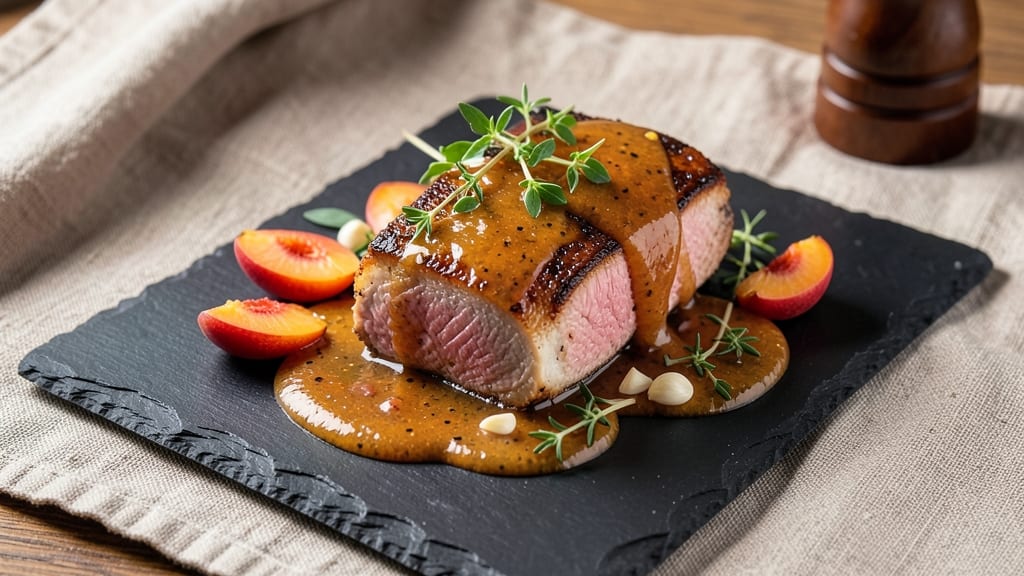
This apricot sauce recipe for pork transforms simple weeknight meals into restaurant-worthy dishes with just a few pantry staples. The secret lies in balancing sweet and tangy flavors through careful reduction—creating a glossy glaze that caramelizes beautifully on pork chops, ribs, or even roasted pork tenderloin.
I developed this sauce after years of perfecting glaze techniques for my pitmaster competitions, where that perfect balance between fruit sweetness and vinegar bite made all the difference.
The process is straightforward but precise: simmering apricots, sugar, and vinegar until the sauce thickens into a syrupy consistency that clings to meat without overwhelming its natural flavor. What makes this sauce truly special is how it enhances pork's smoky, savory notes while adding a touch of sophistication.
The key is patience—letting the sauce reduce slowly on the stove ensures a rich, concentrated flavor that's far more complex than store-bought versions.
By the time you're done, you'll have a glossy, amber-colored sauce that's perfect for basting during the last minutes of cooking or drizzling over finished pork.
The texture is velvety yet just thick enough to hold its shape, while the flavor profile delivers a perfect harmony of sweet, tart, and umami. This sauce elevates even the simplest pork cut into something memorable—ideal for dinner parties or impressing guests with minimal effort.
Once mastered, this apricot sauce becomes a versatile tool in your cooking arsenal. Use it to glaze pork chops for weeknight dinners, baste ribs for competition-worthy results, or drizzle over pulled pork sandwiches.
The beauty of this recipe lies in its adaptability—it works equally well with grilled, roasted, or slow-cooked pork. Let's create this game-changing sauce that will have everyone asking for seconds.
Ingredients for apricot sauce recipe for pork
Nine ingredients transform into a velvety glaze that caramelizes pork to perfection.
| Ingredient | Amount | Notes |
|---|---|---|
| Fresh Apricots, Pitted and Sliced 🍑 | 1 ½ cups | Peeled, sliced into 1/4-inch strips |
| Granulated Sugar 🍚 | ¾ cup | Light brown sugar for depth |
| Red Wine Vinegar 🍷 | ½ cup | Balsamic adds complexity if preferred |
| Unsalted Butter 🧈 | 2 tbsp | European-style preferred for flavor |
| Fresh Lemon Juice 🍋 | 2 tbsp | Brightens the sauce beautifully |
| Garlic Cloves 🧄 | 3 cloves | Minced, for aromatic depth |
| Ground Black Pepper 🌶️ | ½ tsp | Freshly cracked for heat |
| Salt 🧂 | ¼ tsp | Diamond Crystal preferred |
| Fresh Thyme Leaves 🌿 | 1 tbsp | Or 1 tsp dried thyme |
| Water 💧 | ½ cup | For thinning if needed |
The apricots are the heart of this sauce—look for ripe, vibrant ones at your local farmers market or Trader Joe's for the best flavor. I always buy extra because they're so versatile. For the vinegar, red wine vinegar gives that perfect tang, but balsamic adds a deeper richness if you're feeling fancy. The sugar should be light brown for that caramelized depth—Domino brand is my go-to. Fresh thyme is ideal, but dried works in a pinch at one-third the amount. Don't skip the butter—it's what gives that glossy finish and ties all the flavors together like magic.
No fresh apricots? Dried apricots soaked in warm water work perfectly—they'll soften and release that same sweet-tart punch. Running low on red wine vinegar? Apple cider vinegar or white wine vinegar will do in a bind, though the flavor profile shifts slightly. Want to cut costs? Substitute half the butter with olive oil—it won't be quite as glossy, but still delicious. The garlic is non-negotiable though—it's the aromatic backbone that makes this sauce sing. If you're making a big batch, double the thyme and garlic for that extra depth of flavor that pitmasters swear by.
This sauce keeps beautifully—1 week in the fridge sealed in a jar, or 6 months in the freezer if you make a big batch. I always portion it into small jars so I can grab one whenever pork cravings hit. For best results, reheat gently on the stove—just enough to warm through, not boil. The texture should remain silky, not thickened. Pro tip: brush this sauce on pork during the last 5-10 minutes of cooking for that perfect caramelized crust that makes everyone think you've been cooking for hours.
Why You'll Love This Recipe
- Sweet-Savory Magic: I’ll be real—this sauce is ridiculously good with pork because the caramelized apricots and tangy red wine vinegar cut through the richness like a bright summer breeze. The butter and lemon juice at the end? That’s the secret handshake that makes it taste like you slaved over it for hours.
- One-Pot Wonder: Honestly, I’m obsessed with how little effort this takes. Just toss those sliced apricots, sugar, and vinegar in a pan, simmer until it thickens, then finish with butter and lemon. No blender, no straining, no mess—just pure, sticky-sweet perfection that takes less time than waiting for takeout.
- Leftovers That Shine: Between us, this sauce begs to be made extra. The second batch? I drizzle it over grilled pork chops, toss it into rice, or even slather it on toast with crumbled feta. It’s my go-to for turning simple pork into something special without extra work.
- Budget Bright Spot: Fresh apricots might sound fancy, but they’re often cheaper than bottled sauces—and this recipe uses just a handful. The sugar and vinegar are pantry staples, and butter? Well, a little goes a long way. It’s the kind of splurge that doesn’t break the bank but still feels like a treat.
Step-by-step instructions for sweet-tangy apricot pork glaze
This sauce transforms simple pork into a showstopper with its perfect balance of caramelized sweetness and bright acidity.
Sauté Aromatics Until Fragrant
In a medium saucepan, melt the 2 tablespoons unsalted butter over medium heat until it foams. Add the 3 minced garlic cloves and cook for exactly 30 seconds until they release their aroma but don't brown—this prevents bitterness. Stir in the 1 tablespoon fresh thyme leaves and cook for another 10 seconds until the thyme becomes fragrant.
Here's the thing—don't walk away. Garlic burns faster than you think, and once it turns dark, you lose that delicate sweetness we want in this sauce. The butter should be bubbling gently but not browned—it should look pale gold, not amber. This aromatic base is the flavor foundation for everything that follows.
Simmer Apricots and Vinegar
Add the 1.5 cups fresh apricots, sliced into ¼-inch strips, to the pan. Pour in the 0.5 cup red wine vinegar and sprinkle with the 0.75 cup granulated sugar. Bring to a gentle simmer over medium-low heat, then reduce to the lowest setting that maintains a steady bubble—you want to see tiny, constant bubbles at the edges but not a rolling boil.
Simmer uncovered for 12-15 minutes, stirring occasionally, until the apricots soften and the liquid reduces by about 30%. You'll notice the sauce thickening slightly and developing a beautiful caramelized color at the edges. This is when the natural pectin in the apricots starts releasing, creating that perfect glaze consistency we're after.
Build Depth with Lemon and Spices
After the apricots have softened, stir in the 2 tablespoons fresh lemon juice, 0.5 teaspoon ground black pepper, and 0.25 teaspoon salt. The lemon brightens the flavors while cutting through the sweetness, and the pepper adds a subtle heat that balances everything. Let the mixture simmer for another 5 minutes to allow these flavors to meld completely.
Taste the sauce at this point—it should be sweet, tangy, and slightly spicy. If it needs more acidity, add another teaspoon of lemon juice. If it's too thick, add the 0.5 cup water 1 tablespoon at a time until it reaches a syrupy consistency that coats the back of a spoon. The sauce should be smooth enough to glaze pork beautifully but still have some body to it.
Finish with Butter for Richness
Remove the pan from heat and stir in the remaining 1 tablespoon unsalted butter. This final addition creates a velvety texture and adds a luxurious mouthfeel to the sauce. Let it cool slightly for 2-3 minutes while you prepare your pork—this resting time allows the flavors to fully develop and the sauce to thicken just a bit more.
I always strain this sauce through a fine-mesh sieve before serving to remove any apricot skins or thyme stems, ensuring a perfectly smooth finish. The result should be a glossy, amber-colored glaze that clings beautifully to pork chops or tenderloin. This sauce doesn't just complement pork—it elevates it to restaurant-quality status.
Pro Tips For Making Apricot Sauce Recipe For Pork
- Simmer Slow and Steady: Start with a medium-low heat—this isn’t a race. Apricots release their juices and sugars slowly, and rushing it turns the sauce into a thin, watery mess. I learned this the hard way when I cranked the heat and ended up with a glaze that couldn’t even coat a spoon.
- Slice Apricots Thin and Even: Uneven slices mean uneven cooking—some will turn mushy while others stay tough. Aim for ¼-inch thickness, and if your knife skills are rusty, freeze the apricots for 10 minutes first; they’ll slice cleaner. Trust me, your sauce will thank you.
- Balance the Vinegar First: Taste the raw vinegar before adding it to the pot. If you’re using a bold, aged red wine vinegar, cut it with a splash of water—it’ll mellow out the sharpness without diluting the sauce. I used to dump it in blindly and wonder why the sauce tasted harsh.
- Finish with Cold Butter: Add the butter at the very end, off the heat, and let it melt into the warm sauce. This keeps it glossy and rich without breaking the emulsion. (Yes, even if you’re impatient like me.) It’s the one step that makes the difference between a good sauce and a great one.
Wine and beer pairings for this apricot sauce recipe for pork
Red Wine Pairings
For this apricot glaze, I always reach for a Pinot Noir from Oregon’s Willamette Valley—its bright acidity and red fruit notes mirror the sauce’s sweet-tart balance perfectly. The 2021 Domaine Serene is my go-to, but any medium-bodied Pinot with 12-14% ABV works beautifully.
The wine’s earthy undertones complement the thyme and black pepper in the sauce, creating a harmonious finish. 🍷
If you prefer something bolder, a Grenache from the Rhône Valley adds a juicy raspberry depth that stands up to the caramelized apricots. Look for Château de Beaucastel’s Châteauneuf-du-Pape—its spice notes echo the black pepper in the sauce.
For a budget-friendly option, Louis Jadot’s Beaujolais offers a lighter, fruit-forward profile that still pairs wonderfully.
White Wine Options
Don’t overlook white wines—an off-dry Riesling from Germany’s Mosel region cuts through the sauce’s richness with its crisp acidity and honeyed apricot notes. Dr. Loosen’s Blue Slate is a personal favorite, as its mineral finish cleanses the palate between bites. The wine’s natural sweetness mirrors the glaze’s caramelization without competing.
For a citrus-forward option, try a Vermentino from Sardinia. Its bright lemon and almond notes enhance the sauce’s thyme and lemon juice components. Cantina Mesu’s Vermentino di Sardegna is a fantastic choice, offering a refreshing contrast to the pork’s richness. Chill the wine slightly before serving to highlight its freshness.
Beer Pairings
A Belgian Witbier like Stella Artois or Hoegaarden provides the perfect crisp, citrusy counterpoint to the sauce’s sweetness. The beer’s coriander and orange peel notes complement the lemon juice in the glaze, while its effervescence cuts through the richness. Serve it well-chilled to enhance its refreshing qualities. 🍺
For a malty option, a German Helles Lager such as Weihenstephaner Original offers a clean, slightly sweet profile that balances the sauce’s tang. The lager’s subtle caramel undertones harmonize with the apricot’s natural sweetness, creating a smooth pairing.
Avoid heavy stouts or IPAs—they’ll overpower the delicate flavors of both the pork and the sauce.
Non-Alcoholic Options
Craft a sparkling apricot spritzer by mixing ½ cup apricot nectar, ½ cup sparkling water, and a splash of lemon juice. Serve over ice with a cinnamon stick for garnish.
This drink mirrors the sauce’s sweet-tart profile while keeping it refreshing. For a herbal twist, infuse the sparkling water with fresh thyme leaves before mixing.
For a more robust option, try a ginger beer like Feather’s Original—its spicy kick complements the black pepper in the sauce. The ginger’s warmth also enhances the pork’s savory notes, creating a well-rounded pairing. Serve chilled to let the ginger’s sharpness shine through the sauce’s sweetness.
Nutrition facts
Frequently asked questions
Can I use dried apricots instead of fresh?
Soak ½ cup dried apricots in warm water for 15 minutes to soften, then drain before using. The flavor will be more concentrated, so reduce the sugar to ½ cup instead of ¾ cup. This works especially well if you're making a larger batch for ribs or pulled pork.
How do I adjust the sweetness for different pork cuts?
For lean cuts like pork chops, use the full recipe as written—the sauce's acidity balances the meat's tenderness. For richer cuts like ribs or pork belly, reduce the sugar to ½ cup and add 1 extra tablespoon of vinegar to prevent overwhelming the dish. The key is maintaining that sweet-tart harmony that makes this sauce shine.
What's the best way to store leftover sauce?
Transfer to an airtight container and refrigerate for up to 1 week. For longer storage, freeze in 1-tablespoon portions—perfect for quick glaze touches. When reheating, warm gently on the stove with 1 teaspoon water to restore its silky texture. Never microwave directly from frozen to preserve quality.
Can I make this sauce ahead of time?
Yes! This sauce actually tastes better the next day as flavors meld. Make it 1-2 days ahead and store in the fridge. Reheat gently on low heat, adding 1 tablespoon water if it thickens too much. The reduced sugars will caramelize further, deepening the flavor. Pro tip: Let it cool completely before storing to prevent skin formation.
What if my sauce is too thick or too thin?
For thick sauce, thin with 1 tablespoon water at a time while stirring constantly. For thin sauce, simmer uncovered for 3-5 extra minutes to reduce. The ideal consistency should coat the back of a spoon but still drip slowly. Remember, the sauce will thicken slightly as it cools, so aim for a slightly thinner consistency when hot.