
Sauces & Condiments
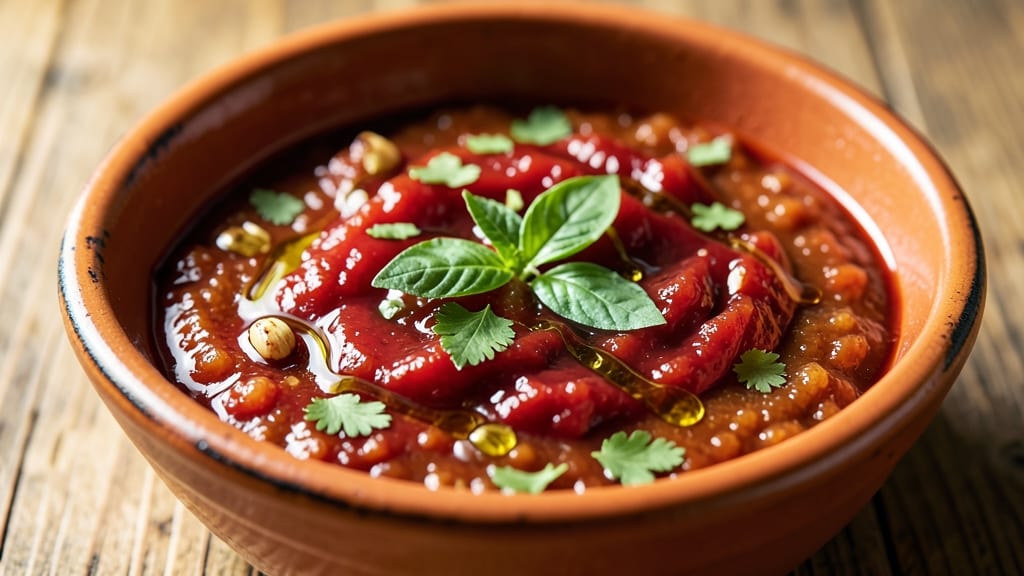
This marinara sauce recipe with red wine transforms simple ingredients into a restaurant-worthy sauce with deep, complex flavors in just 30 minutes.
The red wine adds a sophisticated umami richness that elevates basic tomato sauce to something extraordinary—something I perfected after years of testing different techniques in my own kitchen. It’s the kind of sauce that makes homemade pasta feel like a five-star meal.
The secret lies in balancing acidity and depth: red wine reduces to concentrate its flavor, while fresh herbs and garlic add brightness. Unlike store-bought versions, this sauce builds layers of taste as it simmers, creating a velvety texture that clings perfectly to noodles or meatballs.
I’ve refined this recipe to avoid bitterness while maximizing umami, making it approachable for home cooks but impressive enough for dinner guests.
What you’ll end up with is a glossy, aromatic sauce with a perfect balance of tangy, sweet, and savory notes—ideal for drizzling over pasta, topping pizza, or pairing with grilled proteins.
The red wine infusion gives it a depth you won’t find in traditional marinara, while the slow reduction ensures a smooth, velvety finish. This isn’t just a sauce; it’s a flavor experience that turns simple meals into something special.
Best of all, it keeps well in the fridge for up to a week, so you can make a big batch and use it all week. The ingredients are simple—tomatoes, wine, herbs, and garlic—but the result is anything but basic. Let’s get cooking!
Ingredients for marinara sauce recipe with red wine
Simple ingredients with bold flavors—this sauce transforms ordinary meals into extraordinary ones.
| Ingredient | Amount | Notes |
|---|---|---|
| Extra-Virgin Olive Oil 🫒 | ½ cup | High-quality, fruity variety |
| Dry Red Wine 🍷 | 1 cup | Bold Cabernet Sauvignon or Merlot |
| San Marzano Crushed Tomatoes 🍅 | 28 oz | High-quality canned tomatoes |
| Garlic Cloves 🧄 | 4 cloves | Freshly minced for maximum flavor |
| Fresh Basil Leaves 🌿 | ½ cup | Packed, stems removed |
| Fresh Parsley Leaves 🌿 | ¼ cup | Chopped for brightness |
| Tomato Paste 🍅 | 2 tbsp | Squeeze tube preferred |
| Diamond Crystal Kosher Salt 🧂 | 1 ½ tsp | Adjust to taste |
| Freshly Ground Black Pepper 🌶️ | ½ tsp | Freshly cracked |
| Red Wine Vinegar 🍶 | 1 tbsp | For acidity balance |
The red wine is non-negotiable here—Cabernet Sauvignon or Merlot work best, but whatever bold dry red you have open will do. San Marzano tomatoes are worth the splurge for their sweetness and low acidity, but any high-quality canned tomatoes will work. Fresh basil and parsley should be bright green and fragrant—if they smell musty, skip them. For the olive oil, California avocado or Italian extra-virgin brands add the best fruity depth. The tomato paste from a squeeze tube avoids waste and lasts months in the pantry.
No red wine? Beef broth with a splash of balsamic vinegar mimics the umami depth (use 1 cup broth + 1 tbsp balsamic). Fresh herbs wilt fast—dried basil at one-third the amount works in a pinch, but nothing beats fresh. The garlic can be roasted for a sweeter flavor (wrap whole cloves in foil, bake at 400°F for 10 minutes). For extra richness, stir in 1 tbsp nutritional yeast after cooking. The vinegar is crucial—skip it and the sauce will taste flat.
This sauce tastes even better the next day as flavors meld. Store in an airtight container in the fridge for up to 7 days, or freeze for 3 months in ice cube trays for single-use portions. To reheat, warm gently on the stove with a splash of water or wine. Double the batch—it disappears faster than you'd think, especially when paired with homemade pasta or grilled meats.
Why You'll Love This Recipe
- No Chopping Nightmare: I swear by this sauce because it’s the only marinara I make that doesn’t require dicing garlic or chopping basil into oblivion. Just smash a few cloves, tear the leaves, and let the red wine do the work—minimal effort, maximum flavor.
- Wine-Infused Magic: That first sip of red wine simmering into the sauce? It’s like a little flavor bomb—deep, bright, and just a touch velvety. The San Marzano tomatoes round it out, so you get none of that cloying sweetness, just pure, restaurant-quality depth.
- Weeknight to Dinner Party: Between us, this sauce is my lazy Tuesday and my fancy Friday. Toss it with pasta for a quick meal, or use it as a base for grilled chicken or wood-fired pizza—it’s the one sauce that never lets me down, no matter the occasion.
- Pantry Goldmine: A bottle of red wine and a can of tomatoes? That’s it. No specialty ingredients, no last-minute grocery runs. And the best part? It tastes even better the next day—so I always make extra, freeze it, and pretend I’m some kind of culinary genius when I pull it out later.
Step-by-step instructions for rich red wine marinara sauce
This sauce delivers restaurant-quality depth with just a few key techniques.
Bloom the Tomato Paste for Maximum Flavor
Heat the 0.5 cup extra-virgin olive oil in a heavy-bottomed saucepan over medium heat until shimmering but not smoking. Add the 2 tablespoons tomato paste and stir continuously for 3-4 minutes until it turns a deep caramel color. This step develops the sauce's foundational umami—don't rush it, or you'll miss out on that concentrated tomato flavor.
The paste should coat the back of a spoon and smell intensely sweet and earthy. If you notice any bubbles forming, immediately reduce the heat to medium-low to prevent burning. This is where the magic begins, so keep your attention on the pan.
Deglaze with Red Wine and Reduce
Pour in the 1 cup dry red wine and scrape up any browned bits from the bottom of the pan with a wooden spoon. This deglazing step captures all the flavor you've built so far. Let the wine simmer for 5-6 minutes until reduced by half, stirring occasionally. You'll see the alcohol burn off and the wine transform into a rich, syrupy liquid.
Here's where the sauce starts to develop its complexity. The wine's acidity will brighten the tomato flavor, while its tannins add subtle depth. If you notice the sauce reducing too quickly, lower the heat slightly to medium-low and let it work gently. Patience is key—this isn't a race.
Build the Sauce with Tomatoes and Aromatics
Add the 28 ounces San Marzano crushed tomatoes, 1.5 teaspoons Diamond Crystal kosher salt, and 0.5 teaspoon freshly ground black pepper. Stir well to combine, then bring the mixture to a gentle simmer. Partially cover the pan and let it cook for 15 minutes, stirring occasionally to prevent skin from forming on top.
After 10 minutes, add the 4 minced garlic cloves and cook for another 5 minutes until fragrant. The garlic should infuse the sauce with its sweet, aromatic essence without burning. If you notice any greenish hues or bitter smells, remove the pan from heat immediately—garlic burns quickly and turns bitter.
Finish with Herbs and Vinegar
Remove the pan from heat and stir in the 0.5 cup fresh basil leaves, 0.25 cup fresh parsley leaves, and 1 tablespoon red wine vinegar. Let the sauce sit off the heat for 5 minutes to allow the herbs to steep and infuse their bright, fresh flavors. This resting period also lets the sauce thicken slightly and develop its final texture.
For the best results, I recommend blending the sauce briefly with an immersion blender to achieve a silky consistency. If you prefer a rustic texture, simply stir well and leave it chunky. The vinegar adds a bright acidity that cuts through the richness of the tomatoes and wine, balancing the flavors perfectly.
Adjust and Serve
Taste the sauce and adjust the seasoning if needed. You might need a touch more salt or a splash of water to reach your desired consistency. The sauce should coat the back of a spoon but still be fluid enough to cling to pasta or drizzle over dishes.
This marinara sauce is best served immediately, but it will keep in the refrigerator for up to 5 days or in the freezer for 3 months. The flavors continue to develop over time, making it even more complex with each passing day. Serve it over al dente pasta, with grilled meats, or as a dipping sauce for crusty bread.
Pro Tips For Making Marinara Sauce Recipe With Red Wine
- Simmer Slowly After Wine: Start the sauce on medium-high to evaporate the wine’s alcohol, but once it’s mostly gone, drop to a gentle simmer—no rolling boil. I used to rush this, and the sauce would taste sharp and unfinished. Let it bubble softly for at least 20 minutes; the wine’s acidity mellows out only when it’s patiently reduced.
- Toast Garlic in Oil: Heat the olive oil until shimmering (but not smoking), then add the garlic cloves whole and let them sizzle until their edges turn golden—not brown. Chopping them raw is fine, but toasted garlic adds a nutty depth that cuts through the wine’s tannins. (Yes, even if you’re impatient like me.)
- Salt the Tomatoes First: Break open the San Marzano cans and sprinkle them with ½ teaspoon salt per can before stirring. The acidity in the tomatoes will mellow slightly while you prep the rest, and the sauce won’t taste flat later. I learned this the hard way—skipping it left my sauce needing more salt at the end, which overpowers the basil.
- Deglaze with Wine, Then Scrape: Pour the red wine into the pot immediately after removing the garlic (while the pan is still hot), and let it bubble for 30 seconds before scraping up those browned bits with a wooden spoon. Those bits are flavor bombs—ignore them, and your sauce will taste thin and one-dimensional. (Your future self will thank you.)
Pro cooking tips for this dish
Pan Selection Matters
Use a heavy-bottomed saucepan—I swear by my All-Clad stainless steel—to prevent scorching while building deep flavors. The even heat distribution is crucial for reducing the wine properly without burning the tomato paste.
If you don’t have one, a deep, thick skillet works in a pinch. Avoid nonstick pans—they don’t conduct heat well enough for this sauce’s slow development. 🌡️
Wine Reduction Technique
The key to wine-infused depth is reducing the 1 cup dry red wine by half—this concentrates its flavor and removes alcohol’s sharpness. After deglazing, simmer uncovered over medium-low heat and stir constantly.
If the sauce reduces too quickly, lower the heat immediately to avoid overcooking the tomatoes. I’ve ruined sauces this way more times than I’d admit!
Herb Timing Is Critical
Add fresh basil and parsley only at the very end, after removing the pan from heat. These herbs wilt instantly in hot sauce, losing their bright, fresh flavors. Let them steep for 5 minutes off the heat—they’ll infuse without turning bitter.
For extra aroma, I sometimes add a few whole basil leaves during cooking, then remove them before serving. 🌿
Texture Control Secrets
For a silky-smooth sauce, blend briefly with an immersion blender after cooking. For rustic chunks, stir vigorously with a wooden spoon. If the sauce thickens too much, add 1-2 tablespoons water or wine to loosen it.
I’ve found that simmering uncovered for the last 5 minutes helps evaporate excess moisture naturally. 💫
Salt Gradually for Balance
Add the 1.5 teaspoons kosher salt early in cooking, but taste frequently afterward. The wine and tomatoes contain hidden saltiness, so you might need less than you expect. I often add salt in three stages: first with the tomatoes, then after reducing the wine, and finally at the end.
Adjust to taste—this sauce should be rich but not salty. 🧂
Make-Ahead Pro Tips
This sauce tastes even better the next day as flavors meld. Store in an airtight glass container in the fridge for up to 7 days. For freezing, portion into ice cube trays—thaw individual cubes as needed for pasta or pizza.
When reheating, warm gently on the stove with a splash of water or wine to restore silky texture. I double the batch every time because it disappears too fast! ❄️
Nutrition facts
Frequently asked questions
Can I substitute white wine for red in this marinara?
While you can technically use white wine, it won't deliver the same rich, umami depth. The tannins in red wine add complexity that white lacks. For a similar effect, use 1 cup beef broth + 1 tablespoon balsamic vinegar instead. The acidity will still brighten the tomatoes, though the flavor profile will differ slightly.
How do I prevent the sauce from tasting bitter?
Bitter flavors usually come from overcooked garlic or reduced wine. Add garlic only after the tomatoes have simmered for 10 minutes, and remove the pan immediately if you see greenish hues. For the wine, reduce it by half but don't let it boil dry—stop when it reaches a syrupy consistency. A splash of red wine vinegar at the end also helps balance any bitterness.
What's the best way to store leftover sauce?
Transfer to an airtight glass container and refrigerate for up to 7 days. For longer storage, freeze in ice cube trays—thaw individual cubes as needed. When reheating, warm gently on the stove with a splash of water or wine to restore smoothness. The flavors actually improve overnight as ingredients meld!
Can I make this sauce in a slow cooker?
Yes, but with adjustments! Sauté the tomato paste and garlic first, then transfer everything to the slow cooker. Cook on low for 4-5 hours, stirring occasionally. The wine will reduce naturally, but you may need to add 1-2 tablespoons water if it gets too thick. The slow cooking enhances the wine's flavor but requires more attention to prevent over-reduction.
Why does my sauce look thin after cooking?
This is normal—simmering uncovered for the last 5 minutes helps evaporate excess moisture naturally. If it's too thin, reduce uncovered over medium-low heat for another 10 minutes. For a thicker sauce, blend briefly with an immersion blender or add 1 tablespoon tomato paste while cooking. The final consistency should coat the back of a spoon but still be pourable.