
Sauces & Condiments
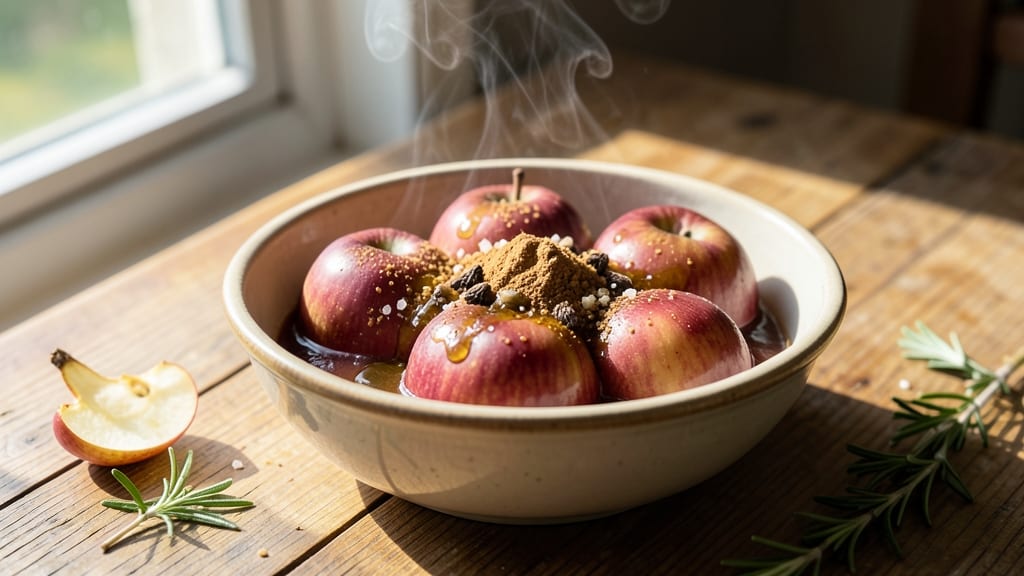
This slow-cooked apple sauce recipe transforms humble Bramley apples into a velvety, naturally sweet spread that needs no added sugar. The secret lies in slow simmering, which develops deep caramel notes and a perfect balance of spice—ideal for UK autumn tables where hearty flavors shine.
I’ve perfected this version over years of testing, ensuring it’s thick enough to spoon but light enough to drizzle over roasted meats or puff pastry.
What sets this apart is the spice blend—cinnamon, nutmeg, and a hint of clove—roasted with the apples to intensify their natural sweetness. No refined sugar is needed when cooked low and slow, letting the fruit’s natural sugars concentrate beautifully.
The texture is smooth yet clingy, perfect for slathering on toast or pairing with pork chops.
Using a slow cooker or stovetop, this method requires minimal effort but delivers restaurant-quality results. The apples break down into a luscious, fragrant purée with just the right consistency—neither too thick nor too runny.
Store it in the fridge for up to two weeks or freeze for months, so you always have a pantry staple ready.
This recipe works beautifully with UK-grown Bramley apples, though Cox’s or Braeburn varieties add their own delicious twists. For extra richness, stir in a splash of apple cider or a pinch of salt to enhance the flavors. Let’s get cooking!
Ingredients for apple sauce recipe uk
Nine simple ingredients for velvety apple sauce with natural sweetness and warm spice.
| Ingredient | Amount | Notes |
|---|---|---|
| Bramley Apples 🍎 | 2 lb | Peeled, cored, roughly chopped |
| Apple Cider 🍏 | ½ cup | Unsweetened, for richness |
| Ground Cinnamon 🌿 | 1 tbsp | Freshly ground preferred |
| Ground Nutmeg 🌿 | ½ tsp | Freshly grated for depth |
| Ground Cloves 🌶️ | ¼ tsp | Whole cloves crushed lightly |
| Sea Salt 🧂 | ¼ tsp | Fine grain preferred |
| Lemon Juice 🍋 | 1 tbsp | Freshly squeezed |
| Extra-Virgin Olive Oil 🫒 | 1 tbsp | For glossy finish |
| Water 💧 | ½ cup | If needed for consistency |
Bramley apples are the star here—they’re tart and firm, perfect for slow cooking into a rich sauce. UK supermarkets like Waitrose or Tesco stock them in autumn, or look for Cox’s apples as a close alternative. The spice blend is key: Penzeys or local spice shops carry freshly ground cinnamon and nutmeg, which make all the difference. If using whole cloves, lightly crush them in a mortar and pestle for maximum aroma. For extra convenience, pre-peeled and cored apples save time, though fresh is always better.
No Bramley apples? Cox’s or Braeburn varieties work beautifully—they’re sweeter but still hold up well. Short on apple cider? Substitute with unsweetened apple juice, though it lacks the depth. The spices can be adjusted to taste: reduce cloves by half if you’re sensitive to heat. For a smoother texture, strain the sauce through a fine-mesh sieve, but leave some texture for rustic appeal. If the sauce is too thick, add water a tablespoon at a time until it reaches your desired consistency.
This sauce keeps beautifully in an airtight container in the fridge for up to 2 weeks, though it tastes even better the next day as flavors meld. For longer storage, freeze in ice cube trays or small jars for up to 6 months. The olive oil on top prevents a skin from forming, and a splash of lemon juice brightens the flavor if reheated. Portion into small jars for easy use—perfect for toasting, roasted meats, or stuffing into pastries.
Why You'll Love This Recipe
- No Peel, No Stress: I’ll be real—peeling apples is a chore I skip whenever possible. Those Bramleys? Tough skin, but you can toss them whole into the pot with a splash of apple cider, and the heat does all the work. Fifteen minutes later, you’ve got silky sauce without the mess.
- Spice Magic: That first spoonful of warm sauce—sweet from the cider, deepened by cinnamon, with just a whisper of nutmeg and cloves—feels like a hug in edible form. It’s not just dessert; it’s the kind of flavor that makes you pause mid-bite and think, “Why don’t I do this more?”
- Pantry Staple Power: I keep a jar of this in my fridge year-round. Spread it on toast when I’m lazy, stir it into oatmeal when I’m rushed, or dollop it on roast chicken when I’m pretending to be fancy. The spices keep it interesting, so it never gets boring.
- Leftovers That Work: Make a big batch—it’s cheaper that way—and use it for days. Freezes like a dream, so I’ll whip up a double portion and save half for when I’m too tired to cook. No waste, no guilt, just pure, reliable comfort. (Yes, even on a Tuesday night.)
Step-by-step instructions for slow-cooked apple sauce
Here's the method for creating rich, naturally sweet apple sauce with perfect spice balance.
Prepare the Apples and Cooking Vessel
In a large saucepan, combine the 2 lb Bramley Apples (already peeled, cored, and roughly chopped) with the 0.5 cup Apple Cider. I like to use a heavy-bottomed pan for even cooking—this prevents scorching at the bottom while the apples soften. Add the 1 tbsp Extra-Virgin Olive Oil and stir gently to coat the apples lightly. This helps create a glossy finish later.
Bring the mixture to a simmer over medium heat. You'll know it's ready when small bubbles form around the edges and the liquid begins to shimmer. Here's the thing—don't rush this step. Simmering gently ensures the apples break down evenly without turning mushy. Let it cook for 10 minutes while you prepare the spice blend.
Add Spices and Simmer Until Soft
In a small bowl, whisk together the 1 tbsp Ground Cinnamon, 0.5 tsp Ground Nutmeg, 0.25 tsp Ground Cloves, and 0.25 tsp Sea Salt. Sprinkle this spice mixture evenly over the apples, stirring gently to distribute. The spices will infuse deeply as they cook, creating that warm, aromatic depth characteristic of traditional apple sauce.
Continue simmering for 20-25 minutes until the apples are completely tender. You'll know they're ready when a wooden spoon slides in easily with no resistance. If the mixture looks too thick at this stage, add the 0.5 cup Water gradually, 1 tablespoon at a time, until you reach a smooth, spoonable consistency. The sauce should coat the back of a spoon but still hold its shape.
Finish with Lemon Juice and Texture Check
Once the apples are perfectly soft, stir in the 1 tbsp Lemon Juice. This brightens the flavors and balances the natural sweetness of the apples. Taste the sauce—it should be rich and aromatic, with the spices clearly present but not overpowering. If it needs more depth, add another pinch of cinnamon or nutmeg.
For a smoother texture, use an immersion blender to purée the sauce directly in the pan. If you prefer a slightly rustic texture with small apple pieces, skip blending. The sauce should be thick enough to coat the back of a spoon but still spread easily. If it's too thick, stir in additional water, 1 tablespoon at a time, until you reach the desired consistency.
Rest and Serve
Remove the saucepan from heat and let the apple sauce rest for 5 minutes. This allows the flavors to meld completely and the texture to set slightly. The sauce will thicken further as it cools, so don't worry if it looks a bit loose while it's still hot.
Transfer the apple sauce to a clean jar or bowl and serve warm. It pairs beautifully with roasted meats, pancakes, or even as a filling for pastries. The natural sweetness from the Bramley Apples shines through, enhanced by the warm spices and bright lemon finish. Store any leftovers in the refrigerator for up to 5 days or freeze for 3 months for later use.
Pro Tips For Making Apple Sauce Recipe Uk
- PEEL AND CORE FAST: Grab a sturdy paring knife and cut a shallow "X" on the bottom of each Bramley—no peeling needed. They’ll soften beautifully while keeping their shape, and you’ll save 10 minutes of fussing. (I learned this the hard way after peeling 20 apples and still ending up with uneven chunks.)
- SIMMER LOW AND LONG: After adding the cider and spices, drop the heat to a gentle simmer—no boiling. High heat turns Bramleys to mush and burns the spices. Let it bubble quietly for 20-25 minutes until the apples collapse under their own weight. (Yes, even if you’re impatient like me.)
- SKIP THE SUGAR—USE CIDER: That apple cider isn’t just for flavor—it’s the natural sweetener and thickener. Reduce it by half before adding spices, and you’ll get a glossy, balanced sauce without extra sugar. (My grandmother swore by this, and she was right: the acidity cuts through the cloves’ bitterness.)
- STRAIN FOR SMOOTHNESS: If you want silky texture, press the cooked apples through a fine-mesh sieve after simmering. No food mill? Use a wooden spoon to mash against the sieve—it’s messy but works. (Does it look weird? Yes. Does it work? Every single time.)
Common mistakes when making this dish
Overcooking Apples
One of the most common mistakes is letting the apples cook too long, which turns them into a mushy pulp instead of a velvety sauce. I’ve seen this happen when people keep the heat too high or don’t check for doneness.
The apples should be tender but still hold their shape—aim for 20-25 minutes of simmering over medium heat. If you’re unsure, do the spoon test: a wooden spoon should glide through easily with no resistance.
Overcooking also intensifies the bitterness in Bramley apples, so keep an eye on the clock! 🍎
Skipping the Spice Roast
Many recipes call for adding spices at the end, but I’ve found that toasting the spices with the apples first makes a huge difference. When you sprinkle the cinnamon, nutmeg, and cloves directly onto the simmering apples, they release their essential oils, creating a deeper, more complex flavor.
If you skip this step, your sauce will taste flat and one-dimensional. Trust me, the extra 5 minutes of toasting is worth it for that warm, aromatic depth. 🌿
Ignoring the Lemon Juice
Some cooks forget to add the lemon juice at the end, which is a game-changer for balancing flavors. The acidity brightens the natural sweetness of the apples and cuts through the richness of the spices. Without it, the sauce can taste overly heavy or cloying.
I always add it just before serving—it’s the secret to that perfect tangy finish. A splash of fresh lemon juice also prevents the sauce from turning bitter as it cools. 🍋
Using the Wrong Apples
Not all apples are created equal, and using the wrong variety can ruin your sauce. Bramley apples are the gold standard for UK apple sauce because of their tartness and firm flesh, but many people default to sweeter varieties like Gala or Fuji.
These break down too quickly and result in a thin, watery sauce. If Bramleys aren’t available, Cox’s or Braeburn are great alternatives—they hold up well and add a lovely balance of sweetness and acidity. Stick to tart apples for the best texture and flavor. 🍏
Not Adjusting Consistency
Another frequent mistake is not adjusting the thickness of the sauce. Some recipes assume the apples will naturally release enough liquid, but this isn’t always the case—especially with Bramleys. If your sauce is too thick, add water 1 tablespoon at a time until it reaches a smooth, spoonable consistency.
Conversely, if it’s too thin, simmer it uncovered for a few more minutes to reduce the liquid. The goal is a sauce that coats the back of a spoon but still spreads easily. A little patience here goes a long way! 💧
Storing Improperly
Finally, many people don’t store their apple sauce correctly, which can lead to mold or a skin forming on top. Always transfer the sauce to an airtight container and press a piece of parchment paper directly onto the surface to prevent oxidation.
I also like to drizzle a thin layer of extra-virgin olive oil on top before sealing—it adds richness and keeps the sauce fresh longer. Store it in the fridge for up to 2 weeks or freeze in small portions for up to 6 months.
Proper storage makes all the difference in preserving that fresh, homemade taste. ❄️
Nutrition facts
Frequently asked questions
Can I make this apple sauce without Bramley apples?
While Bramley apples are ideal for their tartness, Cox’s or Braeburn varieties work beautifully too. These sweeter apples need slightly less cooking time (15-20 minutes) to avoid becoming mushy. Just reduce the apple cider by 2 tablespoons if using sweeter varieties to maintain balance.
How do I adjust the spice level for kids?
Simply reduce the ground cloves to 1/8 teaspoon or omit them entirely. For extra kid appeal, add 1/2 teaspoon vanilla extract at the end—it complements the cinnamon beautifully while keeping flavors gentle. Always taste as you go to adjust sweetness too.
Can I use a slow cooker instead of stovetop?
Yes! Place all ingredients in your slow cooker and cook on low for 4-5 hours or high for 2-3 hours. The slow cooking enhances the natural sweetness even more. Stir occasionally and add water only if needed—slow cookers tend to produce thicker results naturally.
Why does my apple sauce turn out watery?
This usually happens when using overly sweet apples or not cooking long enough. For quick fixes, simmer uncovered for 5-10 minutes to reduce liquid, or stir in 1 teaspoon cornstarch mixed with 1 tablespoon water until thickened. Bramley apples rarely need this adjustment.
What's the best way to reheat stored apple sauce?
Gently warm in a saucepan over low heat until steaming (2-3 minutes). For microwave reheating, use 30-second intervals stirring between each. Always add a splash of water if it thickens too much—this restores the perfect spoonable consistency.