
Sauces & Condiments
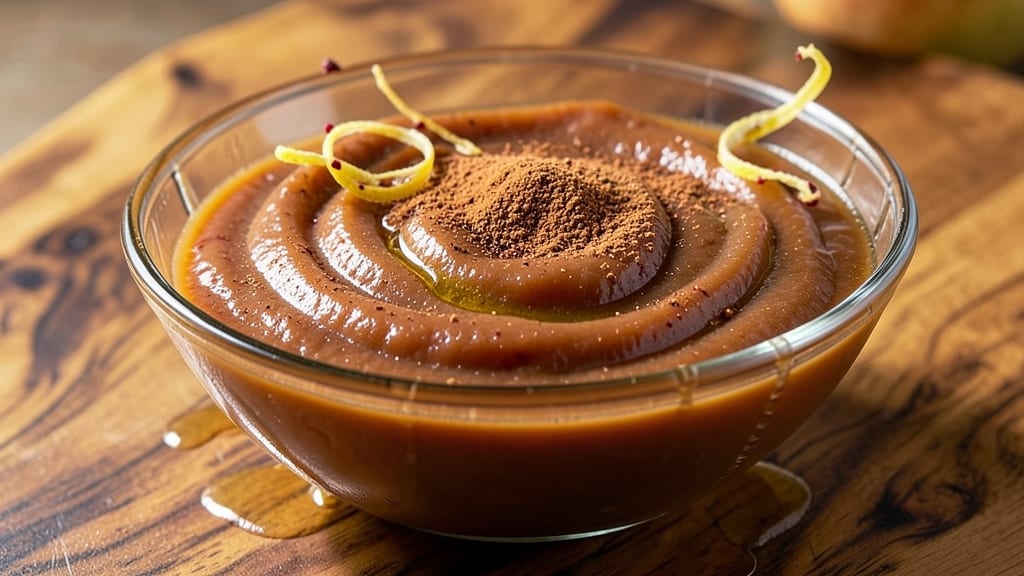
This applesauce recipe with apple cider vinegar transforms ordinary applesauce into a vibrant, tangy condiment that brightens everything from roasted pork to yogurt bowls. The vinegar’s sharpness cuts through sweetness, creating a balanced sauce with depth that store-bought versions can’t match.
I developed this after craving a sauce that could stand up to rich dishes—no added sugar, just natural tartness and smooth texture.
The secret lies in the ratio: 1 part apple cider vinegar to 3 parts applesauce, simmered just until the flavors meld. This isn’t your grandmother’s sauce—it’s a modern twist that pairs perfectly with grilled meats, cheese boards, or even drizzled over pancakes.
The vinegar also acts as a natural preservative, keeping the sauce fresh for weeks in the fridge.
What you’ll end up with is a smooth, glossy sauce with a bright acidity that elevates any dish. It’s versatile enough for dipping, drizzling, or baking, yet simple enough to make in under 10 minutes.
The vinegar’s tang enhances sweetness without overpowering, making it a game-changer for both savory and sweet applications.
Use it as a glaze for roasted vegetables, a tangy dip for pretzels, or a dressing for salads. The possibilities are endless, and the process is foolproof—just apples, vinegar, and a little patience. Let’s make this flavorful sauce that turns ordinary meals into something extraordinary.
Ingredients for applesauce recipe with apple cider vinegar
Nine simple ingredients transform basic applesauce into a vibrant, tangy condiment that elevates every dish it touches.
| Ingredient | Amount | Notes |
|---|---|---|
| Unsweetened Applesauce 🍎 | 3 cups | Smooth texture preferred |
| Apple Cider Vinegar 🍏 | 1 cup | Raw, unfiltered preferred |
| Granulated Sugar 🍚 | ¼ cup | Optional, omit for vegan |
| Fresh Lemon Juice 🍋 | 2 tbsp | Brightens flavor further |
| Ground Cinnamon 🌿 | ½ tsp | Warmth without overpowering |
| Vanilla Extract 🌸 | 1 tsp | Pure alcohol-free preferred |
| Sea Salt 🧂 | ¼ tsp | Fine grain for balance |
| Ground Ginger 🌿 | ¼ tsp | Freshly ground preferred |
| Pure Maple Syrup 🍁 | 1 tbsp | Replaces sugar naturally |
The applesauce is the foundation, so choose unsweetened for full control over sweetness. Trader Joe's and Whole Foods carry excellent options, but any smooth, store-bought brand works. Apple cider vinegar should be raw and unfiltered—Bragg or Brambleberry are my go-tos, but even basic grocery store brands add that bright tang. Fresh lemon juice is non-negotiable for that extra zing, though if you're in a pinch, bottled works (just check for additives). The cinnamon and ginger are what turn this from ordinary to extraordinary—Penzeys spices have the best quality, but bulk bins at natural markets are a budget-friendly alternative.
No maple syrup? Agave nectar or date syrup works just as well for natural sweetness. Skip the sugar entirely if you're avoiding it, but the maple adds depth that's hard to replicate. Freshly ground spices make all the difference—if you've got whole spices, toast them first for extra flavor punch. The vanilla extract should be pure, alcohol-free if possible, but regular works too. For a quicker version, vanilla bean paste adds flecks of vanilla that look stunning drizzled on top. This sauce is so versatile you can adjust the tang-to-sweet ratio to your taste—more vinegar for heat lovers, more maple for sweet tooths.
This sauce keeps beautifully in the fridge for up to 3 weeks thanks to the vinegar's natural preservation. Store it in a sealed jar with a thin layer of oil on top to maintain that glossy finish. For longer storage, freeze in ice cube trays—perfect for single-serving applications like drizzling over yogurt or roasted veggies. The flavors actually improve over time as everything melds together, so make a big batch and enjoy it all week. It reheats perfectly in the microwave or stovetop, though I often eat it cold straight from the fridge.
Why You'll Love This Recipe
- Five-Ingredient Magic: I swear by this combo—just applesauce, vinegar, a splash of lemon, and cinnamon. No peeling, no chopping, no mess. Honestly, it’s the kind of recipe that makes me feel like I did something, even when I didn’t.
- Tangy-Sweet Balance: That apple cider vinegar? It’s the secret weapon—cuts through the sweetness just enough to make it ridiculously good. Add a pinch of cinnamon, and suddenly it’s cozy enough for breakfast but bright enough for dessert.
- Pantry Staple Flex: Between us, this is my go-to when I’m out of ideas. Drizzle it over oatmeal, mix it into yogurt, or even use it as a glaze for roasted chicken. (Yes, even on a Tuesday night.)
- Makes Leftovers Worth It: One batch lasts me days—I stash it in jars for quick smoothies or dollop it on toast when I’m too tired to cook. And because it’s just applesauce and vinegar, it’s cheap enough to not stress if I make too much.
Step-by-step instructions for homemade apple cider vinegar applesauce
This bright, tangy applesauce transforms ordinary sauce into something extraordinary with just a few simple steps.
Combine the Base Ingredients
In a medium saucepan, pour in the 3 cups unsweetened applesauce and the 1 cup apple cider vinegar. The vinegar will add that signature tang that makes this sauce so special. Stir gently to mix them together—you want the vinegar to distribute evenly throughout the applesauce without creating any lumps.
Place the saucepan over medium-low heat and let it warm through for 3-4 minutes. You're not looking to cook it yet—just to gently integrate the flavors. The heat will help the vinegar's acidity mingle with the sweetness of the applesauce, creating a balanced foundation. Keep an eye on the pan to prevent any hot spots that could cause the applesauce to scorch.
Sweeten and Season Thoughtfully
Once the mixture is warm, reduce the heat to low and add the 0.25 cup granulated sugar (if using), 1 tbsp pure maple syrup, 2 tbsp fresh lemon juice, 0.5 tsp ground cinnamon, 0.25 tsp ground ginger, and 0.25 tsp sea salt. The sugar and maple syrup will enhance the natural sweetness, while the lemon juice and spices add depth and complexity.
Stir continuously for 1-2 minutes until the sugar and maple syrup dissolve completely. You'll notice the mixture becomes slightly thicker as the ingredients meld together. The lemon juice will brighten the flavor, and the cinnamon and ginger will add warmth without overpowering the apple's natural taste. The sea salt will tie everything together, balancing the sweet and tangy elements.
Infuse with Vanilla and Simmer
Remove the saucepan from the heat and stir in the 1 tsp vanilla extract. The vanilla adds a subtle richness that complements the bright acidity of the vinegar and lemon. Let the mixture sit for 1 minute to allow the vanilla to infuse fully.
Return the saucepan to low heat and let it simmer gently for 5-7 minutes. You're not looking for a dramatic reduction here—just enough time for the flavors to meld together. Stir occasionally to prevent sticking. The sauce should be smooth and glossy, with a beautiful balance of sweet, tangy, and spiced notes. If it thickens too much, you can add a splash of water or apple cider to adjust the consistency.
Adjust and Serve
Taste the sauce and adjust the seasoning if needed. You might want to add a touch more lemon juice for brightness, a pinch of cinnamon for warmth, or a hint of sugar to balance the acidity. The goal is to achieve a harmonious blend where the tang of the vinegar and lemon shine, but the sweetness and spices remain prominent.
Remove the saucepan from heat and let the sauce cool slightly before serving. This applesauce is incredibly versatile—use it as a topping for oatmeal, yogurt, or cheesecake, or drizzle it over roasted meats and vegetables. The bright tang elevates any dish it touches, making it a standout addition to your culinary repertoire. Store any leftovers in an airtight container in the refrigerator for up to 5 days.
Pro Tips For Making Applesauce Recipe With Apple Cider Vinegar
- Warm the Vinegar First: Pour that apple cider vinegar into a small saucepan and heat it gently for 30 seconds before mixing—just until it’s barely warm to the touch. Cold vinegar hits the applesauce like a shock, making the flavors clash instead of melding. I learned this after tasting a batch where the tang tasted harsh instead of bright.
- Use Real Lemon Juice: Skip the bottled stuff—fresh lemon juice adds a sharpness that bottled can’t match, especially when paired with vinegar. Even a splash (about 1 tablespoon) cuts through the sweetness and makes the cinnamon sing. I was skeptical until I tried it; now I never go back.
- Simmer, Don’t Boil: Keep the heat low enough that tiny bubbles just break the surface—no violent rolling. Boiling turns the applesauce grainy and dulls the vinegar’s tang. After burning the first batch, I cracked the lid and let it breathe at a lazy simmer. The texture stayed smooth, and the flavors balanced perfectly.
- Toast the Cinnamon: Dry-toast the cinnamon in a separate pan for 30 seconds until fragrant before adding it to the applesauce. This deepens its aroma and prevents clumping in the final mix. Sounds weird, but it works—my grandmother swore by it, and now I do too.
Best sauces and condiments for applesauce recipe with apple cider vinegar
Sweet & Tangy Glaze
Use this applesauce as a sticky glaze for roasted pork tenderloin or chicken thighs. Brush on during the last 10 minutes of cooking at 375°F for a caramelized finish.
The vinegar’s acidity helps tenderize the meat while the sweetness creates a glossy crust. I love pairing it with honey-roasted carrots for a balanced plate. 🍗
Cheese Board Dip
Serve this sauce chilled in a small bowl alongside sharp cheddar, brie, and aged gouda. The tang cuts through the richness, making it perfect for spreading on crackers or fresh bread.
Add a sprinkle of toasted pecans for crunch. It’s a crowd-pleaser at holiday gatherings and works well with both sweet and savory cheeses. 🧀
Yogurt Bowl Topping
Drizzle over Greek yogurt with granola and fresh berries for a breakfast or dessert twist. The apple cider vinegar adds a bright contrast to the creamy yogurt, while the cinnamon and vanilla enhance the warm flavors.
I often double the vanilla to 2 tsp for extra depth in this application. 🥣
BBQ Sauce Base
Simmer this sauce with ½ cup ketchup and 1 tbsp smoked paprika> for a quick BBQ sauce. The vinegar’s tang balances the sweetness, and the spices add smokiness.
Thin with water if needed, then use as a marinade or sauce for burgers and ribs. It’s a game-changer for summer cookouts. 🔥
Pancake Syrup Sub
Replace traditional syrup with this applesauce for a healthier drizzle. The natural sweetness and tang pair perfectly with fluffy pancakes or waffles. Warm it slightly before serving to enhance the aroma. It’s especially great with blueberry pancakes or cinnamon rolls. 🥞
Salad Dressing Upgrade
Whisk this sauce with 2 tbsp olive oil and a pinch of black pepper for a tangy dressing. Toss with mixed greens, apples, and walnuts for a refreshing fall salad. The vinegar’s acidity helps emulsify the dressing, keeping it creamy without mayo. 🥗
Nutrition facts
Frequently asked questions
Can I make this applesauce without sugar?
The recipe works beautifully without sugar by relying on the natural sweetness of the applesauce and maple syrup. Simply omit the granulated sugar and use the full 1 tbsp maple syrup for a naturally sweetened version. The apple cider vinegar and lemon juice will still provide the perfect tangy balance without needing extra sweetness.
How does apple cider vinegar change the flavor?
The apple cider vinegar adds a bright, tangy depth that cuts through the sweetness of the applesauce, creating a more complex flavor profile. It enhances the apple's natural sweetness while adding a subtle complexity that makes this sauce more versatile for both sweet and savory dishes. Think of it as a flavor enhancer that prevents the sauce from being one-dimensional.
Can I use this sauce on savory dishes?
Yes! This tangy applesauce is perfect for savory applications. Try using it as a glaze for roasted meats like pork tenderloin or chicken, or as a dip for cheese boards. The vinegar’s acidity helps balance rich flavors, making it a fantastic pairing with hearty dishes. Just reduce the sugar slightly if using it on savory foods.
Why does my sauce look cloudy after adding vinegar?
Cloudiness happens when the vinegar reacts with the applesauce's natural pectin. To fix it, simmer the mixture for an extra 2-3 minutes on low heat—this helps the ingredients fully integrate. If it’s still cloudy, strain the sauce through a fine-mesh sieve for a smooth, glossy finish. The flavor won’t be affected, just the texture!
How long does this applesauce keep in the fridge?
This vinegar-infused applesauce stays fresh for up to 3 weeks when stored in an airtight container. The acidity from the vinegar acts as a natural preservative, extending its shelf life beyond regular applesauce. For longer storage, freeze in ice cube trays—perfect for single-serving uses like drizzling over yogurt or roasted veggies.