
Sauces & Condiments
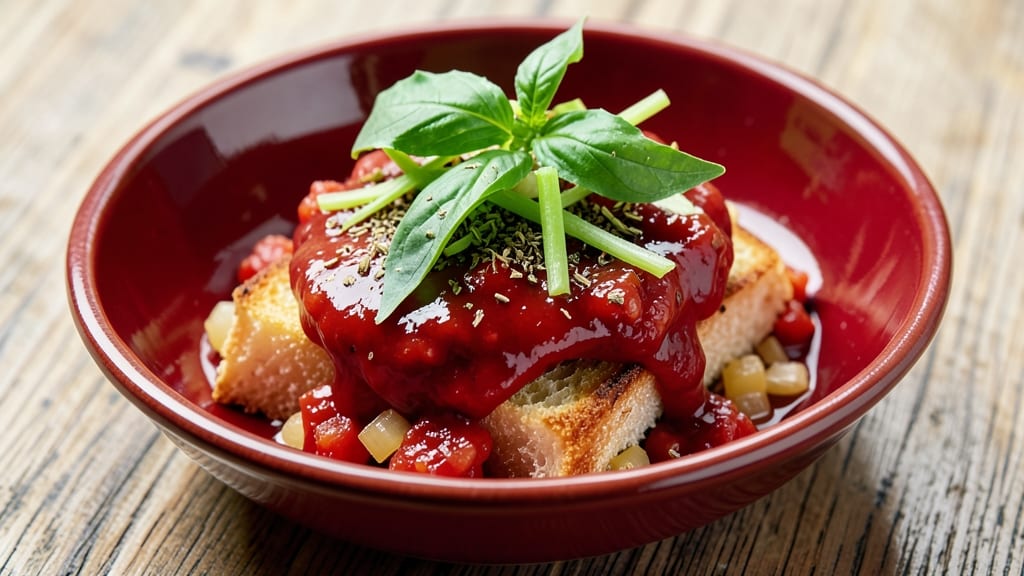
Anthony's sauce transforms Italian-American classics like meatballs and pasta into restaurant-quality masterpieces with its deep, velvety tomato base and signature horseradish kick. 🔥 The secret lies in slow-simmering crushed tomatoes with aromatic garlic, onions, and herbs until they develop complex, caramelized depth—then finishing with a touch of horseradish for that signature zing that elevates every bite.
What sets this sauce apart is its balanced blend of sweetness, acidity, and subtle heat, achieved through precise cooking techniques.
Unlike store-bought versions, this recipe builds flavor gradually through low-and-slow simmering, allowing the tomatoes to break down into a rich, velvety consistency while developing layers of umami from the garlic and herbs.
The result is a sauce that's versatile enough for meatballs, pasta dishes, or even as a marinade, yet complex enough to stand out in any Italian-American meal.
The horseradish adds just enough sharpness to cut through richness, creating that perfect balance that makes this sauce a pantry staple for serious home cooks.
With just 10 simple ingredients and a few hours of hands-off simmering, you'll have a batch of sauce that rivals your favorite restaurant's—ready to transform your weeknight dinners into something extraordinary. Let's get started on creating this flavor-packed essential.
Ingredients for anthony's sauce
Ten ingredients, hours of hands-off simmering, and that signature horseradish kick you crave.
| Ingredient | Amount | Notes |
|---|---|---|
| Crushed Tomatoes (San Marzano Preferred) 🍅 | 28 oz | High-quality, no sugar added |
| Yellow Onion 🧅 | 1 whole | Medium size, finely chopped |
| Garlic Cloves 🧄 | 6 cloves | Fresh, minced for depth |
| Fresh Horseradish Root 🌿 | 1 oz | Grated, for signature zing |
| Fresh Basil Leaves 🌿 | ½ cup | Packed, stems removed |
| Dried Oregano 🍃 | 1 tbsp | Mediterranean blend preferred |
| Extra-Virgin Olive Oil 🫒 | ¼ cup | High-quality, fruity |
| Red Wine Vinegar 🍷 | 1 tbsp | For acidity balance |
| Granulated Sugar 🍚 | 1 tbsp | To enhance sweetness |
| Diamond Crystal Kosher Salt 🧂 | 1 ½ tsp | Adjust to taste |
The tomatoes are the foundation—San Marzano if you can find them, but any high-quality crushed tomatoes work. I always check the label for no added sugar or salt, because those can throw off the delicate balance. The horseradish root is key—freshly grated delivers that signature sharpness, while pre-grated loses potency fast. For the olive oil, grab a fruity, extra-virgin variety (none of that cheap supermarket stuff). The onions and garlic? Finely chopped so they melt into the sauce without texture. I usually grab my tomatoes from Whole Foods or Trader Joe's—their quality is consistent.
No fresh horseradish? Prepared horseradish sauce at half the amount works in a pinch, though it won't have the same depth. Swapping the red wine vinegar? White wine vinegar or apple cider vinegar both work, but adjust the sweetness up slightly. Dried oregano is non-negotiable—fresh basil is ideal, but dried basil at one-third the amount gets you close. The sugar might seem odd, but it rounds out the acidity from the vinegar and tomatoes. Trust me on the 1 tablespoon—it makes all the difference. If you're using a blender for smoothness, strain the sauce afterward for that velvety texture.
This sauce tastes even better the next day as flavors meld. Store in an airtight container in the fridge for up to 1 week, or freeze portions for 6 months. I always make a double batch—one for immediate use, one to freeze for lazy weeknights. The horseradish flavor mellows slightly over time, so it's perfect for freezing. Label your containers with the date, because once it's gone, you'll want to make more immediately. Pairs perfectly with meatballs, pasta, or even as a marinade for grilled chicken.
Why You'll Love This Recipe
- Fewer Ingredients, Bigger Payoff: I swear by this—just tomatoes, onion, garlic, a little horseradish, and basil. That’s it. No confusing spice blends or hidden additives; every bite tastes like you put in effort (even when you didn’t).
- Horseradish Kick Without the Drama: Between us, fresh horseradish root is the secret weapon. It’s not overpowering—just a bright, peppery nudge that makes this sauce sing against rich meats or crispy pasta. (Yes, even on a Tuesday night.)
- Pantry-to-Table in 30: No simmering for hours here. Sauté the onion and garlic, toss in the tomatoes and herbs, and let it bubble while you chop veggies for dinner. Done. The sauce’s depth comes from time, not your attention.
- Leftovers That Lie: I make a double batch every time. The flavor only gets better after a day or two—deepens, mellows, and somehow tastes more intentional. Freeze half for lazy nights when takeout feels like a chore.
Step-by-step instructions for slow-simmered tomato velocity
Here's how to build this bold sauce layer by layer—where every ingredient plays a role.
🍳 Step 1: Sauté Aromatics Until Fragrant
Heat the 0.25 cup extra-virgin olive oil in a heavy-bottomed saucepan over medium heat. Add the 1 whole yellow onion, chopped into ¼-inch dice, and cook for 5-6 minutes until softened and translucent. Don't rush this—you want the onions to caramelize slightly at the edges.
Add the 6 cloves minced garlic and cook for 30 seconds until fragrant. Here's the thing—garlic burns fast, so keep your eye on the pan. The moment it releases its aroma, it's ready. Remove the pan from heat and stir in the 1 oz grated fresh horseradish root immediately—this prevents the horseradish's sharpness from becoming bitter during cooking.
🍳 Step 2: Build the Tomato Base
Return the pan to medium-low heat and add the 28 oz crushed tomatoes. Stir well to combine with the aromatics, then sprinkle in the 1 tbsp dried oregano, 1 tbsp granulated sugar, and 1.5 tsp kosher salt. The sugar here isn't about sweetness—it's about balancing the acidity and helping the tomatoes break down more evenly.
Bring the mixture to a gentle simmer, then reduce heat to low. This sauce needs patience—simmer uncovered for 45-60 minutes until the mixture thickens noticeably. You'll see the sauce reduce by about ¼ of its original volume, and the flavors will meld into something deeper and more complex. Stir occasionally to prevent sticking, but don't over-stir—you want those bottom flavors to develop.
🥘 Step 3: Add Acid and Herbs for Balance
After the initial simmer, stir in the 1 tbsp red wine vinegar. This isn't just for acidity—it brightens the whole sauce, cutting through the richness of the tomatoes and olive oil. Return to a simmer and cook for another 15-20 minutes until the flavors marry completely.
Remove the pan from heat and let it cool slightly for 5 minutes. Then stir in the 0.5 cup fresh basil leaves, stems removed. The basil should wilt slightly in the warm sauce, releasing its aromatic oils. Taste and adjust seasoning—you might need a pinch more salt or sugar depending on your tomatoes. The horseradish's subtle kick should be noticeable but not overpowering.
⏰ Step 4: Rest and Refine the Texture
Let the sauce rest at room temperature for at least 30 minutes before serving. This resting period allows the flavors to fully develop and the texture to settle. The sauce should be thick enough to coat the back of a spoon but still flow smoothly.
For the best results, strain the sauce through a fine-mesh sieve to remove any remaining basil stems or horseradish fibers. This gives you a silky, restaurant-quality finish. If you prefer texture, skip the straining—just make sure to remove any large basil stems. Serve warm over pasta, with crusty bread, or as a dipping sauce for grilled meats.
Pro Tips For Making Anthony'S Sauce
- Sweat the Onion: Don’t rush this step—slow-cook the onion over medium-low heat until it’s translucent and just starting to caramelize (about 8-10 minutes). I used to crank the heat and end up with a bitter, raw onion taste that ruined the whole sauce. Let it melt down properly, and the flavor will be rich and sweet, not sharp.
- Grate Horseradish Fresh: Skip the jarred stuff—fresh horseradish root is the only way to go for this sauce. Use a microplane or fine grater and add it last (right before serving or simmering just 2-3 minutes). Jarred horseradish is way too strong and lacks the bright, fresh kick you want here.
- Simmer Low and Slow: Once the tomatoes are added, keep the heat at a gentle simmer—not a rolling boil. Boiling can make the sauce taste dull and watery. I learned this the hard way when I rushed it and ended up with a thin, flavorless mess. Let it bubble softly for at least 20-30 minutes to deepen the flavors.
- Blend Half the Basil: Reserve half the basil leaves whole for garnish—tossing them all in at once makes the sauce taste bitter. Pulse the other half into the sauce at the end for just a few seconds, so you still get some texture. I was skeptical until I tried it, and now I never blend it all.
Creative variations of this anthony's sauce
Spicy Kick Variations
Want more heat? Add 1-2 teaspoons of hot sauce (like Tabasco) or ½ teaspoon cayenne pepper at the end of cooking. For a smoky twist, stir in 1 teaspoon smoked paprika with the oregano.
I’ve also experimented with ½ teaspoon crushed red pepper flakes for a subtle, lingering warmth that pairs perfectly with meatballs. 🌶️
Creamy Twist
For a richer texture, stir in ¼ cup heavy cream or ½ cup ricotta cheese during the final 10 minutes of simmering. This adds a velvety finish that’s ideal for pasta dishes.
If you prefer a tangier creaminess, swap the heavy cream for sour cream and add it after removing the pan from heat. The horseradish’s sharpness cuts through the richness beautifully.
Herb-Forward Adaptations
Swap out basil for fresh parsley or cilantro for a brighter, fresher profile. For a Mediterranean twist, add 1 teaspoon dried thyme or ½ teaspoon dried rosemary with the oregano.
I’ve also loved using fresh oregano (chopped) instead of dried—it adds a more vibrant, slightly bitter note that balances the sweetness of the tomatoes.
White Wine Infusion
Replace the red wine vinegar with ¼ cup dry white wine (like Sauvignon Blanc) for a more complex, layered flavor. Simmer the wine down for 5 minutes before adding the crushed tomatoes to deepen its richness.
This works especially well if you’re using the sauce with seafood or grilled chicken. The wine’s acidity brightens the sauce without overpowering the horseradish.
Slow Cooker Shortcut
Make this sauce hands-off in a 6-quart slow cooker on Low for 4-5 hours. Combine all ingredients except the basil, then stir in the basil and vinegar during the last 30 minutes.
This method is perfect for busy weeknights—just dump everything in and let it work its magic. The slow cooker’s gentle heat enhances the tomatoes’ natural sweetness while keeping the horseradish’s kick intact. 🍲
Nutrition facts
Frequently asked questions about anthony's sauce
Why does this sauce have horseradish?
The horseradish is what makes this sauce uniquely bold and complex. It adds a subtle sharpness that cuts through the richness of the tomatoes and olive oil, creating that signature zing that balances the sweetness. The fresh horseradish root (not pre-grated) delivers the best flavor—it mellows slightly during cooking but still provides that signature kick.
Can I make this sauce without fresh horseradish?
Yes! Use ½ tablespoon of prepared horseradish sauce instead, but add it at the very end (after simmering) to preserve its sharpness. The flavor won't be as deep, but it'll still give your sauce that recognizable Anthony's Sauce character. For a milder version, omit it entirely and add a pinch of black pepper for depth.
How long will this sauce keep?
Store in an airtight container in the fridge for up to 1 week, or freeze portions for 6 months. The flavors actually improve after 24 hours as they meld together. For freezing, leave about ½ inch of headspace in containers to prevent ice crystals from breaking the sauce when thawed.
Is this sauce good for pasta?
This rich, velvety sauce clings beautifully to pasta like spaghetti or penne. For best results, toss cooked pasta with the sauce and a splash of pasta water to help it coat evenly. It's also perfect for chicken parmesan, meatball subs, or as a marinade for grilled chicken.
Can I adjust the thickness?
Yes! If the sauce is too thick, thin with 1-2 tablespoons of warm water or broth while simmering. For a thicker texture, simmer uncovered for 10-15 extra minutes to reduce further. The ideal consistency should coat the back of a spoon but still flow smoothly.