
Sauces & Condiments
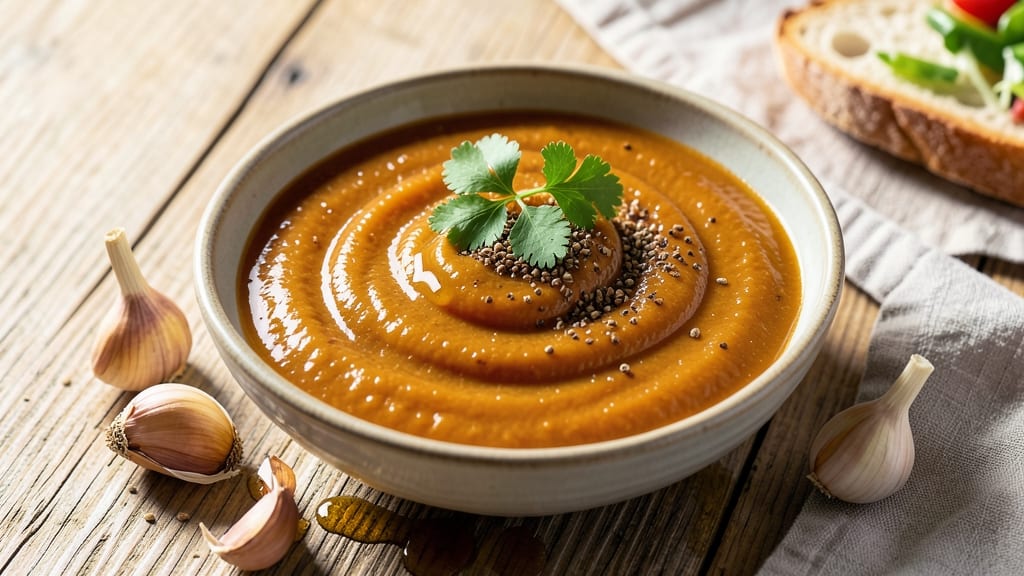
This annatto sauce recipe transforms humble annatto seeds into a vibrant, golden-red condiment that elevates everything from rice to grilled meats. The process is straightforward—simmering seeds in oil until they release their bold color and earthy depth—but the results are undeniably striking.
What makes this sauce special is its versatility: use it as a marinade, drizzle it over beans, or serve it as a bold dipping sauce for crispy fries or plantains.
The key to success lies in patience and heat control. Too much heat burns the seeds, turning the sauce bitter; too little leaves it pale and flavorless. I’ve perfected a method that balances both, ensuring a rich, velvety sauce with a smooth, velvety texture.
Optional ingredients like garlic, vinegar, or chili powder can customize the flavor to suit your taste—whether you prefer a subtle warmth or a tangy kick.
Once complete, this sauce keeps beautifully in the fridge for up to two weeks, making it ideal for meal prep. Its deep, rustic color and complex flavor profile make it a standout in any dish, adding a touch of authenticity to Latin American and Caribbean cuisine.
The best part? It’s far more cost-effective than store-bought versions and packed with natural goodness.
Ready to make your kitchen smell like a bustling Caribbean market? This sauce is your secret weapon for adding depth, color, and a hint of tradition to your favorite meals. Let’s get started—your taste buds will thank you.
Ingredients for annatto sauce
Eight ingredients transform humble seeds into a vibrant sauce that brightens any dish.
| Ingredient | Amount | Notes |
|---|---|---|
| Annatto Seeds 🌶️ | 2 tbsp | Whole seeds, not powdered |
| Extra-Virgin Olive Oil 🫒 | 1 cup | High quality, fruity |
| Garlic Cloves 🧄 | 3 cloves | Minced, optional for flavor |
| Apple Cider Vinegar 🍋 | 1 tbsp | For tangy depth |
| Ground Cumin 🌿 | ½ tsp | Earthy warmth, optional |
| Salt 🧂 | ½ tsp | Kosher or sea salt |
| Black Pepper 🌶️ | ¼ tsp | Freshly ground preferred |
| Cayenne Pepper 🔥 | ¼ tsp | Adjust for heat |
Annatto seeds are the heart of this sauce—look for whole seeds at Latin markets or specialty stores. Trader Joe's often carries them in bulk, but if you can't find them, annatto powder works in a pinch (use half the amount). The seeds need gentle heat to release their color without burning. If you're using powder, simmer it just 5 minutes—any longer and it turns bitter. For the olive oil, pick something fruity and peppery—none of that bland supermarket stuff. The garlic adds depth, but skip it if you're sensitive to strong flavors.
No annatto seeds? Turmeric or paprika gives a similar golden hue (though less vibrant). Short on vinegar? Lemon juice at half the amount works in a squeeze. The cumin and cayenne are optional but recommended—they add layers of warmth that make this sauce sing. If you're avoiding spice, swap cayenne for smoked paprika. For a smoother texture, strain the sauce through a fine-mesh sieve after simmering. If you're using seeds, let them settle and pour off the oil carefully—the seeds can be reused for another batch.
This sauce keeps for 2 weeks in the fridge, sealed tightly in a jar. The color fades slightly over time, but the flavor stays rich. For longer storage, transfer to an airtight container and freeze for up to 6 months. I like to portion it into small jars—perfect for drizzling over rice, beans, or grilled meats. The sauce thickens as it cools, so thin with a splash of water or vinegar if needed. Trust me, the first time you see that golden-red hue transform your dish, you'll be hooked.
Why You'll Love This Recipe
- No-Fuss Infusion: I swear, this sauce takes less effort than boiling water. Toss annatto seeds into warm oil, let them bloom—no straining, no fuss—just a golden hue that looks chef’s kiss with zero work.
- Earthy Garlic Kiss: That first whiff of toasted garlic in olive oil? Chef’s kiss. The cumin and vinegar cut through the richness, leaving a bright, tangy finish that’s addictive—like a hug for your taste buds.
- Weeknight Magic: Drizzle it on roasted veggies, toss with grilled chicken, or use it as a marinade—it’s my go-to for when I’m too tired to plan. (Yes, even on a Tuesday night.)
- Budget Brightener: A little goes a long way—this sauce stretches across meals without breaking the bank. Store it in the fridge for up to a week, and honestly? You’ll make it again just because it’s that good.
Step-by-step instructions for vibrant annatto sauce
This simple method transforms humble annatto seeds into a rich, velvety sauce perfect for drizzling or dipping.
Toast the Annatto Seeds
Heat a small dry skillet over medium heat. Add the 2 tablespoons annatto seeds and toast them for 1-2 minutes until fragrant and slightly puffed. You'll smell a warm, nutty aroma—this indicates the seeds are releasing their vibrant oils and flavors.
Watch them carefully—they'll darken quickly to a deep reddish-brown. As soon as they begin to pop and smell toasty, remove them from heat. Let them cool for 2 minutes before grinding. This toasting step intensifies their color and flavor, giving your sauce that signature rich red hue.
Grind the Toasted Seeds
Transfer the toasted seeds to a clean spice grinder or mortar and pestle. Grind them into a fine powder—you should end up with about 1 tablespoon of deep red annatto powder. If you don't have a grinder, use a clean coffee grinder for 10 seconds on high speed.
This powder is the heart of your sauce. If you see any whole seeds remaining, grind them again until completely pulverized. The finer the powder, the more evenly it will disperse in the oil, creating that beautiful, consistent color throughout your sauce.
Infuse the Olive Oil
In a small saucepan, combine the 1 cup extra-virgin olive oil and the ground annatto powder. Place the saucepan over low heat and stir constantly for 5-7 minutes. The mixture will gradually turn a deep, vibrant red as the color infuses into the oil.
Keep the heat gentle—you're looking for a slow infusion, not cooking. If the oil starts to smoke or bubble, reduce the heat immediately. The ideal temperature should feel warm to the touch but not hot. This careful infusion ensures maximum color extraction without burning the delicate oil.
Add Aromatics and Seasonings
Remove the pan from heat and let it cool slightly for 2 minutes. Add the 3 cloves minced garlic, 1 tablespoon apple cider vinegar, 0.5 teaspoon ground cumin, 0.5 teaspoon salt, 0.25 teaspoon black pepper, and 0.25 teaspoon cayenne pepper. Stir everything together thoroughly.
The vinegar adds a bright tang that cuts through the richness of the oil, while the spices create a warm, complex flavor profile. Taste the mixture and adjust the seasonings if needed—you might want more cayenne for heat or additional salt to balance the flavors.
Strain and Store
Line a fine-mesh strainer with cheesecloth or a coffee filter and place it over a clean bowl. Pour the annatto-infused oil mixture through the strainer, pressing gently with a spoon to extract all the color. Discard the solids in the strainer.
Your vibrant red annatto sauce is now ready to use! Transfer it to a clean glass jar or bottle. For best results, store it in a cool, dark place for up to 2 weeks. The longer it sits, the more the flavors will meld together, creating an even more complex sauce.
Pro Tips For Making Annatto Sauce
- TOAST THE SEEDS: Dry-toast the annatto seeds in a skillet for 1-2 minutes before grinding—this deepens their nutty aroma and prevents bitterness. I learned this the hard way after a batch tasted like hay; now I always do this first.
- GRIND FINE, NOT FINE: Pulse the toasted seeds in a spice grinder until they’re powdered but not paste-like—you want visible specks, not a thick slurry. Too fine a grind turns your sauce into a muddy mess that clumps in oil.
- LOW AND SLOW: Simmer the sauce on low heat after adding vinegar—high heat burns the garlic and turns the annatto color muddy. I used to rush it, and the flavor always tasted flat until I dialed it down.
- STRAIN TWICE: Strain the sauce through a fine-mesh sieve first, then a cheesecloth for a silky finish. The first strain catches grit; the second removes lingering oil residue. Skimping leaves your sauce gritty, and nobody wants that.
Storing and reheating this annatto sauce
Fridge Storage Tips
Store your annatto sauce in a clean glass jar with an airtight lid—I like using Le Parfait 8-ounce jars for their snug seals. Keep it in the fridge at 40°F or below for up to 2 weeks.
The sauce will thicken slightly as it cools, so stir gently before using. If it separates, simply shake the jar vigorously to re-emulsify. 💫
For best flavor, let the sauce sit at room temperature for 10-15 minutes before drizzling—this helps the ingredients meld together. If you notice the color fading after a few days, it’s still safe to use, though the vibrancy will be less intense.
The spices and vinegar help preserve freshness longer than plain oil alone.
Freezing for Long-Term Use
Portion your annatto sauce into small glass jars (like Weck 4-ounce jars) before freezing—this makes it easier to thaw only what you need. Leave ½-inch headspace to prevent cracking from expansion.
Freeze for up to 6 months, though I recommend using it within 3 months for peak flavor. 🧊
When ready to use, thaw overnight in the fridge. If you’re in a hurry, place the jar in a bowl of warm water for 10-15 minutes—never microwave, as heat can degrade the delicate oil and spices. Stir well after thawing, as the texture may separate slightly during freezing.
Reviving Stale Sauce
If your annatto sauce loses some vibrancy or flavor over time, don’t toss it! Heat ¼ cup of the sauce in a small saucepan over low heat for 3-5 minutes, then strain it again through a fine-mesh sieve to remove any settled particles.
This refreshes the color and intensifies the flavor. Add a pinch of salt or vinegar to rebalance the taste if needed.
For a quick fix, mix in 1 teaspoon of fresh lemon juice or apple cider vinegar to brighten the sauce. The acidity helps cut through any dullness, making it taste fresh again.
This trick works especially well if you’ve stored the sauce too long and want to salvage it for a special dish.
Strain Reuse Trick
The cheesecloth or coffee filter you use to strain the sauce can be reused up to 3 times—just rinse it thoroughly with hot water and let it dry completely between uses. Store it in a ziplock bag in the freezer to keep it sterile.
This eco-friendly hack saves money and reduces waste, which is a win for both your wallet and the planet. ✨
If the strainer gets clogged with leftover annatto powder, soak it in warm soapy water for 10 minutes before rinsing. The oil-based residue can be stubborn, but this method breaks it down easily. Never use metal utensils to scrape—stick to plastic or silicone tools to avoid damaging the fabric.
Nutrition facts
Frequently asked questions
Can I use annatto powder instead of seeds?
Yes, but adjust the amount! Use 1 tablespoon annatto powder instead of 2 tablespoons seeds since powder is more concentrated. Simmer it for only 5 minutes—longer cooking can make it bitter. The texture will be smoother, but you’ll miss the nutty depth from toasted whole seeds.
What can I use if I don’t have apple cider vinegar?
Lemon juice or white vinegar work perfectly! Use 1 tablespoon lemon juice (about half a small lemon) or 1 tablespoon white vinegar instead. The acidity brightens the sauce, but lemon adds a citrusy twist while white vinegar keeps it classic. For extra tang, add ½ teaspoon more vinegar after tasting.
Why did my sauce turn bitter?
Overheating or cooking too long causes bitterness. Keep heat low and never let the oil smoke. If it’s already bitter, strain out the solids and mix in 1 teaspoon of honey or sugar to balance the flavor. For next time, simmer for 5-7 minutes max—annatto releases color quickly but burns just as fast.
How can I make this sauce spicier?
Double the cayenne pepper to ½ teaspoon or add ¼ teaspoon red pepper flakes. For smoky heat, swap cayenne for ½ teaspoon smoked paprika. If you want a kick without dry spices, stir in 1 teaspoon hot sauce after straining. Always taste first—you can adjust, but you can’t un-spice it!
What are the best dishes to use this sauce with?
This sauce shines on grilled meats, black beans, rice dishes, and fried plantains. Drizzle it over tacos or arepas for color and depth, or use it as a marinade for chicken or shrimp. It’s also amazing as a dip for fries or veggies—the vibrant color makes everything look restaurant-worthy!