
Sauces & Condiments
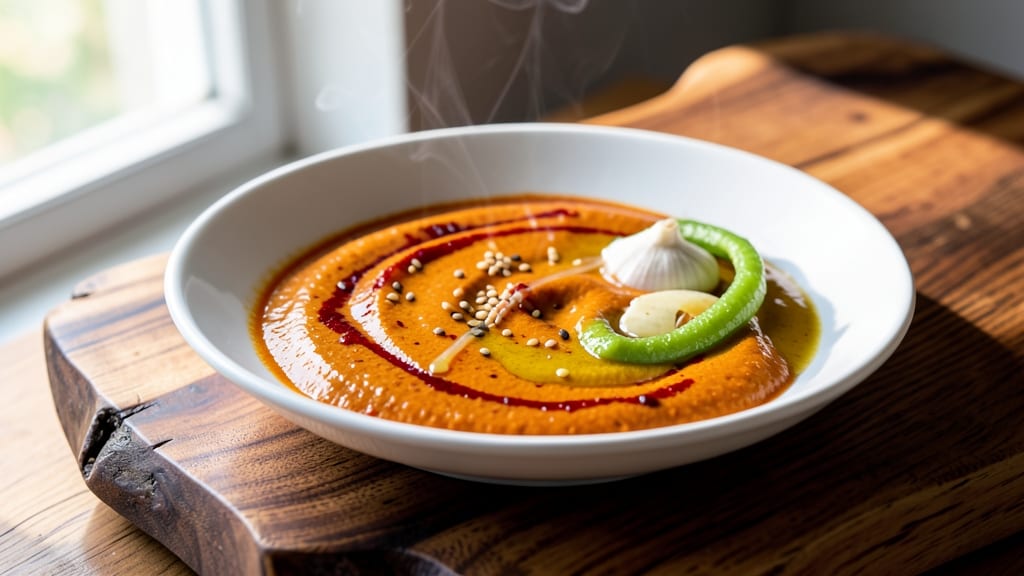
This Asian hot mustard sauce recipe delivers a perfect balance of fiery heat and sweet tang that transforms ordinary dishes into standout meals. ✨ The secret lies in simmering mustard, vinegar, and chili into a velvety, complex sauce that works as both a bold dipping sauce and a flavorful glaze for grilled meats or stir-fries.
I developed this recipe after years of experimenting with Asian-inspired condiments, and it’s become my go-to for adding depth to everything from spring rolls to roasted vegetables.
The foundation of this sauce is a simple blend of Dijon mustard, rice vinegar, and chili paste, but it’s the aromatics—garlic, ginger, and a touch of sesame—that elevate it to restaurant-quality.
Unlike store-bought versions, this homemade sauce builds flavor as it simmers, creating a smooth yet vibrant condiment that’s far more versatile. The result is a sauce that’s tangy, spicy, and just sweet enough to complement a wide range of dishes without overpowering them.
What makes this recipe truly special is its foolproof technique—just 15 minutes of active time and 10 minutes of simmering yield a sauce that’s ready to use immediately or store for up to a week in the fridge.
Whether you’re drizzling it over sizzling noodles, mixing it into marinades, or serving it as a dip for crispy spring rolls, this sauce adds a punch of flavor that’s hard to resist. The balance of heat and sweetness ensures every bite is memorable.
For those who love customization, this sauce adapts effortlessly to different cuisines. Add a splash of honey for extra sweetness, a dash of soy sauce for umami, or even a pinch of smoked paprika for a deeper flavor profile.
The possibilities are endless, but the base recipe remains simple, reliable, and packed with bold, Asian-inspired taste. Let’s get started!
Ingredients for asian hot mustard sauce
Nine ingredients blend fiery heat, tangy sweetness, and nutty depth for restaurant-quality Asian hot mustard sauce.
| Ingredient | Amount | Notes |
|---|---|---|
| Dijon Mustard 🌶️ | ½ cup | High-quality for tangy depth |
| Rice Vinegar 🍶 | ½ cup | Seasoned preferred for balance |
| Red Chili Paste 🔥 | ¼ cup | Or sambal oelek for heat |
| Garlic Cloves 🧄 | 4 cloves | Minced for aromatic punch |
| Fresh Ginger 🌿 | 1 tbsp | Finely grated, zesty kick |
| Sesame Oil 🫒 | 1 tbsp | Toasted for nutty aroma |
| Honey 🍯 | 2 tbsp | For sweet-tang balance |
| Soy Sauce 🍶 | 1 tbsp | Light or dark preferred |
| Water 💧 | ¼ cup | Adjust for desired consistency |
| Sesame Seeds 🥜 | 1 tsp | Toasted for garnish |
The Dijon mustard and rice vinegar form the sauce's backbone, so quality matters here—avoid powdered or low-grade vinegars. For chili paste, Maesri or Sambal Oelek deliver authentic heat without overpowering. Fresh ginger and garlic are non-negotiable; frozen works in a pinch but lacks the zing. Trader Joe's carries excellent pre-minced garlic if you're short on time, but fresh is always better. Toast your sesame seeds in a dry pan for 30 seconds—they’ll add a nutty aroma that elevates the finished sauce.
No rice vinegar? Apple cider vinegar or mirin work in a pinch, though flavor shifts slightly. Short on chili paste? Red pepper flakes at half the amount add heat, but you’ll lose depth. The honey can be swapped for maple syrup for a deeper caramel note. For extra umami, add 1 tsp fish sauce (if not vegetarian) or 1 tsp soy sauce for a plant-based boost. The water is your consistency secret weapon—add it slowly while simmering to reach your ideal drizzle or dip texture.
This sauce thickens as it cools, so stir before each use. Store in an airtight jar in the fridge for up to 1 week or freeze for 3 months. For quick access, portion into ice cube trays—perfect for single-use servings. The sesame seeds keep best in the freezer; toast fresh before garnishing. Double the batch if you're using it for glazes—it disappears fast!
Why You'll Love This Recipe
- Five-Ingredient Magic: I swear by this combo—Dijon, rice vinegar, and that fiery red chili paste turn a few minutes of stirring into something that tastes like it simmered all day. No fancy techniques, just raw flavor hitting your tongue.
- Spicy-Sweet Balance: Between us, the garlic and ginger sizzle in the pan while the mustard mellows out the heat—crisp, tangy, and just enough kick to make your taste buds dance. It’s the kind of sauce that makes you go back for seconds without even thinking.
- Weeknight Superhero: This isn’t just for stir-fries. Drizzle it over grilled chicken, toss it with noodles, or even slather it on a burger—it’s my go-to when I’m too tired to plan but still want something exciting. Honestly, it’s the only sauce I keep in the fridge for emergencies.
- Makes Leftovers Shine: A little goes a long way, and the best part? It keeps for weeks in the fridge. I’ll make a big batch on Sunday, then use it all week—no wasted ingredients, no last-minute grocery runs. Budget-friendly and foolproof.
Step-by-step instructions for Asian hot mustard sauce
Here's how to blend bold flavors into a velvety sauce perfect for dipping or glazing.
🍳 Step 1: Toast Sesame Seeds and Infuse Oil
Heat a small dry skillet over medium-low heat. Add the 1 teaspoon sesame seeds and toast for 1-2 minutes until fragrant and lightly golden. Watch closely—they burn quickly. Immediately transfer to a small bowl and set aside.
In the same skillet, add the 1 tablespoon sesame oil and heat for 30 seconds until shimmering. Remove from heat and let cool for 1 minute. This step builds nutty depth that carries through the entire sauce. Don't skip it—it makes all the difference in flavor complexity.
🍳 Step 2: Build the Base with Mustard and Vinegar
In a medium saucepan, whisk together the ½ cup Dijon mustard and ½ cup rice vinegar until completely smooth. Place over medium heat and bring to a gentle simmer. Let it cook for 3-4 minutes until slightly thickened and the raw vinegar tang mellows into something more balanced.
Here's the thing—don't rush this step. The mustard needs time to emulsify with the vinegar. You'll see the mixture transform from grainy to silky smooth. If it starts to separate, whisk vigorously to recombine. This is your flavor foundation, so take your time.
🍳 Step 3: Add Aromatics and Chili Heat
Reduce heat to low and add the 4 cloves minced garlic, 1 tablespoon grated ginger, and ¼ cup red chili paste. Stir constantly for 2-3 minutes until the garlic turns golden and the raw ginger aroma gives way to something bright and zesty. The chili paste will darken the sauce—this is normal and adds depth.
I press down gently on the garlic with a wooden spoon during the first minute—this prevents it from burning while still developing that sweet, caramelized flavor. The ginger should become translucent, releasing its oils into the sauce. If it smells too sharp at this point, you're on the right track.
🍳 Step 4: Balance with Sweet and Umami
Add the 2 tablespoons honey, 1 tablespoon soy sauce, and ¼ cup water all at once. Stir well to combine, then increase heat to medium. Bring to a gentle boil and let it simmer for 5-6 minutes until slightly thickened. You want the sauce to coat the back of a spoon—this ensures proper consistency for dipping or glazing.
The honey will mellow the heat while adding a beautiful caramel note. The soy sauce ties everything together with its umami punch. Taste as you go—if it needs more balance, add a pinch more honey or a splash of water. This is where you adjust to your preferred heat level.
⏰ Step 5: Finish and Garnish
Remove from heat and stir in the toasted sesame seeds. Let the sauce cool for 5 minutes—this allows all the flavors to meld completely. The sauce should be smooth with a velvety texture and balanced heat. If it's too thick, whisk in 1 teaspoon water at a time until you reach your desired consistency.
For serving, drizzle over grilled meats, use as a dipping sauce for spring rolls, or glaze on roasted vegetables. The sauce keeps well in the fridge for up to 2 weeks, though it's best used fresh when the flavors are at their peak. Garnish with extra sesame seeds just before serving for that final nutty crunch.
Pro Tips For Making Asian Hot Mustard Sauce
- COOK GARLIC LOW AND SLOW: I learned this the hard way—frying garlic cloves whole in oil until crispy is tempting, but it burns before it softens. Instead, mince them finely (or press through a garlic press) and cook them on medium-low with the ginger until they’re just fragrant, not brown. That way, they melt into the sauce instead of turning bitter.
- GRATE GINGER LIKE YOU MEAN IT: Fresh ginger is the star here, but too many people just chop it. Use a microplane or the fine side of a box grater to get it into the sauce as a paste—no peeling needed. This ensures it dissolves completely and adds a silky depth instead of chewy bits. (Yes, even if you’re impatient like me.)
- TEMPE THE CHILI PASTE: Add the red chili paste last and let it sit for 30 seconds after removing the pan from heat. This lets the heat mellow out slightly without killing the flavor. If you’re using a particularly fiery paste, balance it with a splash of rice vinegar while it cools—trust me, your taste buds will thank you later.
- WHISK IN STAGES: Don’t dump all the Dijon mustard in at once—start with half, whisk it into the vinegar and chili paste, then taste. Adjust heat and tang before adding the rest. This way, you catch overpowering flavors early, and the final sauce stays harmonious. (I skip this when I’m lazy, but the dish is noticeably better when I don’t.)
Best sauces and condiments for this asian hot mustard sauce
Dipping Sauce Perfection
This sauce transforms into an irresistible dip when served with crispy spring rolls or fried wontons. The balance of heat and tang cuts through the oiliness of fried foods beautifully.
I like to serve it in a small bowl with a dipping brush—it makes sharing easier and keeps fingers clean. For extra flair, chill the sauce for 30 minutes before serving to let the flavors meld even more.
Grilled Meat Glaze
Brush this sauce over grilled chicken skewers or pork chops during the last 5 minutes of cooking for a sticky, flavorful crust. The honey and soy sauce combo caramelizes beautifully under the grill, creating a glossy finish.
I recommend using a silicon basting brush to apply it evenly—it’s heat-resistant and easy to clean. For extra smokiness, grill the meat over hickory or applewood chips before glazing.
Stir-Fry Elevator
Add 1-2 tablespoons of this sauce to your stir-fry during the last 2 minutes of cooking. It works especially well with beef, shrimp, or tofu—the heat wakes up the proteins while the tang brightens the dish.
For a quick version, mix 1 tablespoon of the sauce with 1 teaspoon cornstarch and use it as a pan sauce. The sauce thickens instantly when combined with the hot stir-fry, creating a silky finish.
Marinade Magic
Use this sauce as a marinade for tofu, chicken, or shrimp—let it sit for 30 minutes before cooking. The acidity in the vinegar and mustard tenderizes proteins while the chili paste adds heat.
I like to marinate firm tofu in this sauce for 1 hour, then pan-fry until crispy. For extra flavor, add 1 teaspoon grated ginger and 1 clove minced garlic directly to the marinade before applying.
Vegetable Booster
Toss roasted or steamed vegetables like broccoli, carrots, or Brussels sprouts with 1 tablespoon of this sauce in the last minute of cooking. The heat and tang enhance natural sweetness in veggies, making them irresistible.
For a quick side dish, roast sliced sweet potatoes at 400°F for 20 minutes, then toss with the sauce and a sprinkle of sesame seeds. The result is a dish that’s both healthy and packed with flavor.
Custom Heat Levels
Adjust the heat to your preference by controlling the chili paste. For mild heat, use 2 tablespoons instead of ¼ cup. For extra spicy, add 1 teaspoon red pepper flakes or a dash of Sriracha**.
I like to keep a small jar of the sauce on hand—it’s perfect for adding heat to any dish without overwhelming it. The sauce also freezes beautifully, so you can always have a backup for when you crave extra spice.
Nutrition facts
Frequently asked questions
Can I make this sauce without sesame oil?
If you don't have sesame oil, substitute with 1 tablespoon neutral oil like vegetable or canola oil. For extra depth, add ½ teaspoon toasted sesame seeds directly to the sauce at the end. The flavor will still be delicious—just slightly less nutty.
How spicy will this sauce be?
The heat level depends on your chili paste choice. Maesri or sambal oelek deliver moderate heat, while gochujang or Thai chili jam add deeper spice. For milder heat, reduce chili paste to 2 tablespoons and add ½ teaspoon honey extra. Always taste as you go!
Can I use this sauce as a marinade?
Yes! This sauce makes an excellent marinade for tofu, chicken, or shrimp. Let proteins marinate for 30-60 minutes (tofu can handle longer). The acidity tenderizes while the chili adds heat. For extra flavor, add 1 teaspoon grated ginger and 1 clove minced garlic directly to the marinade.
Why did my sauce separate?
Sauce separation happens when mustard and vinegar aren't properly emulsified. Whisk vigorously while simmering and add 1 teaspoon water at a time until smooth. For extra insurance, mix ½ teaspoon cornstarch with 1 tablespoon cold water and stir in at the end.
How long does this sauce keep?
Store in an airtight jar in the fridge for up to 2 weeks. For longer storage, freeze in ice cube trays—perfect for single-use portions. Thaw overnight in the fridge. The sauce actually improves with time as flavors meld!