
Sauces & Condiments
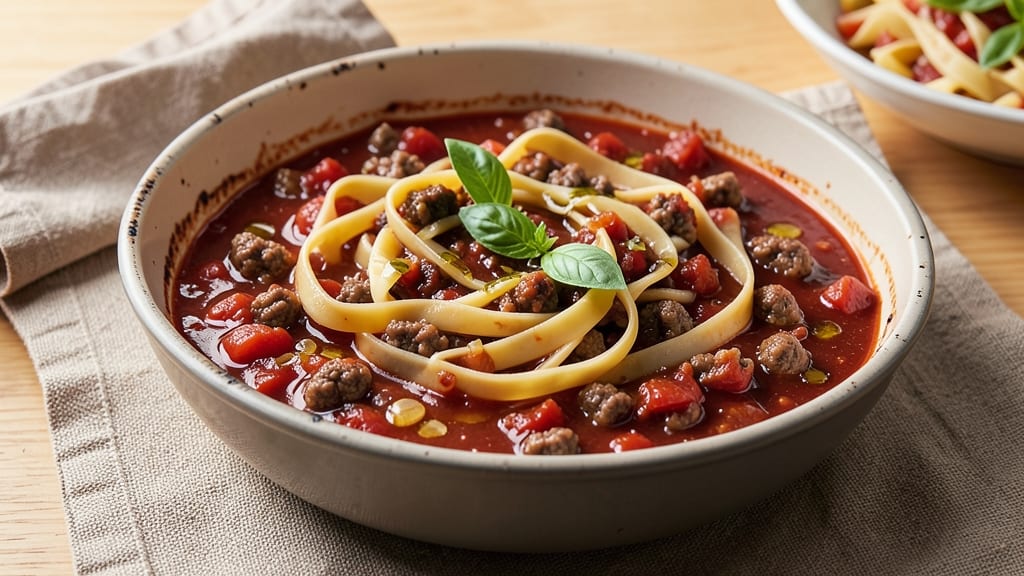
America's Test Kitchen's bolognese sauce delivers restaurant-quality depth with a foolproof method that balances rich meat flavors and bright tomato acidity. The secret lies in slow simmering—transforming ground beef into tender, flavorful crumbles while developing complex caramelized notes. This isn't your childhood's heavy, one-note sauce; it's a layered harmony where wine, tomatoes, and herbs work together in perfect equilibrium.
What sets this recipe apart is the precision: browned meat seared in batches for maximum flavor, deglazed with wine to dissolve fond, and simmered low and slow to meld all ingredients.
The sauce builds richness through time—not shortcuts—while the addition of tomato paste and crushed tomatoes creates that signature depth without overpowering. Every step is designed to prevent common pitfalls like breaking or becoming overly acidic.
By the time you're done, you'll have a velvety, aromatic sauce with tender meat pieces suspended in a sauce that's neither too thick nor too thin—just right for pasta, lasagna, or even stuffed shells. The flavor develops even more after resting, making it perfect for meal prep.
Store it in the fridge for up to 5 days or freeze for months, ensuring you always have restaurant-quality sauce on hand.
For variations, consider adding a splash of red wine at the end for brightness or swapping beef for Italian sausage. The vegetarian version replaces meat with mushrooms and lentils while maintaining the same technique. This is bolognese that stands up to scrutiny—and satisfies even the most discerning palate.
Ingredients for america's test kitchen bolognese sauce
Precision ingredients for a sauce that builds depth through slow simmering and layered flavors.
| Ingredient | Amount | Notes |
|---|---|---|
| Ground Beef (80% lean, 20% fat) 🥩 | 1 ½ lb | Chuck roast preferred, finely ground |
| Tomato Paste 🍅 | ½ cup | Canned, unsweetened |
| Crushed Tomatoes (28 oz can) 🍅 | 1 can | San Marzano preferred |
| Dry Red Wine 🍷 | 1 cup | Bold, dry variety like Cabernet Sauvignon |
| Whole Milk 🥛 | ½ cup | Full-fat for richness |
| Onion (medium) 🧅 | 1 whole | Yellow or sweet, finely diced |
| Garlic Cloves 🧄 | 4 cloves | Peeled, finely minced |
| Fresh Rosemary 🌿 | 1 tbsp | Finely chopped, or 1 tsp dried |
| Fresh Thyme 🌿 | 1 tbsp | Leaves only, finely chopped |
| Diamond Crystal Kosher Salt 🧂 | 1 ½ tsp | Adjust to taste |
| Freshly Ground Black Pepper 🌶️ | ½ tsp | Freshly cracked |
The beef is non-negotiable—chuck roast gives the best texture, and you want it finely ground for even cooking. Costco or Whole Foods often carry pre-ground chuck, but if you're buying whole, ask the butcher to grind it fresh. San Marzano tomatoes are worth the splurge here; their sweetness and low acidity prevent the sauce from becoming overly tangy. The wine should be bold and dry—Cabernet Sauvignon or Merlot work perfectly, but avoid anything fruity or sweet. Fresh herbs are ideal, but if you're using dried, reduce to one-third the amount and toast them lightly in a dry pan for 30 seconds to deepen their flavor.
No red wine? Beef broth with a splash of balsamic vinegar mimics the depth, though the sauce will lack some complexity. Swapping beef for Italian sausage works well—just brown it first to render the fat. The milk adds richness without thinning the sauce too much, but half-and-half or heavy cream can be used in a pinch. If you're short on time, pre-minced garlic from the jar is fine, but fresh is always better. For the tomato paste, Trader Joe's sells it in a convenient squeeze tube that lasts months in the pantry.
This sauce tastes even better the next day as flavors meld. Store it in an airtight container in the fridge for up to 5 days or freeze for 3 months. Portion into containers before freezing for easy reheating. If the sauce thickens too much when refrigerated, stir in a splash of water or broth to loosen it. The sauce can also be canned in a pressure canner for long-term storage, but it's best enjoyed fresh or within a few weeks.
Why You'll Love This Recipe
- No-Fuss Simmer: The only prep is browning the beef—no chopping, no peeling, just sear and pour. That 20% fat in the ground beef? It renders into pure flavor without grease headaches, and the wine deglazes while you stir. Honestly, I’ve made this on days I forgot to grocery shop.
- Rich Without Effort: The milk might sound weird, but it rounds out the acidity from the tomatoes and wine like a velvet glove. That deep umami from the tomato paste (cooked down first!) and the beef’s natural juices build layers while you sip your coffee. It’s the kind of sauce that makes you pause mid-bite.
- Leftovers That Shine: This sauce actually improves the next day—thicker, more concentrated, and perfect for quick lunches or freezing. I portion it into containers with a sprinkle of Parmesan on top, and it stays fresh for weeks. (Yes, even on a Tuesday night.)
- Budget-Meal Powerhouse: A single can of tomatoes, a cheap bottle of wine, and a pound of beef stretch to feed four. The milk adds richness without breaking the bank, and the paste ensures every bite tastes intentional. Between us, this is how I feed my college-age kids without going into debt.
Step-by-step instructions for america's Test Kitchen bolognese sauce
This method delivers rich, layered flavor with perfectly balanced acidity and texture.
Build the Flavor Base with Onion and Garlic
Heat a large Dutch oven over medium heat until hot. Add the finely diced onion (from 1 whole medium onion) and cook for 8-10 minutes until completely softened and translucent. You're looking for a deep golden color here—this develops the onion's natural sweetness.
Add the 4 cloves minced garlic and cook for 30 seconds until fragrant. Don't let it brown—garlic burns quickly. This aromatic foundation is where all the flavors begin to meld. If your onions start to stick, reduce heat slightly but keep them moving in the pan.
Brown the Ground Beef Thoroughly
Increase heat to medium-high and add the 1.5 lb ground beef (80% lean, 20% fat) in batches if needed. Break it up with a wooden spoon and cook for 8-10 minutes until the meat loses its raw color and develops a deep brown crust. This browning creates the meaty depth that defines great bolognese.
Drain excess fat if necessary, leaving about 1 tablespoon in the pot—this fat carries flavor. If you remove too much, add a splash of dry red wine later to compensate. The beef should be fully cooked through with no pink remaining, but still retain some moisture for the sauce.
Develop the Sauce with Wine and Tomatoes
Pour in the 1 cup dry red wine and scrape up any browned bits from the bottom of the pot. Let it simmer for 3-4 minutes until reduced by half. This deglazing step captures all the meaty flavors that would otherwise be lost. The sauce should smell rich and complex at this stage.
Add the 0.5 cup tomato paste and stir to combine completely. Cook for 2 minutes until the paste loses its raw taste. Then add the 1 can crushed tomatoes and bring to a gentle simmer. The acidity from the tomatoes will balance the richness of the meat and wine.
Simmer and Infuse with Herbs and Milk
Add the 1 tbsp chopped fresh rosemary, 1 tbsp chopped fresh thyme, 1.5 tsp kosher salt, and 0.5 tsp freshly ground black pepper. Stir well to distribute the seasonings evenly. Then pour in the 0.5 cup whole milk—this might seem unusual, but it adds richness and helps emulsify the sauce.
Reduce heat to low and let the sauce simmer uncovered for 1.5 to 2 hours, stirring occasionally. The sauce should reduce until it's thick enough to coat the back of a spoon. If it gets too thick before then, add 2-3 tablespoons water to maintain consistency. The milk will cook out, leaving behind just the creamy notes.
Finish and Adjust Seasoning
Taste the sauce and adjust seasoning if needed. The kosher salt should be balanced but not overpowering, and the black pepper should add just a hint of heat. If the sauce needs more depth, add a pinch more salt or a splash of wine. For acidity, add a teaspoon of lemon juice or a pinch of sugar.
Let the sauce rest for 10 minutes before serving. This resting period allows the flavors to fully meld together. Serve over your choice of pasta or with crusty bread to soak up every last bit of that rich, layered bolognese sauce.
Pro Tips For Making America'S Test Kitchen Bolognese Sauce
- Cook the Beef Slow: The ATK recipe calls for browning the beef first, but don’t rush it—spread it in a single layer and let it sizzle undisturbed for 3-4 minutes to build flavor. I used to flip it constantly and ended up with gray, rubbery meat instead of rich, caramelized bits.
- Bloom the Paste Properly: Heat the tomato paste in the pot for 3-4 minutes before adding wine—this melts the oils and deepens the flavor. Skipping this step means your sauce will taste flat, no matter how long you simmer. (Yes, even if you’re impatient like me.)
- Deglaze with Wine: After browning the beef, pour in the red wine immediately and let it bubble for 2-3 minutes to lift all the fond from the pan. I learned this the hard way—wiping the pot clean first means losing half the flavor.
- Simmer Uncovered: The recipe says to simmer uncovered, but I get it—it’s tempting to cover and speed things up. Don’t. The sauce needs that open exposure to concentrate and develop depth. Covering too early makes it watery and dull. (Your future self will thank you.)
Troubleshooting perfect results
Meat Too Greasy?
If your bolognese turns out overly greasy, the issue likely stems from not draining excess fat after browning. I recommend using paper towels to blot the cooked beef before adding it back to the pot.
For a leaner sauce, skim fat as it rises to the surface during simmering—just be careful not to remove too much, as some fat carries flavor. If the sauce is already made, stir in 1-2 tablespoons tomato paste to help absorb excess oil while adding depth. 🥩
Sauce Too Thin?
A watery bolognese usually means the simmering time wasn't long enough or too much liquid was added. To fix it, simmer uncovered on low heat for an additional 20-30 minutes, stirring occasionally.
For immediate thickening, mix 1 tablespoon cornstarch with 2 tablespoons cold water, then whisk into the sauce until it reaches your desired consistency. Alternatively, reduce the sauce by ¼ cup at a time until properly thickened.
Tomato Overpowering?
If the acidity from tomatoes dominates, balance it with a splash of red wine (about 2 tablespoons) or a pinch of sugar to mellow the tang.
For a more subtle fix, add ½ cup heavy cream or whole milk and simmer for 5 minutes—this rounds out the flavors without thinning too much. I also recommend using San Marzano tomatoes next time, as their sweeter profile helps prevent overpowering acidity. 🍷
Meat Too Tough?
Tough meat in bolognese often results from overcooking during browning or using the wrong cut. Always use chuck roast (or pre-ground chuck) and cook it just until it loses its raw color—about 8-10 minutes on medium-high heat.
For extra tenderness, simmer the sauce for 1.5-2 hours on low heat after adding tomatoes. If the meat is already tough, blend half the sauce until smooth to create a velvety texture that masks the toughness. 💪
Sauce Too Thick?
If your bolognese is too thick, loosen it by adding 2-3 tablespoons warm water or beef broth at a time, stirring well after each addition. For a smoother texture, blend ½ to ⅔ of the sauce until smooth, then stir it back into the pot.
Avoid adding too much liquid at once, as this can dilute the flavors. If storing, the sauce will naturally thicken further—just reheat with a splash of water or broth to restore consistency. ⚡
Flavor Too Mild?
Mild bolognese often lacks depth from insufficient browning or under-seasoning. Next time, brown the beef in batches until deeply caramelized, and deglaze with wine to capture fond. For immediate improvement, add 1 teaspoon balsamic vinegar or ½ teaspoon smoked paprika to deepen the flavor.
A pinch of freshly cracked black pepper or a sprig of fresh rosemary can also elevate the sauce. Taste as you go—seasoning builds flavor! 🌶️
Nutrition facts
Frequently asked questions about america's Test Kitchen bolognese sauce
Why does this recipe use milk in bolognese?
The milk adds richness and helps emulsify the sauce, preventing separation between the meat fat and tomato base. It also mellows the acidity of the tomatoes while creating a velvety texture. Don't worry—it cooks out completely, leaving only creamy notes behind!
Can I make this sauce in a slow cooker?
Yes, but with adjustments! Brown the meat first in a skillet, then transfer everything to the slow cooker. Cook on low for 6-8 hours (instead of 1.5-2 hours on the stovetop). The slow cooker method works well but may require adding ¼ cup extra liquid to prevent thickening too much. Stir occasionally to distribute heat evenly.
How do I prevent the sauce from breaking or separating?
Breaking happens when fat and liquid separate. To avoid this, skim excess fat after browning the meat, and never boil the sauce—keep it at a gentle simmer. The milk helps stabilize the emulsion, but if you're concerned, stir in 1 tablespoon tomato paste at the end to bind everything together. Also, avoid adding too much liquid during cooking.
What's the best pasta to serve with this sauce?
This rich, meaty sauce pairs perfectly with hearty pasta shapes that hold up to the texture. Try pappardelle, fettuccine, or rigatoni for maximum surface area to catch the sauce. For a lighter option, orecchiette or farfalle work beautifully. Always cook pasta 1 minute less than package instructions—it'll finish cooking in the sauce.
Can I make this vegetarian?
Replace the beef with 1 lb mushrooms (cremini or shiitake) finely chopped and ½ cup cooked lentils. Sauté the mushrooms first to develop their umami flavor, then proceed with the recipe as written. For extra richness, add 1 tablespoon nutritional yeast at the end. The texture will be different but still deeply flavorful.