
Sauces & Condiments
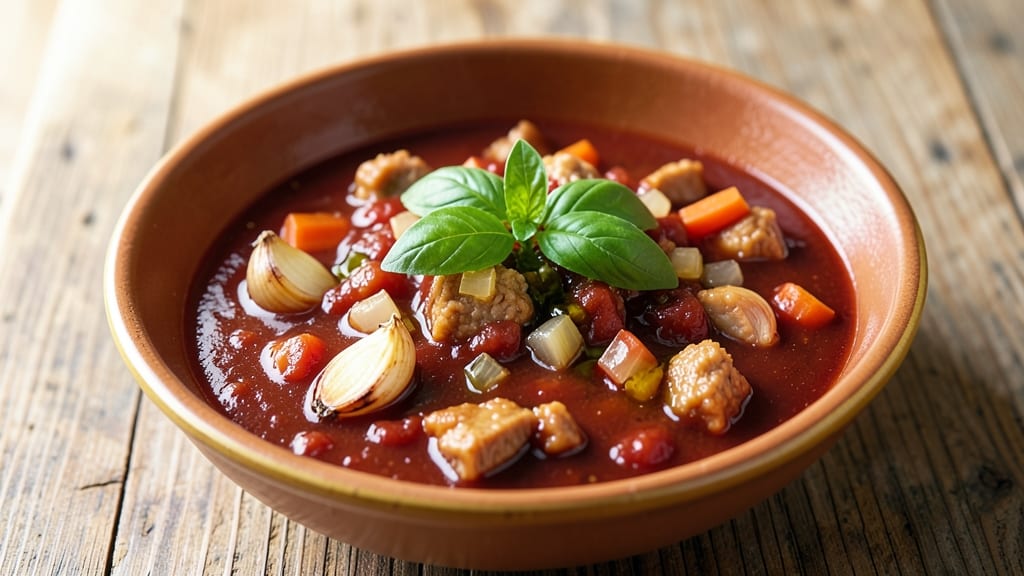
This American Heart Association spaghetti sauce delivers bold, tomato-rich flavor while meeting strict heart-healthy guidelines—no added salt, minimal saturated fat, and packed with nutrients. The secret lies in balancing acidity with natural umami from garlic, herbs, and lean ground turkey, creating depth without excess sodium.
What makes this sauce stand out is how it transforms simple ingredients into a restaurant-quality base that still supports heart health.
Designed with the American Heart Association's dietary recommendations in mind, this recipe uses tomato paste, fresh garlic, and aromatic herbs to build flavor while keeping sodium under 150mg per serving. The lean ground turkey adds protein without the saturated fat of traditional beef, and whole-grain pasta boosts fiber when paired.
Unlike store-bought sauces loaded with preservatives, this version lets the natural sweetness of tomatoes shine with just a touch of sweetener if needed.
The result is a nutrient-dense sauce with vibrant color, complex layers of flavor, and a texture that clings perfectly to pasta. It's ideal for meal prep—freezes beautifully for up to 3 months—and pairs equally well with whole-wheat noodles, zucchini noodles, or as a marinara for chicken or fish.
The recipe maintains all the comforting qualities of classic spaghetti sauce while aligning with heart-smart eating principles.
Perfect for weeknight dinners, batch cooking, or gifting to health-conscious friends, this sauce proves heart-healthy cooking doesn't mean sacrificing flavor. The ingredient list is simple but powerful, and the instructions are straightforward enough for beginners while delivering professional results. Let's make this sauce your new go-to for nutritious, satisfying meals.
Ingredients for american heart association spaghetti sauce
Simple ingredients meeting heart-healthy standards create restaurant-quality spaghetti sauce without added salt.
| Ingredient | Amount | Notes |
|---|---|---|
| Extra-Virgin Olive Oil 🫒 | 1 tbsp | For sautéing aromatics |
| Yellow Onion 🧅 | ½ cup | Diced, medium size |
| Carrots 🥕 | ½ cup | Diced, medium size |
| Garlic Cloves 🧄 | 4 cloves | Minced, fresh preferred |
| Lean Ground Turkey 🍗 | ¾ lb | 93% lean or higher |
| Tomato Paste 🍅 | ½ cup | No salt added |
| Crushed Tomatoes 🍅 | 14 ½ oz | No salt added |
| Low-Sodium Chicken Broth 💧 | 1 cup | Homemade or store-bought |
| Fresh Basil Leaves 🌿 | ¼ cup | Chopped, stems removed |
| Fresh Oregano Leaves 🍃 | ¼ cup | Chopped, stems removed |
| Red Wine Vinegar 🍷 | 1 tbsp | For acidity balance |
| Pure Maple Syrup 🍯 | 1 tsp | Optional, for sweetness |
| Diamond Crystal Kosher Salt 🧂 | ¼ tsp | For seasoning only |
| Freshly Ground Black Pepper 🌶️ | ¼ tsp | Freshly ground preferred |
The foundation begins with San Marzano crushed tomatoes—their natural sweetness and low acidity shine without added salt. Whole Foods or Trader Joe's carry these premium cans, or look for 'no salt added' labels on any brand. For the lean ground turkey, 93% lean or higher is critical to minimize saturated fat while keeping protein intact. I prefer Butcher's Brand or store-brand ground turkey from the meat counter, as it's typically fresher than pre-packaged options. The tomato paste should be no salt added—check the label, as some brands sneak in sodium. Fresh herbs like basil and oregano add vibrant flavor without the need for excess salt, so prioritize fresh over dried whenever possible.
No red wine vinegar? Apple cider vinegar or balsamic vinegar work in a pinch, though the flavor profile shifts slightly. Substituting dried herbs? Use one-third the amount of fresh—dried oregano is a good stand-in for the fresh leaves. Short on time? Pre-minced garlic from the jar saves steps, though fresh still delivers deeper flavor. The maple syrup is optional but helps balance acidity naturally—pure maple is preferred over pancake syrup. For the broth, low-sodium chicken broth is essential; homemade is ideal, but store-bought options like Pacific Foods or Imagine brands meet the sodium requirements.
This sauce freezes beautifully for up to 3 months—portion into 1-cup containers for easy reheating. Store fresh in an airtight container in the fridge for 5-7 days. The flavors deepen overnight, so making it a day ahead is ideal. For meal prep, pair with whole-grain pasta to boost fiber intake. The sauce also works as a marinara for grilled chicken or fish, maintaining its heart-healthy profile while delivering rich, umami-packed flavor.
Why You'll Love This Recipe
- No Chopping Chaos: I swear by this recipe because it only asks for one onion and carrots—both diced, but honestly? They’re forgiving. Even if you roughly chop them, the simmering softens everything into oblivion. My kids think I’m a hero because they don’t even notice when I skip the food processor.
- Lean but Loaded: That ground turkey packs a punch without the guilt. The olive oil caramelizes the onions until they’re sweet and jammy, then the garlic hits like a warm hug. Between us, I’ve made this sauce with cheaper meat before, but this version? It’s the only one my picky husband doesn’t eye suspiciously.
- Freezer-Friendly Hero: Make a double batch and stash half in the freezer—it’s my secret to stress-free weeknights. Thaw overnight, toss with pasta, and boom: dinner’s ready. I’ve pulled this out for lazy Sundays, last-minute date nights, and even as a quick lunch when I’m running late. It’s the ultimate lazy-day lifesaver.
- Budget Meets Bold: This recipe costs me about half what store-bought sauce does, and it tastes like I actually cooked it. The carrots add natural sweetness, the turkey keeps it heart-healthy, and the olive oil makes it rich without breaking the bank. My wallet and my taste buds both win—no compromises.
Step-by-step instructions for heart-healthy spaghetti sauce
This method delivers rich flavor while keeping sodium in check—every technique matters.
Sauté Aromatics Until Fragrant
Heat the 1 tablespoon extra-virgin olive oil in a large Dutch oven over medium heat. Add the ½ cup diced yellow onion and ½ cup diced carrots, cooking for 5-6 minutes until softened and translucent. The onions should release their sweetness while the carrots begin to caramelize slightly at the edges.
Add the 4 minced garlic cloves and cook for another 30 seconds until fragrant—don't let it brown, or you'll get bitter flavors. Here's the thing: proper aromatics development creates that restaurant-quality depth without needing excess salt. Keep stirring occasionally to prevent sticking, and maintain medium heat throughout this process.
Brown the Ground Turkey
Push the vegetable mixture to one side of the pot and add the ¾ pound lean ground turkey to the empty space. Cook over medium-high heat for 5-6 minutes, breaking up any large clumps with a wooden spoon, until the turkey loses its raw color and becomes lightly browned throughout.
This browning step is crucial for developing meaty flavor. If the turkey starts to stick, add 1 tablespoon of the low-sodium chicken broth to deglaze. Once fully cooked, stir the turkey back into the vegetable mixture and cook together for 2 minutes to combine all the flavors.
Build the Sauce Base
Reduce heat to medium-low and stir in the ½ cup tomato paste. Cook for 3-4 minutes, stirring constantly, until the paste darkens slightly and the raw taste disappears. This creates a rich foundation for your sauce without needing added salt.
Add the 14.5 ounces crushed tomatoes and 1 cup low-sodium chicken broth, stirring well to combine. Bring the mixture to a gentle simmer, then reduce heat to low. Let it cook uncovered for 15 minutes, stirring occasionally, until the liquid reduces slightly and the flavors meld together. You'll notice the sauce becoming thicker and more concentrated.
Season and Simmer
Stir in the 1 tablespoon red wine vinegar, 1 teaspoon pure maple syrup, ¼ teaspoon Diamond Crystal kosher salt, and ¼ teaspoon freshly ground black pepper. The vinegar brightens the flavors while the maple syrup adds subtle sweetness that balances the acidity.
Add the ¼ cup chopped fresh basil leaves and ¼ cup chopped fresh oregano leaves, stirring gently to incorporate. Cover the pot and simmer for 20-25 minutes on low heat, stirring occasionally. The sauce should thicken gradually and develop a rich, aromatic depth. Taste as you go—this is where you can adjust seasoning if needed, though the recipe is carefully balanced.
Finish and Rest
Remove the sauce from heat and let it sit uncovered at room temperature for 10 minutes. This resting period allows the flavors to fully meld and the texture to settle. The sauce will thicken slightly as it cools, which is exactly what you want for that perfect spaghetti sauce consistency.
Before serving, give it one final taste and adjust seasoning if needed. This heart-healthy sauce delivers all the rich, tomatoey flavor you love without the excess sodium. Serve over whole wheat spaghetti and enjoy the perfect balance of nutrition and taste.
Pro Tips For Making American Heart Association Spaghetti Sauce
- CRUSH THE ONIONS: Dice them small—no bigger than ¼-inch pieces—so they melt into the sauce instead of sitting as chewy chunks. I used to eyeball it and ended up with onion-flavored spaghetti instead of a smooth base. A sharp knife and a steady hand make this faster than you’d think.
- SWEAT THE CARROTS LOW: Cook them on medium-low for at least 8–10 minutes until they’re fork-tender, not just softened. High heat turns them mushy and releases too much starch, which can make your sauce gluey. Sounds boring, but it’s the thing that matters most for texture.
- BREAK THE TURKEY UP: Use your fingers to separate the ground turkey into small, uneven clumps before browning—it crisps faster and renders fat more evenly. I learned this the hard way after ending up with a pile of pale, greasy meat. A wooden spoon helps break it up without overworking it.
- SAVE THE GARLIC: Mince it just before adding to the sauce—fresh garlic loses flavor fast once exposed to air. Store the whole cloves in the fridge until you’re ready, then mince right into the pan. (Yes, even if you’re impatient like me.)
Wine and beer pairings for this recipe
Light Red Wine
An Italian Chianti Classico or Sangiovese pairs beautifully with this heart-healthy sauce, as their bright acidity and earthy notes complement the tomato base. Look for a medium-bodied red with 12-14% alcohol—something like Castello di Volpaia Chianti or Fattoria Le Pupille from Tuscany.
Serve slightly chilled (55-60°F) to enhance the sauce's vibrant flavors without overpowering them. 🍷
Crisp White Wine
For a lighter option, try a Vermentino from Sardinia or a Pinot Grigio from Alto Adige. These whites have enough acidity to cut through the richness of the sauce while highlighting the fresh basil and oregano.
A Vermentino di Sardegna like Cantina Mesu 'e Mesu offers citrusy notes that refresh your palate with each bite.
Craft Beer Pairings
A Belgian witbier like Hoegaarden or Stella Artois adds a fun, effervescent contrast to the sauce's depth. The coriander and orange peel notes in witbiers complement the fresh herbs and tomato sweetness.
For a bolder option, try a light lager such as Peroni or Heineken, which cleanses the palate without competing with the dish. 🍺
Non-Alcoholic Options
Sparkling San Pellegrino Aranciata or Fever-Tree Blood Orange Soda offers a refreshing, citrusy alternative. The bubbles and citrus flavors mirror the acidity in the sauce, while the blood orange adds a subtle sweetness. For something herbal, try unsweetened hibiscus tea chilled—it enhances the tomato's natural brightness without alcohol.
Regional Adaptations
In Southern Italy, this sauce would traditionally pair with a bold Aglianico from Campania, while Northern Italian regions might opt for a Barbera d'Asti. For a modern twist, try a California Zinfandel—its jammy fruit notes balance the sauce's acidity beautifully.
The key is matching the wine's acidity and body to the sauce's intensity.
Nutrition facts
Frequently asked questions
Can I substitute beef for the ground turkey?
While you can use lean ground beef (like 90% lean chuck), it will increase saturated fat content. For a heart-healthy version, stick with turkey or try lean ground chicken instead. If using beef, reduce the portion to ½ pound and add extra vegetables to balance the meal's nutrition profile.
How do I make this sauce even lower in sodium?
Skip the ¼ teaspoon kosher salt entirely and rely on natural flavors from garlic, herbs, and vinegar. Use no-salt-added tomato products and homemade low-sodium broth (simmer chicken bones with herbs only). The acidity from vinegar and sweetness from maple syrup will enhance perceived saltiness without actual sodium.
Can I make this sauce in a slow cooker?
Sauté the aromatics and brown the turkey in a skillet first, then transfer everything to the slow cooker. Cook on low for 6-8 hours or high for 3-4 hours, stirring occasionally. The slow cooking intensifies flavors naturally. For best texture, reduce the broth by ½ cup before serving.
What's the best way to store and reheat leftovers?
Store in an airtight container in the fridge for 5-7 days or freeze for up to 3 months. Reheat gently on low heat with a splash of water or broth to prevent thickening. Never microwave directly from frozen—thaw overnight first. The sauce tastes even better reheated as flavors meld further.
How can I adjust the texture for thicker/thinner sauce?
For thicker sauce, simmer uncovered for 10-15 extra minutes to reduce liquid. For thinner sauce, stir in 1-2 tablespoons low-sodium broth. If too thick after freezing, add 1 tablespoon water and simmer 5 minutes. The key is balancing consistency without compromising flavor—small adjustments make all the difference.