
Sauces & Condiments
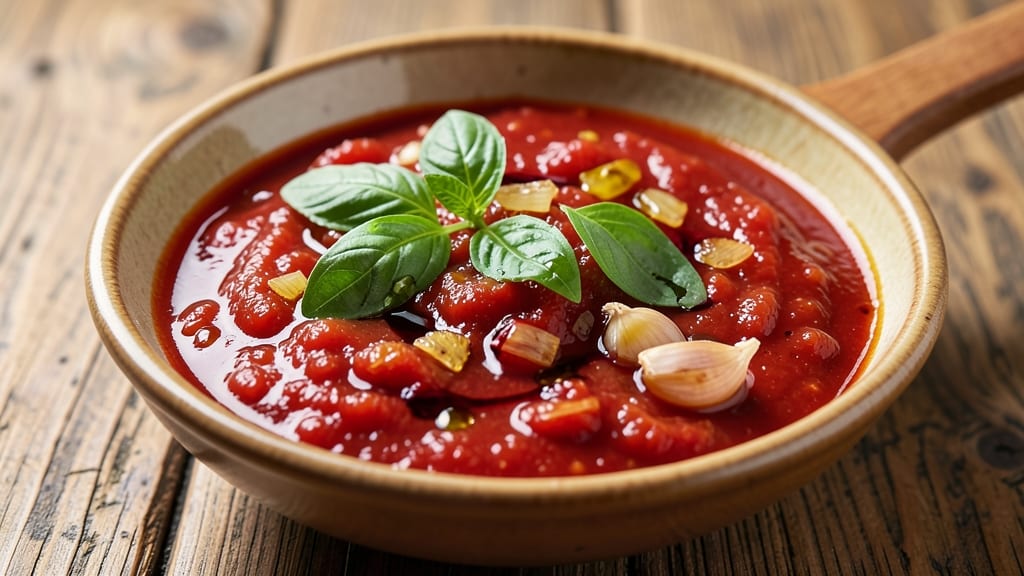
This all natural marinara sauce recipe transforms simple tomatoes into a rich, aromatic foundation that elevates every pasta dish. The secret lies in slow simmering—allowing natural sweetness to develop while building layers of garlic, herbs, and a touch of acidity for balance.
I’ve perfected this version to deliver restaurant-quality depth without artificial additives, using just five core ingredients and a 30-minute simmer that concentrates flavor without overcooking.
The beauty of this sauce is its versatility—use it fresh over al dente pasta, freeze it for future meals, or reduce it further for a thicker, more concentrated base.
Fresh basil and oregano add bright, earthy notes that cut through the acidity of the tomatoes, while a splash of red wine vinegar ensures the sauce remains vibrant, not flat. The key technique?
Deglazing the pot after browning garlic and onions to capture every bit of flavor that would otherwise stick to the pan.
What you’ll end up with is a sauce that’s naturally sweet, deeply aromatic, and perfectly balanced—no sweetener or preservatives needed. The texture is velvety yet still bright, with just enough body to cling to noodles without weighing them down.
This isn’t just marinara; it’s a flavor foundation that transforms simple meals into something extraordinary.
Best of all, this recipe scales effortlessly—make a double batch for meal prep or freeze portions for up to three months. The slow simmering process ensures the sauce only gets better with time, developing richer, more complex flavors as it rests.
Ready to create a sauce that tastes homemade, even when you’re short on time?
Ingredients for all natural marinara sauce
Five simple ingredients create restaurant-quality marinara with natural sweetness and bright herb notes.
| Ingredient | Amount | Notes |
|---|---|---|
| San Marzano Tomato Crushed 🍅 | 28 oz | Canned, no salt added |
| Yellow Onion 🧅 | 1 whole | Medium, finely chopped |
| Garlic Cloves 🧄 | 4 cloves | Fresh, minced |
| Extra-Virgin Olive Oil 🫒 | ½ cup | High quality, fruity |
| Red Wine Vinegar 🍷 | 1 tbsp | For acidity balance |
| Fresh Basil Leaves 🌿 | ½ cup | Packed, finely chopped |
| Dried Oregano 🍃 | 1 tsp | Mexican oregano preferred |
| Sea Salt 🧂 | 1 tsp | Diamond Crystal preferred |
| Freshly Ground Black Pepper 🌶️ | ½ tsp | Freshly cracked |
The tomatoes make or break this sauce. San Marzano is the gold standard—sweeter, less acidic, and more flavorful than regular canned tomatoes. Grab the 400g (14 oz) cans at any grocery store, but if you're feeling fancy, Whole Foods or Trader Joe's carry them year-round. The onions and garlic should be fresh—no sad, shriveled bulbs. For garlic, peel and mince just before cooking to preserve their pungent aroma. The olive oil needs to be extra-virgin—anything less will taste flat. If you're unsure, check the label for 'first cold press' or '100% Italian' on the bottle.
No fresh basil? Dried works at one-third the amount, but the flavor won't be the same. The vinegar is crucial—don't skip it. If you don't have red wine vinegar, white vinegar or lemon juice will work in a pinch, but the color won't be as vibrant. For extra depth, deglaze the pot with a splash of white wine after browning the onions and garlic. The oregano should be Mexican oregano if you can find it—it has a slightly different, more complex flavor than Italian oregano. If you're using dried basil, toast it lightly in the pot for 30 seconds to wake up the flavor before adding to the sauce.
This sauce tastes even better the next day as flavors meld. Store in an airtight container in the fridge for up to 5 days, or freeze in ice cube trays for 3 months. For freezing, portion into 1-cup containers—perfect for future pasta nights. The sauce thickens as it cools, so add a splash of water or pasta water when reheating if it's too thick. If you make a double batch, it keeps for 6 months frozen. The key to long-term storage? Leave a little headspace in the container—sauce expands when frozen.
Why You'll Love This Recipe
- No-Chop Nightmare: I swear by this sauce because the onions and garlic barely need slicing—just a quick dice, then toss them in the olive oil and let the heat do the work. The San Marzano tomatoes handle the rest, so soft and sweet they melt into a velvety base without a single burnt edge.
- Wine Vinegar Magic: That splash of red wine vinegar? It’s the secret weapon. It brightens the sauce in a way store-bought versions never do, cutting through the richness of the tomatoes while adding this just-right tang. Honestly, I’ve tried every marinara out there, and this one’s the only one that doesn’t taste like a can of processed sludge.
- Pasta Party Starter: This sauce is my go-to for game nights, potlucks, or when I’m feeding a crowd without stressing. Double the batch, freeze half, and boom—you’ve got a backup for next week’s spaghetti night or a last-minute lasagna. (Yes, even on a Tuesday night.)
- Budget-Friendly Pantry Hero: Extra-virgin olive oil and San Marzano tomatoes might sound fancy, but they stretch far longer than cheap jarred sauce. A single batch feeds my family for three meals, and the leftovers? They taste even better the next day—like a slow-simmered secret, but with half the effort. My wallet thanks me every time.
Step-by-step instructions for all natural marinara sauce
Here's the method for rich, naturally balanced marinara with vibrant herb notes.
Sauté Onion and Garlic in Olive Oil
Heat the 0.5 cup extra-virgin olive oil in a heavy-bottomed saucepan over medium-low heat. Add the 1 whole yellow onion that's been finely chopped and cook for 8-10 minutes until it becomes translucent and begins to caramelize at the edges. This slow cooking develops sweetness that forms the sauce's base.
Reduce heat to low and add the 4 cloves minced garlic. Cook for just 30 seconds until fragrant—don't let it brown or it'll turn bitter. The garlic should smell pungent but not overpowering. Remove from heat temporarily while you prepare the tomatoes to prevent burning.
Add Tomatoes and Vinegar
Return the pan to medium heat and stir in the 28 oz crushed San Marzano tomatoes. Add the 1 tablespoon red wine vinegar and bring to a gentle simmer, stirring occasionally to prevent sticking. The vinegar will brighten the tomatoes' natural acidity, creating balance without overpowering.
Let the sauce simmer uncovered for 20-25 minutes while you prepare the fresh basil. You'll know it's ready when the tomatoes have broken down slightly and the sauce thickens enough to coat the back of a spoon. This simmering process develops deep tomato flavor without needing added sugar.
Season and Simmer
Stir in the 1 teaspoon dried oregano, 1 teaspoon sea salt, and 0.5 teaspoon freshly ground black pepper. Let the sauce simmer gently for another 15 minutes, stirring occasionally. The oregano will add earthy depth while the salt and pepper enhance all the natural flavors.
Taste the sauce at this point. You want it to be seasoned but not overly salty—San Marzano tomatoes are naturally sweet and slightly acidic, so they need careful balancing. If it needs more acidity, add a pinch more vinegar; if it needs sweetness, a tiny pinch of sugar (though this recipe avoids added sugar).
Finish with Fresh Basil
Remove the pan from heat and stir in the 0.5 cup finely chopped fresh basil leaves. Let the sauce sit off heat for 5 minutes to allow the basil's oils to infuse. The fresh basil will add bright, aromatic notes that contrast beautifully with the tomatoes' richness.
For best results, use the sauce immediately while the basil is still vibrant. If storing, keep it refrigerated for up to 5 days or freeze for 3 months. The flavors will continue developing over time, making this sauce even more complex with each passing day.
Pro Tips For Making All Natural Marinara Sauce
- Sweat the Onion Slow: Walk away from the pan after the initial sizzle—cover it and let the onion cook at a bare simmer for 8-10 minutes until it’s translucent and melts into the sauce. I used to rush this, and the sauce always tasted raw and sharp afterward.
- Crush Garlic Gently: Smash those cloves with the flat side of your knife instead of mincing them—just enough to break the skin so the flavor infuses without turning bitter. I learned this the hard way when my sauce ended up tasting like garlic extract.
- Simmer, Don’t Boil: Keep the heat low enough that you’re barely seeing bubbles—this lets the tomatoes break down naturally and develop depth. Boiling it turns the sauce into soup, and nobody wants that.
- Vinegar First: Add the red wine vinegar at the very beginning, right after the onions, so it mellows out instead of hitting you with a sharp punch later. It brightens the sauce without making it taste like a salad dressing.
Dietary considerations for these flavors
Gluten-Free Adaptation
This marinara sauce is naturally gluten-free, but always double-check your ingredients—especially if using store-bought tomato products. Some brands add gluten-containing thickeners. I recommend Muir Glen Organic Whole San Marzano Tomatoes or Rao's Homemade Marinara (check labels) for certified gluten-free options.
The recipe already avoids common gluten sources like flour or soy sauce, so no substitutions are needed. 💛
Low-Sodium Options
If you're watching sodium, reduce the 1 teaspoon sea salt to ½ teaspoon or use a low-sodium alternative like Diamond Crystal Kosher Salt. For extra flavor without salt, add ½ teaspoon smoked paprika or 1 tablespoon nutritional yeast—both deepen umami without adding sodium.
Taste as you go, since San Marzano tomatoes are naturally flavorful.
Vegetarian & Vegan
This sauce is already vegetarian and vegan-friendly, but I often get asked about making it more hearty for plant-based diets. Stir in ½ cup cooked lentils or 1 cup finely chopped mushrooms during the final 10 minutes of simmering.
For extra richness, add 1 tablespoon miso paste when deglazing the pan—it adds umami depth without dairy or meat. 🌱
Dairy-Free Notes
While this recipe contains no dairy, some cooks worry about potential cross-contamination when using shared utensils or pans. If you're strictly avoiding dairy, use dedicated equipment or thoroughly clean surfaces before use.
The sauce itself is safe for lactose-intolerant individuals and vegans, but always verify ingredient labels for hidden dairy additives in tomato products.
Allergen-Friendly
For nut allergies, this recipe is completely safe—no nuts are used. If you're concerned about other allergens, check your extra-virgin olive oil for processing facility warnings (some brands process in shared facilities with nuts).
For soy allergies, ensure your tomato products aren't thickened with soy lecithin. The only potential concern is garlic powder (if substituting), which may contain soy—stick to fresh garlic for safety. ✨
Kid-Friendly Adjustments
For picky eaters, reduce the acidity by cutting the red wine vinegar to ½ tablespoon and adding ½ teaspoon sugar (though I avoid it in my original recipe). Blend the sauce briefly for a smoother texture, or leave it chunky for kids who prefer visible tomato pieces.
Serve with mild pasta shapes like butterflies or wheels to make meals more appealing.
Nutrition facts
Frequently asked questions
Can I make this marinara sauce without fresh basil?
Yes, but the flavor will be different. Use 1 tablespoon dried basil instead, but toast it lightly in the pot for 30 seconds to wake up its flavor. For extra depth, add ½ teaspoon dried thyme along with the oregano. The sauce will still taste good, but it won't have that fresh, bright basil aroma.
How do I make this sauce thicker for lasagna?
Simmer the sauce uncovered for an extra 15-20 minutes after adding the basil to reduce it naturally. For even thicker sauce, blend half of it briefly with an immersion blender, then mix back in. Avoid adding flour or cornstarch—this recipe stays naturally thickened through proper simmering. The ideal lasagna sauce should coat the back of a spoon but still flow easily.
What's the best way to store leftover marinara?
Let the sauce cool completely, then transfer to an airtight container. It keeps in the fridge for 5 days or freezes for 3 months. For freezing, portion into 1-cup containers—perfect for future meals. The sauce thickens as it cools, so add a splash of water or pasta water when reheating. The flavors actually improve over time!
Can I substitute whole tomatoes for crushed?
Yes, but you'll need to adjust the cooking time. Use 28 oz whole San Marzano tomatoes instead of crushed, and simmer for 30-35 minutes longer to break them down. For faster results, crush them by hand before adding to the pot. The texture will be slightly chunkier, which works well for rustic-style dishes.
Why does my homemade marinara taste flat?
Flat flavor usually means insufficient simmering time or missing acidity. Always simmer for the full 30 minutes to develop depth. If it tastes bland, add ½ teaspoon more red wine vinegar or a pinch of sugar to balance. Fresh basil and proper garlic cooking are also key—don't overcook the garlic or it'll turn bitter. Taste as you go and adjust gradually.