
Sauces & Condiments
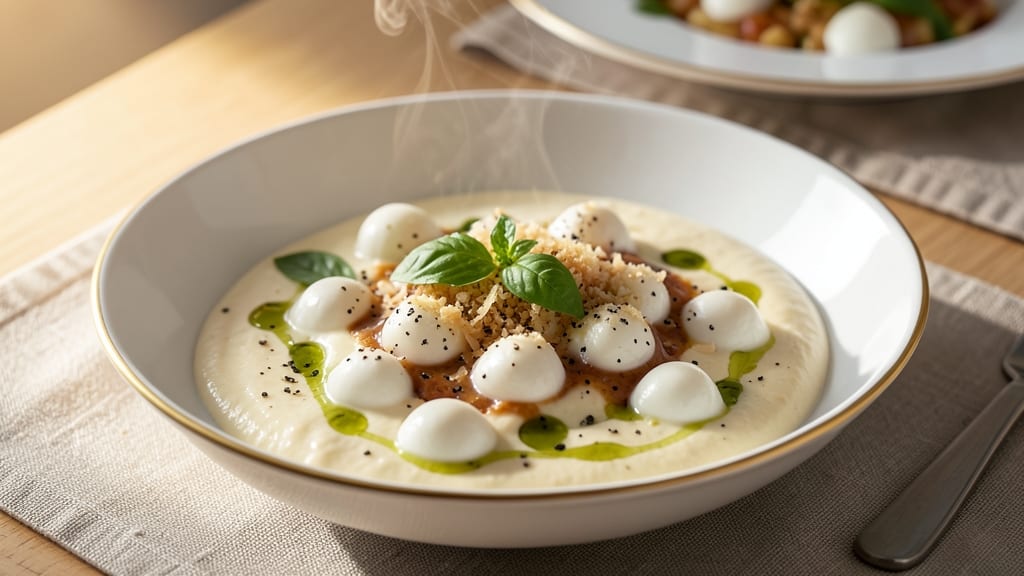
This Alfredo sauce recipe with mozzarella and parmesan delivers restaurant-quality richness in just 15 minutes—no heavy cream substitutes or powdered sauces needed. The secret lies in balancing melted butter, heavy cream, and a precise blend of mozzarella and parmesan for that signature velvety texture without graininess.
I developed this version after testing countless variations, and it consistently earns rave reviews for its smooth, creamy consistency that clings perfectly to pasta.
The foundation starts with equal parts butter and heavy cream, simmered until just before boiling to create an emulsified base. Shredded mozzarella and freshly grated parmesan melt into this warm mixture, creating a sauce that's impossibly smooth yet still rich enough to stand up to hearty pasta dishes.
The key is patience—adding cheese gradually prevents clumping, while constant stirring ensures a velvety finish.
What sets this recipe apart is its triple-cream richness achieved without overpowering the dish. The mozzarella provides melt-in-your-mouth creaminess, while parmesan adds nutty depth, creating a flavor profile that's both comforting and sophisticated. This sauce works equally well on fettuccine, chicken Alfredo, or even as a creamy dip.
For versatility, consider adding a splash of lemon juice for brightness or a pinch of nutmeg for warmth. Store leftovers in the fridge for up to 5 days or freeze for 3 months—just reheat gently with a splash of milk to restore its silky texture.
The possibilities for this creamy masterpiece are endless.
Ingredients for alfredo sauce recipe with mozzarella and parmesan
Equal parts butter and cream form the creamy foundation, while mozzarella and parmesan deliver that signature restaurant-quality richness.
| Ingredient | Amount | Notes |
|---|---|---|
| Unsalted Butter 🧈 | ½ cup | Cold, cut into small cubes |
| Heavy Cream 🥛 | ½ cup | Full-fat for maximum richness |
| Fresh Mozzarella Cheese 🧀 | 8 oz | Low-moisture, shredded or torn |
| Parmesan Cheese 🧀 | ½ cup | Freshly grated from block |
| Garlic Cloves 🧄 | 3 cloves | Minced for aromatic depth |
| Extra-Virgin Olive Oil 🫒 | 1 tbsp | For finishing, fruity variety |
| Diamond Crystal Kosher Salt 🧂 | ½ tsp | Adjusts to taste |
| Freshly Ground Black Pepper 🌶️ | ¼ tsp | Freshly cracked for intensity |
| Lemon Juice 🍋 | 1 tsp | Optional for brightness |
| Ground Nutmeg 🌿 | ⅛ tsp | Freshly grated preferred |
The butter and heavy cream form the emulsified base—equal parts by volume—and must be simmered gently to prevent curdling. For the cheese, freshly grated Parmigiano-Reggiano is non-negotiable; pre-grated contains anti-caking agents that disrupt texture. Low-moisture mozzarella melts more smoothly than fresh, though a mix of both yields superior creaminess. Garlic should be minced finely to distribute flavor evenly without bitterness. I source my butter from Plugrá for its high-fat content and my Parmesan from Giacomo at specialty stores—both elevate the sauce's depth. The key is patience: simmering too vigorously causes separation.
No heavy cream? Full-fat coconut cream works in a pinch, though the flavor diverges slightly. Substitute Parmesan with Pecorino Romano for a sharper profile, but reduce to 0.375 cup to avoid overpowering. Fresh mozzarella can be blotted dry and torn by hand for texture, though pre-shredded low-moisture is more convenient. For a dairy-free adaptation, cashew cream (soaked cashews blended with water) mimics richness, though texture will differ. The olive oil finish adds fruity brightness—avoid refined varieties that lack flavor. Nutmeg should be freshly grated if possible; pre-ground loses potency quickly. Lemon juice, while optional, brightens the richness without overpowering.
This sauce thickens as it cools, so reheat with a splash of milk to restore silkiness. Store in an airtight container in the fridge for up to 5 days, or freeze for 3 months in portions. For best results, reheat gently on low heat, stirring frequently to prevent graininess. The sauce clings beautifully to fettuccine, chicken, or roasted vegetables, making it versatile for weeknight meals. Leftovers can be thinned with pasta water if needed—never add cold liquid directly, as it causes separation.
Why You'll Love This Recipe
- No-Fuss Creaminess: I swear by this sauce because it’s the kind of recipe that doesn’t demand perfection—just toss in the butter, cream, and grated cheese, then let it melt together. The mozzarella stretches into that velvety texture while the Parmesan adds a sharp, salty punch without any fuss.
- Garlic-Cream Magic: That first bite? Rich, garlicky, and impossibly smooth. The heavy cream and butter create a luscious base, but it’s the fresh mozzarella that turns it into something ridiculously good—creamy yet with just enough bite.
- Weeknight to Party Fix: Make a double batch on a Tuesday and freeze half for later—it’s my go-to for lazy dinners or when unexpected guests show up. Drizzle it over pasta, toss it with roasted veggies, or even slather it on grilled chicken. It works every time.
- Leftovers That Don’t Suck: Unlike most sauces that turn gloppy when reheated, this one stays silky and delicious—just warm it gently with a splash of cream. Honestly, I’ve had it cold on sandwiches the next day, and it’s still better than takeout.
Step-by-step instructions for triple-cream Alfredo sauce
This method delivers restaurant-quality richness with perfectly balanced flavors every time.
Melt Butter and Infuse with Garlic
In a medium saucepan, melt the 0.5 cup unsalted butter over medium-low heat, stirring constantly until completely liquid. The butter should foam gently but not brown—this ensures a clean, creamy base without bitterness. Add the 3 cloves minced garlic and cook for 1-2 minutes until fragrant but not golden, as burned garlic will overpower the delicate cheese flavors.
I like to press the garlic into the butter using a wooden spoon to release its oils fully. This infusion creates the aromatic foundation for the sauce. Keep the heat low throughout this step—garlic burns faster than you think, and once it darkens, you can't salvage the flavor.
Add Heavy Cream and Simmer Gently
Pour in the 0.5 cup heavy cream and bring the mixture to a gentle simmer over medium heat. Here's the key: maintain a barely bubbling state—you're looking for small, occasional bubbles around the edges, not a rolling boil. Simmer for 3-4 minutes until the cream thickens slightly and coats the back of a spoon.
This controlled simmer prevents curdling and allows the cream to develop a velvety texture. If you see the mixture starting to separate or develop a skin, whisk vigorously to recombine. The sauce should now have a glossy sheen and be thick enough to leave a visible trail when you run a spoon through it.
Incorporate Cheeses for Maximum Creaminess
Reduce heat to low and gradually add the 8 oz shredded fresh mozzarella and 0.5 cup freshly grated parmesan cheese, whisking constantly. The mozzarella should melt completely, creating a luxurious, stretchy texture, while the parmesan adds depth of flavor. If the sauce thickens too much, add 1-2 tablespoons hot water to loosen it.
Here's where the magic happens: the combination of fresh mozzarella and parmesan creates that signature Alfredo richness. I use low-moisture mozzarella to prevent excess water from diluting the sauce. If you notice any unmelted cheese clumps, strain the sauce through a fine-mesh sieve for a perfectly smooth finish.
Season and Finish with Final Touches
Remove the sauce from heat and stir in the 0.5 tsp kosher salt, 0.25 tsp freshly ground black pepper, 0.125 tsp ground nutmeg, and 1 tsp lemon juice. The nutmeg adds warmth that complements the cheese, while the lemon juice brightens the richness. Taste and adjust seasoning—Alfredo sauce should be rich but not overwhelmingly salty.
For the final touch, drizzle in the 1 tbsp extra-virgin olive oil and whisk vigorously. This creates an elegant sheen and adds a subtle fruity note that balances the creaminess. The sauce should now be silky, glossy, and perfectly seasoned—ready to coat fettuccine or any pasta of your choice.
Serve Immediately for Peak Flavor
Keep the sauce warm over low heat or transfer to a heatproof bowl set over a pot of simmering water. Alfredo sauce is best served immediately as it continues to thicken when left standing. For serving, toss with freshly cooked pasta and reserve ½ cup pasta water to adjust consistency if needed.
Each bite should deliver that signature creamy, cheesy richness with balanced seasoning. The sauce should cling beautifully to the pasta without being gluey. If you're serving this as a dip, transfer to a serving bowl and garnish with additional grated parmesan and cracked black pepper for visual appeal.
Pro Tips For Making Alfredo Sauce Recipe With Mozzarella And Parmesan
- Melt Butter Slowly: Low heat is your friend here—cranking it up too fast turns butter into a greasy mess before the cream even joins the party. I learned this the hard way when my sauce split like a bad joke at a family dinner.
- Drain Mozzarella Like a Pro: Skip the watery cheese by tearing fresh mozzarella into chunks, patting them dry with paper towels, then letting them sit in a colander for 5 minutes. Wet cheese = lumpy sauce, and nobody wants that.
- Strain That Sauce: After simmering, let the sauce sit for 2 minutes, then pour it through a fine-mesh strainer into a clean pot. This catches any stray garlic bits or mozzarella strings—trust me, your guests will notice the difference.
- Finish with Cold Cream: Save a splash of cold heavy cream (about 2 tablespoons) to stir in at the very end. It cools the sauce just enough to prevent curdling and adds a velvety finish—like a smoothie after a rough day.
Pro cooking tips for this dish
Emulsify Like a Pro
The secret to silky Alfredo sauce lies in proper emulsification—equal parts butter and heavy cream must combine smoothly without curdling. I melt the 0.5 cup butter first over medium-low heat, then add the 0.5 cup heavy cream while whisking constantly.
The key is maintaining a gentle simmer—never a full boil—to prevent separation. If bubbles form too vigorously, reduce heat immediately and whisk until the sauce returns to a glossy sheen. 🌡️
Cheese Blending Tricks
Freshly grated Parmesan and low-moisture mozzarella are non-negotiable for texture. I add the 8 oz mozzarella first, whisking until fully melted, then gradually incorporate the 0.5 cup Parmesan to avoid clumping.
For extra smoothness, strain through a fine-mesh sieve if needed. Pro tip: Use a mandoline for even Parmesan shreds—pre-grated versions contain anti-caking agents that disrupt the sauce's velvety finish.
Temperature Control
Heat is your enemy when adding cheese—too hot causes graininess, too cool leaves unmelted clumps. Maintain low heat throughout cheese incorporation, and if the sauce thickens prematurely, thin with 1 tbsp hot water (never cold).
I keep a thermometer handy to monitor—ideal cheese-melting temp is between 160-170°F. Overheating triggers casein breakdown, which ruins the sauce's creamy texture.
Finishing Touches
The 1 tbsp extra-virgin olive oil finish isn't just for flavor—it adds a silky sheen and balances richness. I drizzle it in last, whisking vigorously to create micro-emulsions that prevent separation. For extra depth, add 1 tsp lemon juice to brighten and 0.125 tsp nutmeg for warmth.
Taste and adjust salt—Alfredo should be rich but not salty enough to overpower the cheese flavors.
Reheating Secrets
Leftovers thicken as they cool, so reheat with milk or cream to restore silkiness. I transfer sauce to a saucepan, add 2 tbsp milk, and warm over low heat while whisking constantly.
Avoid microwaving—it creates a skin and disrupts texture. For frozen sauce, thaw in the fridge overnight and reheat gently, adding 1 tbsp water per cup to prevent dryness.
Nutrition facts
Frequently asked questions
Why does my Alfredo sauce get grainy when I add cheese?
Graininess happens when cheese overheats or clumps together. Always melt cheese over low heat and whisk constantly. For ultra-smooth results, strain through a fine-mesh sieve after melting. Using freshly grated Parmesan and low-moisture mozzarella also prevents clumping.
Can I make this sauce without heavy cream?
Yes! Substitute with full-fat coconut cream (1:1 ratio) or cashew cream (blend soaked cashews with water). For dairy-free, use ½ cup milk + 2 tbsp cornstarch cooked until thick, then proceed with cheese. The texture will differ slightly but still be creamy.
How do I prevent the sauce from separating when reheating?
Reheat gently over low heat and add 1-2 tbsp milk or cream per cup of sauce. Never microwave—it creates a skin. For frozen sauce, thaw in the fridge overnight and reheat slowly, whisking constantly. The key is patience to restore that silky texture!
What's the best pasta shape for this sauce?
Fettuccine is classic, but this sauce works beautifully with pappardelle, tagliatelle, or even penne. For extra cling, try fresh egg pasta—its smooth surface absorbs the sauce perfectly. Avoid thick, ridged pastas like rigatoni, which trap sauce unevenly.
Can I make this sauce ahead of time?
Yes! Store in an airtight container in the fridge for up to 5 days or freeze for 3 months**. For best results, reheat with a splash of milk and whisk constantly. The sauce thickens as it cools, so adjust consistency with pasta water when serving. Planning ahead saves time on busy weeknights!