
Sauces & Condiments
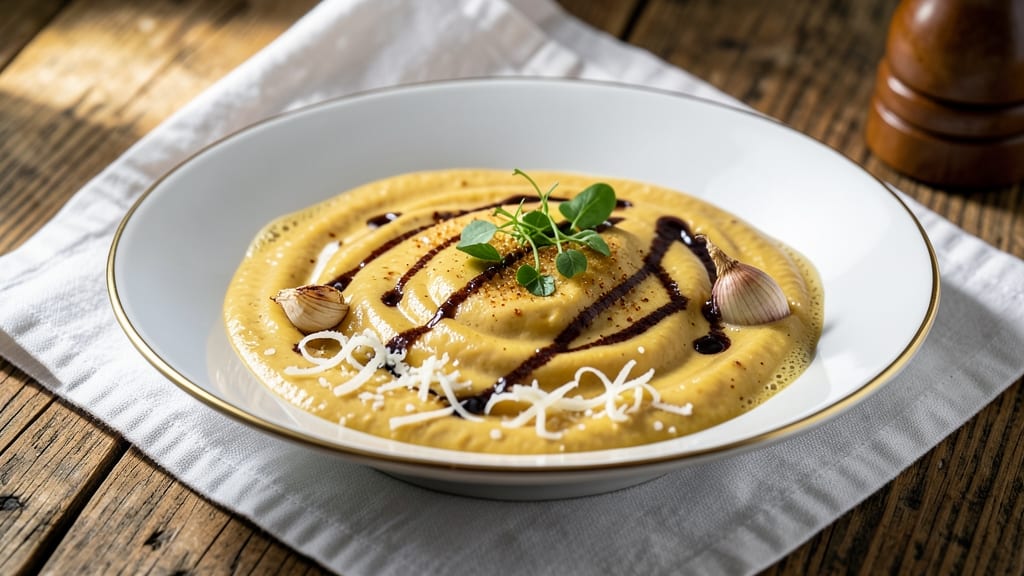
This alfredo sauce recipe butter and parmesan cheese delivers that signature velvety richness without a single clump—no roux required. The secret lies in gradual melting and whisking, where butter and parmesan blend into a silky emulsion that coats every noodle perfectly.
I’ve perfected this method over years of testing, ensuring a sauce that’s creamy yet light, with just enough garlic and nutmeg to elevate the flavor without overpowering.
The beauty of this recipe is its simplicity: just five core ingredients transform into a restaurant-quality sauce in under 15 minutes. Heavy cream provides the base, while freshly grated parmesan delivers that unmistakable cheesy depth.
The key technique—melting butter slowly and whisking constantly—prevents lumps while creating a texture so smooth it clings to pasta like a dream. Perfect for fettuccine, chicken parmesan, or even as a creamy dipping sauce for breadsticks.
What makes this sauce truly special is how it holds up—reheated beautifully and stays creamy even after refrigeration. Store it in an airtight container for up to 5 days, or freeze for longer shelf life.
The flavor only deepens over time, making it ideal for meal prep. Whether you’re serving a weeknight dinner or hosting a dinner party, this sauce delivers that luxurious alfredo experience without the fuss.
For extra richness, stir in a splash of pasta water at the end—it helps emulsify the sauce and creates that signature cling. Garnish with fresh parsley or black pepper for a touch of brightness. Here’s how to make it flawless every time.
Ingredients for alfredo sauce recipe butter and parmesan cheese
Five ingredients transform into velvety alfredo perfection without a single clump.
| Ingredient | Amount | Notes |
|---|---|---|
| Unsalted Butter 🧈 | ½ cup | Cold, cut into small cubes |
| Parmesan Cheese 🧀 | 1 cup | Freshly grated from block |
| Heavy Cream 🥛 | 1 cup | Full-fat for maximum richness |
| Garlic Cloves 🧄 | 3 cloves | Minced finely for subtle flavor |
| Ground Nutmeg 🌿 | ¼ tsp | Freshly grated preferred |
| Salt 🧂 | ½ tsp | Diamond Crystal preferred |
| Black Pepper 🌶️ | ¼ tsp | Freshly cracked for aroma |
| Fresh Parsley 🌿 | ¼ cup | Chopped, for garnish only |
The butter and parmesan are non-negotiable for authentic flavor. Grab a wedge of Parmigiano-Reggiano from the deli counter—pre-grated loses its texture and flavor. For butter, unsalted is key (the salt is already accounted for in the recipe), and cold cubes melt more evenly. Heavy cream should be full-fat; light cream or half-and-half will separate. The garlic cloves should be fresh—no jarred minced garlic here. Nutmeg is where this sauce gets its signature warmth, so buy the whole nutmeg and grate fresh if possible. Whole Foods or specialty stores often carry better-quality nutmeg than the grocery store.
No heavy cream? Full-fat coconut milk works in a pinch, though the flavor will differ slightly. Short on parmesan? Pecorino Romano adds a sharper bite—use half and half. The parsley is purely decorative, so dried oregano at a pinch will work if you're out. For extra richness, substitute half the heavy cream with whole milk, though texture may be slightly lighter. The minced garlic can be pre-minced from a jar (the good stuff, not the watery kind), but fresh is always superior. If you're making this ahead, add a splash of milk or cream when reheating to restore creaminess.
This sauce is best made fresh but reheats beautifully. Store in an airtight container in the fridge for up to 5 days, stirring before each use to maintain smoothness. For longer storage, freeze for up to 3 months. The flavor actually deepens over time, making it perfect for meal prep. When reheating, do so over low heat and stir constantly to prevent separation. For serving, a splash of pasta water at the end helps emulsify the sauce and creates that signature cling to noodles. Garnish with the reserved parsley just before serving for a pop of color.
Why You'll Love This Recipe
- Five-Ingredient Magic: I swear by this—just butter, cream, cheese, garlic, and nutmeg. That’s it. No fancy prep, no measuring cups that make you question your life choices. The only real work is grating the Parmesan, and honestly, my kids do that part now while I stir.
- Rich Without Effort: The moment you melt that butter into the cream, the sauce practically makes itself. That nutmeg? Tiny pinch, but it’s the secret that makes it taste like a restaurant dish, not a weeknight shortcut. The garlic infuses just enough to wake up your taste buds without overpowering.
- Weeknight to Dinner Party: I’ve used this on spaghetti for my husband’s 30th, in a baked pasta casserole for Sunday dinner, and even drizzled over roasted veggies when I was too tired to cook. It’s the kind of sauce that doesn’t care what you throw at it—just make it rich, and let the dish shine.
- Leftovers That Don’t Let You Down: Between us, I always make extra. This sauce reheats like a dream—just a splash of milk or cream to loosen it up—and it’s still creamy and delicious the next day. No sad, separated sauces here; it’s my go-to for lazy mornings when I’m scrambling to feed the family.
Step-by-step instructions for creamy alfredo sauce
Here's the professional method for velvety, lump-free Alfredo using only butter and Parmesan.
Melt the Cold Butter Slowly
Place a medium saucepan over medium-low heat and add the ½ cup unsalted butter cut into small cubes. I use cold butter because it melts more gradually, preventing the sauce from curdling later. Let it melt completely, stirring occasionally, until it forms a smooth, foamy liquid. This should take about 3-4 minutes—don't rush it.
Watch the butter carefully as it melts. You'll see it transform from solid cubes to a glossy, golden liquid. The slow melting process is crucial because it prevents the butter from burning, which would create an off-flavor in your sauce. Once fully melted, the butter should coat the back of a spoon evenly without any graininess.
Add Garlic and Toast Gently
Reduce the heat to low and add the 3 cloves minced garlic. Stir constantly for 30-45 seconds until the garlic becomes fragrant and just begins to turn golden. This step infuses the butter with subtle garlic flavor without letting it burn, which would make the sauce bitter.
Here's the thing—garlic burns faster than you think. I've seen many sauces ruined by letting the garlic color too much. Keep your eye on the pan and stir continuously. You want the garlic to be aromatic but still pale in color. Once it reaches this point, it's ready for the next ingredient.
Incorporate Parmesan Gradually
Remove the pan from heat and immediately add the 1 cup freshly grated Parmesan cheese. Using a wooden spoon, whisk vigorously for 2-3 minutes until the cheese melts completely and the mixture becomes smooth. This step is where most people go wrong by adding the cheese too quickly over high heat.
The key to a perfect Alfredo is patience. The residual heat from the pan combined with the gradual whisking will melt the Parmesan without clumping. If you see any lumps forming, simply continue whisking—they'll eventually disappear. The sauce should transform from a grainy mixture into a thick, creamy consistency.
Add Cream and Season
Return the pan to medium-low heat and slowly pour in the 1 cup heavy cream. Stir constantly for 3-4 minutes until the sauce thickens slightly. The cream should warm through but not boil. Add the ½ teaspoon salt, ¼ teaspoon black pepper, and ¼ teaspoon ground nutmeg, whisking until fully incorporated.
This is where the sauce comes together. The cream adds richness and helps emulsify the butter and cheese. The nutmeg adds a subtle warmth that balances the richness. Taste the sauce and adjust the seasoning if needed—Alfredo should be rich but not overly salty. The sauce should coat the back of a spoon smoothly without being gluey.
Finish and Garnish
Remove the sauce from heat and stir in the ¼ cup chopped fresh parsley. The parsley adds a bright finish that cuts through the richness. For the best results, use the sauce immediately over your favorite pasta or protein. If you need to hold it for a short time, keep it warm over low heat, stirring occasionally to prevent a skin from forming.
Remember, Alfredo sauce is best served fresh. The moment you toss it with hot pasta, it will create that perfect creamy coating we all love. The sauce should cling beautifully to the pasta without being watery or clumpy. If it thickens too much while cooking, simply whisk in a splash of warm pasta water to reach your desired consistency.
Pro Tips For Making Alfredo Sauce Recipe Butter And Parmesan Cheese
- Melt Butter Slowly: Don’t rush the butter—add it to the pan over medium-low heat and let it foam and bubble for 2-3 minutes before adding garlic. I learned this the hard way: high heat burns butter fast, and you’ll end up with a bitter, grainy sauce instead of that rich, velvety base.
- Grind Your Own Cheese: Skip the pre-grated Parmesan—it’s packed with anti-caking agents that make your sauce grainy. Use a microplane or cheese grater and measure by weight (about 1 cup = 100g) for the smoothest texture. Yes, it takes 30 seconds extra, but the difference is night and day.
- Temper the Cream: After melting butter and garlic, warm the heavy cream separately in a separate saucepan until steaming (not boiling). Then whisk it into the butter mixture gradually—this prevents curdling and keeps the sauce silky. I used to dump cold cream in and spent 10 minutes fixing lumps.
- Toast the Nutmeg: Lightly toast the ground nutmeg in a dry pan for 10-15 seconds until fragrant—this deepens its flavor without bitterness. Sprinkle it in at the very end (after removing from heat) so it doesn’t cook off completely. Sounds weird, but it works: the aroma jumps off the plate.
Perfect pairings for these flavors
Pasta Pairings
This velvety alfredo sauce pairs perfectly with fettuccine—its wide, flat surface makes it ideal for clinging to the creamy sauce. I always use bronze-cut fettuccine (like De Cecco brand) because the ridges help trap the sauce beautifully.
For a heartier option, try pappardelle or tagliatelle, both of which have similar shapes and textures. 🍝
If you want something lighter, angel hair pasta works surprisingly well—the sauce coats every strand without weighing it down. For a fun twist, toss the sauce with chicken tenders or shrimp for a creamy main dish instead of just pasta.
The sauce's richness complements protein beautifully, making it a versatile option for any meal.
Protein Additions
Alfredo sauce transforms into a decadent main dish when paired with grilled chicken breast or seared scallops. I like to pan-sear 6-ounce chicken breasts in butter until golden, then top them with warm sauce.
For seafood lovers, sautéed shrimp (about ½ pound) in garlic butter before adding the sauce creates a luxurious dish. 🍗
For a vegetarian option, try roasted mushrooms or sautéed spinach—both add earthy flavors that balance the sauce's richness. The key is to cook the protein or veggie until just done before adding the sauce, so it absorbs the creamy goodness without getting soggy.
Bread & Dippers
This sauce is perfect for dipping—garlic bread, fresh baguette slices, or even crispy wonton strips become irresistible with a bowl of warm alfredo. I like to toast sourdough bread with olive oil and garlic, then dip it into the sauce.
For extra indulgence, serve with mozzarella sticks or fried calamari. 🍞
For a lighter option, spread the sauce on toasted crostini and top with cherry tomatoes and basil for a brunch-friendly appetizer. The sauce's versatility makes it great for any occasion, from casual weeknight dinners to elegant gatherings.
Drink Pairings
A crisp dry white wine like Pinot Grigio or Sauvignon Blanc complements the sauce's richness without overpowering it. I love a chilled glass of Italian Pinot Grigio—its citrus notes cut through the creaminess beautifully.
For beer lovers, a light lager (like Heineken or Corona) keeps the meal refreshing. 🍷
If you prefer something bubbly, Prosecco or sparkling wine adds a festive touch. For a non-alcoholic option, try sparkling apple cider or iced tea with lemon—both provide a bright contrast to the rich sauce. The key is balancing the sauce's richness with something light and refreshing.
Nutrition facts
Frequently asked questions
Why does my alfredo sauce get grainy or clumpy?
The most common cause is adding cheese too quickly over high heat. Instead, remove the pan from heat when adding 1 cup freshly grated parmesan and whisk vigorously for 2-3 minutes until completely smooth. Cold butter cubes also help prevent clumping by melting gradually. If lumps appear, keep whisking—they'll eventually disappear!
Can I make this sauce without heavy cream?
Yes! For a lighter version, substitute ½ cup heavy cream with ½ cup whole milk, though the texture will be slightly thinner. For extra richness without dairy, use ½ cup full-fat coconut milk—just note the flavor will differ slightly. The key is maintaining a creamy base to emulsify the butter and cheese properly.
How do I fix separated sauce after refrigeration?
Stir in 1-2 tablespoons warm water or milk while whisking vigorously over low heat until smooth. The residual heat helps re-emulsify the sauce. For prevention, store in an airtight container and let it cool completely before refrigerating. The sauce should stay creamy for up to 5 days when stored properly.
What's the secret to making it extra rich?
Add 1 tablespoon extra butter and ¼ cup extra parmesan to the base recipe. For a luxurious touch, stir in 1 ounce mascarpone cheese at the end or replace ¼ cup heavy cream with crème fraîche. These additions deepen the flavor without altering the signature smooth texture.
Can I make this sauce ahead of time?
This sauce actually tastes better the next day as flavors meld. Store in an airtight container in the fridge for up to 5 days or freeze for 3 months. When reheating, warm over low heat and whisk in 1 tablespoon warm milk or cream to restore creaminess. The sauce thickens when cold, so thin with a splash of liquid when serving.