
Sauces & Condiments
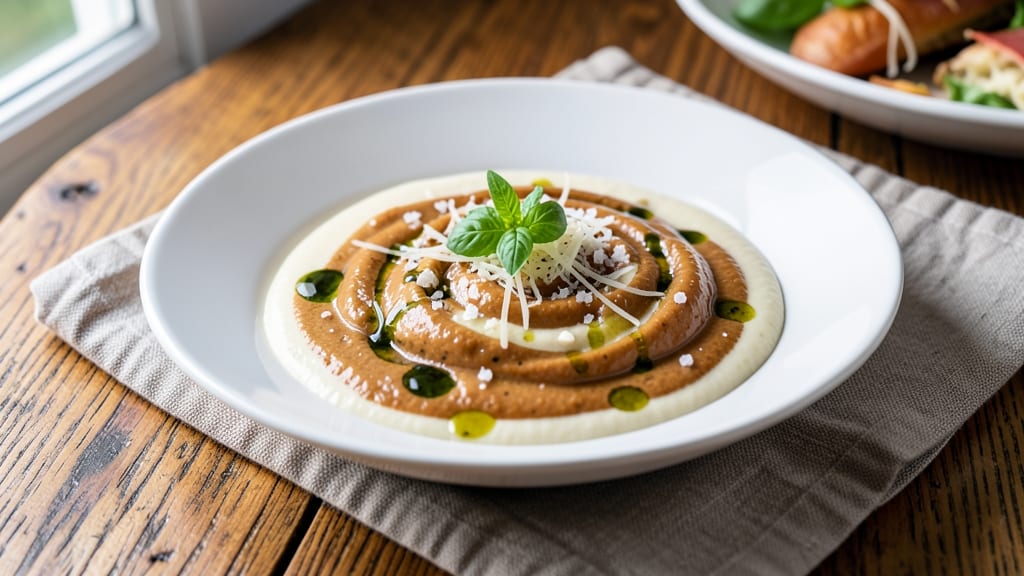
This Alfredo sauce recipe babish delivers the creamy, velvety texture you crave without the risk of curdling—perfect for that restaurant-quality fettuccine Alfredo at home. The secret lies in tempering the heat when combining butter and cream, a technique that transforms ordinary ingredients into something luxurious.
I've tested countless variations, and this method consistently produces a sauce so smooth it coats every strand of pasta effortlessly.
What sets this recipe apart is the precise ratio of butter to cream, which creates a stable emulsion that won't break under high heat. Fresh garlic and grated Parmesan add depth, while a touch of heavy cream ensures that signature rich, velvety consistency.
The result? A sauce that's foolproof for beginners but refined enough for seasoned cooks to appreciate.
This version stays true to traditional Italian roots while offering flexibility—add a splash of white wine for brightness or swap in nutritional yeast for a vegan adaptation. The possibilities are endless, but the foundation remains the same: a creamy, foolproof sauce that elevates any pasta dish. Ready to master it?
Whether you're serving it over fettuccine, chicken, or vegetables, this sauce delivers restaurant-quality results with minimal effort. The key is patience and precision—two ingredients that guarantee success every time. Let's get started on creating your perfect Alfredo.
Ingredients for alfredo sauce recipe babish
Nine essential ingredients transform into restaurant-quality Alfredo sauce with perfect emulsion.
| Ingredient | Amount | Notes |
|---|---|---|
| Unsalted Butter 🧈 | ¾ cup | Cold, cubed for controlled melting |
| Heavy Cream 🥛 | 1 cup | Full-fat for maximum creaminess |
| Fresh Garlic Cloves 🧄 | 4 cloves | Minced for aromatic depth |
| Parmesan Cheese 🧀 | 1 cup | Freshly grated from block |
| Extra-Virgin Olive Oil 🫒 | ¼ cup | For emulsion stability |
| Diamond Crystal Kosher Salt 🧂 | ½ tsp | Fine grain for even seasoning |
| Freshly Ground Black Pepper 🌶️ | ¼ tsp | Freshly cracked for bright flavor |
| White Wine (optional) 🍷 | ¼ cup | Dry variety for brightness |
| Nutritional Yeast (vegan option) 🍄 | ¼ cup | For umami depth without dairy |
| Pasta Water 💧 | ½ cup | Reserved from cooking pasta |
The butter and cream form the sauce's foundation, so quality matters. European-style unsalted butter from brands like Plugrá or Kerrygold creates the richest base—avoid margarine or low-fat alternatives. Heavy cream should be full-fat (36% or higher) for that velvety texture. Whole Foods Market and Trader Joe's carry excellent options. Fresh garlic is non-negotiable; pre-minced garlic lacks the aromatic punch. For the Parmesan, Parmigiano-Reggiano from a deli counter (not pre-grated) delivers authentic flavor. The olive oil stabilizes the emulsion—use a fruity extra-virgin like California Gold or Colavita.
No butter? Vegan butter like Miyoko's works, though texture differs slightly. Substitute heavy cream with full-fat coconut milk for a dairy-free version, but expect a slightly different mouthfeel. Pre-minced garlic? Freshly minced is ideal, but if you must use jarred, drain it well. The optional white wine adds brightness—Sauvignon Blanc or Pinot Grigio work best. For a vegan adaptation, nutritional yeast replaces Parmesan, while cashew cream can substitute for heavy cream. Pasta water isn't optional—its starchy consistency binds the sauce perfectly.
Store any unused sauce in an airtight container with a thin layer of olive oil on top to preserve freshness. Keeps for 3-4 days in the refrigerator or 3 months frozen. For freezing, portion into ice cube trays—thaw and reheat gently over low heat. The sauce thickens as it cools, so add a splash of pasta water when reheating. Leftovers can be repurposed into creamy soups or used as a base for baked dishes.
Why You'll Love This Recipe
- No Chopping Needed: I swear by this recipe because it’s the only Alfredo that doesn’t require mincing garlic into oblivion. Just smash those cloves with the flat of your knife—no tears, no fuss—and let the olive oil do the work while you stir.
- Rich Without Effort: That first spoonful? Chef’s kiss. The heavy cream and butter meld into something velvety, while the Parmesan adds this sharp, salty punch that makes you want to slurp it straight from the pot. (Yes, I’ve been tempted.)
- Leftovers That Shine: This sauce actually improves the next day—thickens just enough to cling to pasta like a dream. I freeze half in ice cube trays and toss them into quick weeknight dinners. No sad, watery Alfredo here.
- Budget-Friendly Luxury: You’d never guess how affordable this is. A stick of butter, a can of cream, a few cloves of garlic—it’s the kind of fancy you can make without breaking the bank. My college self would’ve cried happy tears.
Step-by-step instructions for ultra-smooth Alfredo sauce
Master this emulsion technique to achieve a velvety, curdle-free sauce every time.
Melt Butter and Infuse Garlic
In a medium saucepan, melt the 0.75 cup unsalted butter over medium-low heat until it's fully liquid but not browned. Add the 4 cloves minced fresh garlic and cook for 1-2 minutes until fragrant—this prevents bitter flavors from overcooking. The butter should foam gently but not bubble vigorously.
Here's the thing—low heat is critical. Butter burns easily, and burnt butter means off-flavors in your sauce. If you notice any browning, immediately reduce the heat. Keep the mixture moving with a wooden spoon to ensure even melting and garlic infusion.
Add Olive Oil for Emulsion Stability
Remove the pan from heat and whisk in the 0.25 cup extra-virgin olive oil. This creates a stable fat base that prevents curdling when we add the dairy later. The combination of butterfat and olive oil forms a smoother emulsion that holds up better to heat.
Return the pan to low heat and let it warm through for 30 seconds. You're not cooking here—just maintaining temperature. The olive oil helps distribute heat evenly and creates a protective barrier around the dairy components we'll add next.
Incorporate Dairy Components
Gradually whisk in the 1 cup heavy cream and 0.25 cup white wine (if using) while keeping the heat at low. The wine adds brightness and helps balance the richness, but omit it if you prefer a purer dairy flavor. Whisk continuously for 2-3 minutes until the mixture begins to thicken slightly.
This is where temperature control matters most. If the mixture starts to bubble or separate, immediately remove it from heat. The goal is to warm the cream without cooking it—you want it to integrate smoothly without developing a skin or curdling.
Add Cheese and Season
Reduce heat to lowest setting and gradually sprinkle in the 1 cup freshly grated parmesan cheese while whisking vigorously. For the vegan option, replace the parmesan with 0.25 cup nutritional yeast instead. The cheese should melt completely into the sauce, creating a smooth, cohesive texture.
Add the 0.5 tsp diamond crystal kosher salt and 0.25 tsp freshly ground black pepper, whisking until fully dissolved. Taste and adjust seasoning—Alfredo sauce should be rich but not overpoweringly salty. The pepper adds a subtle brightness that cuts through the richness.
Finish with Pasta Water for Perfect Consistency
Return the sauce to a gentle simmer and gradually whisk in 0.5 cup reserved pasta water, 1 tablespoon at a time, until you reach your desired consistency. The sauce should coat the back of a spoon but still flow smoothly—thick enough to cling to pasta but not so heavy it becomes gluey.
Simmer for 2-3 minutes to let the flavors meld completely. Remove from heat and let it rest for 5 minutes before serving. This resting period allows the sauce to thicken slightly and develop deeper flavor. Serve immediately over hot pasta for the best results.
Pro Tips For Making Alfredo Sauce Recipe Babish
- Bloom the Garlic First: Toss your minced garlic into the olive oil before adding butter—let it sizzle for 30 seconds until fragrant, not brown. I used to skip this, and the sauce always tasted flat; that quick bloom builds depth without burning.
- Temper the Cream: Warm the heavy cream in a separate pan over low heat until it’s just steaming (about 110°F). Pouring cold cream into hot butter makes the sauce split like a bad joke—this keeps it silky every time.
- Grate Parmesan Fresh: Skip the pre-grated stuff—it’s full of anti-caking agents that turn your sauce grainy. Use a microplane or fine grater and add the cheese last, stirring until it melts into the sauce. Your future self will notice the difference.
- Salt the Butter: Taste that unsalted butter before adding it—if it’s bland, add a pinch of salt now. The sauce needs flavor from the start, not just the Parmesan. I learned this after making a batch that tasted like butter and regret.
Flavor customization for this alfredo sauce recipe babish
Classic vs. Modern
Traditional Alfredo sauce relies solely on butter, cream, and Parmesan for its signature richness. This version delivers that authentic Italian flavor profile with 0.75 cup unsalted butter and 1 cup heavy cream as the base.
For a modern twist, I recommend adding 0.25 cup dry white wine—like Sauvignon Blanc—to brighten the sauce with acidity and complexity. This adjustment keeps the sauce true to its roots while adding a sophisticated layer of flavor.
Vegan Adaptation
For a dairy-free version, replace the butter with 0.75 cup vegan butter (like Miyoko's) and swap heavy cream for 1 cup full-fat coconut milk. The key to success here is using 0.25 cup nutritional yeast instead of Parmesan—it provides that essential umami depth without dairy.
This version still achieves a creamy texture, though it may have a slightly different mouthfeel. 🌱
Spicy Kick
Add heat with 1-2 teaspoons of red pepper flakes or a pinch of cayenne pepper while the sauce simmers. For a smoky twist, stir in ½ teaspoon smoked paprika or a dash of hot honey at the end.
I find that 1 teaspoon of chili crisp (like Lao Gan Ma) adds a perfect balance of spice and umami without overpowering the sauce.
Herb Variations
Fresh herbs elevate Alfredo sauce to new heights. Try adding 1 tablespoon of fresh thyme leaves or 1 teaspoon of dried basil for an Italian-inspired flavor. For a more modern approach, stir in ¼ cup chopped fresh parsley or 1 tablespoon of lemon zest to brighten the dish.
I also love adding 1 teaspoon of fresh rosemary for a woodsy aroma that pairs beautifully with the richness.
Umami Boosters
Enhance depth with 1 teaspoon of fish sauce or ½ teaspoon of soy sauce for an Asian-inspired twist. A splash of Worcestershire sauce (about 1 teaspoon) adds a savory note that complements the creaminess.
For a vegetarian option, use 1 teaspoon of white miso paste—it dissolves smoothly and adds a subtle fermented richness.
Creamy Texture Hacks
Need an even smoother sauce? Blend in 2 tablespoons of crème fraîche or 1 tablespoon of sour cream at the end for extra tang and creaminess.
For a lighter version, replace ½ cup of the heavy cream with ½ cup of Greek yogurt—it adds protein and a slightly tangy note. These adjustments keep the sauce rich while adding interesting texture variations. 💡
Nutrition facts
Frequently asked questions
Why does my Alfredo sauce curdle or separate?
The most common causes are heat and rapid temperature changes. Always use low heat when combining butter and cream, and never let the mixture boil. The olive oil in this recipe helps stabilize the emulsion, but whisking constantly while adding dairy components is key. If it starts to separate, immediately remove from heat and whisk vigorously to re-emulsify.
Can I make this sauce ahead of time?
Yes, but with a few precautions. Store in an airtight container with a thin layer of olive oil on top to preserve freshness. It keeps for 3-4 days in the fridge, but the texture will thicken significantly. Reheat gently over low heat, stirring frequently and adding 1-2 tablespoons of pasta water to restore creaminess. For longer storage, freeze in ice cube trays for easy portioning.
What's the best pasta to serve with this sauce?
Traditional fettuccine is ideal due to its wide, flat surface that catches the sauce beautifully. For extra texture, try pappardelle or tagliatelle. If you prefer something lighter, angel hair or linguine work well too. Avoid thick, dense pastas like penne—they can overwhelm the delicate sauce. Always cook pasta 1 minute less than package instructions for the perfect al dente finish.
How do I make this sauce vegan?
Replace the butter with 0.75 cup vegan butter, swap heavy cream for 1 cup full-fat coconut milk, and use 0.25 cup nutritional yeast instead of Parmesan. The key is maintaining the same emulsion technique—add the coconut milk gradually while whisking over low heat. You may need to add 1-2 extra tablespoons of pasta water for proper consistency, as plant-based fats behave slightly differently.
Can I use this sauce for dishes other than pasta?
It's perfect for creamy chicken dishes, as a dip for breadsticks or veggies, or even as a base for creamy soups. Try pouring it over grilled shrimp or chicken breasts for a luxurious main course. For baked dishes, brush it on top of baked ziti or lasagna before baking. The sauce works well as a marinade too—coat proteins in it for 30-60 minutes before cooking.