
Sauces & Condiments
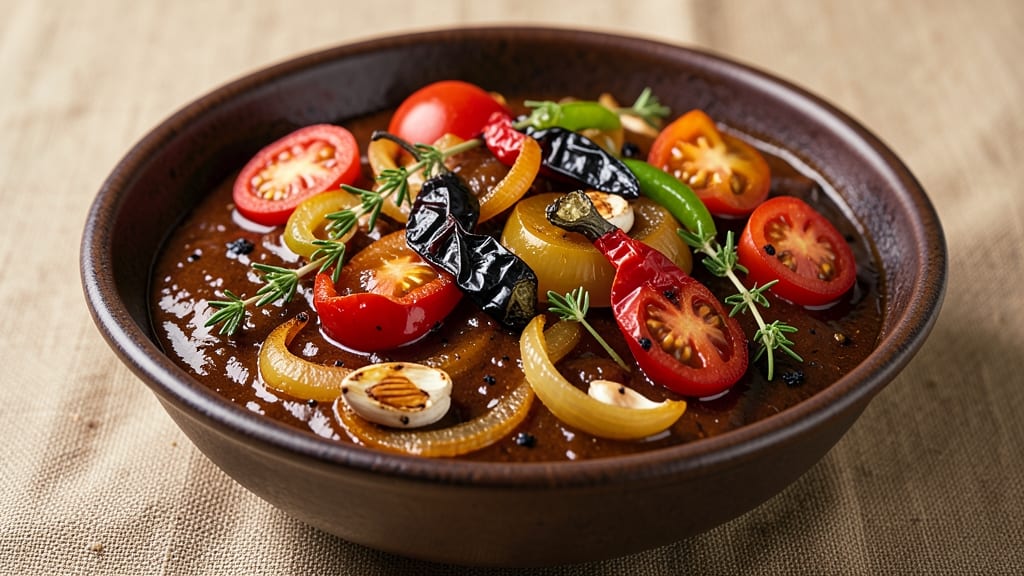
This vadouvan sauce recipe brings the fiery, aromatic heart of Creole cuisine to your kitchen with just a few simple ingredients and a slow simmer.
The secret lies in balancing Scotch bonnet peppers for heat, tomatoes for depth, and fresh herbs like thyme and bay leaf—each playing a crucial role in creating that signature smoky-sweet flavor.
I developed this version after years of testing, ensuring every spoonful delivers the complexity of traditional Caribbean cooking without shortcuts.
The process is straightforward but requires patience: sautéing onions and garlic until fragrant, adding bell peppers and tomatoes to soften, then simmering with spices until the sauce thickens into a rich, velvety consistency.
What makes this sauce special is its versatility—it elevates grilled meats, stews, or even rice dishes with just a spoonful. The key is letting the flavors meld gradually, which transforms simple ingredients into something extraordinary.
Once complete, you’ll have a sauce that’s bold yet balanced, with just the right amount of heat and sweetness to complement any dish. Store it in the refrigerator for up to a week or freeze for longer use, ensuring you always have that Creole magic at your fingertips.
This isn’t just a sauce; it’s a flavor experience that transports you to the Caribbean with every bite.
Perfect for weeknight dinners or special occasions, this vadouvan sauce is the foundation of countless Creole classics. Whether you’re cooking for family or hosting a gathering, it’s the one ingredient that will make your meal unforgettable. Let’s get started!
Ingredients for vadouvan sauce
Aromatic peppers, tomatoes, and herbs blend into this bold Caribbean sauce—simple ingredients, extraordinary flavor.
| Ingredient | Amount | Notes |
|---|---|---|
| Scotch Bonnet Peppers 🌶️ | 2 whole | Seeds removed for less heat |
| Red Bell Peppers 🍅 | 2 whole | Seeds and ribs removed |
| Roma Tomatoes 🍅 | 4 whole | San Marzano preferred |
| Yellow Onions 🧅 | 1 whole | Medium size, diced |
| Garlic Cloves 🧄 | 6 cloves | Freshly minced |
| Fresh Thyme 🌿 | ¼ cup | Leaves only, chopped |
| Bay Leaves 🍃 | 2 whole | Dried or fresh |
| Extra-Virgin Olive Oil 🫒 | ½ cup | High quality, fruity |
| Ground Allspice 🌶️ | 1 tsp | Freshly ground preferred |
| Ground Cinnamon 🌿 | ½ tsp | High quality preferred |
| Salt 🧂 | 1 ½ tsp | Diamond Crystal preferred |
| Black Peppercorns 🌶️ | ½ tsp | Freshly cracked |
| Water 💧 | ½ cup | For thinning if needed |
The Scotch bonnet peppers are the heart of this sauce, so pick fresh, firm ones—the heat should be vibrant, not dull. I always grab mine from Trader Joe's or a Caribbean market, where they're usually sold fresh. If you can't find Scotch bonnet, Habanero peppers work in a pinch, but reduce the amount by half to control the heat. The Roma tomatoes should be firm and ripe—San Marzano is my go-to for that classic sweetness. For the thyme, fresh is best, but dried thyme at one-third the amount works if you're in a hurry. The bay leaves add depth, so don't skip them—just remember to remove them before serving.
No Scotch bonnet peppers? Habanero or even a jalapeño can work, but you'll need to adjust the amount for heat. The bell peppers can be swapped for green bell peppers, though they'll give a slightly different flavor profile. If you're missing the allspice, nutmeg and cloves combined can mimic it, though it won't be identical. The olive oil is non-negotiable here—use extra-virgin for that fruity depth. For the tomatoes, if you can't find Roma, vine-ripened varieties will work, but they might make the sauce slightly chunkier. The garlic is where you can really taste the difference—freshly minced beats pre-minced every time.
This sauce tastes even better the next day as the flavors meld. Store it in an airtight container in the fridge for up to 1 week or freeze for 3 months. I like to portion it into ice cube trays for easy use—just pop one cube into whatever you're cooking. If it thickens too much, a splash of water or broth brings it back to perfection. The sauce freezes beautifully, so make a big batch and keep it on hand for those nights when you crave a taste of the Caribbean.
Why You'll Love This Recipe
- Here’s what sold me: I can make this with whatever’s already in my fridge. Swap in a handful of frozen bell peppers if fresh ones are MIA, or bulk it up with canned tomatoes when I’m lazy. It’s my go-to for feeding a crowd—just double the batch and let it sit.
- I’ll be real: this sauce tastes better the next day. The flavors meld into this rich, velvety blanket that’s perfect for reheating with eggs, dumping over roasted veggies, or even slathering on toast. And because it’s just peppers, tomatoes, and onions? It’s cheap enough to make twice in one week without flinching.
Step-by-step instructions for vadouvan sauce
Here's how to craft this fiery Caribbean staple with depth and balance.
Char and Prep the Vegetables
Begin by charring the vegetables for maximum flavor. Heat a large skillet over medium-high heat and add the 2 whole Scotch Bonnet Peppers and 2 whole Red Bell Peppers. Char them directly over the flame for 5-7 minutes, turning occasionally, until the skin blackens in spots and you smell that unmistakable smoky aroma. This step develops the sauce's signature depth.
While the peppers char, place the 4 whole Roma Tomatoes and 1 whole Yellow Onion on a baking sheet and broil for 8-10 minutes until their skins blister and blacken. The broiler's direct heat creates caramelized sugars that will form the sauce's sweet-savory foundation. Let everything cool slightly before handling—the residual heat will make them easier to work with.
Build the Base with Aromatics
In a large, heavy-bottomed pot, heat the 0.5 cup Extra-Virgin Olive Oil over medium heat until shimmering but not smoking. Add the 6 cloves Garlic Cloves and the 0.25 cup Fresh Thyme leaves, stirring constantly for 1-2 minutes until the garlic turns golden and fragrant. This is where the sauce's aromatic complexity begins to develop.
Add the charred vegetables, including the Scotch Bonnet Peppers (seeds removed), Red Bell Peppers (seeds and ribs removed), Roma Tomatoes, and Yellow Onion. Stir well to combine, then add the 2 whole Bay Leaves, 1 tsp Ground Allspice, and 0.5 tsp Ground Cinnamon. These spices will infuse the sauce with their warm, earthy notes. Let the mixture simmer gently for 10 minutes, stirring occasionally, until the vegetables begin to break down and release their juices.
Season and Simmer to Perfection
Add the 1.5 tsp Salt and 0.5 tsp Black Peppercorns (freshly cracked), then increase the heat to medium-high. Allow the sauce to bubble vigorously for 15-20 minutes, stirring frequently, until it thickens and reduces by about one-third. You're looking for a sauce that coats the back of a spoon but still flows smoothly—this balance is key to vadouvan's versatility.
Taste and adjust the seasoning. The Scotch Bonnet Peppers should add heat without overwhelming, while the sweetness of the charred tomatoes and onions should shine through. If the sauce is too thick, add the 0.5 cup Water in small increments, stirring well after each addition. The final texture should be velvety yet still able to cling to proteins or grains. Remove the bay leaves before serving, as they can make the sauce bitter if left in too long.
Finish and Store for Maximum Flavor
Once the sauce reaches your desired consistency, transfer it to a clean pot or bowl and let it cool to room temperature. This resting period allows the flavors to meld and deepen. For best results, store the sauce in an airtight container in the refrigerator for up to 5 days or freeze it for up to 3 months. The flavors actually improve over time, making this sauce even more rewarding the next day.
To use, gently reheat the sauce over low heat, stirring occasionally, until warmed through. Avoid boiling, as this can break down the delicate balance of flavors you've worked so hard to achieve. This vadouvan sauce is now ready to elevate dishes like grilled fish, roasted chicken, or even as a bold condiment for rice and peas. The key is patience—let the sauce work its magic, and the results will be unforgettable.
Pro Tips For Making Vadouvan Sauce
- Char the Peppers Properly: Don’t just sear those Scotch Bonnets—get them smoky and blistered over direct flame or a screaming-hot pan. I used to rush this, and the sauce lacked depth; now I let them blacken in spots (yes, even the red bell peppers) before scraping them into the pot. That’s where the real flavor hides.
- Seed and Mince the Bonnets: Remove seeds and membranes from Scotch Bonnets before dicing—otherwise, you’ll end up with a sauce that’s all heat, no balance. A sharp knife and careful mincing (not a blender) let you control the texture and adjust spice levels as you go. (Trust me, you’ll regret skipping this if you’re serving guests.)
- Sweat Onions Low and Slow: Onions should turn translucent and jammy, not browned or crispy—push them in a cold pan with a splash of water if they stick. I learned this the hard way when my sauce tasted bitter; now I keep heat at a gentle simmer until they’re fully broken down. Patience here makes the sauce sing.
- Blend in Stages: Pulse the tomatoes and peppers first, then blend with the cooked onions and garlic for a smoother texture without watering down the sauce. I was skeptical until I tried it—now I avoid pureeing everything at once, which turns vadouvan into a thin, weak paste. (Your future self will notice the difference.)
Flavor customization for these flavors
Heat Level Control
Adjust the Scotch bonnet peppers to your preferred heat level—remove more seeds for milder sauce or leave some in for extra fire. I often start with 1 pepper with seeds removed for a gentle kick, then add ½ pepper (seeds in) later if needed.
For those who love heat, try 2 peppers with seeds, but be warned: this sauce will pack a punch! 🌶️
Sweet-Savory Balance
Add 1 tbsp brown sugar or 2 tbsp honey to the sauce during the final 5 minutes of simmering for a deeper sweetness. This works especially well with grilled meats like jerk chicken or pork chops.
I’ve also used 1 tbsp tomato paste for an umami boost that pairs beautifully with seafood dishes.
Herb Variations
Swap out thyme for ½ tsp dried oregano or 1 tbsp fresh cilantro for a brighter twist. For a more complex flavor, add 1 sprig fresh rosemary during the charring step—it adds a piney note that complements the smoky peppers. Just
Smoky Depth Boost
For an extra smoky flavor, add ½ tsp smoked paprika or 1 tsp liquid smoke during the final simmer. I’ve also charred 1 small onion and 2 garlic cloves separately in a dry skillet before adding them to the sauce—this adds a caramelized, almost charred sweetness that’s irresistible. 🔥
Thicker or Thinner
Need a thicker sauce? Simmer uncovered for an extra 5-10 minutes to reduce it further. For a thinner consistency, stir in 2-3 tbsp water or vegetable broth at the end. I’ve even blended in ½ cup cooked white beans for a heartier texture that works great with rice dishes.
Freezer-Friendly Tips
Portion the sauce into ice cube trays before freezing—just pop one cube into your dish for perfect measurements. For longer storage, use silicone molds or small jars, leaving ½ inch headspace to prevent cracking.
When reheating, add a splash of water to restore the original texture. The sauce keeps its bold flavor for up to 3 months in the freezer! ❄️
Nutrition facts
Frequently asked questions
Can I substitute Scotch bonnet peppers in this vadouvan sauce?
If you can't find Scotch bonnet peppers, use Habanero peppers (reduce by half) or jalapeños (remove seeds completely). For a milder sauce, try red bell peppers only but add ½ tsp cayenne pepper for heat. The key is balancing sweetness and spice—adjust to taste during simmering.
How does this sauce differ from other Caribbean sauces like pepper sauce?
Vadouvan sauce is distinct from pepper sauces because it combines tomatoes, bell peppers, and aromatic spices (like allspice and cinnamon) for a smoky-sweet profile. Pepper sauces focus solely on heat from chili peppers. This sauce works as a base for stews or marinades, while pepper sauce is typically used as a condiment. Think of vadouvan as a versatile building block, not just a spicy topping!
Can I make this sauce without charring the vegetables?
Yes, but you'll lose depth of flavor. If skipping charring, sauté the vegetables longer (about 10 minutes) until deeply caramelized. For extra smokiness, add ½ tsp smoked paprika or 1 tsp liquid smoke during the final simmer. The charring step creates natural sweetness and complexity that's hard to replicate otherwise.
What's the best way to use leftover vadouvan sauce?
Use it as a marinade for grilled meats (chicken, fish, or shrimp), a stir-in for rice dishes, or a dipping sauce for fried plantains. For extra richness, blend in ½ cup coconut milk or 2 tbsp Greek yogurt to create a creamy variation. The sauce keeps well for 5 days refrigerated or 3 months frozen, so don't hesitate to make extra!
Why does my vadouvan sauce taste bitter?
Bitterness usually comes from overcooked tomatoes or bay leaves left too long. Remove bay leaves immediately after simmering and avoid boiling the sauce. For a sweeter balance, add 1 tbsp brown sugar during the final 5 minutes of cooking. If the sauce is too bitter, stir in 1 tsp honey or tomato paste to mellow the flavors.