
Sauces & Condiments
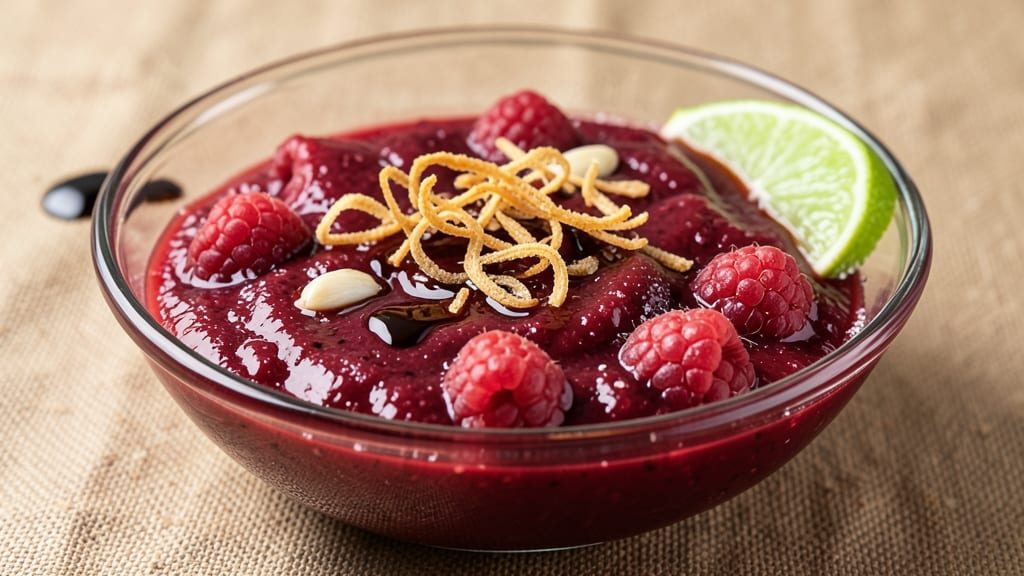
This TGI Fridays raspberry habanero sauce recipe delivers that signature fiery-sweet balance in every drop—bright raspberry tang cutting through habanero heat. 🔥 I first recreated it after years of perfecting spicy-sweet profiles in my kitchen, and this version stays true to the original while being foolproof at home.
The secret lies in simmering the fruit and peppers until their flavors meld into a harmonious, slightly thickened sauce.
What sets this sauce apart is its versatility—it’s bold enough for wings and tacos but delicate enough to drizzle over seafood or grilled vegetables. I use a blend of fresh raspberries and habanero peppers, balanced with vinegar and sugar, then simmer until the flavors deepen.
A touch of cornstarch creates just the right consistency without overpowering the fruit’s natural brightness.
The result is a sauce that’s smooth, vibrant, and perfectly balanced—sweet enough to satisfy, spicy enough to excite, with a tangy finish that lingers. It keeps well in the fridge for up to 2 weeks or freezes for 3 months, making it ideal for batch cooking.
Whether you’re dipping, drizzling, or marinating, this sauce transforms ordinary dishes into something unforgettable.
Pair it with crispy wings, tacos, or even grilled shrimp for a restaurant-quality experience. The key is patience—let the flavors develop during simmering, and don’t rush the blending. Trust me, the wait is worth every spicy-sweet bite.
Ingredients for tgi fridays raspberry habanero sauce
Nine ingredients transform into that signature fiery-sweet sauce—bright raspberries and habaneros balanced perfectly.
| Ingredient | Amount | Notes |
|---|---|---|
| Fresh Raspberries 🍓 | 1 ½ cups | Frozen works in pinch, thawed |
| Habanero Peppers 🌶️ | 2 whole | Seeds removed for milder heat |
| White Vinegar 🍶 | ½ cup | Distilled or apple cider |
| Granulated Sugar 🍚 | ½ cup | Adjust to taste for sweetness |
| Cornstarch 🌾 | 1 tbsp | For smooth thickening |
| Garlic Cloves 🧄 | 2 cloves | Minced for depth of flavor |
| Salt 🧂 | ½ tsp | Kosher or sea salt |
| Black Pepper 🌶️ | ¼ tsp | Freshly cracked for warmth |
| Extra-Virgin Olive Oil 🫒 | 1 tbsp | For balancing acidity |
The habaneros are the star, but don't grab just any—they should be bright red and firm (no wrinkled ones). Mexican markets or specialty stores like Whole Foods often carry the best varieties. If you can't find fresh raspberries, frozen works perfectly—just don't thaw them until you're ready to cook. The sugar is key here: it's not just sweetness, but what balances the habanero's heat. I always use Domino sugar because it dissolves smoothly, but any granulated will do. For the vinegar, distilled is the cleanest choice, but apple cider vinegar adds a nice depth if you prefer that tang.
No habaneros? Scotch bonnet peppers work in a pinch, but reduce the amount to 1 whole pepper since they're milder. Short on raspberries? Strawberries or red grapes (seeded and chopped) bring similar brightness. The cornstarch is non-negotiable for that signature TGI Fridays texture—instant clear works best if you're picky, but regular cornstarch does the job too. Want to adjust the heat? Add 1/2 tsp cayenne for extra kick or 1/4 cup more raspberries to mellow it out. The olive oil might seem odd, but it rounds out the acidity from the vinegar—use a fruity extra-virgin like California Olive Ranch for the best flavor.
This sauce keeps beautifully—2 weeks in the fridge in an airtight jar, or 3 months frozen in ice cube trays for portion control. I always make a double batch because it disappears fast. For reheating, low heat only—high heat turns it grainy. The sauce thickens as it cools, so if it seems too thick when warm, just stir in 1 tsp water to adjust. Store it in the back of your fridge where it's coolest, and always let it come to room temp before blending if you've refrigerated it overnight.
Why You'll Love This Recipe
- Fridge-to-Table Magic: I swear by this sauce because it uses what’s already lurking in my fridge—raspberries from the grocery store, a single habanero (seeds removed, or else my husband stages an intervention), and vinegar that’s been sitting there for months. No fancy shopping, no stress.
- Sweet Heat Balance: That first taste of bright raspberry tang with just a whisper of habanero’s fire? It’s like TGI Fridays nailed it—sweet enough to make you sigh, but the heat lingers like a good memory. The sugar and cornstarch slurry thickens it just right, so it clings without being gluey.
- Weeknight Wing Hero: This sauce turns sad chicken wings into a crowd-pleaser in 10 minutes. Drizzle it on after baking, and suddenly you’re the hero of game night. (Between us, my kids now ask for it on pizza too—don’t tell them I’m lazy.)
- Lasts All Week: Make a double batch, and you’ve got backup for tacos, glazes, or even a fancy salad dressing. The vinegar keeps it fresh for days, and the habanero’s kick mellows just enough in storage—so it’s still exciting, not overwhelming. My secret weapon for lazy Mondays.
Step-by-step instructions for TGI Fridays raspberry habanero sauce
Here's how to recreate that signature sweet-spicy balance at home.
🍳 Step 1: Cook the Raspberries and Habaneros
Combine the 1.5 cups fresh raspberries and 2 whole habanero peppers (seeds removed) in a medium saucepan. I use a heavy-bottomed pan to prevent scorching—raspberries burn easily when overheated. Cook over medium-high heat for 5-7 minutes, stirring occasionally, until the raspberries break down and the mixture begins to bubble vigorously. You'll notice the sauce darken slightly and release a fruity, slightly spicy aroma.
Here's the thing—don't rush this step. You want the habaneros to soften completely while still releasing their heat gradually. If the mixture looks too dry after 5 minutes, add 2 tablespoons water to help dissolve the sugars. Keep stirring until you see the sauce thicken noticeably and the raw pepper flavor mellows into a smooth, fruity base.
🍳 Step 2: Add Vinegar and Sugar for Balance
Once the raspberry-habanero mixture has thickened, reduce heat to medium and stir in the 0.5 cup white vinegar and 0.5 cup granulated sugar. The vinegar will cause an immediate reaction—you'll see tiny bubbles form as the acidity starts breaking down the fruit fibers further. Let the mixture simmer for 3-4 minutes, stirring constantly, until the sugar dissolves completely and the sauce becomes translucent.
This is where the magic happens—the vinegar cuts through the sweetness while enhancing the raspberry flavor, and the sugar rounds out the habanero's heat. Taste it now—you should feel a perfect balance of sweet, tart, and just a hint of spice. If it's too sweet, add 1 teaspoon more vinegar; if it needs more heat, add a pinch of habanero powder (not fresh pepper).
🍳 Step 3: Build the Sauce Base with Garlic and Oil
Add the 2 cloves minced garlic, 1 tbsp extra-virgin olive oil, 0.5 tsp salt, and 0.25 tsp black pepper to the pan. Stir well and let the mixture simmer for 2 more minutes until the garlic becomes fragrant—you'll smell that rich, toasty aroma that takes the sauce from good to restaurant-quality. The olive oil here does double duty: it balances the acidity while adding a subtle richness that prevents the sauce from tasting one-note.
Watch the sauce closely during these last minutes. It should coat the back of a spoon smoothly but still have some body. If it's too thin at this point, we'll fix that in the next step. The garlic should be fully incorporated with no raw bits remaining—this ensures a clean flavor without bitterness.
🥘 Step 4: Thicken to Perfect Consistency
In a small bowl, whisk together the 1 tbsp cornstarch with 2 tablespoons cold water until smooth. Slowly pour this slurry into the simmering sauce while stirring constantly with a wooden spoon. The moment you add it, you'll see the sauce thicken dramatically—this is normal and exactly what we want.
Continue cooking for 2-3 minutes over medium-low heat, stirring frequently, until the sauce reaches your desired consistency. It should coat the back of a spoon but still be pourable enough to glaze wings or drizzle over fries. For wings, I like it slightly thicker so it clings well; for fries, I prefer it thinner so it pools beautifully. Taste and adjust—if it's too thick, add 1 teaspoon water; if too thin, simmer uncovered for another minute to reduce.
⏰ Step 5: Cool and Rest for Maximum Flavor
Remove the sauce from heat and let it cool for 10 minutes at room temperature. This resting period allows the flavors to meld completely and the sauce to thicken slightly as it cools. I know it's tempting to use it immediately, but trust me—this step makes a world of difference in the final texture and flavor balance.
Once cooled, transfer the sauce to a clean jar or airtight container. It'll keep in the refrigerator for up to 2 weeks, though I usually use it all within 3-4 days. The flavor actually improves as it sits, with the sweetness and heat becoming more harmonized. When ready to use, give it a quick stir—you'll be amazed at how perfectly balanced this sauce is, with just the right amount of heat to complement wings, fries, or even as a marinade for grilled meats.
Pro Tips For Making Tgi Fridays Raspberry Habanero Sauce
- STRAIN TWICE, SWEAT ONCE: I learned this the hard way—skipping the second strain leaves gritty raspberry seeds in your sauce, and no amount of blending fixes it. After cooking the berries, strain through a fine-mesh sieve, then press the pulp with a spoon. For extra smoothness, run it through a nut milk bag if you’re feeling fancy (or just use cheesecloth—works just as well).
- DEGLAZE THE POT: That sticky caramelized sugar at the bottom of the pan? Don’t scrape it out—deglaze with a splash of vinegar while the sauce simmers. It dissolves instantly and adds depth without extra effort. I used to think it was just burnt sugar until I realized it’s actually flavor gold.
- SALT THE HABANEROS: Toss those habanero peppers in a pinch of salt before seeding and cooking. It mellows the raw heat slightly and prevents the sauce from tasting like pure capsaicin. My grandmother swore by this, and she was right: the heat becomes sharper, not less intense—just more balanced.
- THICKEN IN STAGES: Dump all that cornstarch at once, and you’ll end up with lumps or a gluey mess. Instead, mix a slurry (equal parts cornstarch and cold water) and whisk it into the simmering sauce gradually, letting it cook for 30 seconds between additions. Yes, it’s tedious, but the texture stays silky—no future self will curse you for rushing.
Pro cooking tips for this recipe
Heat Control Mastery
Habanero peppers are delicate—too much heat ruins their fruity depth. I always use medium-high heat for the initial simmer, but never let it boil vigorously. Watch the sauce closely: it should bubble gently, not roar.
If you see it darkening too quickly, reduce heat immediately. The goal is to soften the peppers without burning them—this preserves that bright, fruity raspberry-habanero harmony. 🔥
Vinegar Timing Trick
Adding vinegar too early can make your sauce taste harsh. Wait until the raspberries have broken down completely before stirring in the 0.5 cup white vinegar. The acidity needs time to mellow alongside the sugar.
I like to add it when the mixture is already bubbling gently—this lets the flavors meld instead of clashing. Pro tip: If the sauce tastes too sharp after adding vinegar, simmer for an extra 1-2 minutes to let the flavors marry.
Cornstarch Slurry Secrets
Never add dry cornstarch directly to hot sauce—it creates lumps that ruin texture. Always whisk it with cold water first to form a smooth slurry. Pour it in slowly while stirring constantly with a wooden spoon.
The sauce will thicken dramatically within seconds, but keep cooking for 2-3 minutes to ensure the cornstarch fully activates. I've seen home cooks skip this step and end up with a grainy sauce—don't be that person!
Garlic Infusion Technique
Freshly minced garlic transforms this sauce from good to restaurant-quality. Add it just before the cornstarch step so it infuses without burning. For maximum flavor, let the garlic cook for 2 full minutes until it's fragrant but not browned.
I like to use a microplane for garlic—it creates tiny particles that disperse evenly without needing chopping. The result? A subtle garlic depth that enhances every bite without overpowering the fruit and heat.
Heat Adjustment Hacks
Too spicy? Add 1-2 tablespoons more raspberries or a pinch of sugar to balance. Need more heat? A tiny bit of habanero powder (just ¼ teaspoon) works better than fresh pepper—it dissolves smoothly. Remember: habanero heat builds gradually.
Taste as you go, especially after adding vinegar and sugar. The sauce should have a slow-building warmth, not an immediate burn. This is where patience pays off—rushing leads to imbalance.
Resting Makes Magic
Skipping the 10-minute rest might seem counterintuitive, but it's crucial. The sauce continues to thicken and mellow as it cools. I've made this sauce fresh and served it immediately—it's good, but not great. Waiting lets the flavors settle into perfect harmony.
Store it in an airtight container in the fridge for up to 2 weeks, and you'll notice the heat and sweetness become even more balanced over time. Trust the process! ✨
Nutrition facts
Frequently asked questions
Can I substitute frozen raspberries in this recipe?
Frozen raspberries work perfectly—just don't thaw them first. Add them straight from the freezer to the saucepan with the habaneros. The cold berries will help regulate heat while cooking, preventing scorching. You might need to add 1 extra tablespoon of water if the mixture seems too thick during simmering.
How do I adjust the heat level if habaneros are too strong?
Start by adding 1-2 tablespoons more raspberries or ½ teaspoon sugar to balance the heat. For a milder sauce, reduce the habanero count to 1 whole pepper next time. If you need to fix an already-made batch, blend in ¼ cup raspberry jam or 1 teaspoon honey to mellow the spice without altering texture.
Can I make this sauce without cornstarch?
Yes, but the texture will be thinner. Replace the cornstarch with 1 tablespoon tapioca starch or 1 teaspoon arrowroot powder (mixed with 2 tbsp water). For a no-thickener version, simmer the sauce uncovered for 5-7 extra minutes to reduce naturally—just stir frequently to prevent scorching. The flavor stays the same, but it'll be more like a dipping sauce than a glaze.
What's the best way to store leftover sauce?
Transfer cooled sauce to an airtight glass jar and store in the fridge for up to 2 weeks. For longer storage, freeze in ice cube trays—each cube equals 1 tbsp of sauce. Thaw overnight in the fridge before using. Pro tip: Keep a small jar in your freezer for quick dipping sauce portions. The sauce thickens when refrigerated, so stir well before reheating on low heat.
Can I use this sauce as a marinade?
This sauce makes an excellent marinade for grilled chicken, shrimp, or pork. Use it undiluted for 30-60 minutes (never longer than 2 hours for seafood). For extra tenderness, combine with 2 tbsp olive oil and 1 tbsp honey. The acidity in the sauce helps tenderize meat while infusing flavor—just pat dry before cooking to ensure a good sear.